



Masons Ceramic Pitcher
These masons ceramic pitcher pieces bring robust earthenware utility and striking pattern work to a room, offering both history and decorative presence.
Masons Ceramic Pitcher
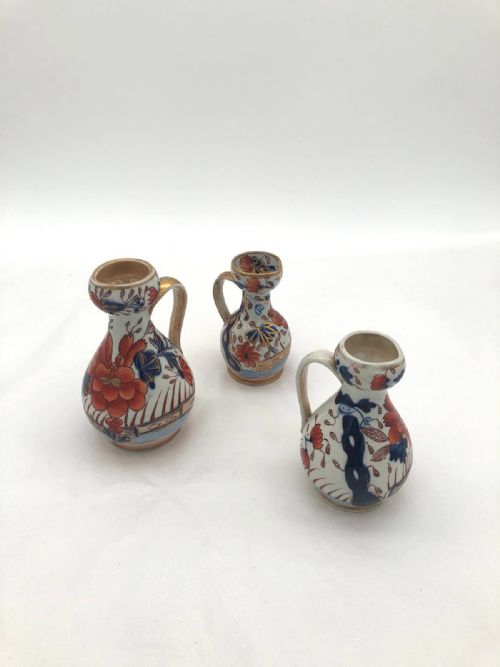
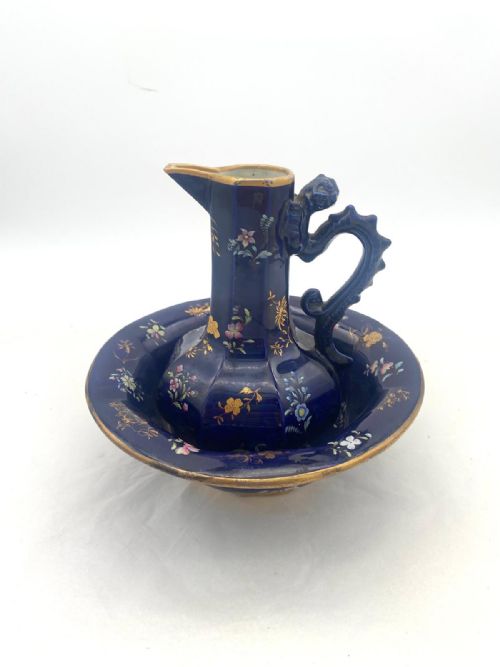
When you search for masons ceramic pitcher examples, you encounter robust vessels shaped as jugs, ewers, and basin sets dating from the Georgian and Victorian eras. These items range from diminutive miniature hydra vessels to large washbasin sets, reflecting both daily utility and display purposes.
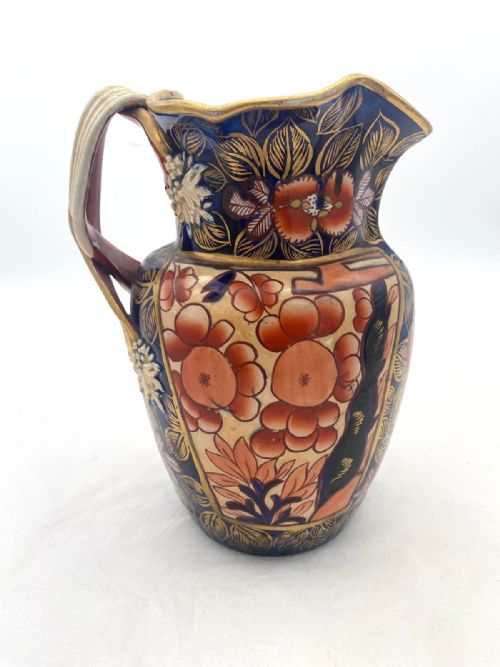
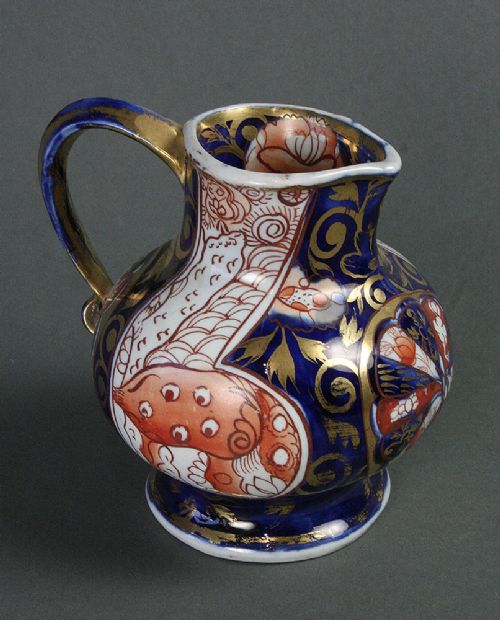
The pieces on this page heavily feature ironstone bodies decorated with distinct regional styles. You meet oriental inspired motifs, Chinoiserie patterns, and specific designs like the Schoolhouse pattern, Crocus jugs, and Red Scale decorations.
How they were made
Potters utilised durable ironstone and earthenware bodies to shape these pitchers, often employing moulded forms such as the characteristic hydra snake handle or grotesque handle. These dense ceramic bases provided the strength required for daily washstand and serving duties.
Artisans applied vibrant cobalt blue grounds, enamel colours, and delicate gold leaf or gilt highlights over a smooth glaze. Transfer-printing and hand-painting techniques brought complex Chinoiserie and oriental scenes to the curved surfaces.
Listings feature ironstone and earthenware bodies decorated with cobalt blue, enamel, and gold leaf from the nineteenth century.
What varies in quality
The refinement of the painted and gilt decoration dictates much of the visual distinction across these pieces. Crisp hand-painted enamel work and well-preserved gold leaf elevate certain jugs above simpler production standards.
Mason's Ironstone
The Masons Ceramic Pitcher Glossary
- Ironstone
- A patented ceramic body invented in the nineteenth century for its durability and resemblance to Chinese porcelain. It provides a heavy, vitrified base for pitchers.
- Hydra jug
- A specific vessel shape characterised by a serpent or snake handle, frequently utilised in early nineteenth-century Staffordshire pottery. It borrows its name from classical mythology.
- Chinoiserie
- European artistic style reflecting Chinese and East Asian motifs, prominent in pottery decoration during the Georgian and Victorian periods. It often includes imaginary landscapes and pavilions.
- Gilt
- Application of gold or golden material to ceramics, highlighting moulded details and rims. It requires careful firing to adhere to the glaze.
- Ewer
- A large pitcher with a flared spout and curved handle, traditionally paired with a basin for washing. These pieces form substantial washstand sets.
Masons Ceramic Pitcher: Frequently Asked Questions
What are masons ceramic pitcher pieces used for?
These vessels originally served practical household functions such as carrying water for washing or holding liquids at the table. Many larger examples formed part of washbasin sets for bedrooms.
Today, collectors primarily display them as decorative objects on shelves, sideboards, or mantelpieces to showcase their vibrant patterns and sculptural forms.
How do I date a mason pitcher?
Dating relies on examining the stylistic cues, pattern names, and potting characteristics recorded in the physical piece. Georgian and early nineteenth-century examples often display specific handle forms and rich cobalt blue Chinoiserie schemes.
Later Victorian pieces introduce different scale patterns and basin combinations. Comparing the ceramic body and glaze type helps narrow the manufacturing period.
Are these pitchers waterproof?
Most ironstone and glazed earthenware pitchers remain structurally sound and capable of holding water safely. The dense ceramic body and internal glaze prevent liquid from seeping through the walls.
However, valuable antique pieces with delicate enamel or gilt decoration receive less exposure to moisture to protect the surface finish.
What is an ironstone pitcher?
An ironstone pitcher is a ceramic vessel made from a dense, sturdy paste patented to resist chipping and cracking better than standard earthenware. This heavy material made it ideal for robust daily use.
Potters favoured it because it accepted vibrant enamel colours and gold leaf exceptionally well during high-temperature firing.