






Antique Imari Charger
An antique imari charger is a large, hand-painted decorative ceramic dish that brings vibrant patterns and rich history into a room.

Antique Imari Charger
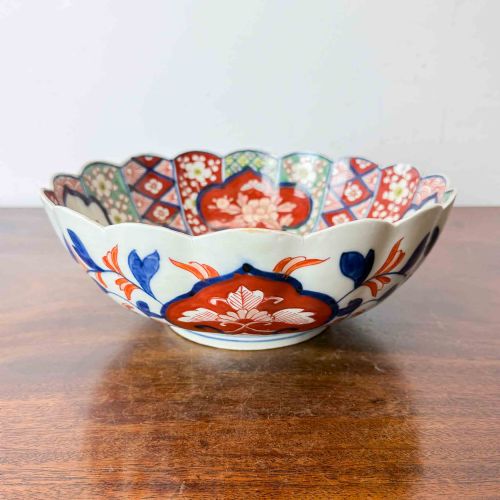
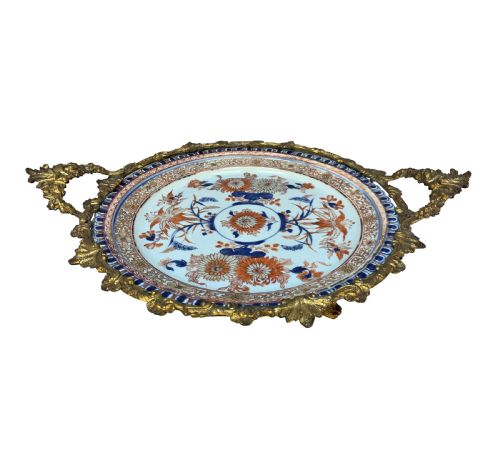
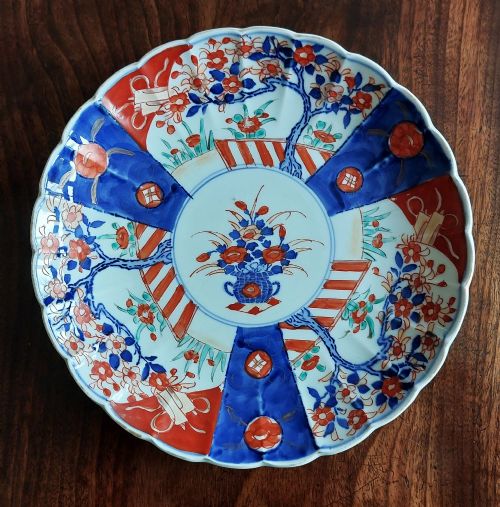
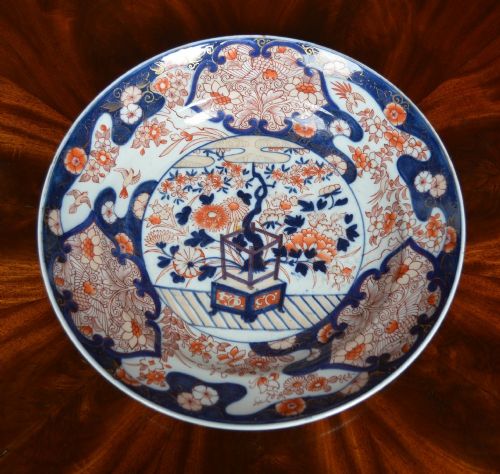
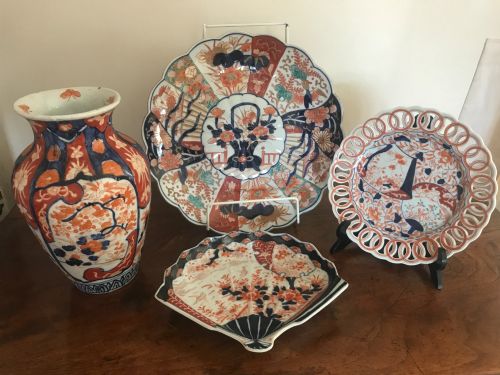
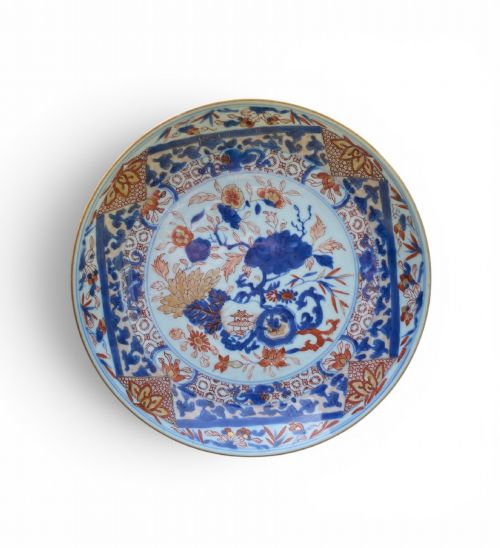
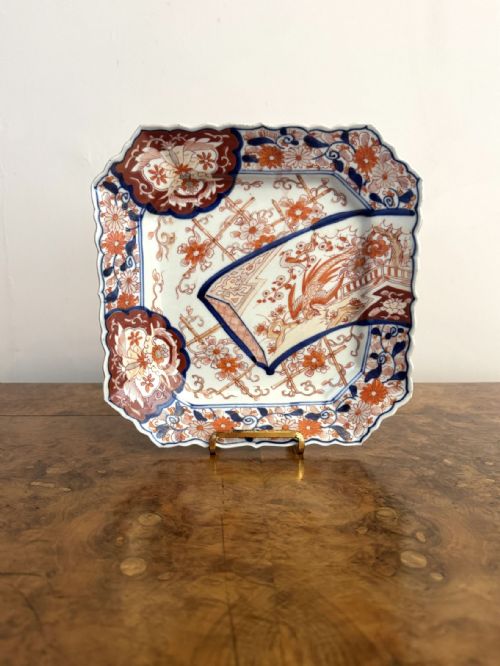
An antique imari charger typically manifests as a wide, circular decorative plate or shallow bowl designed for display rather than dining. These pieces originate predominantly from Japan during the Meiji period and the nineteenth century, though Chinese export and eighteenth-century examples also appear regularly.
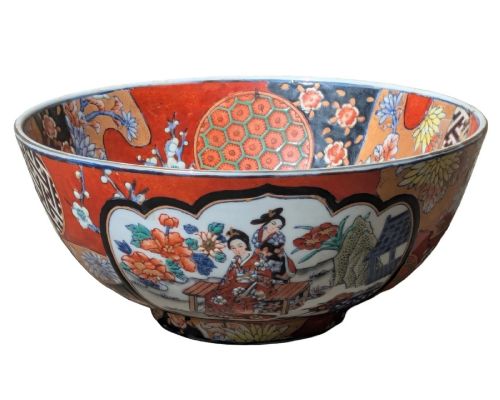
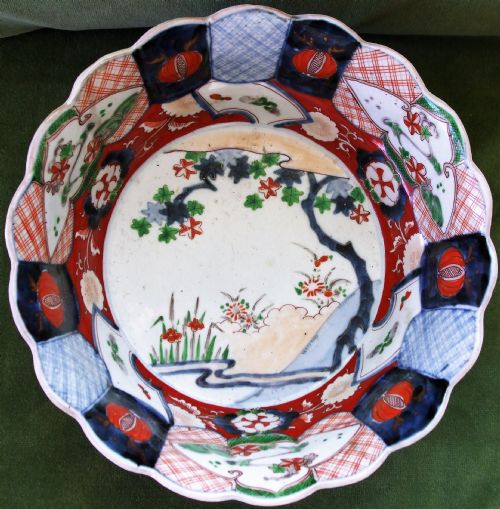
The forms extend beyond standard circles to include scalloped edges, hexagonal outlines, square shapes, and oval dishes. Alongside these chargers, buyers encounter related vessels such as large bowls and smaller decorative plates sharing the same distinctive aesthetic.
How they were made
The construction relies on porcelain or ceramic bodies shaped by hand or wheel before receiving underglaze blue painting. Potters then apply overglaze enamels, incorporating rich iron red and often gold leaf or gilding to create the characteristic palette.
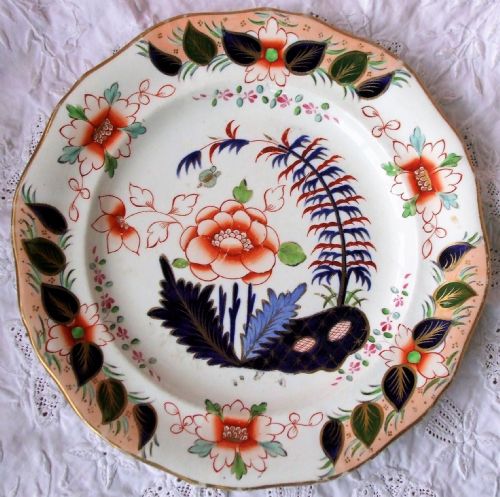
Kiln firing sets the vitrified ceramic body and fuses the enamel layers to the surface. Certain English counterparts utilise ironstone bodies decorated with transfer-printed and hand-finished imari patterns.
Antique Imari Charger Retail Price Guide 2026
Typical asking prices for imari charger among the pieces listed under this phrase on Sellingantiques today, from the lower quarter to the upper quarter. They describe what is for sale here now, not the wider market.
Exotic birds frequently peer out from the floral foliage, supervising the tea table from their permanent ceramic perches.
What varies in quality
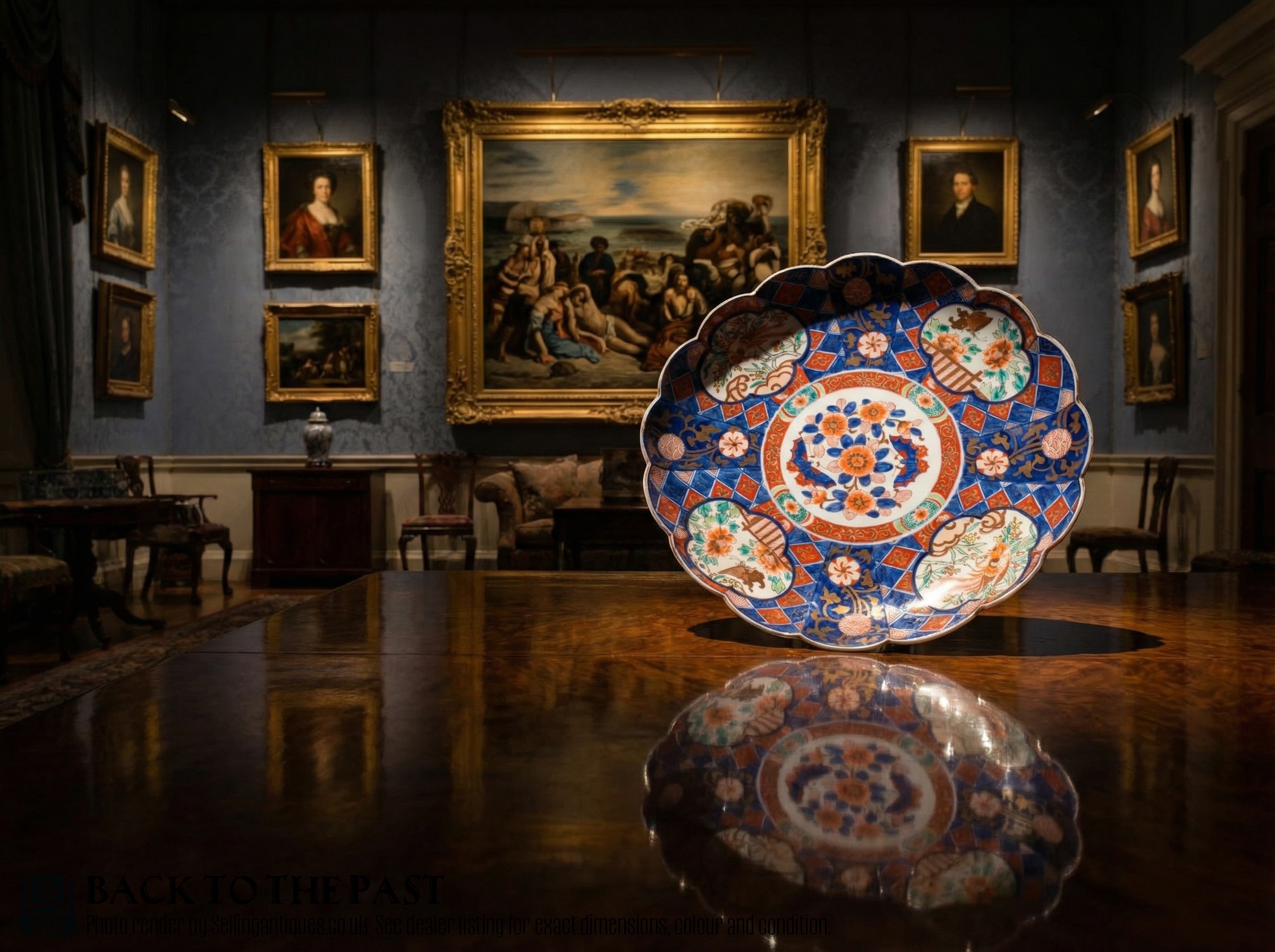
The precision and detail of the hand-painted floral and bird motifs dictate the visual impact of an individual charger. Skilled brushwork provides depth and clarity to the cobalt blue underglaze and the subsequent enamel layers.
The application and preservation of gold leaf or gilding influence the overall richness of the piece. Form complexity, such as intricate scalloped edges or unusual shapes like hexagonal and square formats, also separates standard productions from finer works.
John Davenport of Longport
The Antique Imari Charger Glossary
- Imari
- A style of ceramic decoration originating in Japan featuring a distinct palette of underglaze blue, iron red, and gilt highlights. This aesthetic was later adopted by Chinese export kilns and European potteries.
- Charger
- A large decorative plate traditionally used for display on a sideboard or wall rather than serving food. These pieces measure significantly wider than standard dining plates.
- Meiji Period
- A period of Japanese history spanning from 1868 to 1912, noted for prolific ceramic production exported to Western markets. Many surviving decorative chargers date from this era.
- Gilding
- The application of gold leaf or gold paint to ceramic surfaces to accentuate specific pattern details. This technique adds metallic warmth and contrast to the painted enamels.
Antique Imari Charger: Frequently Asked Questions
How were antique imari chargers used?
These large plates were predominantly intended for visual display on walls, cabinets, or sideboards rather than practical dining use. Their substantial size and rich colour palette made them popular decorative accessories in period homes.
Collectors today continue to display them upright on plate stands or mounted securely on walls to showcase the painted designs.
How do I care for an antique charger?
Cleaning requires only a soft, dry cloth to remove dust from the glazed porcelain surface. Avoid immersing pieces in water, particularly those with delicate gold leaf or overglaze enamel details.
Keeping chargers away from direct sunlight preserves the vibrancy of the iron red and cobalt blue pigments over time.
How can I tell the period of a charger?
Dating relies on examining the characteristics of the ceramic body, the style of the hand-painted motifs, and the depth of the glaze. Eighteenth-century pieces often reflect Chinese export styles, while nineteenth-century and Meiji period examples display distinct Japanese aesthetic developments.
Reference marks on the base, when present, can also offer clues regarding the era of manufacture.