
Antique Ice Plates
When you search for antique ice plates, you enter a world of fine glass and silver vessels designed to keep the table cool.
Antique Ice Plates
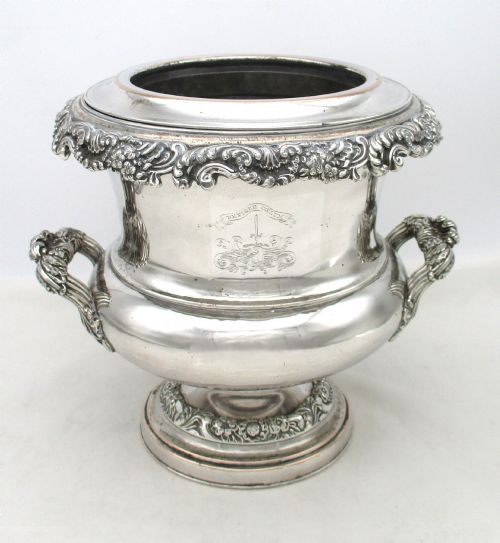
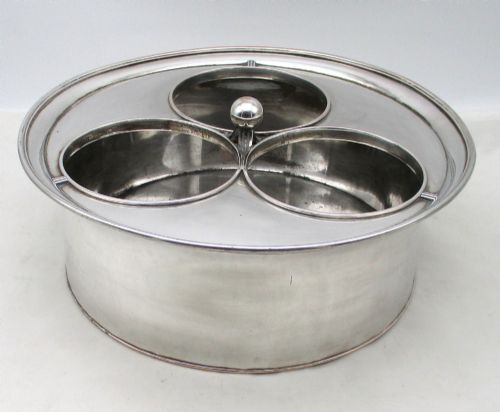
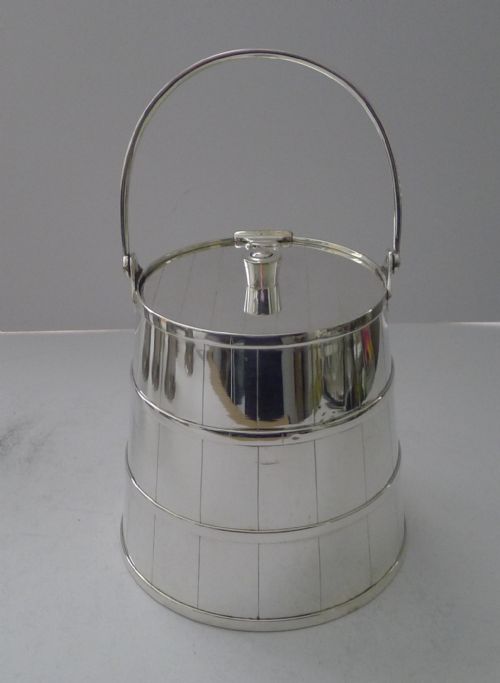
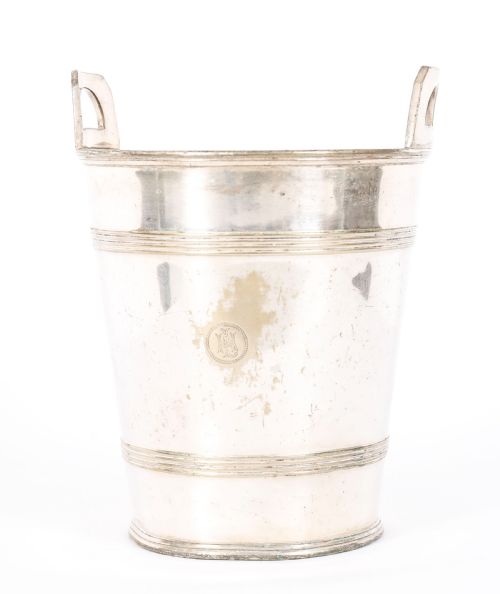
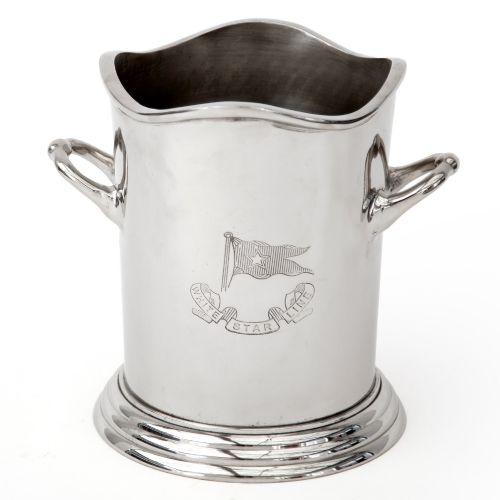
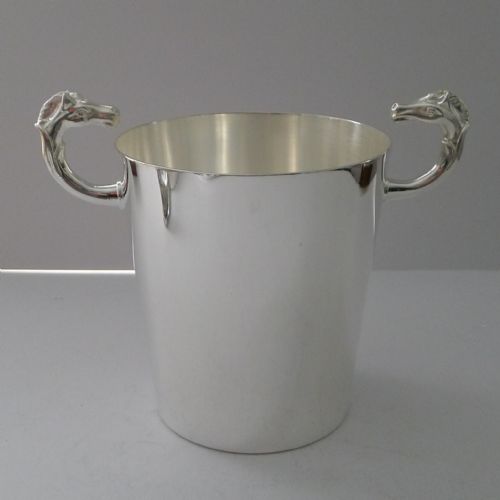
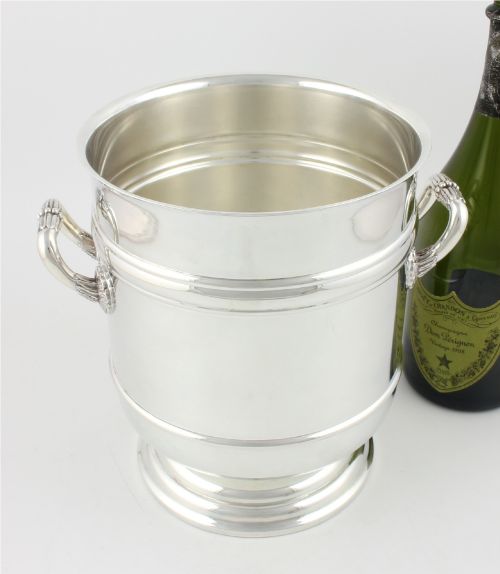
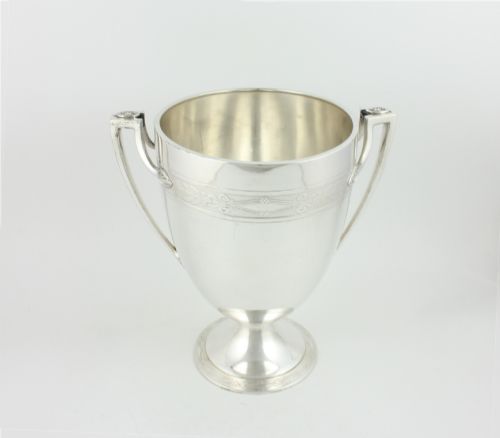
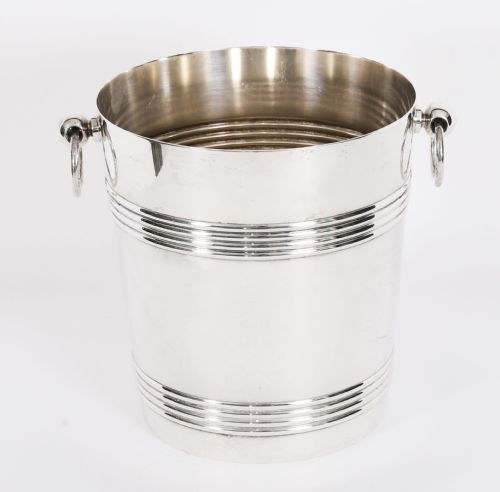
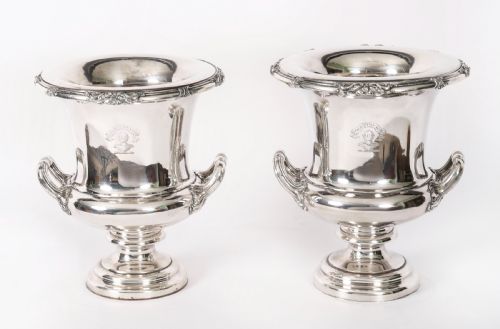
Buyers searching for antique ice plates encounter small glass sweetmeat dishes alongside larger silver-plated wine coolers, champagne buckets, and ice pails. The glass examples span the eighteenth and nineteenth centuries, including free-blown crystal pieces from Georgian and Victorian periods. Metal forms dominate the selection, stretching from early Old Sheffield plate to mid-twentieth-century silverplate.
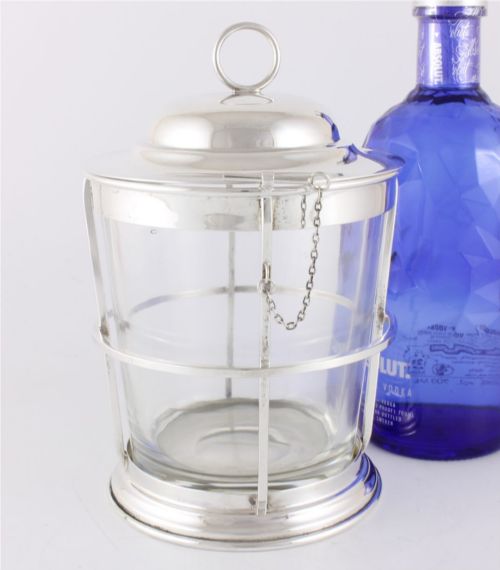
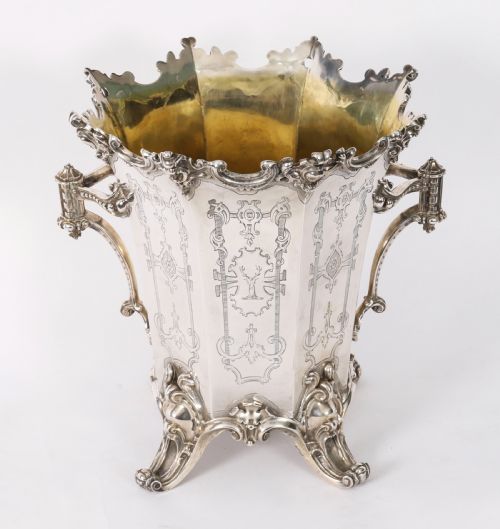
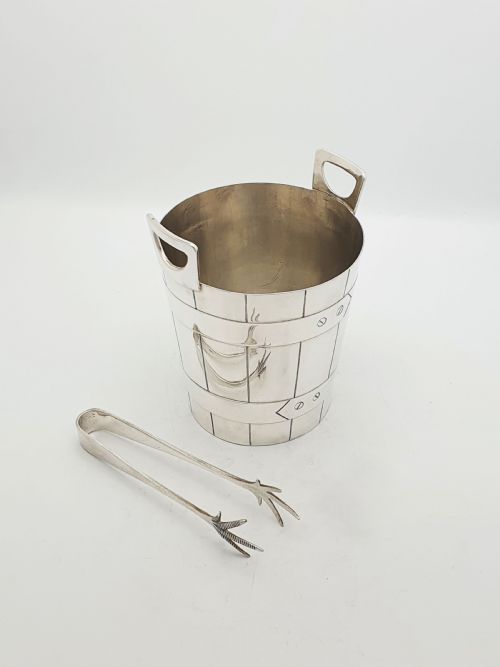
Vessels take many forms, from simple cylindrical barrels and twin-handled coolers to novelty designs incorporating cut glass liners, crests, and coats of arms. Makers applied these utilitarian objects to dining and entertaining across Georgian, Victorian, Edwardian, and Art Deco eras. French and English origins predominate, though Italian and general European pieces also appear.
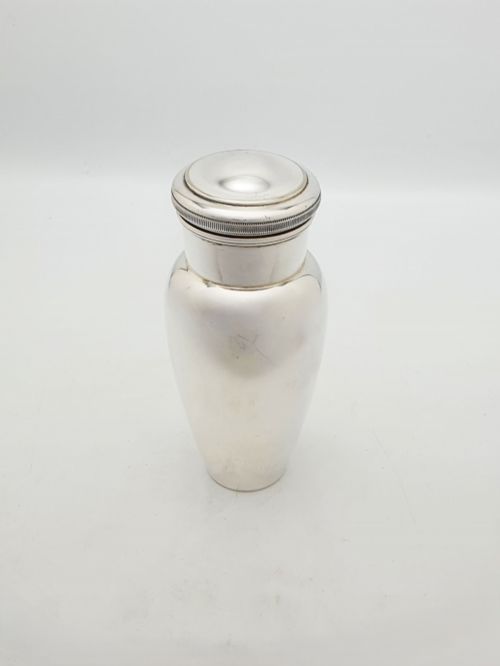
While the literal search phrase points to flat glass plates used for ice or sweetmeats, the wider category encompasses barware, cocktail shakers, and large floor-standing champagne coolers. Buyers must look closely at the specific object type listed, as nineteenth-century coolers and twentieth-century ice buckets share the same broader marketplace.
How they were made
Makers utilised metal techniques such as silver plating and Old Sheffield plate, fusing silver onto copper bases before the advent of electroplating. Later manufacturers applied silverplate directly onto metal or copper foundations, adding cast mounts, handles, and applied crests by hand.
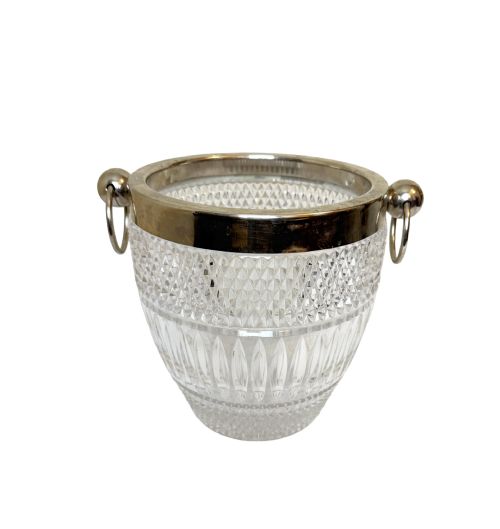
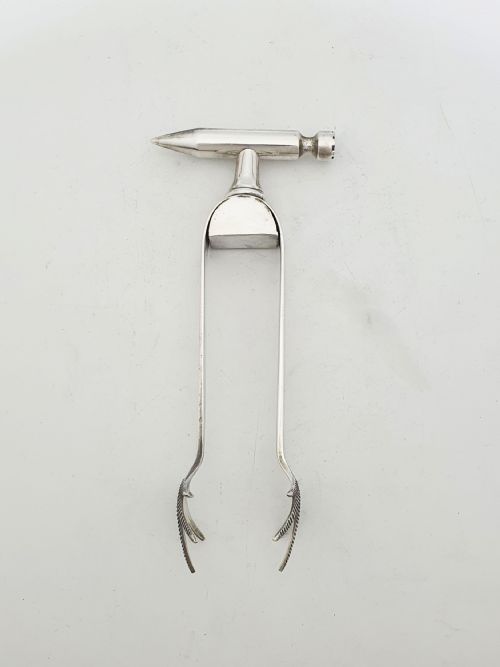
Glass pieces rely on free-blowing and deep cutting techniques, creating heavy crystal sweetmeat dishes and liners designed to withstand cold temperatures. Combinations of cut glass and silver-plate unite these two primary materials, pairing transparent vessels with fitted metal rims, swing handles, and tongs.
Listings span periods from Georgian and Victorian eras through Art Deco to the 1950s, using silver plate, copper, and cut glass.
What varies in quality
Quality rests upon the crispness of the chased decoration, the weight of the metal, and the depth of the glass cutting. Pieces featuring hand-engraved crests, cast figural handles, and substantial Old Sheffield plate rise above simpler electroplated items.
The integration of materials dictates value, particularly where original cut glass liners match their silver-plated mounts without replacement. Maker attribution also separates standard production items from marked works by notable firms.
Hutton Sheffield·Christofle·Elkington Mason And Co·WMF·Mappin And Webb·Barker Ellis
The Antique Ice Plates Glossary
- Old Sheffield Plate
- An early fusing technique where a sheet of silver is melted onto a copper core before rolling. This method leaves a characteristic thin line of copper visible at the edges.
- Sweetmeat
- A small confection or sweet served on specialised glass plates during the eighteenth and nineteenth centuries. These shallow dishes held sweetmeats or ice for wealthy diners.
- Silver Plate
- A layer of silver applied over a base metal, commonly copper or nickel silver, which became the dominant manufacturing method after the mid-nineteenth century.
- Cut Glass
- Glass decorated by grinding facets and patterns into the surface using a rotating wheel. Deeply cut crystal adds heavy brilliance and weight to ice pails and liners.
Antique Ice Plates: Frequently Asked Questions
What are ice plates used for?
These glass plates served sweets, sweetmeats, or ice at the formal dining table during the Georgian and Victorian eras.
They allowed hosts to present chilled delicacies to guests before modern refrigeration transformed domestic dining habits.
How do I clean silver-plated ice buckets?
Clean silver plate gently using a soft cloth and dedicated silver polish designed to protect the plated surface.
Avoid harsh abrasives that wear through the thin silver layer down to the underlying copper or base metal.
Are glass ice plates safe to use?
Antique glass pieces function well for cold service, though thermal shock from boiling water should be avoided.
Hand washing preserves the fragile blown crystal and prevents accidental damage in modern dishwashers.
How do I date Old Sheffield plate?
Old Sheffield plate production generally dates from the late eighteenth century through the mid-nineteenth century.
Visible copper seams at raw edges and hand-hammered construction details help distinguish these early pieces from later electroplate.