



Antique Ice Pail
An antique ice pail brings historical table service home, holding ice or chilling wine with period distinction.
Antique Ice Pail
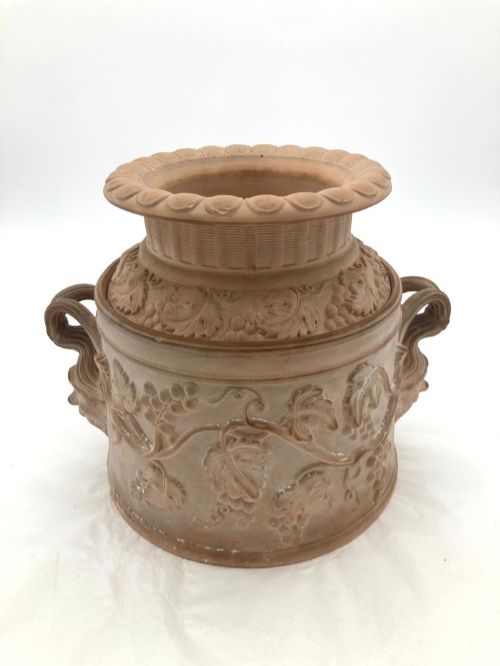
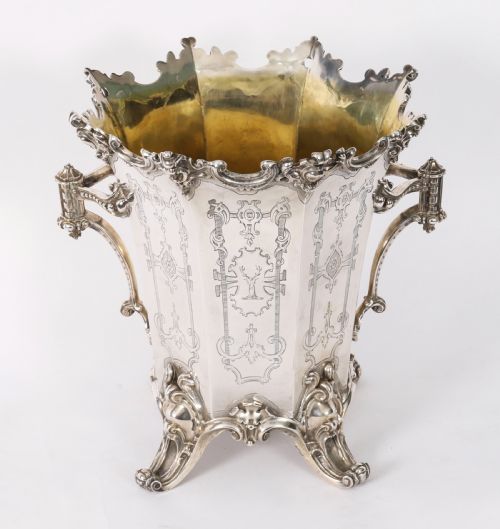
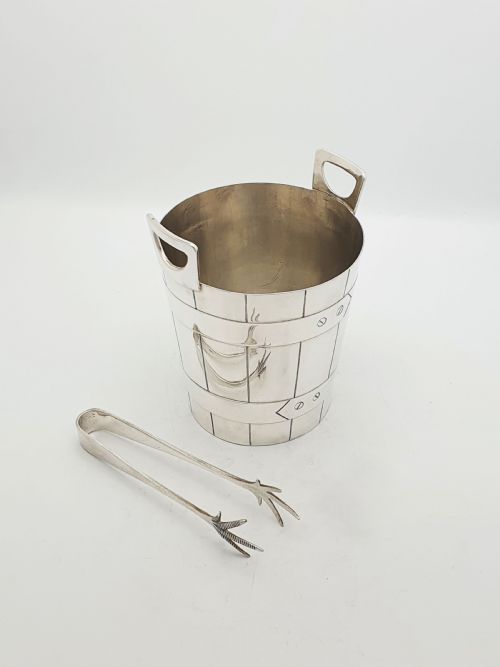
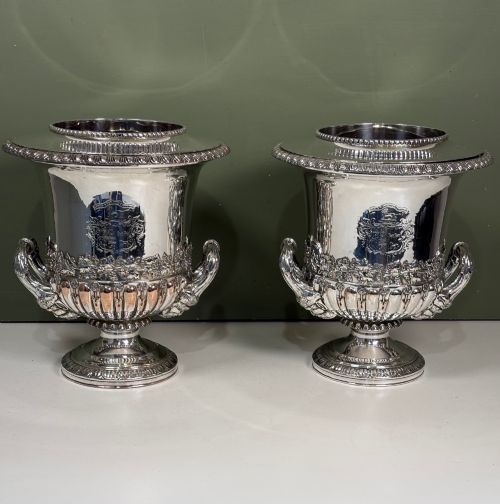
When you search for an antique ice pail, you encounter vessels designed to keep ice or cool wine at the dining table, spanning forms such as champagne coolers, biscuit barrels, and wine coolers. The selection draws on periods from the Georgian era through the Regency and Victorian years into the mid-century, reflecting changing social dining habits.
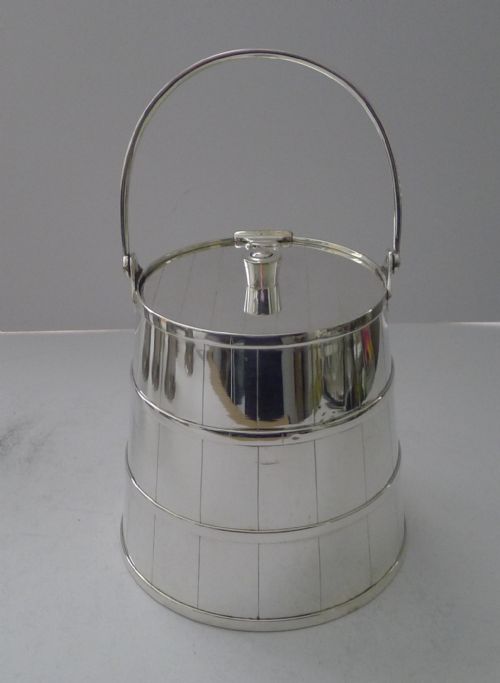
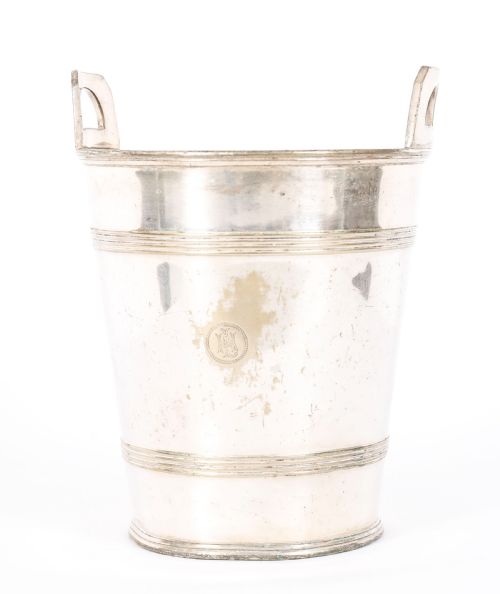
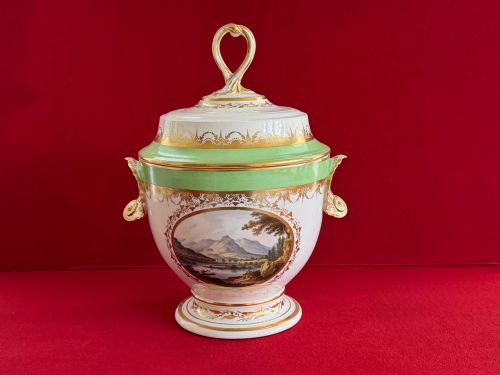
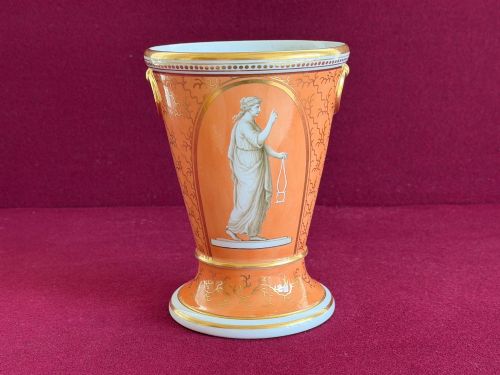
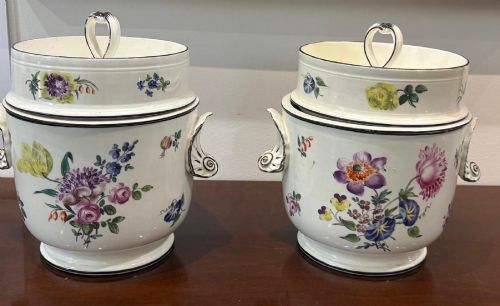
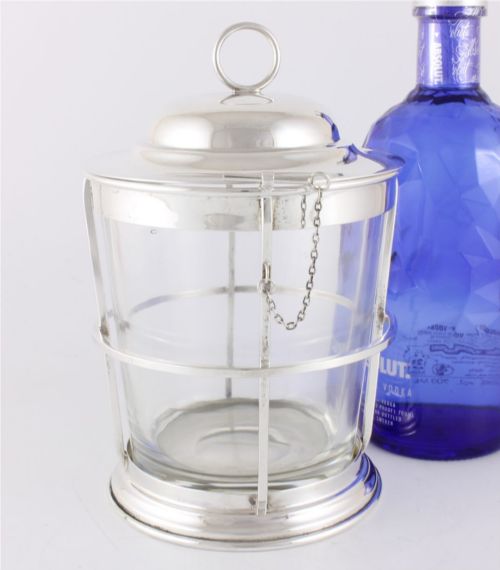
The pieces appearing on this page range from porcelain vessels painted by notable factories to silver-plated barrels, glass buckets, and mahogany stave-built pails with brass bands. These items served dining rooms, drawing rooms, and sideboards across Britain, France, and Italy.
Porcelain examples from Worcester and Derby sit alongside silver-plated creations from Sheffield and Paris, offering a broad spectrum of domestic and hospitality history. Buyers find both individual pails and matched pairs, suited for display or practical entertaining.
Materials and construction
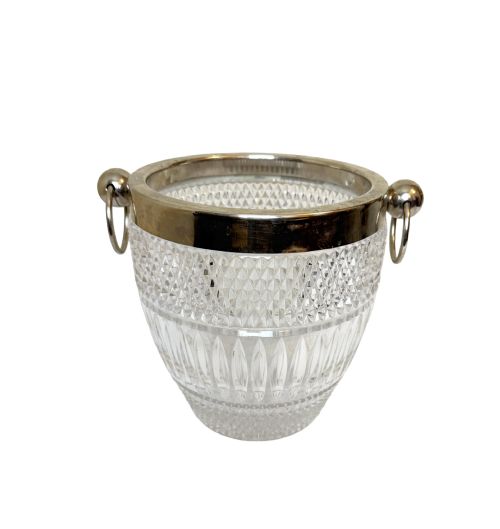
Makers shaped these vessels using silver plate, Old Sheffield plate, and sterling silver, alongside ceramics such as porcelain, creamware, terracotta, and enamel. Timber pails utilised oak or mahogany, frequently reinforced with brass bands, while glass examples featured heavy cut crystal and fitted liners.
Techniques varied by medium, combining silversmithing, hand-painting on porcelain, and cooperage for wooden items. Many silver-plated pieces employed applied mounts, embossing, and cast handles, while glass bodies relied on deep cutting and moulding.
Listings feature items spanning the Georgian, Regency, Victorian, and mid-century periods, constructed from silver plate, porcelain, glass, and mahogany.
Quality and execution
Quality rests upon the crispness of execution, whether in the depth of crystal cutting, the precision of silver-plating, or the hand-painted detail on porcelain bodies. The weight of the metal and the integrity of fitted glass liners or ceramic inserts distinguish standard production from superior workshops.
Design sophistication also sets examples apart, seen in cast mounts shaped as talons, dolphins, or heraldic coats of arms. Maker attribution to notable silversmiths or porcelain factories elevates the standing of a piece within its period.
Hutton Sheffield·Flight and Barr·Davenport·Chamberlain Worcester·Elkington Mason and Co·Matthew Boulton and Co·Atkin Brothers·Christofle·Macabo
The Antique Ice Pail Glossary
- Old Sheffield plate
- A method of fusing a thin sheet of silver to a copper base before rolling and shaping, characteristic of late eighteenth and early nineteenth-century production. This technique leaves a subtle copper seam visible upon close inspection.
- Creamware
- A refined earthenware developed in Yorkshire during the eighteenth century, known for its warm cream-coloured glaze. It provided an affordable yet elegant alternative to porcelain for dining vessels.
- Biscuit barrel
- A covered ceramic or silver-plated container utilised for holding dry biscuits or small cakes at the tea table. Many share similar cylindrical barrel forms with ice pails of the late Victorian era.
- Jardiniere
- An ornamental pot or stand designed to hold growing plants or flowers indoors. Several pieces share construction methods and materials with wine coolers.
- Lead crystal
- Glass manufactured with a high lead content, producing heavy vessels with high refractive qualities and deep brilliant-cut patterns. It is frequently paired with silver-plated rims and handles.
Antique Ice Pail: Frequently Asked Questions
What is the difference between an ice pail and a wine cooler?
Ice pails were traditionally built to hold ice for table use, while wine coolers accommodated bottles with or without water and ice.
In practice, many forms overlap across the Georgian and Victorian periods, with similar proportions and metal liners used for both purposes.
How do I care for a silver-plated ice pail?
Silver plate requires gentle cleaning with a non-abrasive polish to preserve the underlying metal layers.
Avoid immersing wooden or leather-bound pails in water, wiping them down with a damp cloth instead.
Were these pieces used for everyday dining?
Most antique ice pails belonged to affluent households where formal dining required dedicated silver and porcelain service.
They appeared primarily during dinner parties, balls, and large gatherings rather than daily family meals.