



Antique Wine Cooler Pail
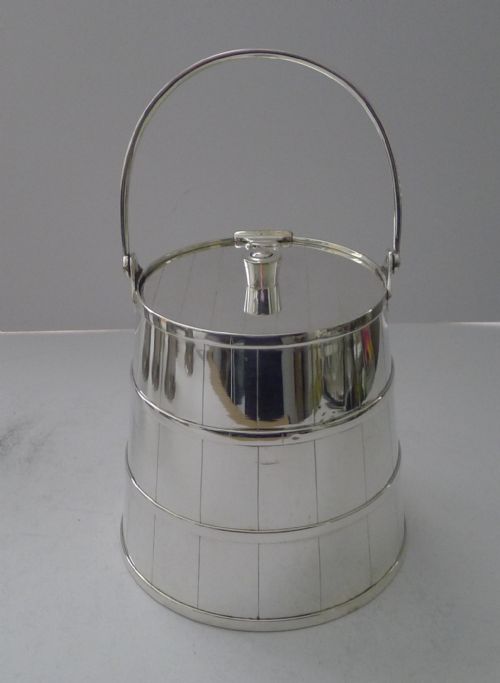
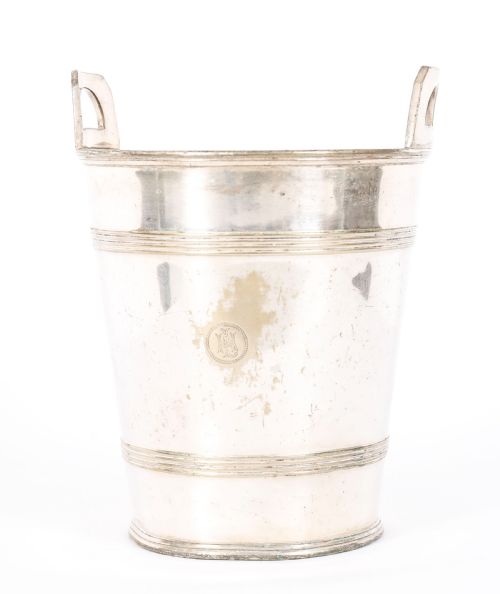
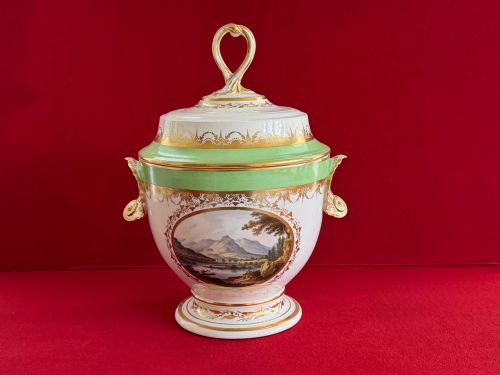
An antique wine cooler pail holds ice, champagne or wine at table, drawing the eye with polished timber, silver plate or porcelain.
Antique Wine Cooler Pail
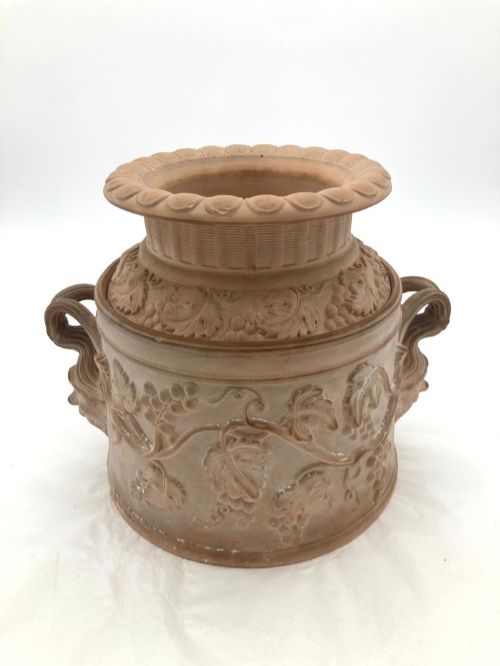
When you search for an antique wine cooler pail, you enter a field spanning timber cooperage, metal plate and ceramic vessels designed to chill or hold wine and ice.
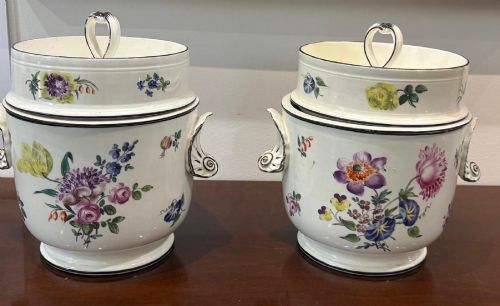
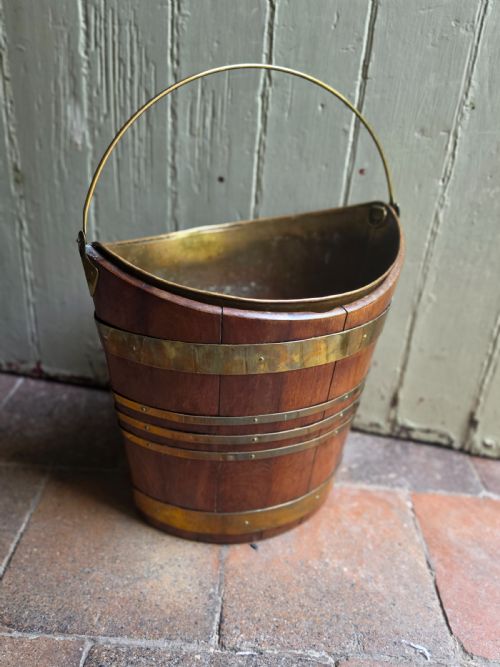
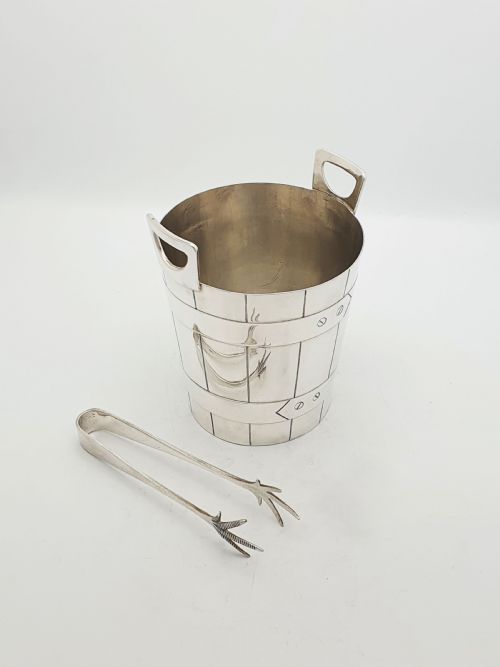
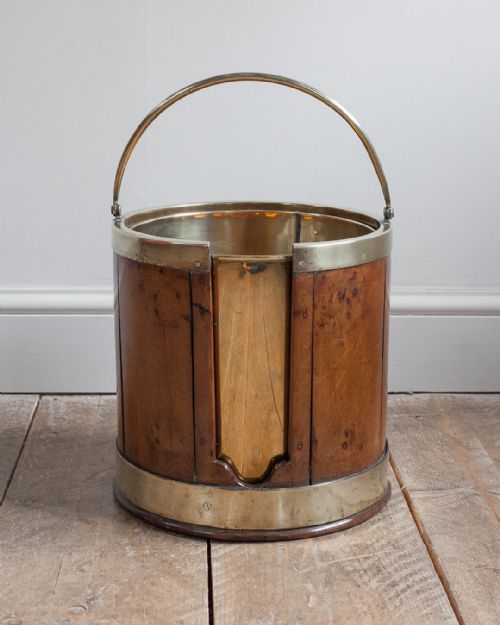
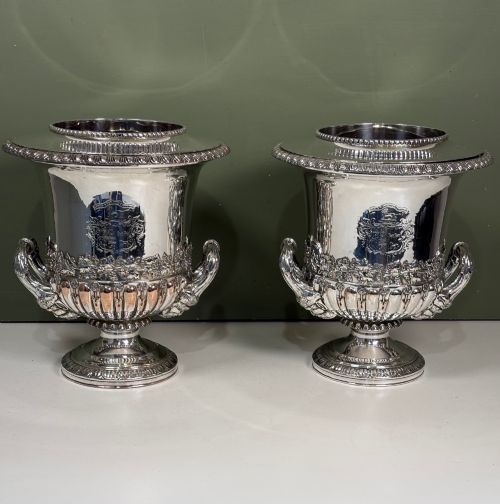
The versions most common on this page range from Georgian mahogany staved buckets bound in brass to silver-plated champagne coolers and porcelain ice pails from the Regency and Victorian eras.
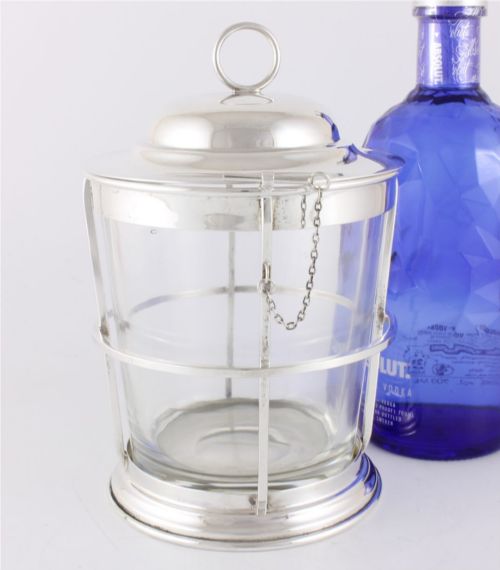
Makers and factories represented include Sheffield silver smiths and Worcester porcelain works, alongside novelty forms like barrel buckets and ship's lanterns.
Materials and construction
Timber pails rely on traditional cooperage, binding seasoned mahogany, oak or walnut with heavy brass hoops and handles.
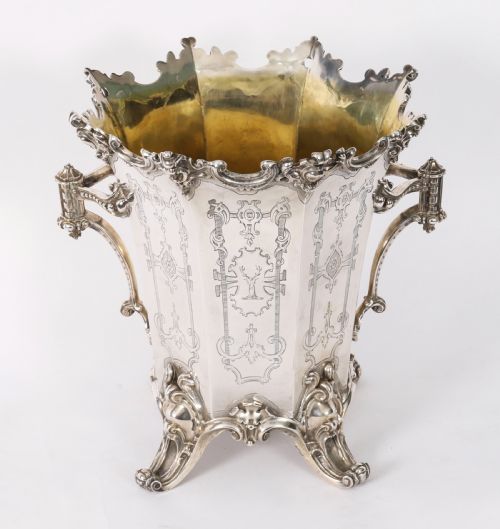
Metal examples employ silver plate over copper, Old Sheffield plate, or cast sterling silver, often featuring embossed decoration, applied coats of arms or cast handles.
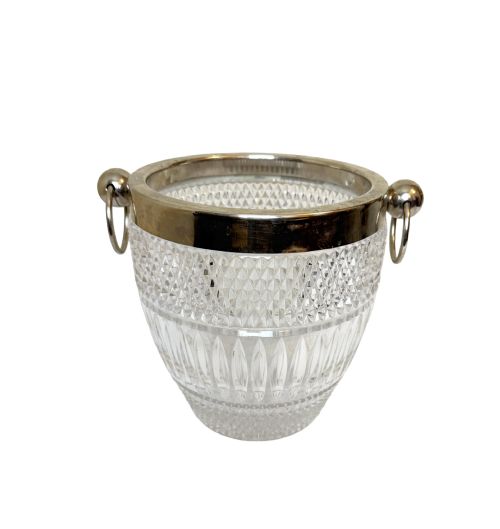
Ceramic and glass vessels utilise creamware, porcelain or heavy cut crystal, sometimes paired with fitted silver-plated rims, liners or draining spoons.
Materials span mahogany, oak, silver plate, brass, porcelain, enamel, glass, silver and copper across multiple centuries.
Assessing quality and merit
Quality rests on the integrity of the original construction, whether that means tightly fitted wood staves on a brass-bound bucket or crisp, deep casting on a silver-plated cooler.
The presence of maker marks from notable workshops, original liners, matching pairs and authentic armorial engravings elevate a piece above standard domestic utilitarian ware.
Hutton Sheffield·PH Vogel·Elkington Mason And Co·Chamberlain Worcester·Dawson·Matthew Boulton And Co·Flight Barr And Barr·Luc Lanel For Christofle·Macabo
The Antique Wine Cooler Pail Glossary
- Old Sheffield Plate
- A composite metal formed by fusing a sheet of silver to a copper base, typical of the late 18th and early 19th centuries. This technique produces a warm, rich tone as the underlying copper occasionally shows through at the edges.
- Creamware
- A fine earthenware developed in Yorkshire during the 18th century, prized for its pale yellow glaze. It was frequently painted with botanical or heraldic motifs on table ice pails.
- Cooperage
- The craft of making wooden staved vessels, bound with metal hoops. This method was essential for heavy wine and plate buckets.
- Ice Pail
- A lidded vessel designed to keep ice cool at the dining table before domestic refrigeration. Many double as wine coolers or biscuit barrels in the listings.
- Sterling Silver
- A silver alloy containing 925 parts of silver per thousand, marked with assay office hallmarks for standard purity. It forms the most precious wine coolers.
Antique Wine Cooler Pail: Frequently Asked Questions
How were antique wine coolers used?
These vessels stood beside the dining table to chill bottles in ice water or hold ice for service. Coopers built the timber versions to be sturdy enough for heavy bottles and sloshing water.
Later silver-plated and porcelain examples moved onto the dining surface itself, often featuring fitted liners to protect the interior from moisture and meltwater.
How do I care for silver plated buckets?
Clean silver plate and Old Sheffield plate gently with a soft cloth and a dedicated silver polish to avoid wearing through the thin silver layer to the base metal.
Keep wooden staved buckets away from direct heat sources and excessive moisture to prevent the timber from warping or the brass hoops from loosening.
Are porcelain ice pails waterproof?
Glazed porcelain and creamware bodies hold liquids safely, though historic ceramic vessels benefit from gentle handling rather than heavy commercial use.
Many ceramic ice pails were designed to hold ice rather than submerge bottles directly, so checking the interior glaze helps determine daily utility.
How do I distinguish Regency from Victorian pieces?
Regency coolers often display neoclassical restraint, clean lines, and crisp casting associated with makers like Matthew Boulton. They lean towards architectural forms and refined mahogany grain.
Victorian pieces frequently embrace heavier ornamentation, rococo revival scrolls, and heavily embossed surfaces that reflect mid-19th-century manufacturing capabilities.