


Silver Plated Ice Pail
A silver plated ice pail brings weight and polish to a gathering, holding ice or chilling wine with lasting durability.
Silver Plated Ice Pail
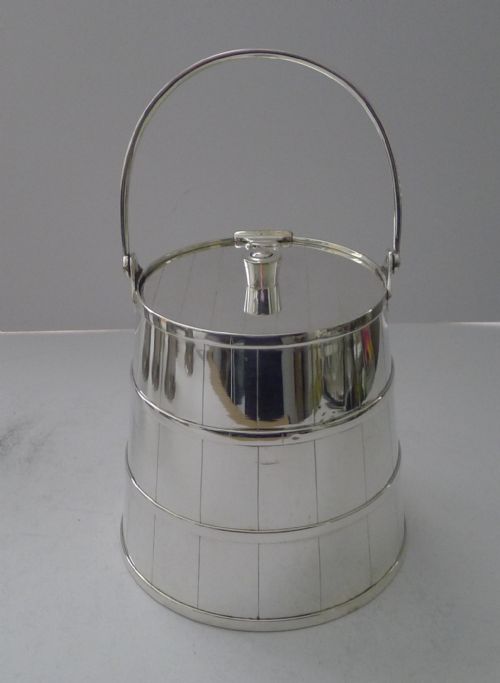
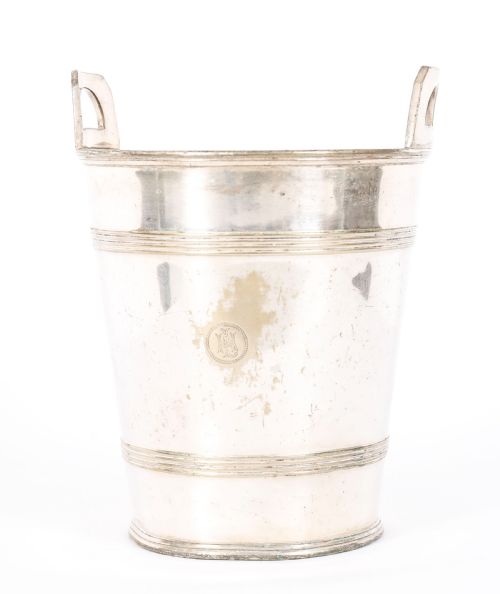
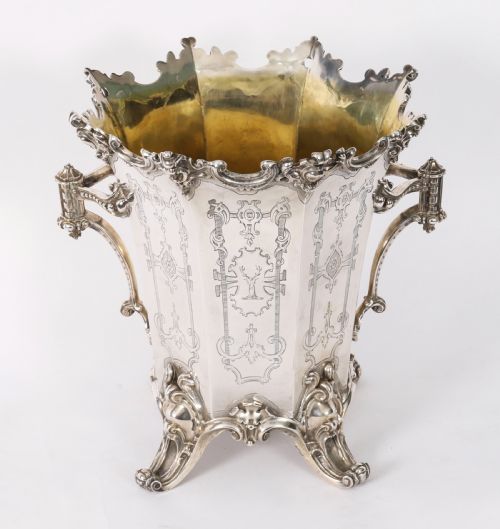
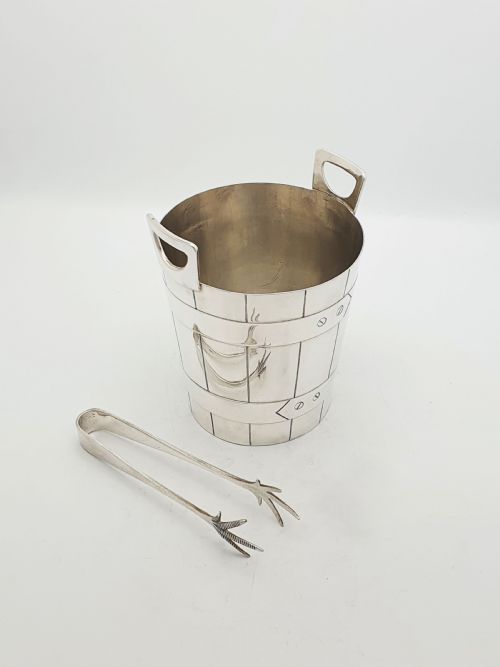
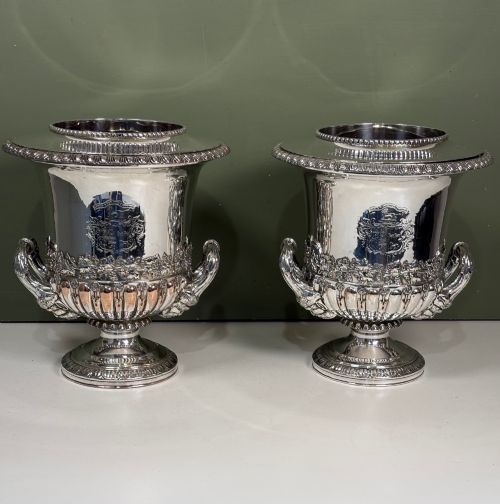
A silver plated ice pail is a vessel designed to hold ice or cool wine, appearing across periods from the nineteenth century through the mid twentieth century. Buyers seeking this phrase encounter forms ranging from simple cylindrical buckets to elaborate wine coolers, champagne buckets, and novelty biscuit barrels.
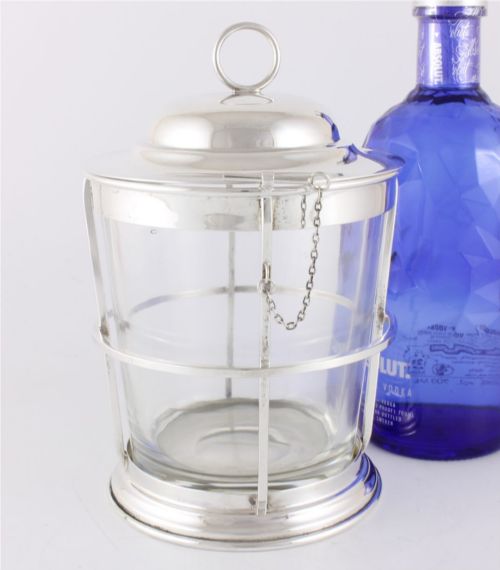
The selection includes nineteenth century Victorian and Regency pieces alongside Edwardian designs, progressing into Art Deco and mid twentieth century creations. Many examples incorporate liners made from cut glass, lead crystal, ceramic creamware, or glass lamp components.
Makers and workshops across England, France, and Italy produced these pieces in styles spanning Victorian Rococo Revival, Italian Neoclassical, and Modernist designs. Oak bodies banded in silver plate also appear frequently alongside standard all metal constructions.
Materials and construction methods
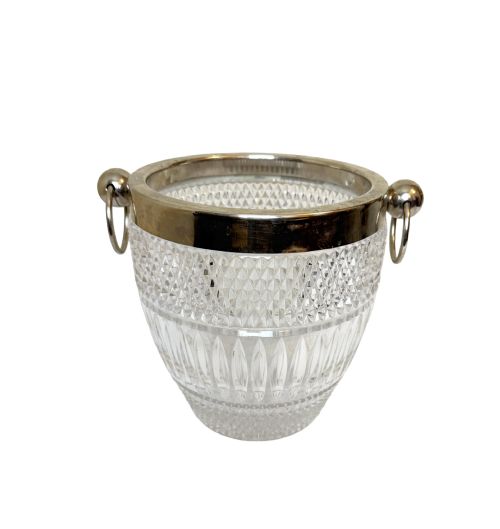
Makers utilised silver plate or Old Sheffield plate applied over copper or base metals, combining metallic durability with rich surface finishes. Heavy lead crystal, cut glass, and ceramic liners were fitted inside the metal outer pails to hold ice and liquids securely.
Wood elements such as oak appeared in barrel and urn shaped designs, secured with silver plated bands and handles. Metalwork techniques involved heavy embossing, applied reeded bands, engraved crests, and cast decorative mounts like cherubs, dolphins, and claws.
Listings show ice pails paired with cut glass, lead crystal, ceramic creamware, and oak barrels across the Victorian, Edwardian, and Art Deco periods.
Judging quality and craftsmanship
Quality rests in the weight of the metal and the clarity of the cut glass or lead crystal liners. Substantial walls and thick crystal indicate higher manufacturing standards and durability.
The crispness of cast mounts, such as handles, feet, and decorative motifs, distinguishes finer workshops from mass production. Well executed engraving and intact silver plating over the underlying copper or base metal also signal superior pieces.
Hutton Sheffield·Elkington Mason And Co·Christofle·Matthew Boulton And Co·Macabo·Mappin And Webb
The Silver Plated Ice Pail Glossary
- Old Sheffield plate
- An early form of composite metal made by fusing a thin sheet of silver to a thicker copper ingot. This technique creates a distinctive appearance as the underlying copper occasionally shows through areas of wear.
- Lead crystal
- A heavy, high clarity glass containing metallic oxide that refracts light brilliantly. It provides thick, durable walls for ice pails and champagne coolers.
- Biscuit barrel
- A covered container used for storing dry provisions that often shares cylindrical or barrel forms with ice pails. Many antique examples are functionally interchangeable.
- Creamware
- A fine earthenware developed in the eighteenth century with a pale yellow or cream coloured glaze. It serves as a durable liner material in wooden and metal pails.
- Regency
- A British design period spanning the early nineteenth century characterised by classical restraint and refined proportions. Pieces from this era often display exceptional metalwork quality.
Silver Plated Ice Pail: Frequently Asked Questions
How do I clean a silver plated ice pail?
Wash the interior liner and metal surfaces gently using warm water and mild dish soap with a soft cloth. Avoid abrasive sponges or harsh chemical dips that strip the silver plate.
Dry the piece thoroughly immediately after washing to prevent water spots and tarnishing. Use a dedicated silver polishing cloth on the metal exterior only when necessary.
Were these always used for ice?
These vessels served multiple functions depending on their size and internal fittings. Many acted as champagne coolers, wine coolers, or general barware.
Some surviving forms were originally produced as biscuit boxes or dry storage containers before being utilised for ice. The inclusion of glass liners or draining spoons often indicates beverage service.
How can I tell Old Sheffield plate from later silver plate?
Old Sheffield plate was produced by fusing silver to a copper core before rolling the sheet. Examining the edges often reveals a thin copper seam where the metals join.
Later silver plate utilises electroplating, where a uniform layer of silver is deposited onto a base metal electrically. Electroplated items generally lack the distinct copper bleed lines seen on genuine Old Sheffield pieces.
Are crystal liners original to the pails?
Many pails retain their original fitted cut glass or lead crystal liners, which were custom made for the vessel. The glass should sit flush within the metal rim and match the period of the outer bucket.
Replacements do occur due to breakage over decades of use. Checking for consistent wear patterns between the glass and metal helps confirm originality.