


Antique Hunting Hound Sculpture
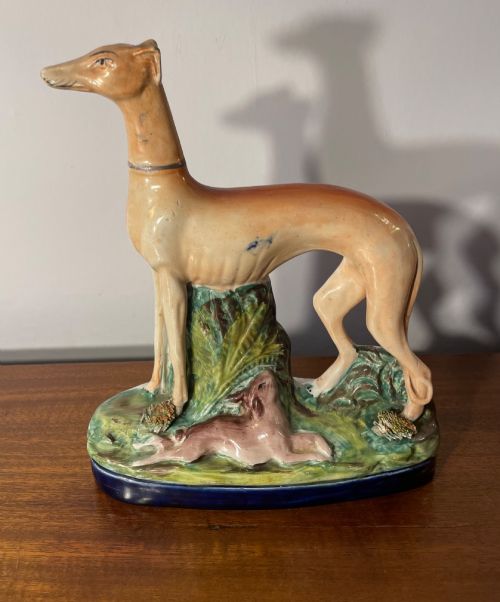
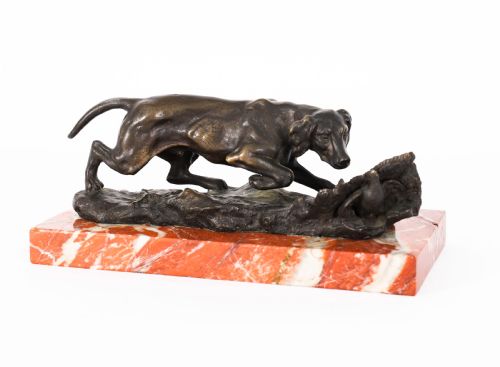
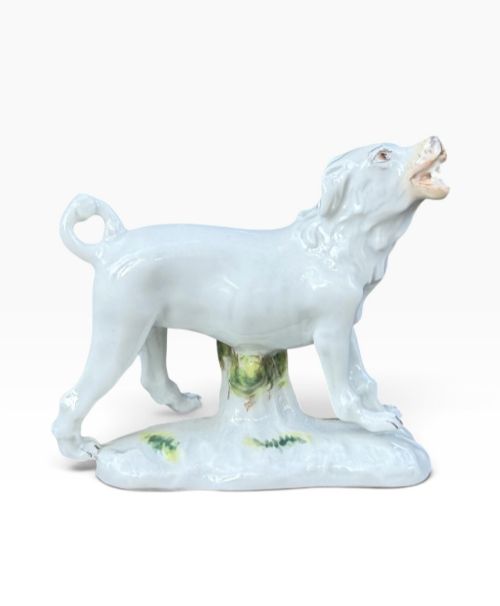
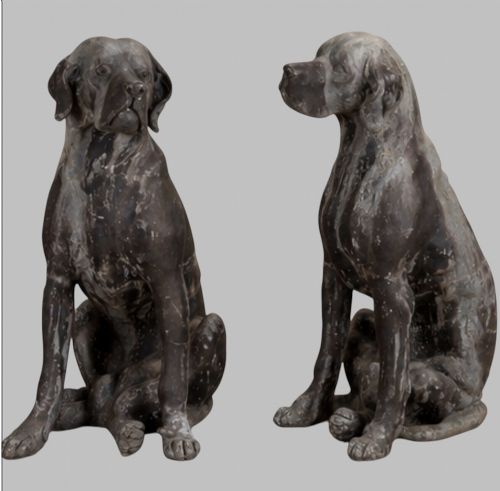
These antique hunting hound sculpture pieces capture the intensity of the chase in bronze, porcelain, and cast lead.

Antique Hunting Hound Sculpture
An antique hunting hound sculpture represents canine subjects connected to the field, drawing from nineteenth-century animalier traditions and later decorative movements.
The version most frequently met on this page is the nineteenth-century bronze figure, often mounted on a marble base and styled in the French animalier manner.
Works span small mantel ornaments to large garden statues and pairs of cast lead hounds, showing setters, greyhounds, and basset hounds at rest or alongside game.
Materials and construction methods
Foundry work relied on traditional metalcasting techniques to shape bronze and spelter figures, frequently finished with patination and combined with marble plinths or ormolu mounts.
Ceramic examples utilised porcelain and earthenware bodies, shaped by factories and potteries before receiving glaze and hand-painted details.
Lead pieces were cast for outdoor placement, designed to weather in gardens while retaining their distinct seated forms.
Several hounds share the room with pheasants and game, frozen mid-hunt without disturbing the household.
Distinctions in quality
Quality rests in the anatomical precision of the musculature and the subtlety of the surface chase work on metal casts, distinguishing skilled animalier modelling from generic production.
In ceramics and porcelain, the crispness of the mould and the control of the glaze determine the fidelity of the final dog figure.
The integrity of the material transition, such as the fit between a bronze sculpture and its marble base, marks superior workshop standards.
Carl Kauba·Thomas Parr·Enoch Wood factory·Antoine Louis Barye·Christophe Fratin·John Willis Good·Nikolai Lieberich·Royal Dux
The Antique Hunting Hound Sculpture Glossary
- Animalier
- A nineteenth-century artistic genre focused on the realistic depiction of animals, particularly predators and hounds. Sculptors in this tradition studied anatomy closely.
- Spelter
- A zinc alloy used as a less costly alternative to bronze, frequently painted to simulate metal finishes in Art Deco figures.
- Parian
- A fine-grained white ceramic material resembling marble, used extensively during the nineteenth century for portrait busts and animal figures.
- Ormolu
- Gilt bronze mounted onto decorative objects or sculptures to provide contrasting metallic highlights.
Antique Hunting Hound Sculpture: Frequently Asked Questions
How do I identify French animalier bronzes?
French animalier bronzes are characterised by naturalistic poses and detailed musculature, reflecting the nineteenth-century focus on wildlife and working dogs. Many bear signatures or foundry stamps on the casting.
These pieces often sit on heavy marble bases, giving them stability and a distinct period aesthetic suitable for display on desks or mantelpieces.
Where should I place a lead hound?
Cast lead hounds are heavy, robust pieces traditionally intended for garden placement or terraces. They withstand outdoor conditions well while developing a natural patina over time.
Ensure the ground or plinth is level to support their weight securely.
What is the difference between bronze and spelter?
Bronze is a durable copper alloy that takes a deep patina and holds sharp casting details. Spelter is a softer zinc alloy that appeared frequently in later decorative pieces.
Spelter figures are lighter and often rely on applied paint finishes rather than chemical patination.