



Bronze Animalier Hound Ornament
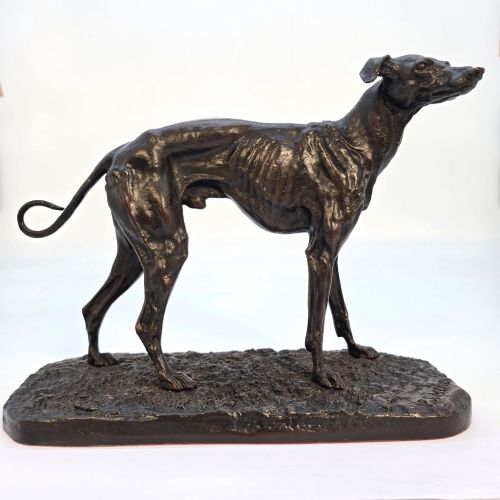
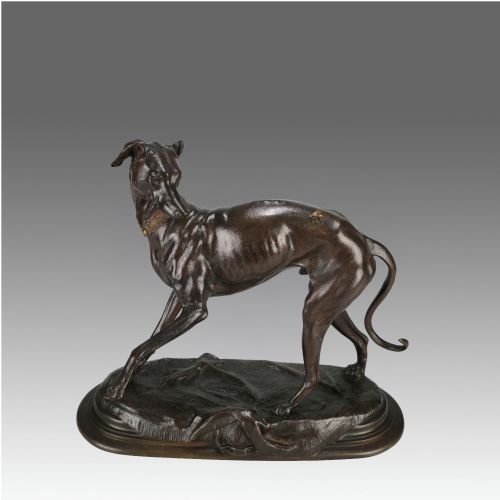
A bronze animalier hound ornament captures nineteenth-century naturalism in metal, bringing the sculptural energy of the hunt straight into a room.

Bronze Animalier Hound Ornament
A bronze animalier hound ornament represents nineteenth-century sculptural studies of dogs, spanning subjects from greyhounds and setters to basset anglais. These works emerge within the animalier tradition, frequently taking the form of free-standing sculptures and statuary.
The versions most commonly met on this page originate from nineteenth-century France and Britain, dating across the Victorian era from eighteen-sixty to nineteen-hundred. They depict hounds alone or interacting with prey such as birds and flies, mounted on materials like marble or cast directly as patinated bronze figures.
How they were made
These sculptures utilise bronze cast through traditional foundry methods, finished with patination to create tonal depth across the surface. Many pieces incorporate integral bases of marble or take the alternative form of robust cast iron statuary.
Foundries such as Barbedienne cast works for prominent sculptors, applying careful hand-chasing to define musculature, fur texture, and naturalistic details after the metal cooled.
Bronze Animalier Hound Ornament Retail Price Guide 2026
Typical asking prices for bronze animalier hound ornament among the pieces listed under this phrase on Sellingantiques today, from the lower quarter to the upper quarter. They describe what is for sale here now, not the wider market.
One hound shares its bronze moment with a persistent fly, captured mid-settle on the floor.
What varies in quality
The distinction between tiers of work rests in the sharpness of the casting and the fidelity of the post-cast chasing. Finer examples retain crisp musculature and subtle textural nuances in the fur, whereas lesser pieces lose detail during the casting process.
The nuance of the patination and the quality of the foundry signature or artist attribution elevate certain casts. The integration with secondary materials, such as a fitted marble base, also marks the distinction in finished presentation.
Alfred Barye·Pierre Jules Mene·Auguste Nicholas Cain·Arthur Waagen·Joseph Francois Victor Chemin·Alfred Dubucand·Barbedienne·L Bureau
The Bronze Animalier Hound Ornament Glossary
- Animalier
- A nineteenth-century sculptural movement focused on the realistic depiction of animals. Practitioners studied live subjects in menageries to capture authentic movement and anatomy.
- Patinated bronze
- Bronze treated with chemical solutions to produce a specific surface colour or tone. This finish protects the metal and highlights sculptural detail.
- Cast-chasing
- The manual refinement of a bronze casting using chisels and punches. This stage restores surface textures lost during the removal from the mould.
- Foundry mark
- A stamp or signature applied by the casting workshop to identify where a sculpture was produced. These marks help attribute unsigned or collaborative works.
Bronze Animalier Hound Ornament: Frequently Asked Questions
What is an animalier hound ornament?
An animalier hound ornament is a nineteenth-century bronze or cast iron sculpture depicting dogs in naturalistic poses. These pieces celebrate the anatomy and character of hunting breeds.
Created primarily during the Victorian period, these sculptures reflect a broader artistic fascination with realistic animal subjects.
How were these bronzes displayed?
Owners typically placed these sculptures on mantelpieces, desks, or library tables as decorative art. Their substantial weight from bronze and marble bases allowed them to function securely as ornaments.
Fireside statues also served a decorative role in nineteenth-century domestic interiors near hearths.
How do I identify the period?
Dating relies on stylistic markers associated with nineteenth-century animalier sculpture, alongside foundry stamps and artist signatures. The presence of specific patination techniques also points toward Victorian production methods.
Materials like matched marble plinths further help contextualize the production era between eighteen-sixty and nineteen-hundred.
Who made these sculptures?
Prominent nineteenth-century sculptors such as Pierre-Julien Mène, Alfred Barye, and Auguste-Nicolas Cain specialised in animal subjects. Specialised foundries then cast their modelled clay or wax figures into bronze.
Collaborations between artists and casting houses like Barbedienne produced editions ranging from signed studio pieces to broader foundry releases.