





Antique Hot Water Urn
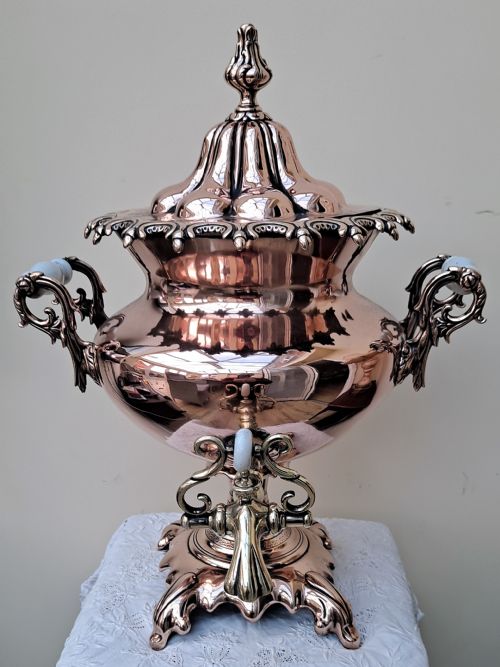
An antique hot water urn brings grand hospitality to the table, delivering heated water for tea or coffee with substantial presence.
Antique Hot Water Urn
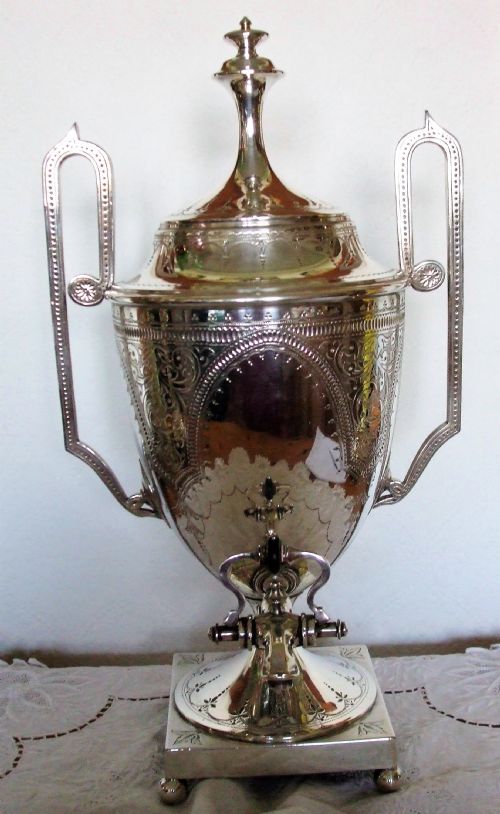
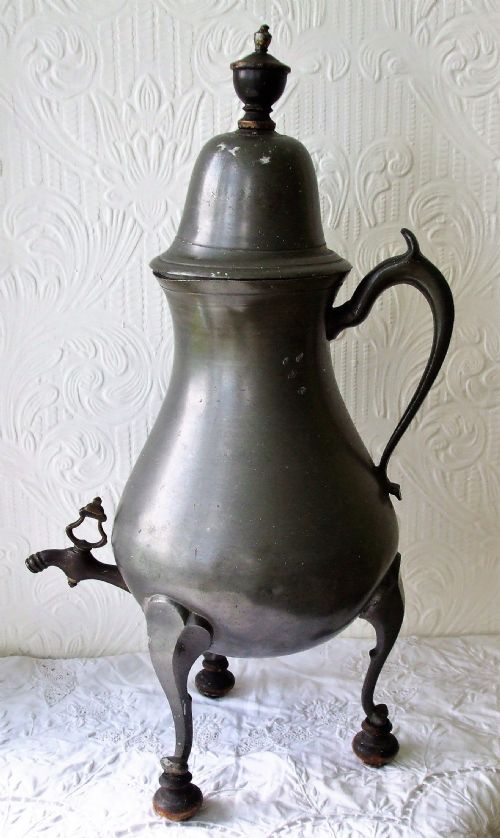
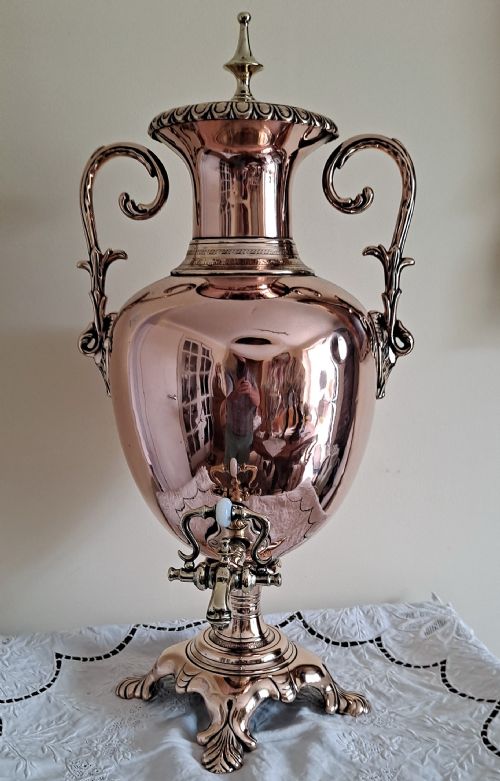
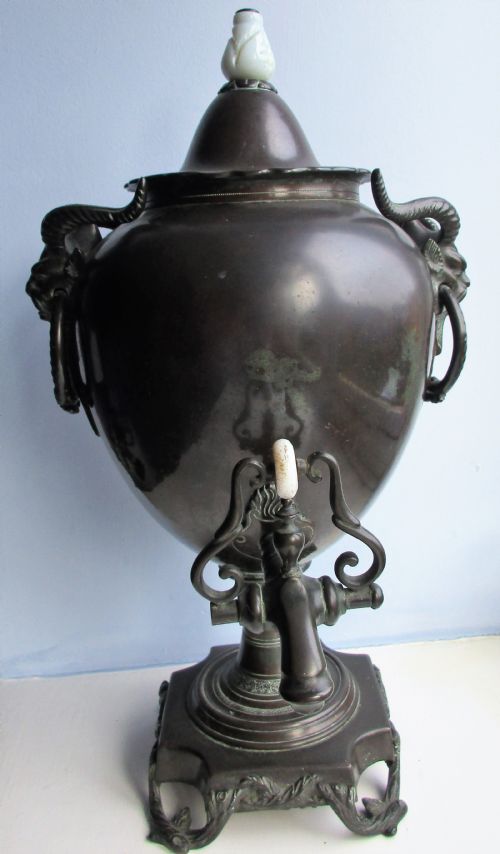
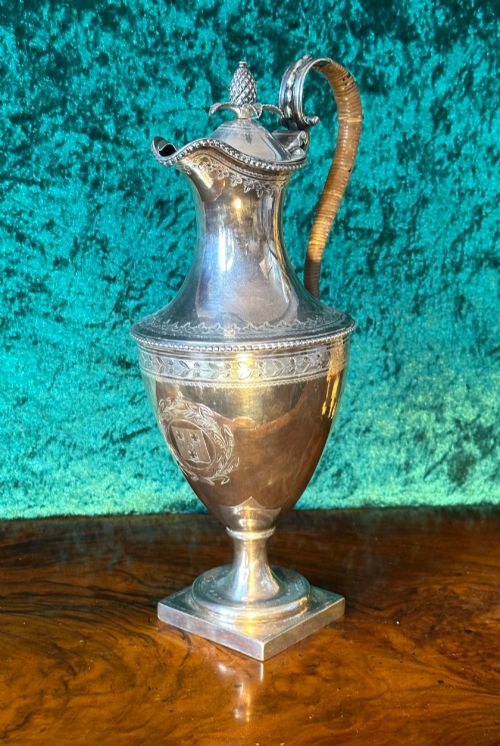
When you search for an antique hot water urn, you are looking at large vessels designed to heat and dispense water for social gatherings, spanning tea urns, samovars, and spirit kettles on stands.
The pieces on this page are most frequently found in Victorian and Georgian incarnations, alongside Edwardian and Regency examples.
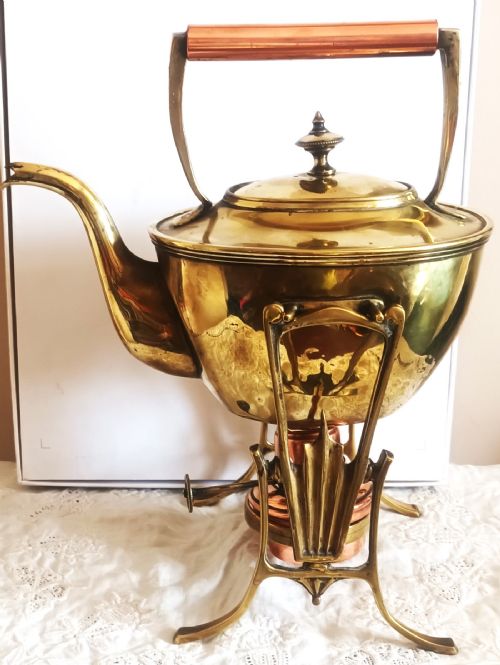
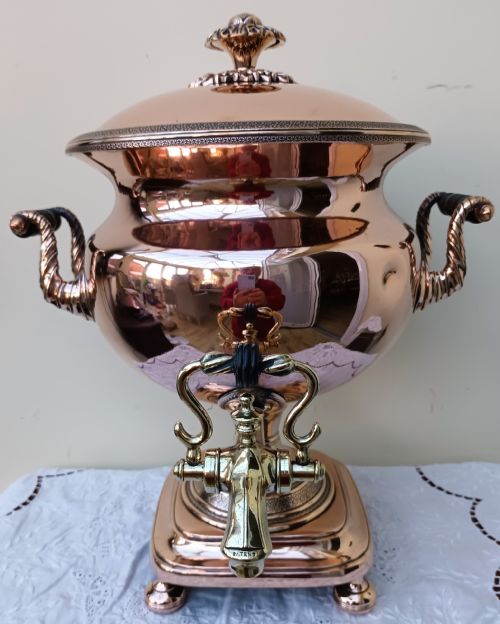
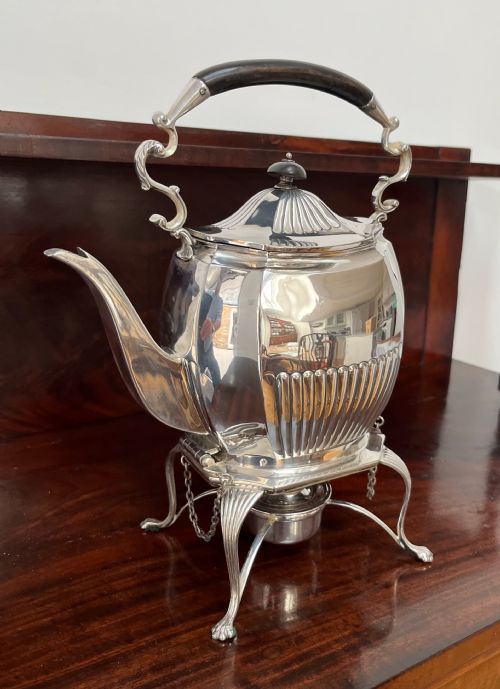
Forms range from tall brass and copper samovars with integral taps to delicate silver-plated spirit kettles equipped with their own burners.
Materials and construction
Makers fashioned these vessels primarily from heavy copper, brass, and silver plate, frequently pairing contrasting metals like brass handles or spigots against copper bodies.
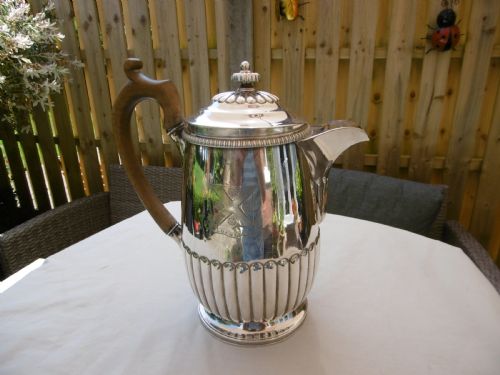
Silver-plated and sterling examples often incorporate bone or ebonised wood insulators on their handles to prevent heat transfer during use.
Construction techniques combine hand-beating, casting, and soldering, resulting in robust vessels designed for heavy domestic service.
Antique Hot Water Urn Retail Price Guide 2026
Typical asking prices for hot water urn among the pieces listed under this phrase on Sellingantiques today, from the lower quarter to the upper quarter. They describe what is for sale here now, not the wider market.
Some spirit kettles include tiny snuffer caps on chains designed to extinguish the burner flame with polite Victorian discretion.
Markers of distinction
Quality rests in the weight of the metal, the crispness of chased or engraved ornamentation, and the structural integrity of the internal heating tube and external tap.
Superior pieces retain all their original matched components, including burners, drip bowls, and fitted stands, rather than assembled replacements.
The articulation of handles and the refinement of cast feet distinguish utilitarian workshop production from exhibition-grade pieces.
William Soutter And Sons·Walker And Hall·Benetfink And Co·Matthew Boulton·John Hoyland·Paul Storr·Risler And Carré Paris·Frederik Ellis Tim And Co
The Antique Hot Water Urn Glossary
- Samovar
- A heated metal urn traditionally used to boil and heat water, featuring an internal central tube for charcoal or a heating element.
- Spirit Kettle
- A small kettle mounted upon a metal stand above a small spirit burner, used for maintaining water temperature at the table.
- Old Sheffield Plate
- A composite material formed by fusing a sheet of silver to a thicker copper base, common in pieces from the eighteenth and nineteenth centuries.
- Pontypool Ware
- A type of tin-plate or metalware decorated with japanned finishes, often seen on nineteenth-century tea urns.
- Coffee Biggin
- A tall coffee pot fitted with an internal fabric or metal straining bag or cylinder for percolation.
Antique Hot Water Urn: Frequently Asked Questions
What is a samovar?
A samovar is a metal urn designed to heat water, utilising an internal vertical tube for heating media or simply acting as a large reservoir with a tap.
These vessels sat upon dining or tea tables to provide a ready supply of hot water for large gatherings.
How do spirit kettles work?
Spirit kettles rest in dedicated metal stands that suspend the vessel above a small spirit burner filled with methylated spirits.
Lighting the burner maintains the water temperature throughout a lengthy tea service without returning to the kitchen.
How do I date an urn?
Dating relies upon stylistic markers, such as Georgian neoclassical symmetry versus Victorian ornamentation, alongside maker marks and manufacturing techniques.
Sheffield plating methods also help narrow the production era between the eighteenth and late nineteenth centuries.
Can I use these for tea?
While these pieces were originally built for domestic service, many buyers prefer to use them as decorative focal points rather than functional kettles.
Using antique silver-plated or copper vessels requires careful handling and checking the internal seals to ensure they hold water safely.