
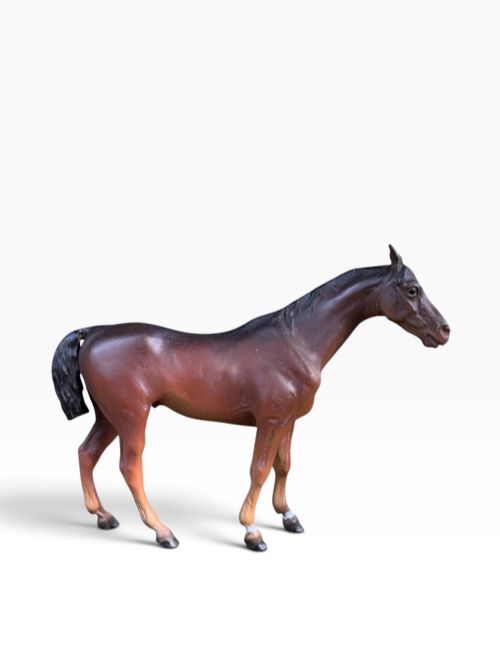
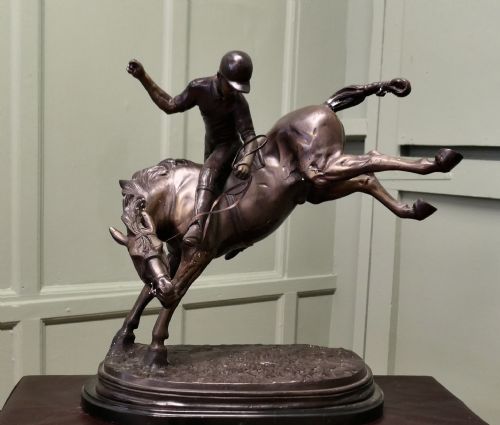
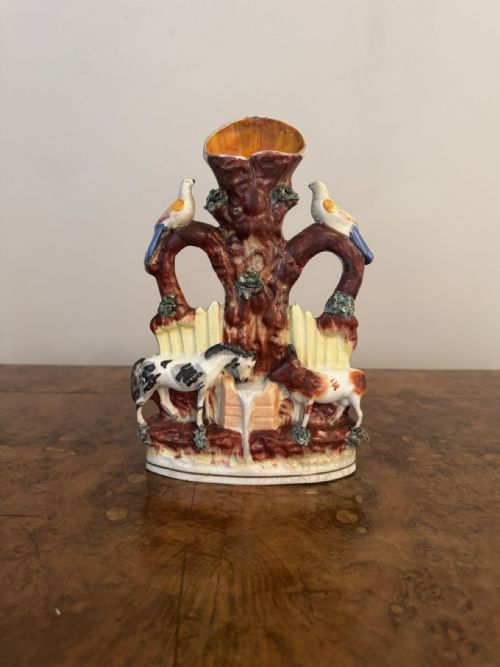
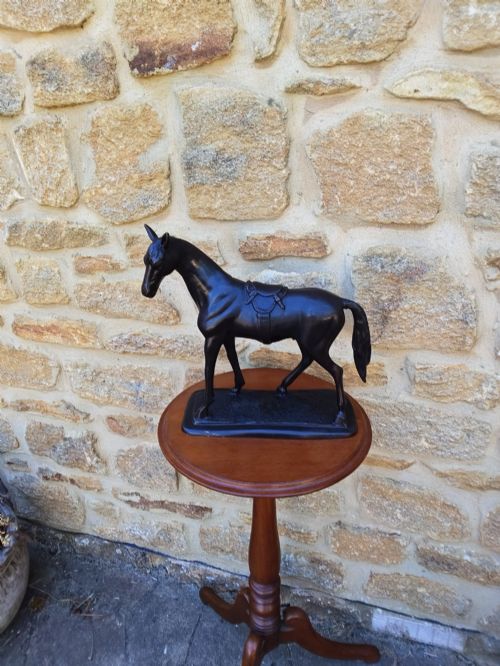
Antique Horse Ornament
An antique horse ornament brings dynamic equine energy into a room, spanning tactile Staffordshire pottery to finely cast bronze.
Antique Horse Ornament
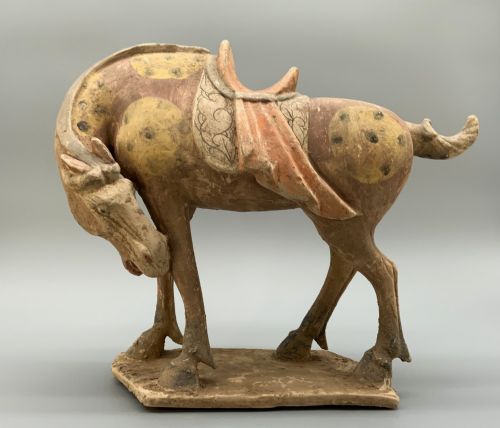
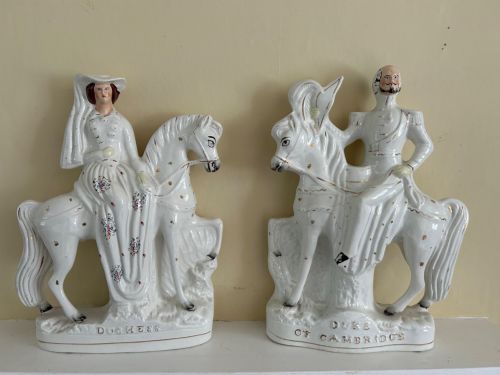
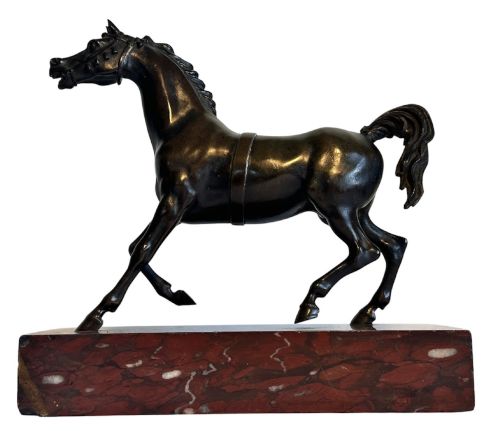
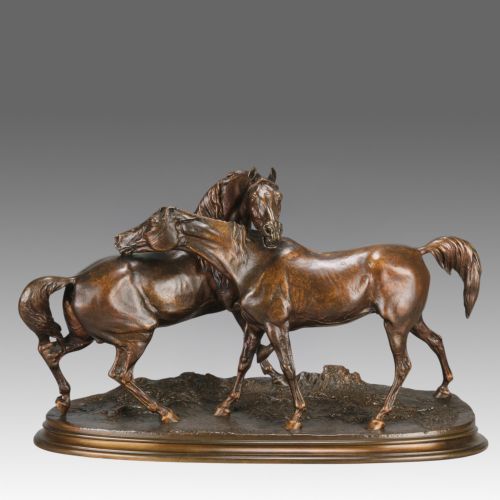
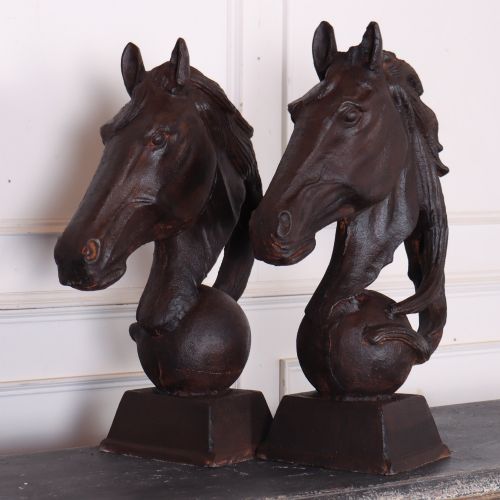
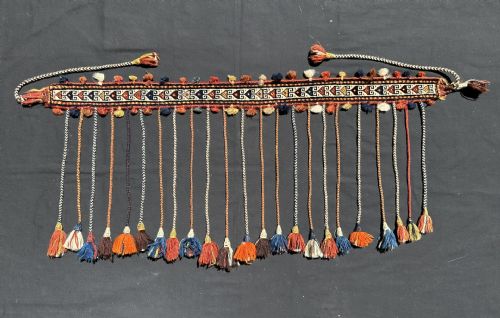
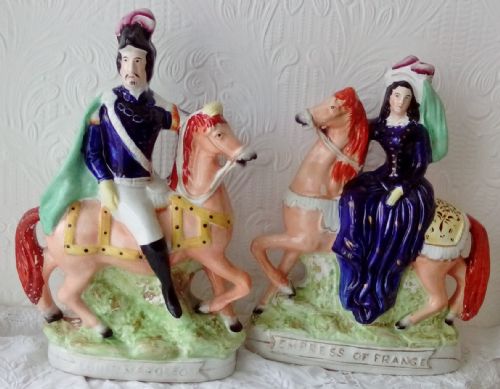
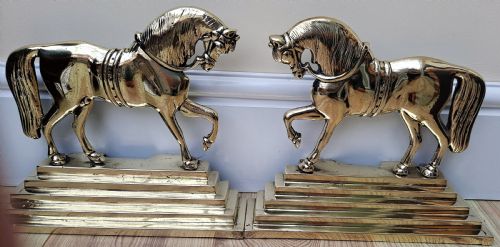
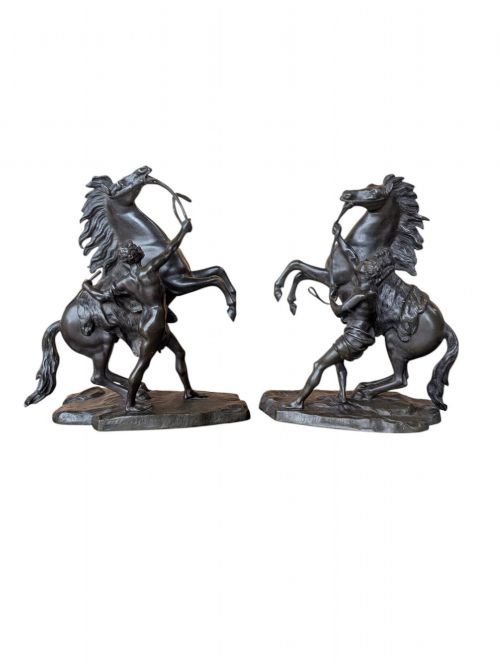
An antique horse ornament encompasses diverse decorative objects, from Victorian earthenware flatback figures and heavy brass doorstops to French animalier bronzes. Buyers exploring this category frequently encounter Staffordshire pottery depictions of royalty and historical figures alongside cast iron hitching posts and carved wooden sculptures.
The materials range widely across the nineteenth and early twentieth centuries, capturing subjects from polo players and racing winners to mythological beasts and pack animals. Pieces frequently originate from British potteries, French ateliers, and Asian kilns, reflecting distinct regional casting and glazing traditions.
Materials and Method
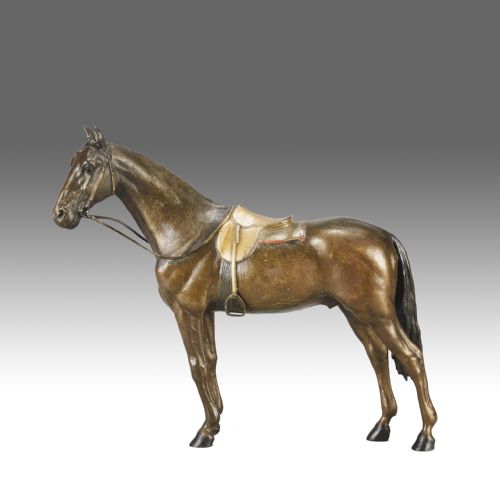
Casting metal utilises traditional foundry methods, resulting in substantial bronze, brass, and cast iron sculptures that often incorporate hand-chased details or cold-painted surfaces. Earthenware and porcelain examples rely on moulded clay bodies finished with vibrant glazes, enamel, or hand-painted decoration.
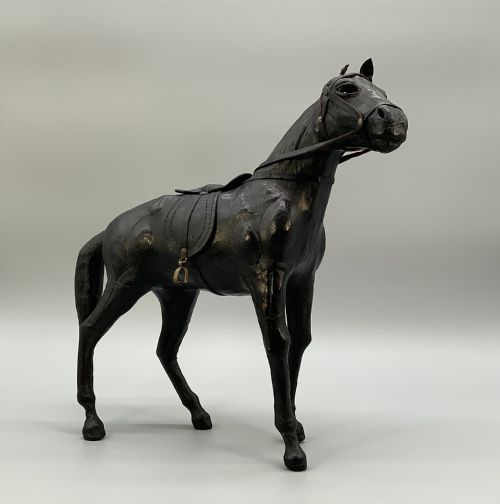
Carved pieces employ dense materials such as marble, jade-family hard stones, and wood, where makers shape the contours through manual carving and polishing. Glazed ceramic items utilise specialised kilns to achieve specific colour depths, particularly visible in sancai finishes.
Listings feature materials spanning bronze, earthenware, brass, marble, and carved hard stone.
Distinction in Craft
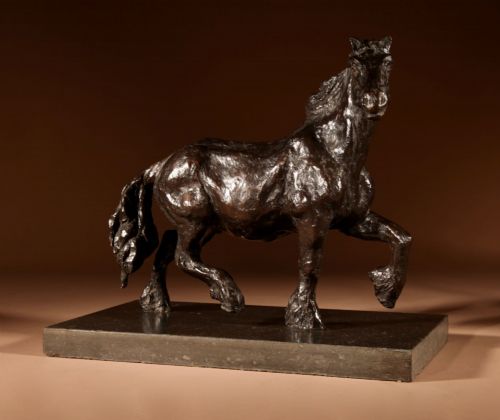
Superior examples demonstrate anatomical precision and confident modelling, where the musculature and movement of the animal appear convincing and lifelike. Detail in the chasing of metalwork or the crispness of a pottery mould separates finer studio outputs from mass-produced commercial items.
The integrity of original surfaces determines much of the visual success, whether through patinated bronze, intact enamel, or uncompromised ceramic glazes. Maker signatures and foundry marks further elevate pieces produced by noted sculptors or established kilns.
P J Mêne·Franz Bergman·Renee Sintenis·Charles Crozatier·Rene Lalique
The Antique Horse Ornament Glossary
- Animalier
- A nineteenth-century artistic movement focused on the realistic depiction of animals, particularly associated with French bronze sculptors. Artists in this tradition studied anatomy extensively to capture beasts in motion.
- Flatback
- A pottery figure moulded with a decorated front and a flat, unglazed or minimally painted reverse designed to sit against a wall. This technique was common in Victorian Staffordshire production.
- Cold-painted
- A method where bronze figures are painted with oil or enamel paints without undergoing a firing process. This delicate finish requires careful preservation to avoid flaking.
- Ormolu
- Gilded bronze, where a gold-mercury amalgam is applied to a bronze base. The technique creates a bright, rich golden surface typical of decorative mounts and statuettes.
- Spill vase
- A hollow ceramic figure incorporating a cylindrical holder designed to store wooden tapers for lighting fires or candles. These utilitarian items formed a staple of Victorian mantelpiece decoration.
Antique Horse Ornament: Frequently Asked Questions
How were antique horse doorstops used?
Heavy cast brass and iron horse figures served a practical domestic purpose in nineteenth-century hallways, propping heavy interior doors open against drafts.
Over time, exposure to heavy use and polishing created distinct wear patterns and patination on the metal surfaces.
What defines a Staffordshire flatback figure?
Staffordshire potters shaped these earthenware figures with detailed fronts intended for display on mantelpieces, leaving the backs flat.
Subjects often commemorated contemporary royals, historical figures, or literary characters alongside equestrian scenes.
How do I care for cold-painted bronzes?
Cold-painted bronzes require dusting with a soft, dry brush rather than liquid cleaners to preserve the fragile oil or enamel pigments.
Keeping them away from direct sunlight prevents the painted surface from fading or drying out over time.
What is an animalier bronze?
Animalier bronzes emerged from a nineteenth-century European school focusing on realistic animal sculpture, particularly horses in athletic or natural poses.
Foundries cast these works using the lost-wax method, capturing intricate muscle definition and textured manes.