

Antique Horology Clock Dial
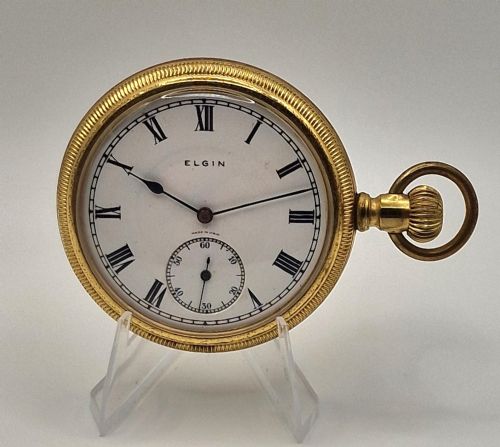
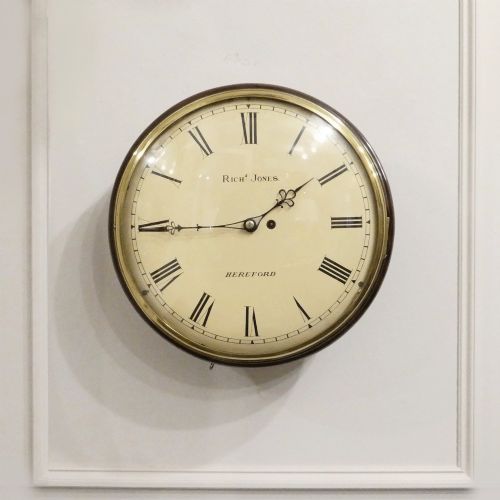
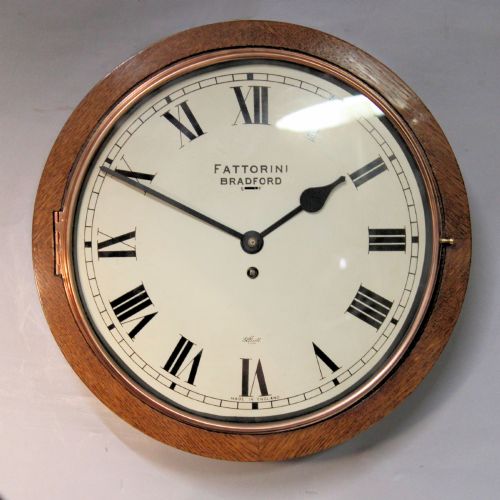
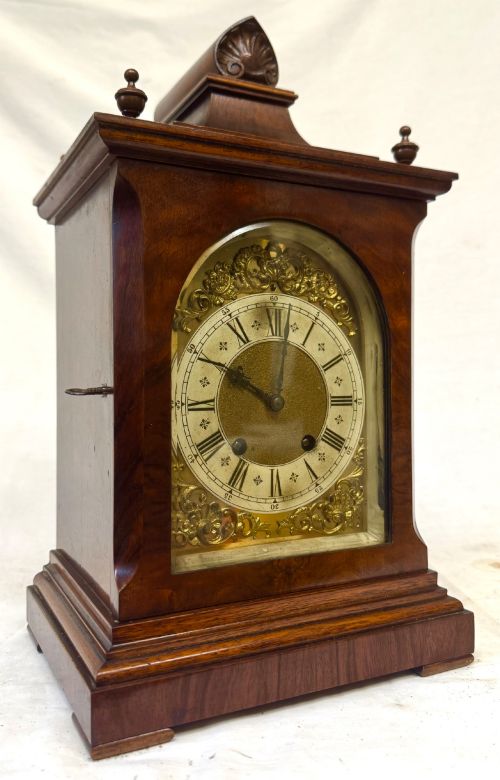
These antique horology clock dial pieces include brass and enamel faces alongside complete wall, bracket and longcase clocks from Georgian to Victorian periods.
Antique Horology Clock Dial
When you search for an antique horology clock dial, you encounter everything from standalone clock faces to complete wall clocks, longcase clocks, and carriage clocks. The selection spans the 18th, 19th, and 20th centuries, taking in Georgian, Victorian, Edwardian, and Regency periods.
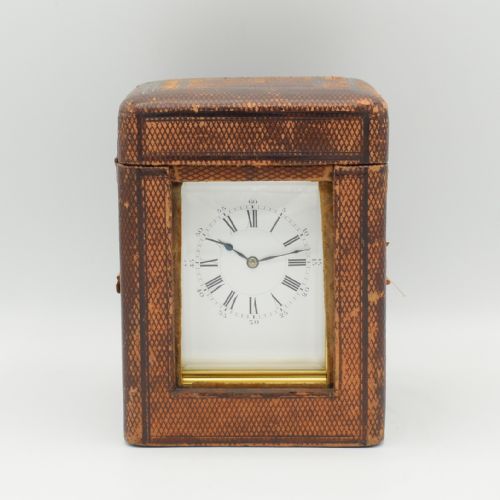
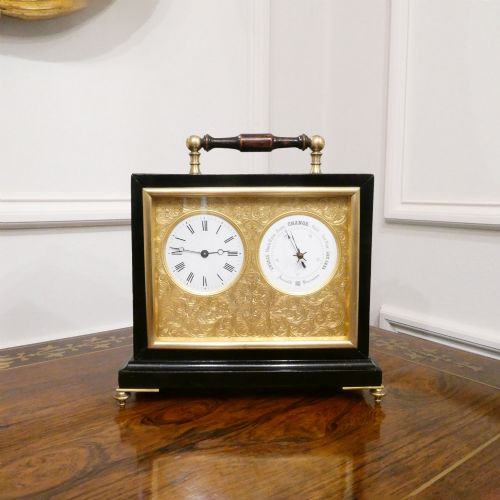
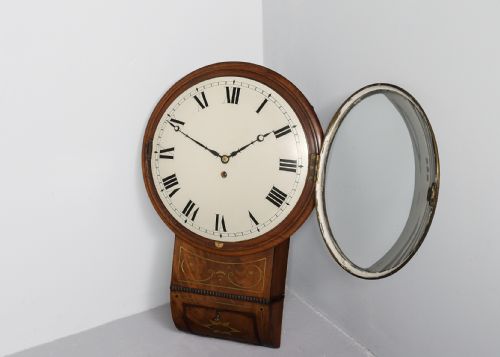
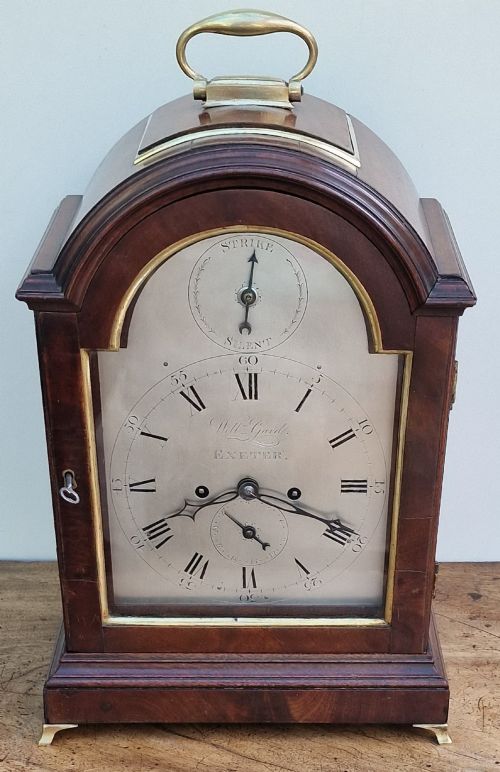
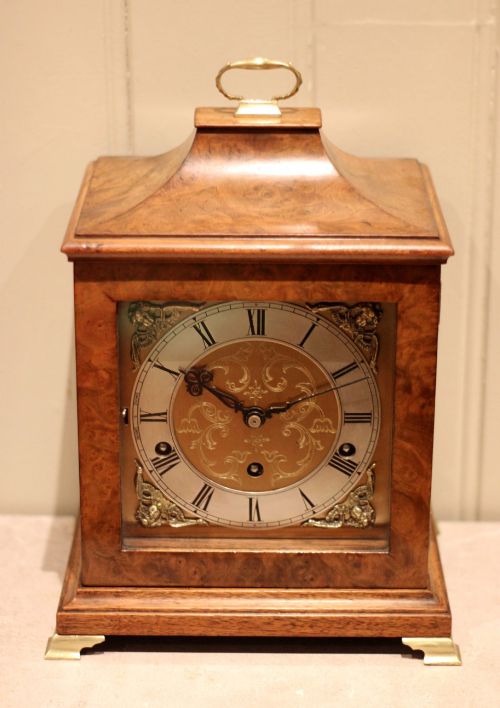
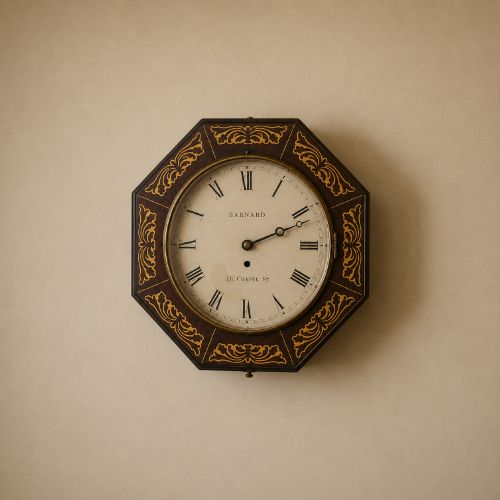
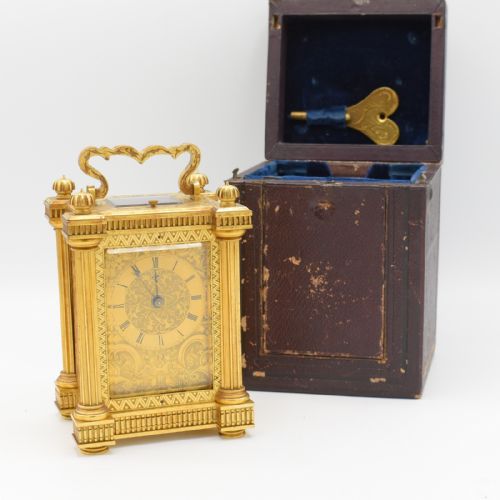
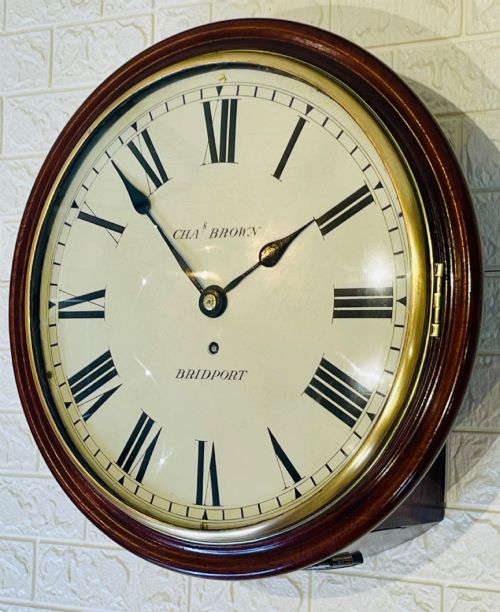
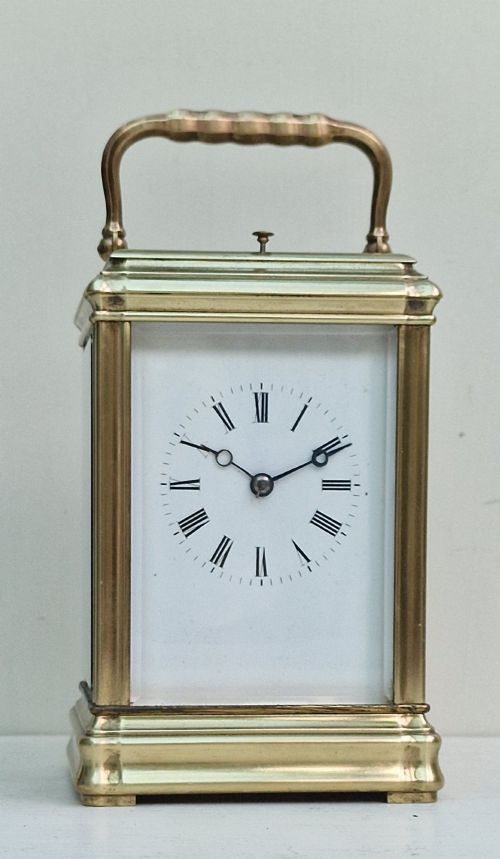
Wall clocks and dial clocks dominate the everyday selection, often mounted in mahogany, oak, or walnut timber cases. Carriage clocks with brass frames and glass panels also appear frequently, alongside grander grandfather and bracket clocks.
Origin points stretch across English provincial makers, London workshops, and French horological centres like Paris. Pieces range from utilitarian railway clocks to decorative mantel clocks styled after earlier George II designs.
How they were made
Clock makers combined brass, steel, and iron for movements and dials, utilising glass to protect delicate enamel faces. Cases relied on timber construction using mahogany, oak, walnut, and occasionally inlaid brass or silver details.
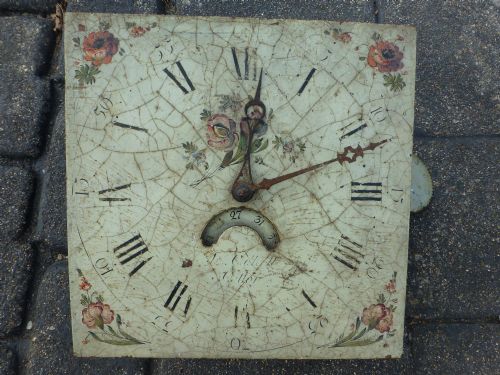
Movements span fusee mechanisms, lever escapements, and strike-silent systems driven by weights or springs. Dials combined hand-painted enamel, engraved brass, and occasionally wooden convex surfaces fitted with specialised bezels.
Listings feature clock dials spanning from the 17th century through to the 1930s Art Deco period, utilising brass, oak, mahogany, and enamel.
What varies in quality
Quality rests in the precision of the movement and the integrity of the original casing. Signed dials by noted makers carry greater authority than unmarked provincial work.
Materials dictate distinction, where solid mahogany and burr walnut cases outshine basic pine or standard oak. Fine brass engraving and crisp enamel work separate standard timepieces from exceptional examples.
Elliott·Lenzkirch·Henri Jacot·Mappin & Webb·Drocourt Paris
The Antique Horology Clock Dial Glossary
- Fusee
- A conical pulley used in spring-driven clocks to maintain a constant force on the movement as the mainspring unwinds. This mechanism improves timekeeping accuracy across the power reserve.
- Escapement
- The mechanical linkage that converts rotational force into controlled impulses for the pendulum or balance wheel. Common types include lever and anchor setups.
- Bracket clock
- A portable table or shelf clock, historically designed to sit on a wall bracket. Many feature striking or repeating mechanisms.
- Carriage clock
- A small, spring-driven clock designed for travel by Victorian and Edwardian travellers. They typically feature brass and glass gorge cases.
- Longcase clock
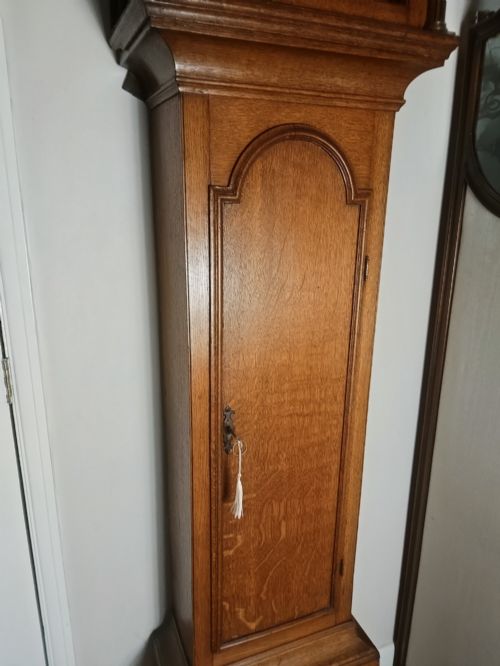
- A tall pendulum clock housed in a wooden case standing on the floor. Often referred to as a grandfather clock.
Antique Horology Clock Dial: Frequently Asked Questions
What is a fusee clock dial?
A fusee clock dial connects to a specialised movement driven by a chain or gut line wrapped around a conical drum. This historical mechanism ensures steady power delivery to the hands.
Such dials often appear on mahogany wall clocks used in offices, railway stations, and domestic hallways during the Georgian and Victorian eras.
How do I wind a carriage clock?
Carriage clocks generally use a key inserted into arbors located on the backplate of the movement. Winding requires turning the key gently until resistance signals the mainspring is fully tensioned.
Most antique carriage clocks run for eight days per wind, though some include striking or repeating complications that require separate attention.
How do I date an antique clock dial?
Dating relies on stylistic clues in the numerals, the shape of the hands, the mounting bezel, and the timber used in the surrounding case. Maker signatures and registration marks also provide firm chronological anchors.
Georgian dials often show hand-painted floral motifs or engraved brass spandrels, while Edwardian and Art Deco examples adopt cleaner, more streamlined typography.