




Antique Highland Figure
These antique highland figure pieces bring Scottish romanticism into the room, rendered in earthenware and bronze across the centuries.
Antique Highland Figure
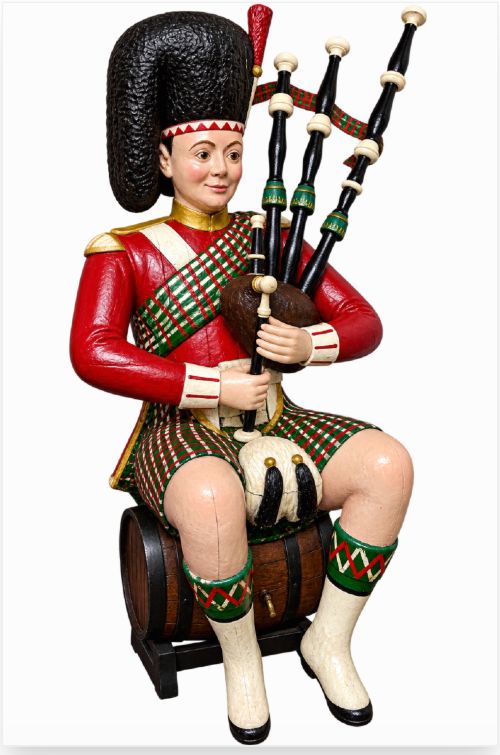
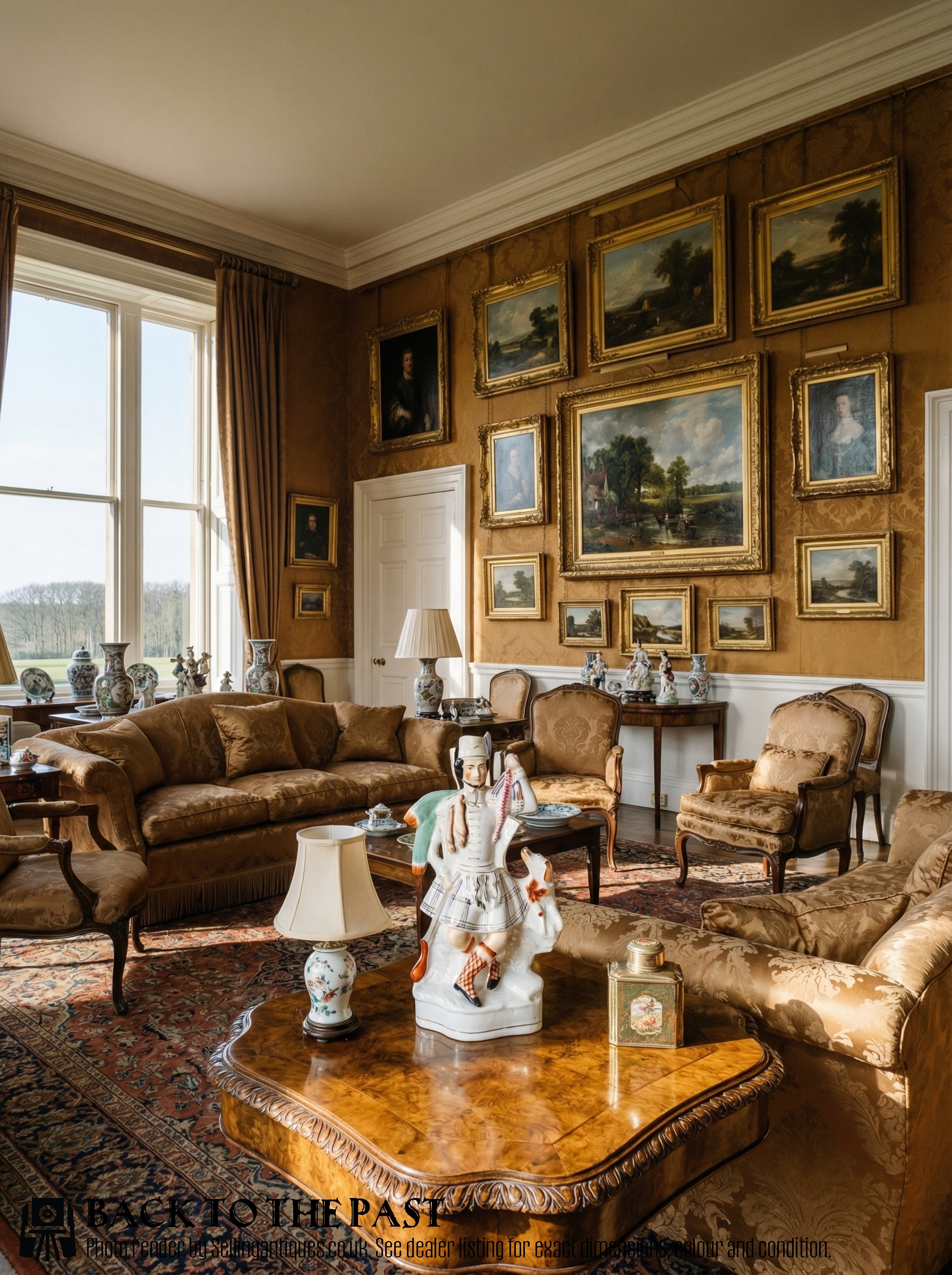
When you search for an antique highland figure, you encounter a range of earthenware and bronze sculptures depicting Scottish subjects, from bagpipers to lairds and harvesters. The most common form on this page is the Victorian Staffordshire pottery flatback, often modelled as a Highlander on horseback, a companion pair, or a watch holder designed to sit on a mantelpiece.
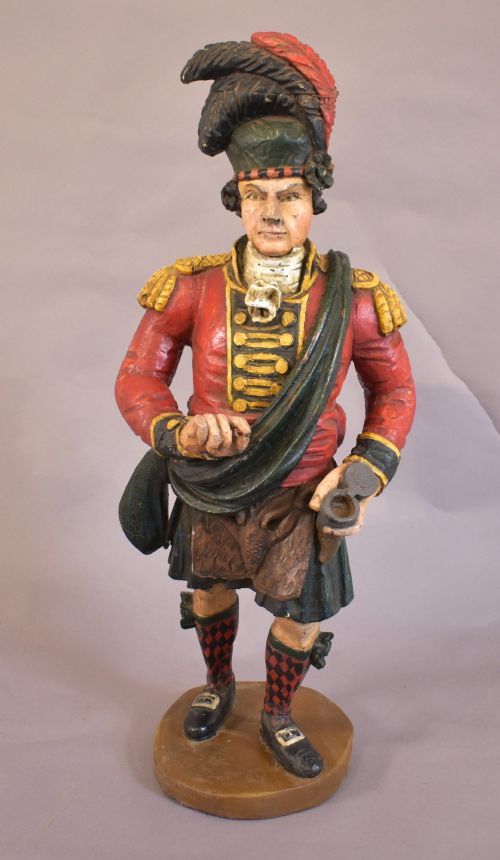
The evidence shows these objects span from the eighteenth century into the early twentieth century, taking the shape of tobacco figures, spill vases, and decorative figurines. Alongside ceramic pottery, the selection includes bronze trade figures and carved wood car mascots representing Scottish themes.
How they were made
Metal and wood pieces utilise contrasting techniques, such as cast bronze for trade figures and carved wood for automotive mascots. Each material dictated the level of detail achievable, from the smooth lines of a bronze tobacconist figure to the textured surface of carved wood.
Materials across these listings range from earthenware and lead glaze to bronze and carved wood.
What varies in quality
The distinction between ordinary and superior examples lies in the crispness of the moulding and the precision of the hand-painting on the earthenware surface. Stronger pieces retain clear facial expressions and vibrant enamel paint without excessive blurring or bleeding across the glazes.
Scale and presence also define the range, with large figures and matched pairs commanding greater visual weight than smaller, solitary spill vases. The finesse of the modelling separates standard decorative pottery from works with distinct character.
The Antique Highland Figure Glossary
- Flatback
- A ceramic figure modelled fully on the front while the reverse remains largely unglazed and flat, designed to sit flush against a wall or mantelpiece. This method saved clay and simplified production for nineteenth-century Staffordshire potteries.
- Spill Vase
- A hollow ceramic vessel featuring an attached tube intended to hold taper spills for lighting pipes and candles. These functional decorative objects often depict Scottish harvesters or animals.
- Lead Glaze
- A glossy coating applied to earthenware pottery before firing, providing a smooth waterproof surface that enriched the underlying colours. Potters utilised lead formulations extensively on nineteenth-century figures.
- Car Mascot
- A sculptural ornament mounted on the radiator cap of an automobile during the early twentieth century. These small figures, including bronze tobacconist representations, allowed motorists to personalise their vehicles.
Antique Highland Figure: Frequently Asked Questions
What are flatback figures?
Flatback figures are ceramic sculptures with finished fronts and unadorned flat backs, made to stand on shelves against walls.
Potters designed them this way to save materials and kiln space while maintaining a decorative appearance from the front view.
How were spill vases used?
Spill vases served a practical purpose in homes before matches were common, holding thin wooden tapers used to transfer fire from the hearth to lamps or pipes.
Victorian households placed them on mantelpieces where the decorative figures doubled as functional holders.
How do I date Staffordshire pottery?
Dating Staffordshire pottery involves examining the clay body, the style of the hand-painted enamel colours, and the presence of flatback construction methods typical of the nineteenth century.
Earlier eighteenth-century pieces often show different glazing techniques and heavier earthenware bodies compared to Victorian examples.
Where were trade figures displayed?
Trade figures stood inside or outside shops to advertise specific goods, such as tobacco or Scottish wares.
These larger sculptures attracted customers from the street and established the specialty of the merchant.