
Antique Hearth Irons
Antique hearth irons are substantial fireplace implements and supports forged or cast to manage open fires.

Antique Hearth Irons
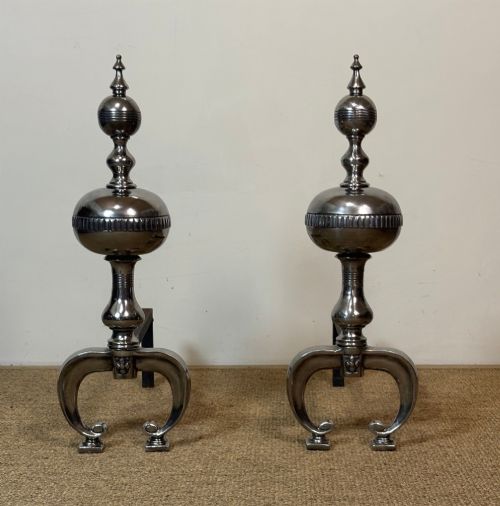
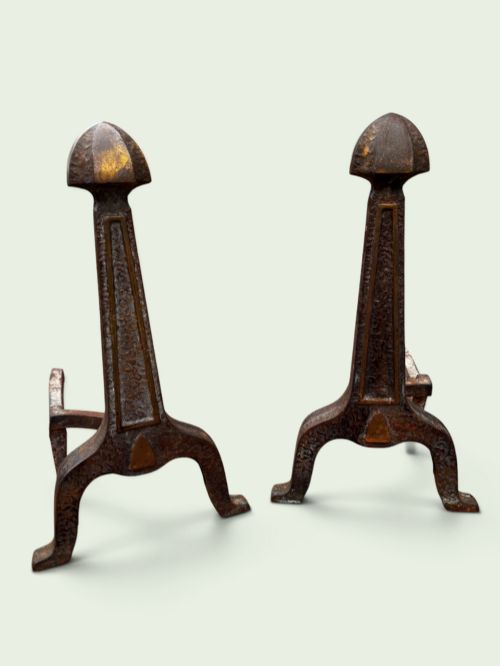
When you search for antique hearth irons, you look for functional fireplace metalwork designed to hold logs and manage burning fuel. These objects include andirons, firedogs, and companion sets intended to support wood on an open hearth.
The pieces listed on this page originate from periods spanning the eighteenth and nineteenth centuries, alongside later revivals. They include sturdy wrought iron tools and polished brass fixtures from Georgian and Victorian parlours.
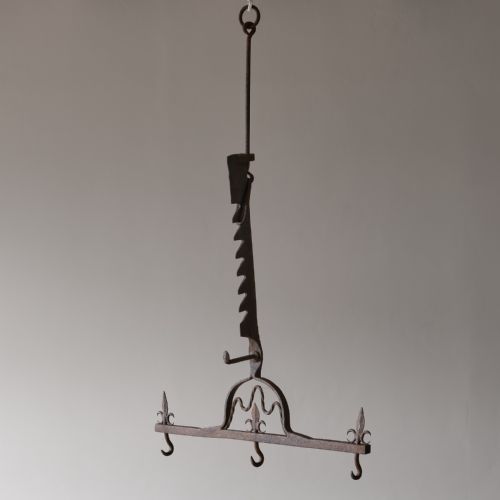
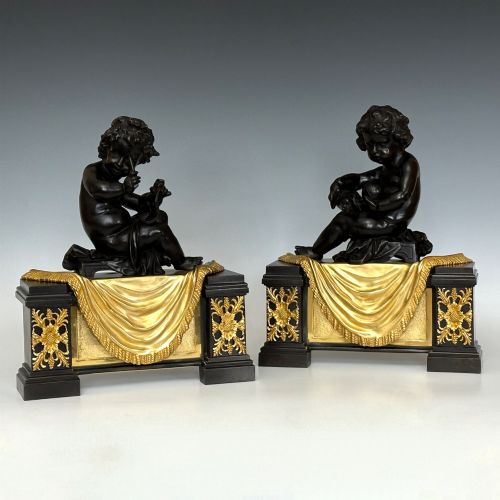
Buyers encounter items ranging from simple hand-forged chimney trammels and footmen to elaborate French chenets in bronze and ormolu. Each object reflects the domestic heating methods of its specific era.
Materials and construction methods
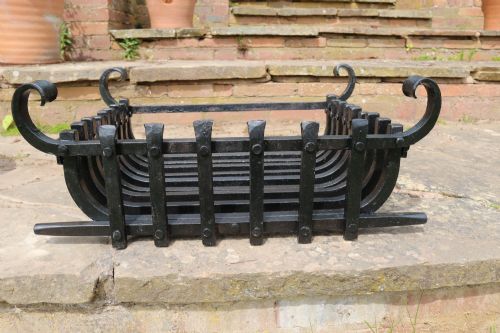
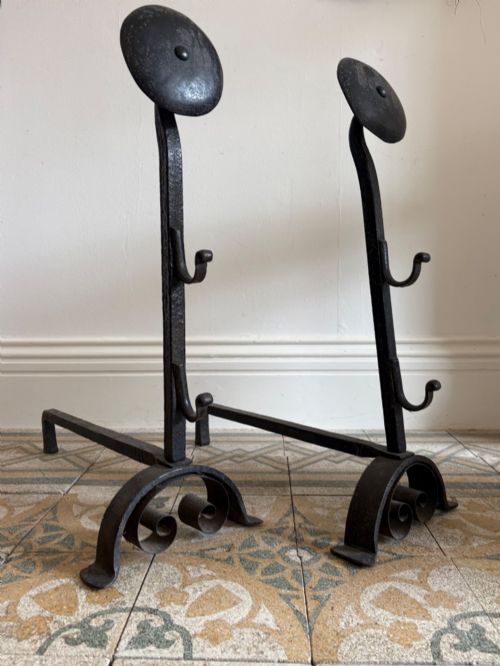
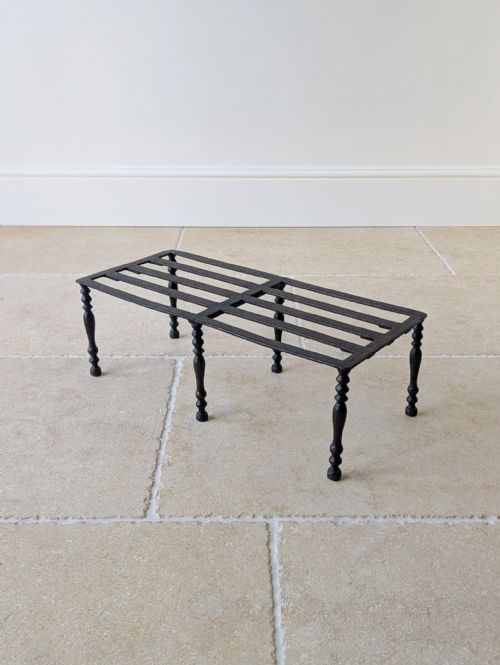
Blacksmiths and founders utilised wrought iron, cast iron, and steel to forge the robust frames required to withstand intense hearth temperatures. Wrought iron pieces display hand-hammered surfaces and visible joinery from the forging process.
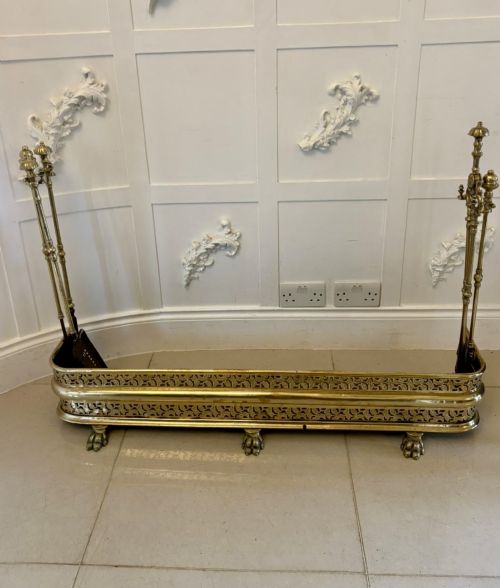
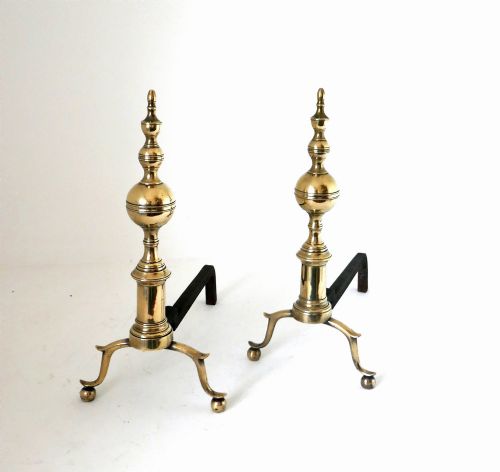
Brass and copper components provided decorative contrast through bright finials, fenders, and cast decorative mounts. Iron and steel were frequently combined with brass elements to balance structural strength with polished visual appeal.
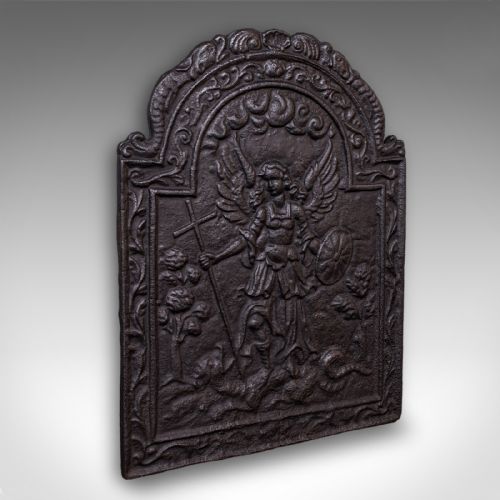
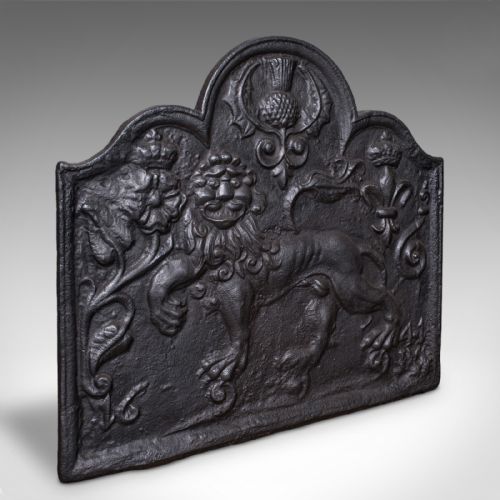
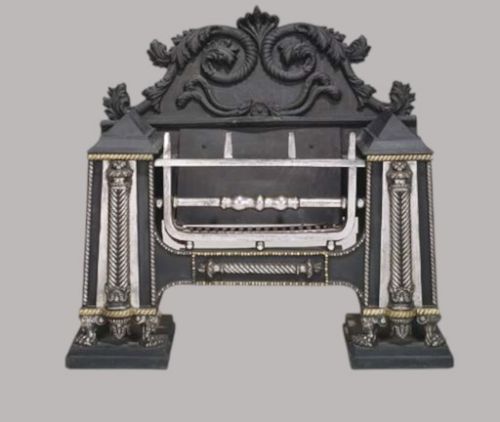
Foundries employed casting techniques for ornamental fire backs and grates, producing crisp relief details in styles from Gothic Revival to Neo-Classical. Hand-finishing and polishing completed the surface of finer parlour pieces.
Listings span the sixteenth to the twentieth centuries, featuring wrought iron, cast iron, brass, copper, and bronze across diverse styles including Regency and Arts and Crafts.
Distinctions in quality
Quality rests in the heaviness of the metal gauge and the integrity of the original construction rather than decorative excess alone. Substantial weight in cast iron grates and fire dogs indicates durability and thick casting practices.
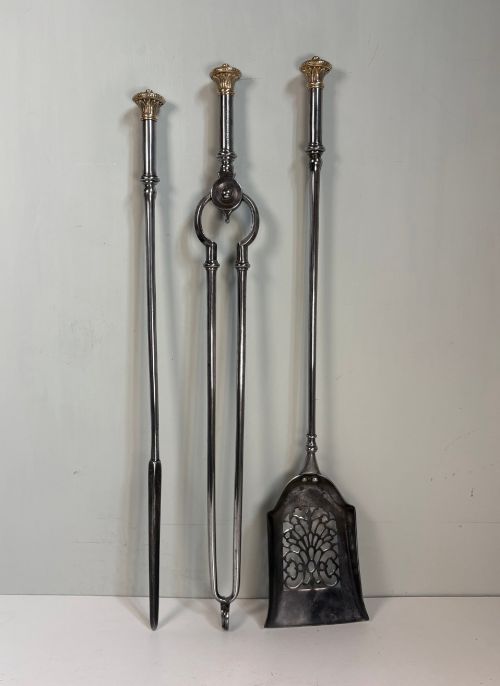
Finely turned brass finials, clean hand-forging on wrought iron tools, and intact matching sets distinguish superior examples from utilitarian workshop output. Original matching components such as fire irons retained as a complete set elevate the integrity of the piece.
Design execution separates standard production items from masterwork creations bearing refined detailing in styles like Regency or French Empire. The clarity of cast motifs and the precision of assembly reveal the maker's competence.
Coalbrookdale·John Linwood of Birmingham
The Antique Hearth Irons Glossary
- Andirons
- Supports used to raise logs off the hearth floor to improve air circulation beneath the fire. They typically feature decorative front standards and horizontal iron bars extending backward.
- Fender
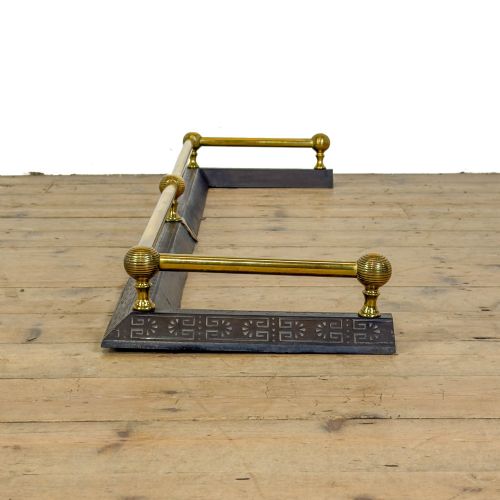
- A low metal guard placed in front of the fireplace to contain sparks and rolling embers. They are frequently constructed from pierced brass or iron.
- Chimney Jack
- A mechanical device suspended in a chimney to turn a spit for roasting meat over an open fire. They rely on clockwork or smoke-driven mechanisms.
- Trammel Hook
- An adjustable iron hook hung inside a chimney to suspend pots and kettles at varying heights over the flames. They feature notched bars for height regulation.
- Chenets
- The French term for firedogs or andirons, often highly decorative and cast in bronze or ormolu. They served both functional and aesthetic roles in continental hearths.
Antique Hearth Irons: Frequently Asked Questions
What is the difference between andirons and fire dogs?
Andirons and fire dogs are largely synonymous terms for the horizontal metal supports that hold logs within an open fireplace. Both terms describe the heavy metal stands placed in pairs on the hearth floor.
While regional preferences often dictate the terminology used by makers, both serve the primary function of keeping firewood elevated to allow proper airflow beneath the burning fuel.
How do I clean antique iron fireplace tools?
Cleaning antique iron requires gentle removal of surface dust and soot using a soft brush and dry cloth. Avoid harsh chemical polishes that strip historical patination from wrought and cast surfaces.
A light application of microcrystalline wax can protect iron and steel from further oxidation without altering the dark finish acquired over centuries of use.
Were these pieces meant for daily use?
Most antique hearth implements were manufactured for heavy daily domestic service in country houses and urban parlours. Their robust construction in wrought iron and heavy brass ensured they could withstand intense heat and constant handling.
Today, many buyers continue to utilise sturdy cast iron grates and andirons in working open fireplaces, provided the materials match the thermal demands of modern fires.
How do I identify a Georgian fire grate?
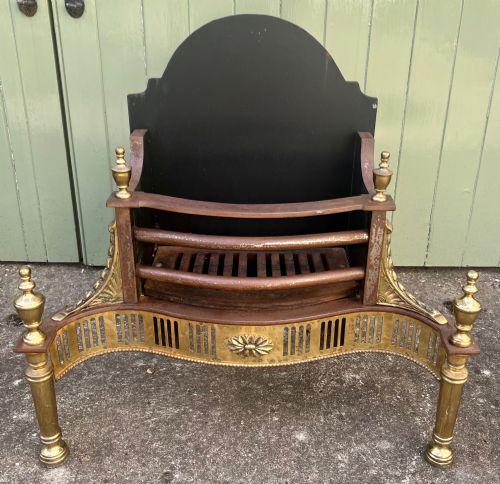
Georgian fire grates often display classical architectural proportions, incorporating Adam style urn motifs, bright brass highlights, and detailed cast iron backs. They frequently combine cast iron firebaskets with polished steel or brass front aprons.
The presence of characteristic neoclassical motifs such as paterae, swags, and fluted columns points directly to the late eighteenth or early nineteenth-century design vocabulary.