

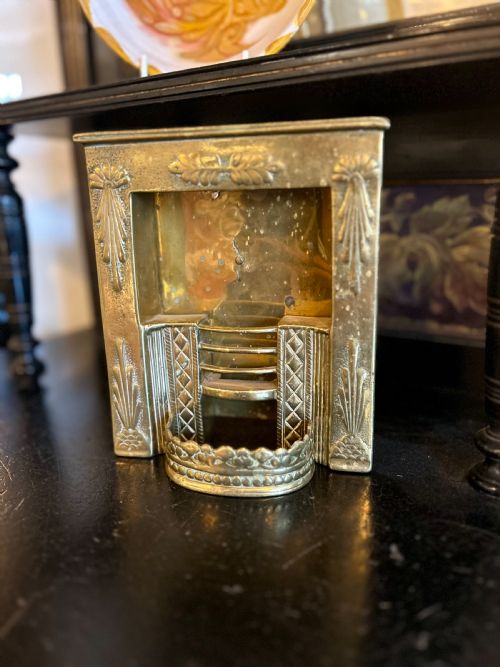


Antique Hearth Grate
An antique hearth grate anchors the fireplace, bringing cast iron, brass and traditional weight to the centre of the room.
Antique Hearth Grate
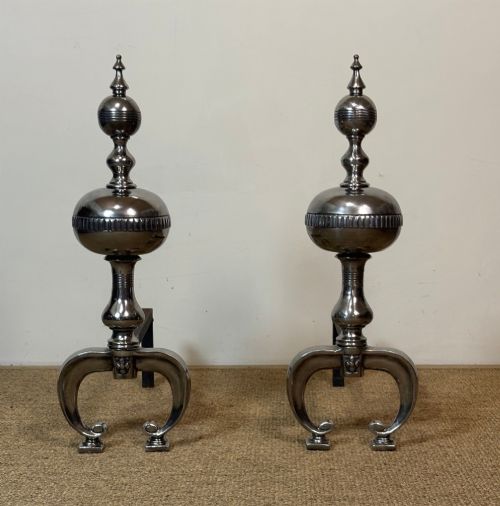
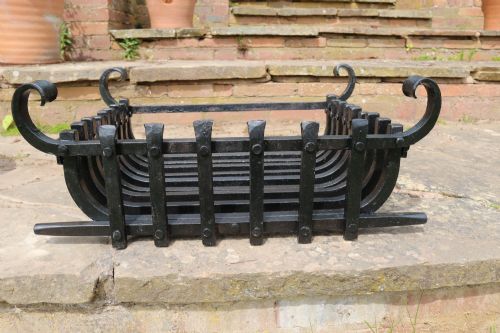
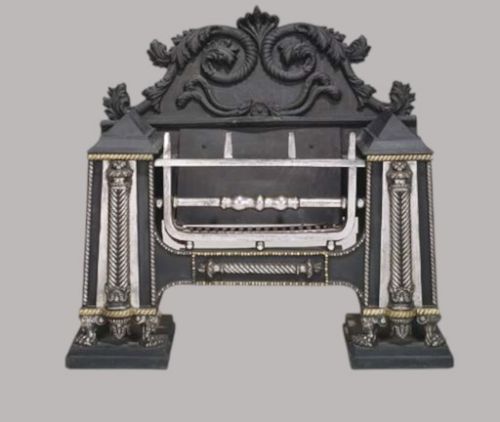
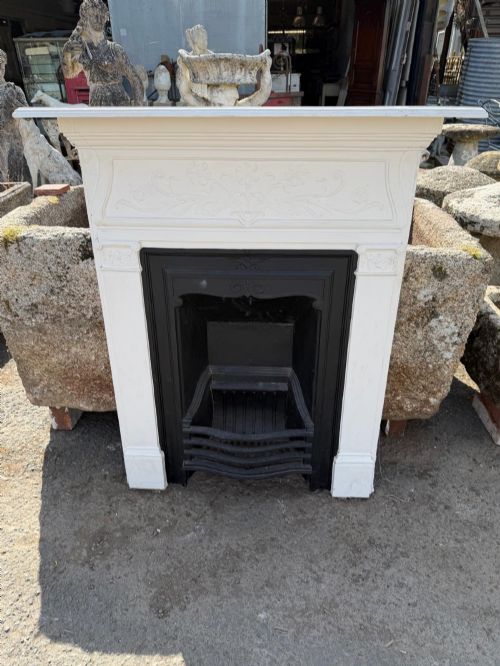
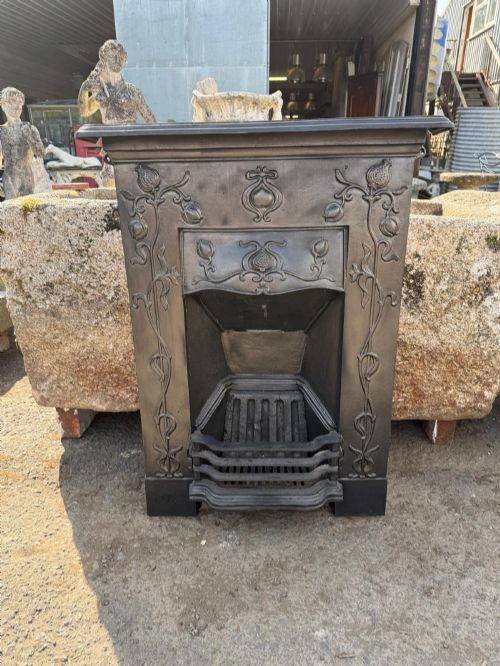
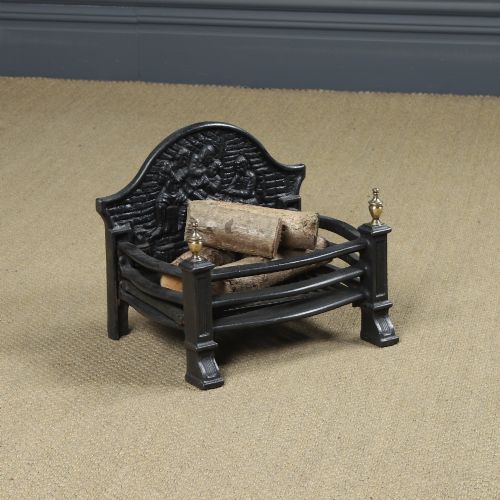
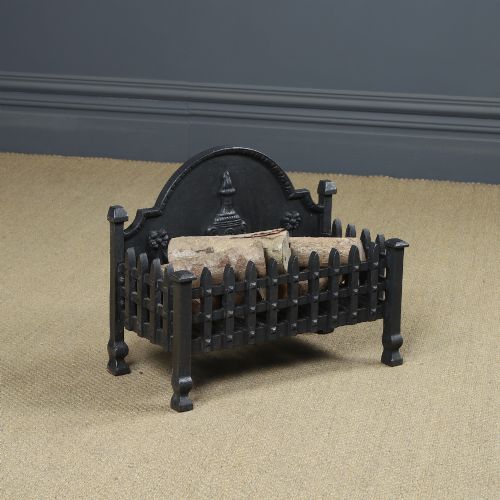
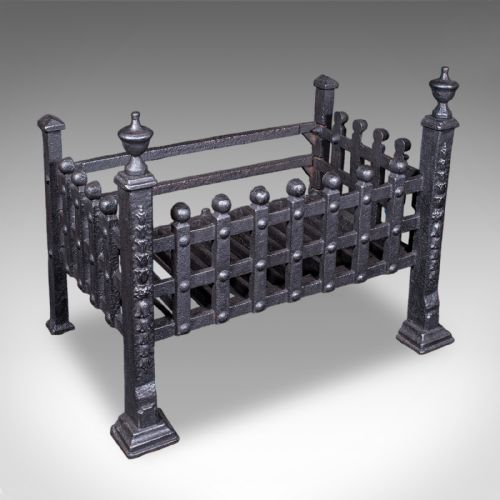
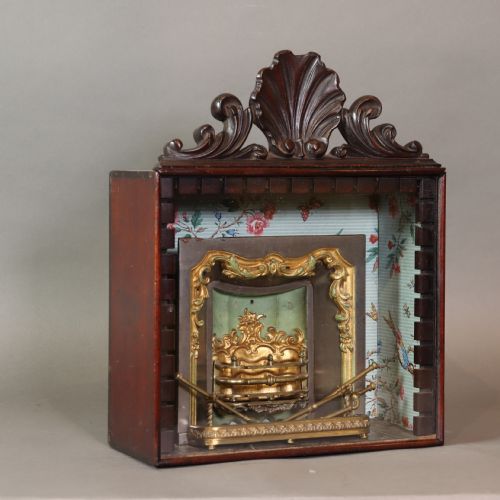
The search for an antique hearth grate brings up functional ironwork designed to hold burning fuel safely within an open chimney or register fireplace. These pieces range from simple standalone fire baskets to elaborate combinations with integrated fire backs and andirons.
Most examples encountered here date from the Victorian and Edwardian eras, alongside earlier Georgian hob grates and later revival pieces from the 1920s and 1930s. Buyers frequently select between freestanding log baskets, dog grates paired with andirons, and combination grates built to fit standard chimney openings.
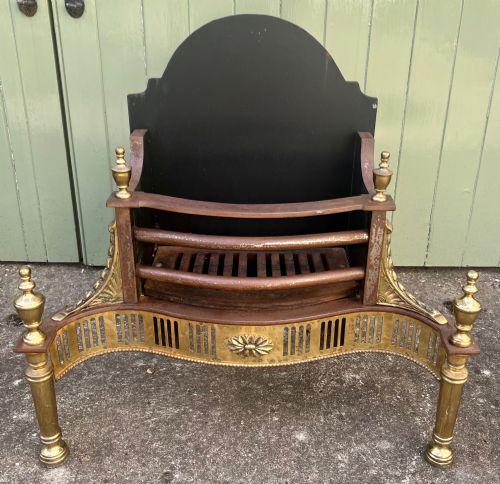
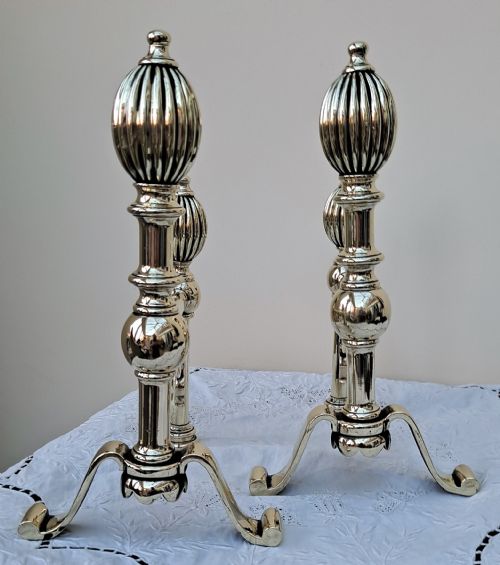
The heavier forms serve large inglenook hearths, while smaller proportions suit secondary rooms and decorative surrounds. Many incorporate brass finials or steel detailing, bridging utilitarian iron foundry work with period interior design.
Materials and construction
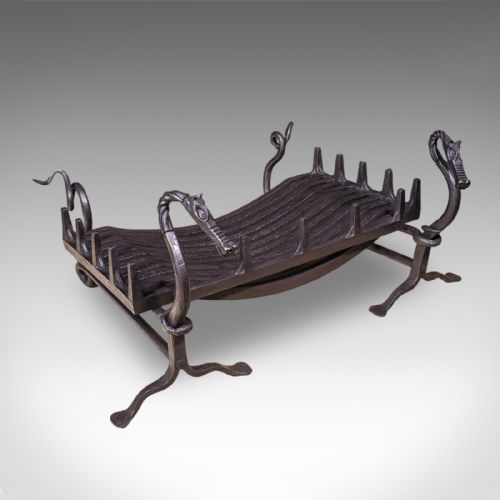
Foundries shaped these grates primarily through iron casting and hand forging, using cast iron for heavy fire backs and structural frames. Wrought iron provided the tensile strength needed for basket bars and decorative scrolls.
Makers integrated brass elements for visual contrast, mounting cast brass andirons, feet and finials onto the iron body. Steel appeared in later Victorian and 20th-century components, offering enhanced rigidity for fire dogs and footmen.
Antique Hearth Grate Retail Price Guide 2026
Typical asking prices for hearth grate among the pieces listed under this phrase on Sellingantiques today, from the lower quarter to the upper quarter. They describe what is for sale here now, not the wider market.
The inventory includes miniature salesman samples and trade samples alongside full-sized hearth installations.
Assessing quality in period grates
Quality rests in the thickness of the metal and the crispness of the casting. Superior examples display sharply defined motifs, heavy gauge iron bars that resist warping under intense heat, and robust integral fire backs.
Artisanal assembly distinguishes finer pieces, where forged elements join cleanly without excessive filler. Period brass components on better grates show substantial weight and careful finishing rather than thin plating.
Coalbrookdale
The Antique Hearth Grate Glossary
- Fire grate
- An iron basket or frame designed to hold coal, logs or other fuel within a fireplace.
- Andirons
- A pair of horizontal supports placed in a hearth to raise logs for better air circulation.
- Hob grate
- A fireplace design featuring raised flat side plates used for keeping kettles warm.
- Fire back
- A heavy iron plate placed at the back of a hearth to protect the wall and reflect heat into the room.
- Register grate
- A framed fireplace insert equipped with a flap or damper to regulate the chimney draft.
Antique Hearth Grate: Frequently Asked Questions
How do I choose the right size grate?
Measure the internal width, depth and height of your fireplace opening carefully before browsing. Leave adequate clearance around the sides and back for airflow and thermal expansion.
Account for whether the piece includes attached andirons or a fire back, as these components extend the overall footprint on the hearth.
Can I burn real wood in these grates?
Many historical grates accommodate solid fuel, but original firebricks and bars require inspection for hairline fractures before lighting a fire. Heavy cast iron and wrought iron baskets handle high heat well when seasoned properly.
Verify whether a piece is designated as a decorative display item or a functional hearth installation prior to use.
How do I tell Georgian grates from Victorian ones?
Georgian examples often feature delicate neoclassical lines, bright brass work and hob configurations designed for smaller coal fires. Victorian pieces tend toward heavier cast iron construction, encompassing elaborate Gothic revival patterns and large register assemblies.
Later Edwardian and 1920s items frequently echo these earlier motifs while employing standardised manufacturing techniques.
What is the purpose of brass andirons?
Andirons support logs above the floor of the hearth to allow oxygen underneath for a cleaner burn. In many period settings, they also serve an aesthetic role, framing the fire basket with polished brass or bronze detail.