



Antique Hanging Wall Box
An antique hanging wall box is a domestic timber receptacle meant to be fixed to a kitchen or parlour partition to store small household necessities.
Antique Hanging Wall Box
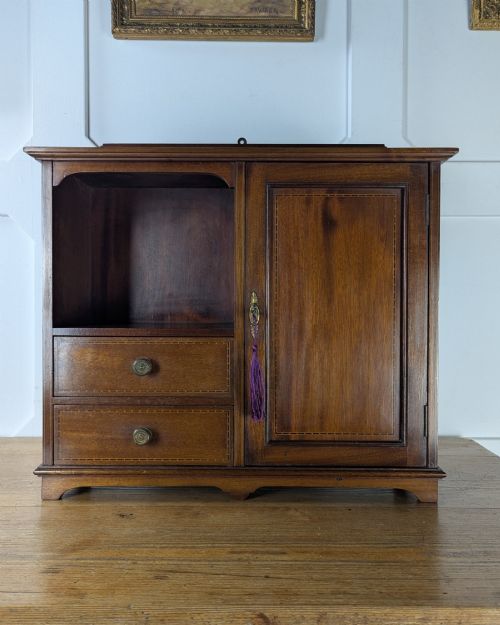
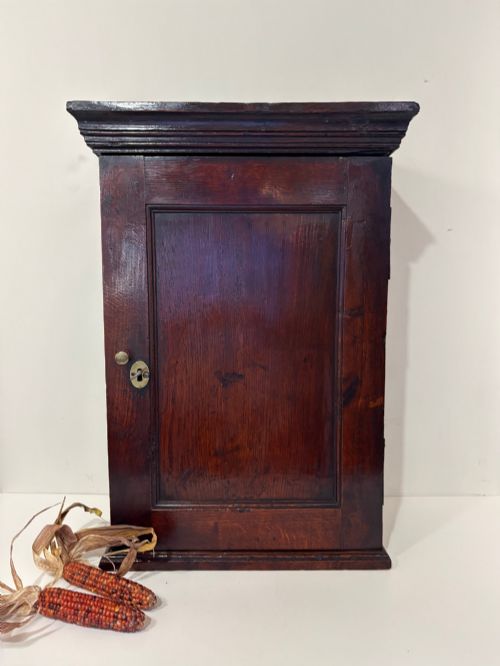
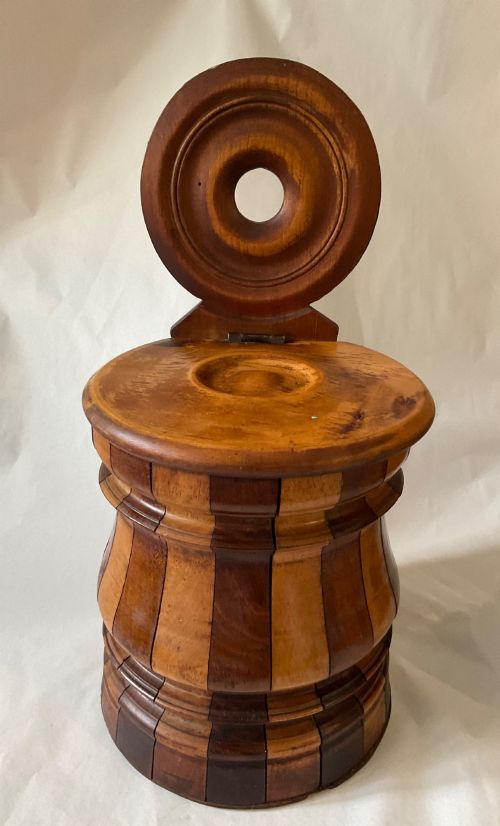
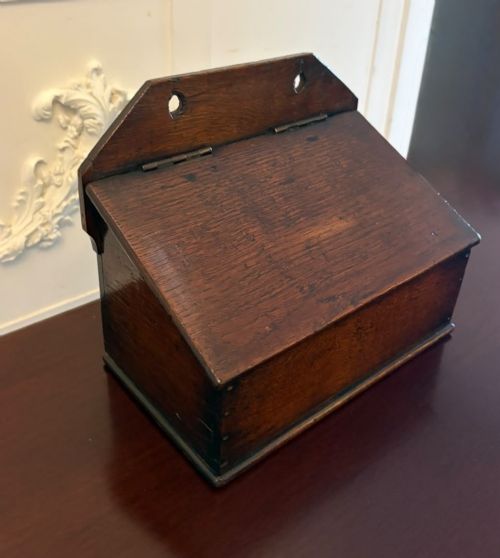
When you search for an antique hanging wall box, you encounter timber receptacles designed to be fixed to room partitions for storing household commodities. These utilitarian items served everyday domestic functions in kitchens and parlours before fitted cabinetry became standard.
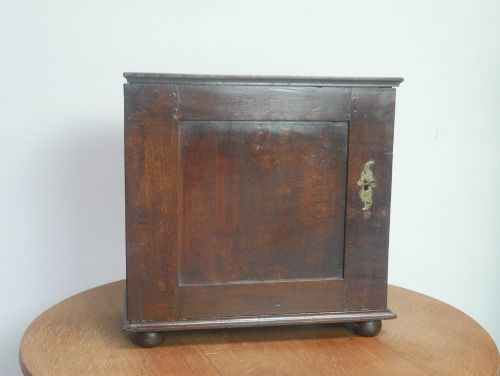
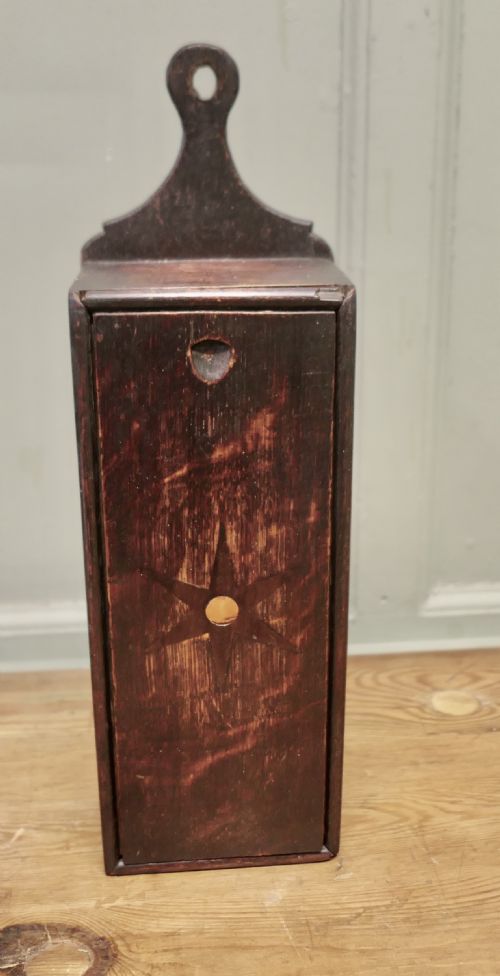
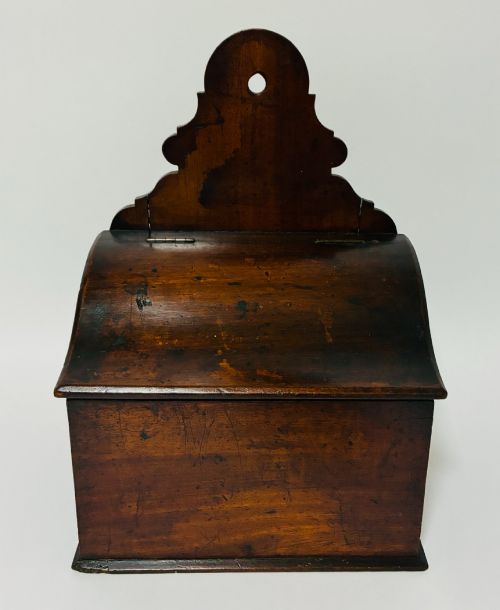
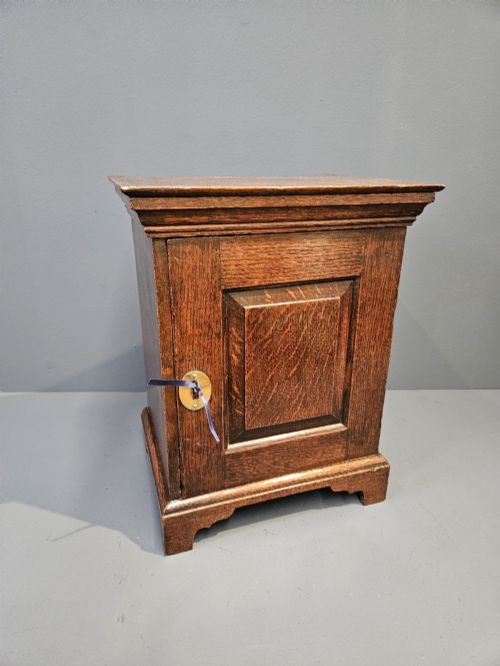
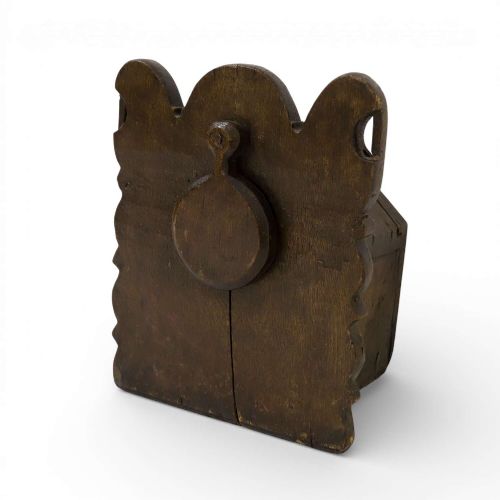
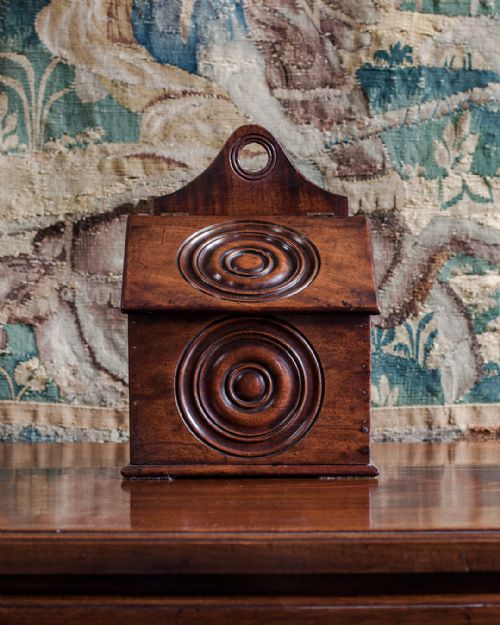
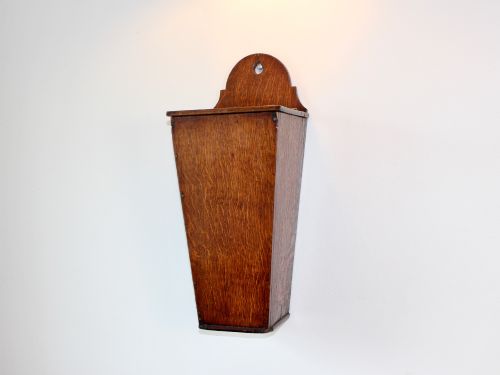
The versions most frequently met on this page are constructed from oak, pine or mahogany, taking the form of candle boxes, salt boxes, spice cupboards and small wall cabinets. Their origins trace across the seventeenth, eighteenth and nineteenth centuries in British, Welsh and continental workshops.
Domestic spaces required compact storage for daily perishables and implements, leading to specialised forms like tapered rectangular candle boxes and wall-hung spice cupboards. These pieces combine practical hanging mechanisms with regional vernacular joinery.
How they were made
Makers utilised solid timbers such as oak, pine, walnut, fruitwood and mahogany, often shaping boards with simple hand tools and pegging joints together. Regional pieces frequently combine primary woods like oak with secondary pine linings or backs.
Hardware played an essential structural role, incorporating original iron hinges, brass latches and nailhead details to secure lids and doors. Surface treatments varied from bare scrubbed timber to traces of red paint and carved decorative reliefs.
Listings feature eighteenth-century oak spice cupboards alongside nineteenth-century pine candle boxes and French walnut panetieres.
What varies in quality
The standard of a piece depends heavily on the integrity of its original timber and the crispness of any hand-carved detailing or inlay work. Subtle elements like shaped lids, turned finials and undisturbed original brass or iron hardware elevate an ordinary box.
Proportion and construction methods dictate the distinction between simple utilitarian items and finer regional vernacular pieces. Retaining original surfaces, such as early paint traces or patinated finishes, marks the upper tier of survivals.
The Antique Hanging Wall Box Glossary
- Salt box
- A wall-mounted container featuring a sloping hinged lid designed to keep kitchen salt dry and accessible.
- Candle box
- A narrow timber receptacle with a sliding or hinged lid made to protect tallow or beeswax tapers from dust and damage.
- Spice cupboard
- A small wall-hung cabinet containing internal small drawers or shelves for storing costly culinary seasonings.
- Panetiere
- A French bread cage constructed from turned spindles and carved woodwork to allow air circulation around loaves.
- Vernacular
- Objects built by local craftsmen using regional traditions and readily available native materials rather than academic architectural styles.
Antique Hanging Wall Box: Frequently Asked Questions
What did people store in a hanging wall box?
These boxes held everyday household provisions that needed to be kept dry, secure and off damp kitchen work surfaces. Common contents included tallow candles, culinary salt, spices and eating utensils.
Over time, different domestic spaces adapted the forms for specialised tasks, such as holding tobacco in smokers' cupboards or keeping keys organised near an entrance.
How do I hang an antique wall box safely?
Most pieces feature original pierced backboards, hanging slots or iron brackets intended for mounting directly onto wall studs or masonry plugs. Weight distribution must be considered, particularly with heavier oak spice cupboards and lidded boxes.
Load-bearing fixings should match the historic hanging points without altering or damaging the original timber structure of the backboard.
Are these boxes English or continental?
The inventory encompasses pieces from British, Welsh, French, Dutch and Swedish workshops, each displaying distinct regional joinery and timber choices. Welsh and English makers relied heavily on native oak and pine, while continental pieces frequently utilised walnut or fruitwood.
Stylistic markers such as turned finials, carved motifs and distinctive lid profiles help distinguish between British vernacular styles and continental pieces like French panetieres.
How can I tell an eighteenth century box from a later one?
Eighteenth-century examples typically display pegged frame-and-panel construction, hand-sawn timber boards and forged iron hardware. Surfaces often exhibit deep patination accumulated through generations of domestic use and cleaning.
Nineteenth-century pieces frequently incorporate machine-sawn timber, brass fittings or decorative satinwood inlay, reflecting changing industrial manufacturing techniques and Arts and Crafts revival interests.