

Antique Hanging Shelves
These antique hanging shelves offer practical wall storage and period character, bringing warmth and utility to any room.
What antique hanging shelves are
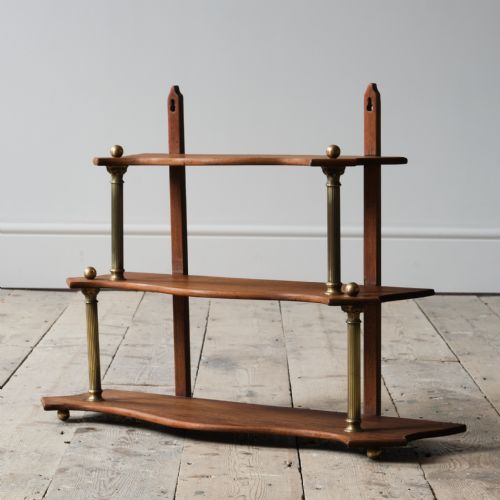
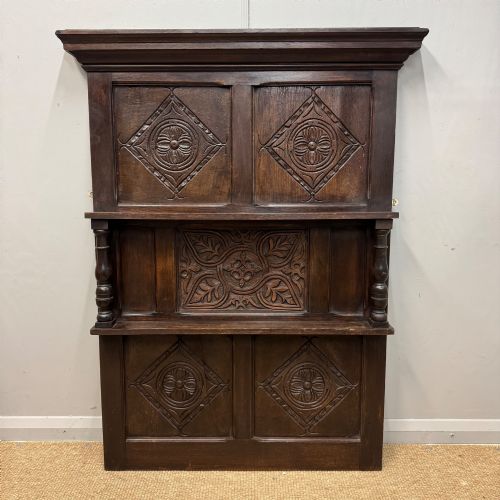
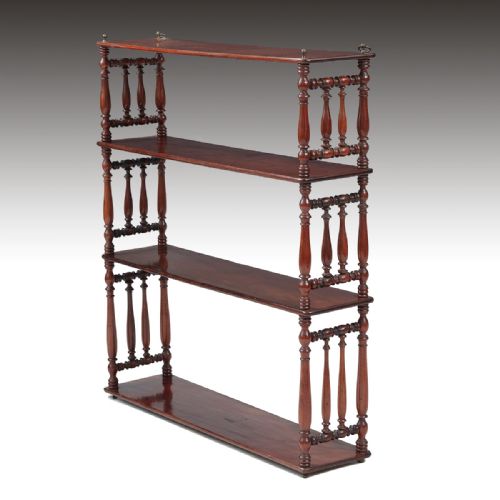
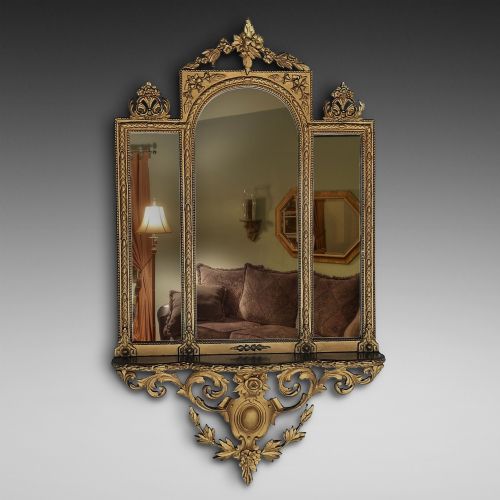
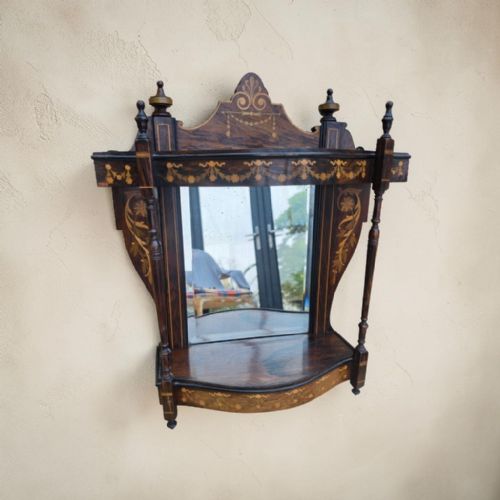
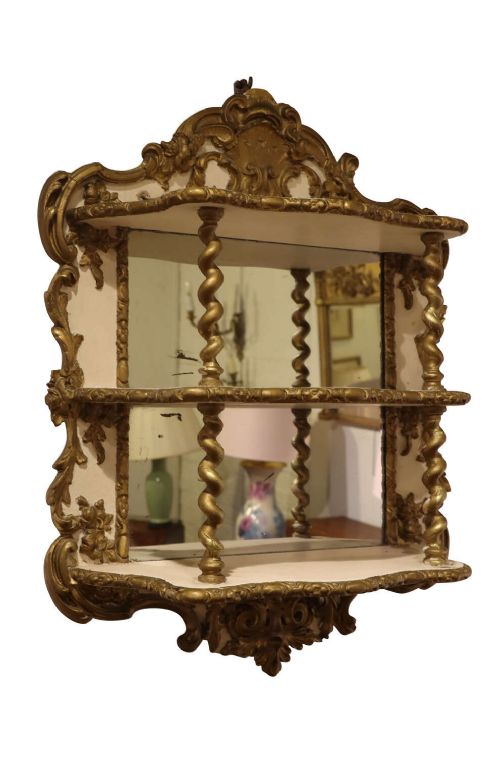
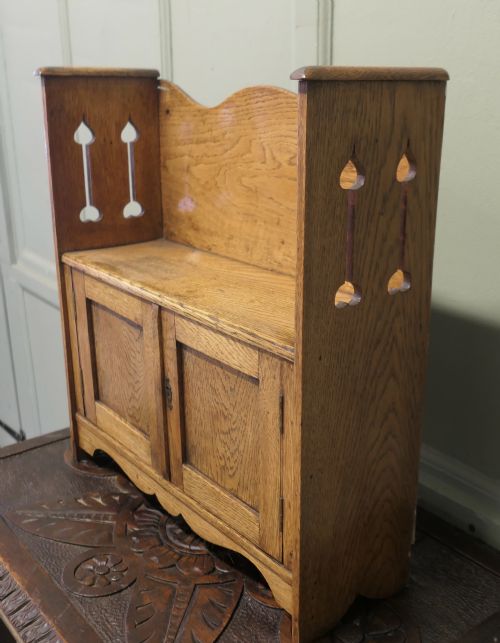
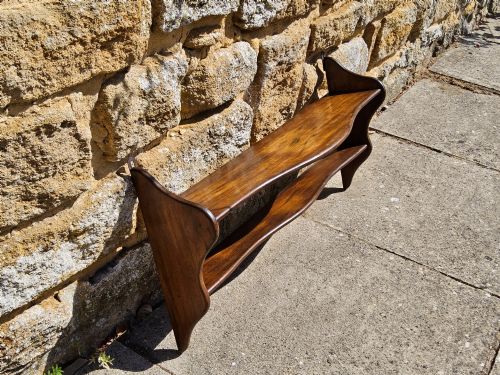
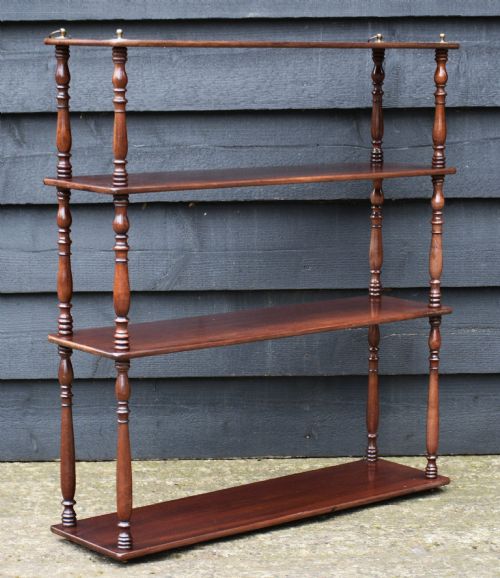
Buyers searching for antique hanging shelves typically encounter wall-mounted tiers designed to save floor space while displaying books, plates or small ornaments. The examples on this page span the nineteenth century and the Victorian era, showing standard multi-tier formats.
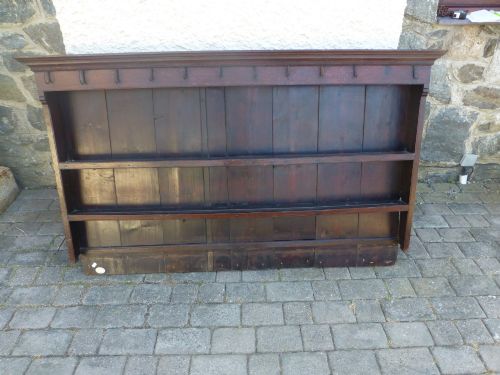
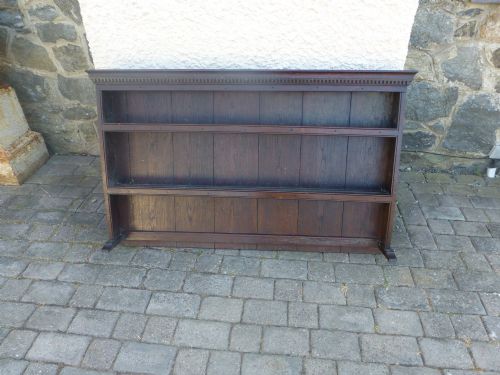
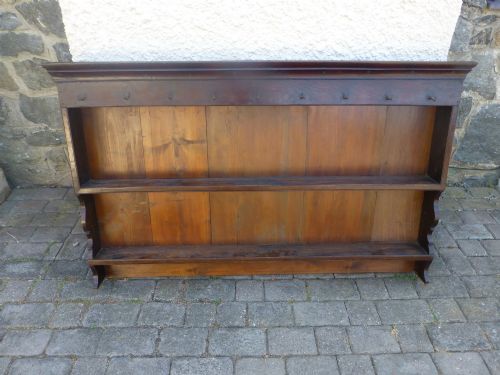
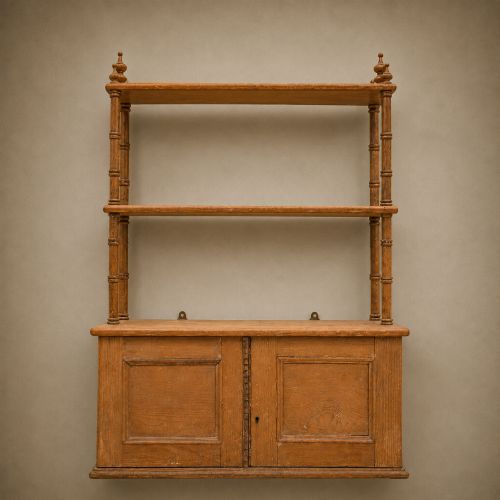
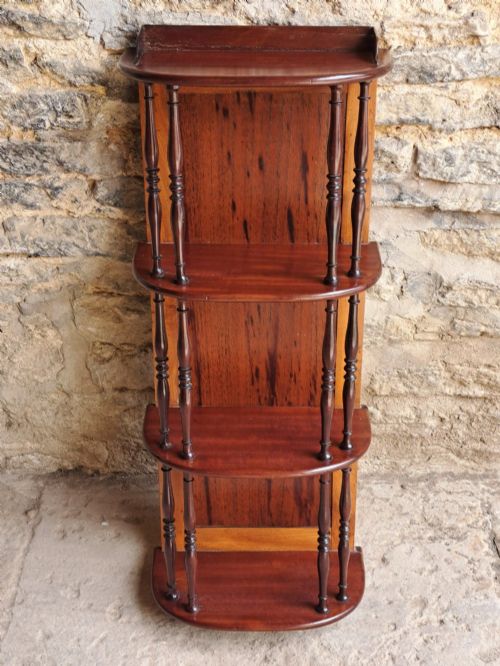
Most pieces seen here utilise mahogany, flame mahogany veneer, oak or pine, occasionally incorporating brass supports or paint finishes. Formats range from simple tiered ledges to waterfall shapes and fretwork Chippendale revivals, alongside plate rack variations.
How they were made
Cabinetmakers constructed these shelves using timber such as mahogany, oak, pine and rosewood, frequently applying flame mahogany veneer for decorative surface grain. Structural assembly often relied on traditional joinery techniques suitable for wall mounting.
Makers integrated functional elements like brass brackets, turned supports and carved fretwork panels to stabilise the tiers and ornament the framework. Painted finishes and Gothic Revival detailing appear on specific regional or stylistic variants.
Retail Price Guide 2026
Typical UK retail prices for hanging shelves, calculated from the Sellingantiques database of over a million retail prices indexed since 2003. This retail price guide relies exclusively on Sellingantiques data; no external sources or auction records are used, so the figures do not describe the wider market.
Some nineteenth-century kitchen racks still retain faint ghosts of flour dust tucked firmly inside the plate grooves.
What varies in quality
Quality in these pieces rests upon the choice of timber and the precision of the fretwork or carving. Superior examples display carefully matched veneers and robust structural joints that support daily use without sagging.
Design sophistication also separates standard items from finer work, seen in balanced proportions, delicate pierced galleries and well-preserved brass fittings. Simpler utilitarian pine racks contrast with elaborately styled revival pieces.
The Antique Hanging Shelves Glossary
- Flame mahogany veneer
- A thin slice of mahogany timber cut from the fork of the tree to create a distinctive flame-like grain pattern. This decorative surface treatment enhances visual depth on cabinet fronts and shelf panels.
- Chippendale style
- A decorative design movement reviving eighteenth-century motifs characterised by intricate fretwork and pierced brackets. Pieces in this style utilise ornate openwork patterns along the sides and backboards.
- Waterfall shelves
- A tiered shelving format where each successive shelf steps back or drops down in a cascading vertical arrangement. This stepped construction provides easy visibility for displayed items.
- Plate rack
- A specialised wall shelf featuring horizontal grooves or retaining rails designed to hold plates securely in an upright position. These practical kitchen and dining room fixtures keep crockery visible and accessible.
Frequently Asked Questions
How were antique hanging shelves fixed to walls?
These shelves were typically secured using integrated hanging brackets, screw holes through the backboards or hanging loops attached to the vertical uprights.
Buyers should ensure appropriate wall fixings are used to support the weight of the timber and any items placed upon the tiers.
Can antique hanging shelves hold heavy books?
While many multi-tier examples accommodated small volumes, their load capacity depends entirely on the strength of the joints and wall fixings.
Lighter items such as plates, small ornaments and paperbacks are generally more suitable for older wall shelves.
How do I identify a Victorian hanging shelf?
Victorian pieces often feature darker timbers like mahogany and rosewood, alongside decorative elements such as Gothic Revival shaping or heavy turned supports.
Construction methods and timber patination also help distinguish nineteenth-century examples from later reproductions.
Where were hanging shelves used in older homes?
These wall-mounted units appeared in parlours, studies and kitchens to display porcelain, books and decorative objects without cluttering floor space.
Plate rack variants specifically served dining spaces for organising ceramic tableware within reach.