


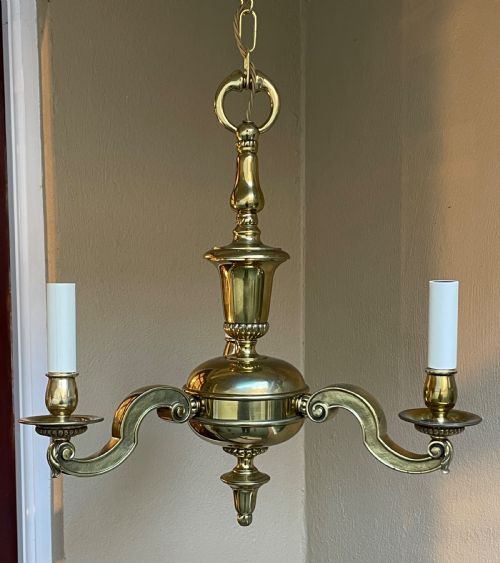
Antique Hanging Lamp
An antique hanging lamp brings warmth to a ceiling, offering brass, glass and crystal forms from Victorian and Edwardian periods.
Antique Hanging Lamp
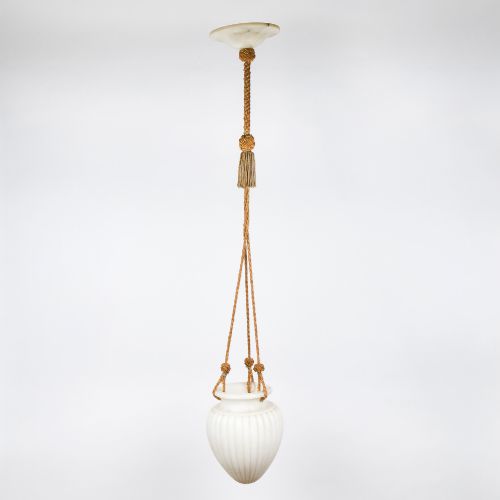
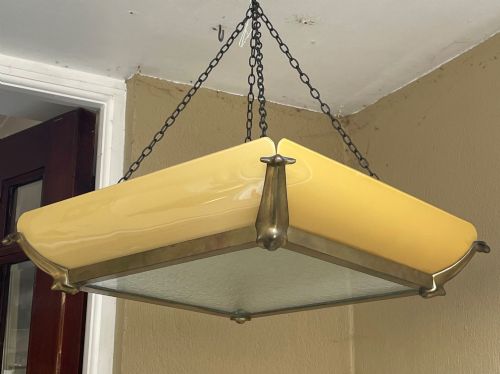
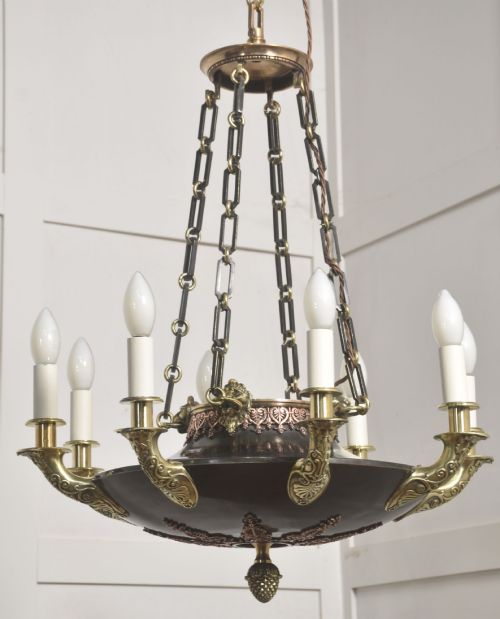
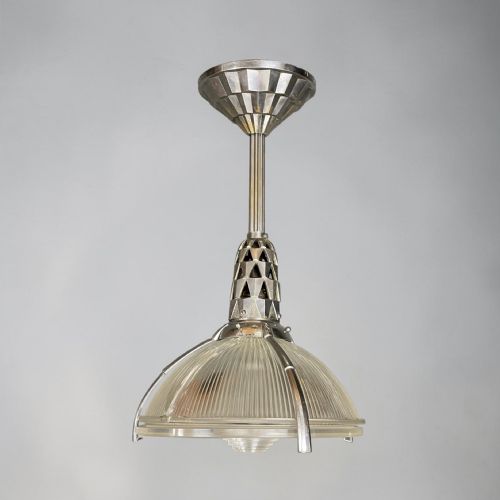
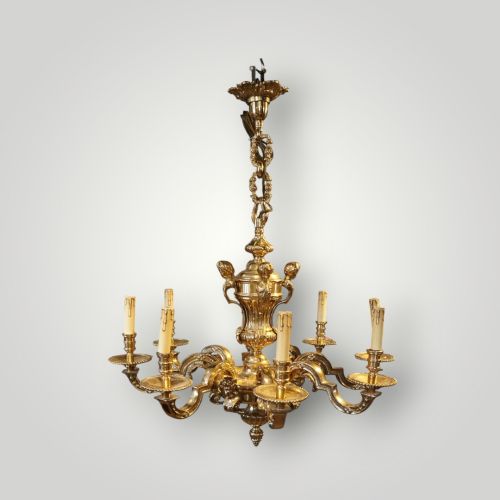
When you search for an antique hanging lamp, you find ceiling lighting ranging from simple pendants to multi-branch chandeliers and hall lanterns. These fixtures originate from the nineteenth century through the 1930s, encompassing Victorian, Edwardian, Art Nouveau and Art Deco styles.
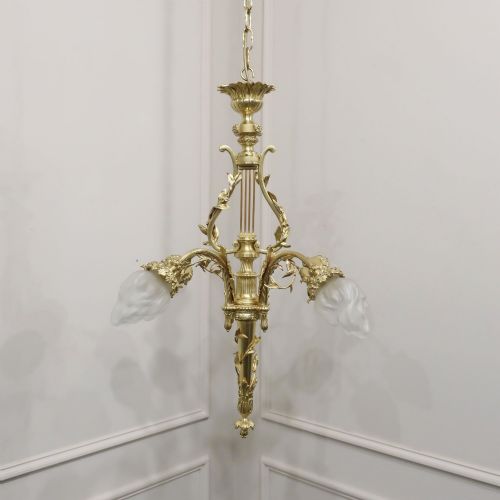
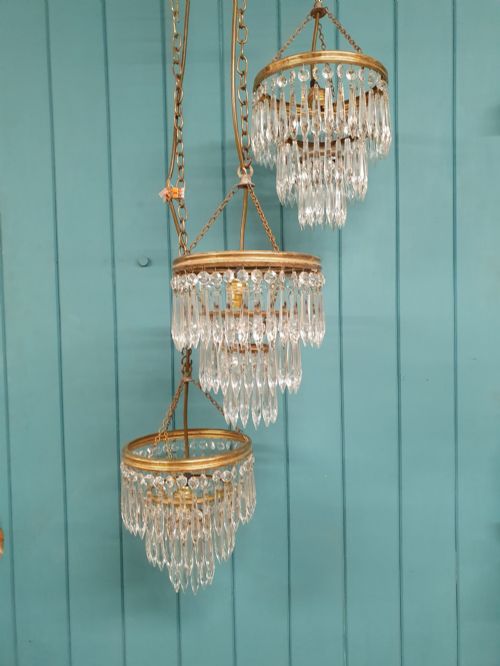
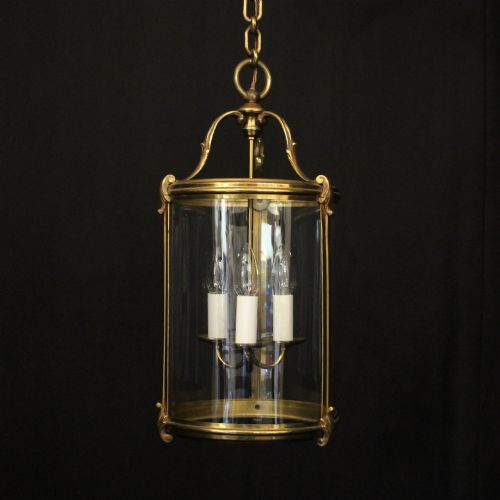
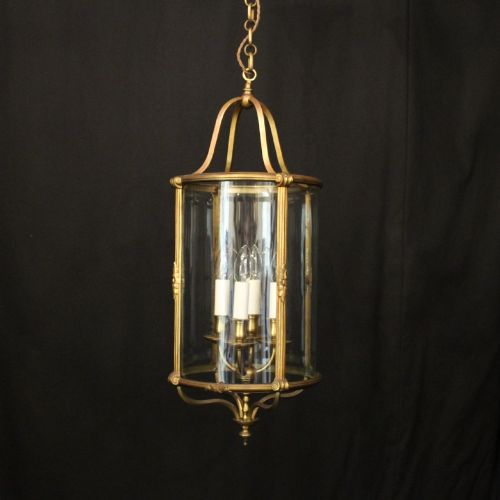
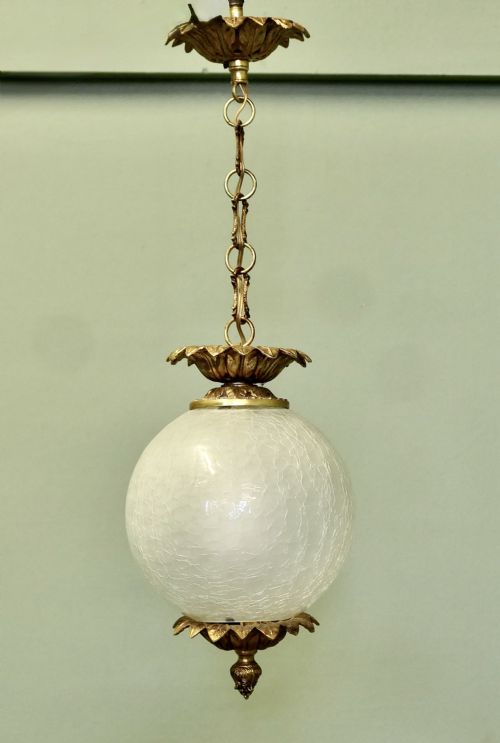
The versions you meet most often on this page are brass framed lanterns, glass globe pendants and multi-light chandeliers in French and English designs. They hang from halls, living rooms and stairwells, fulfilling the practical role of illumination with period character.
How they were made
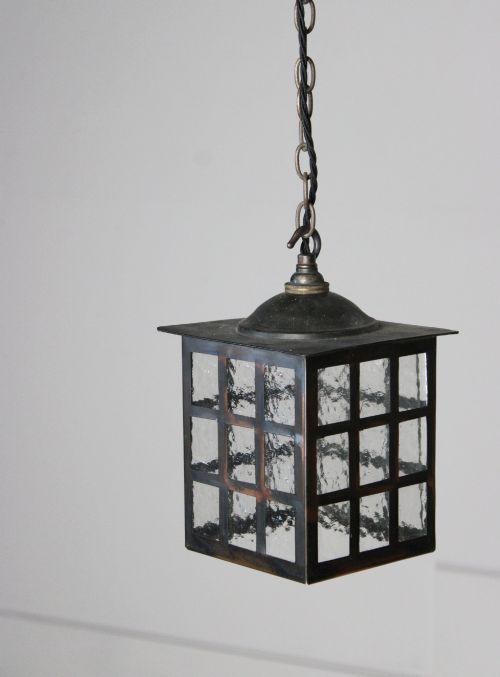
Makers constructed these lamps using metals like brass, copper, bronze and gilt bronze combined with cut glass, crystal, opaline glass and leaded glass. Structural frames were cast, forged in iron or spun from sheet copper and brass.
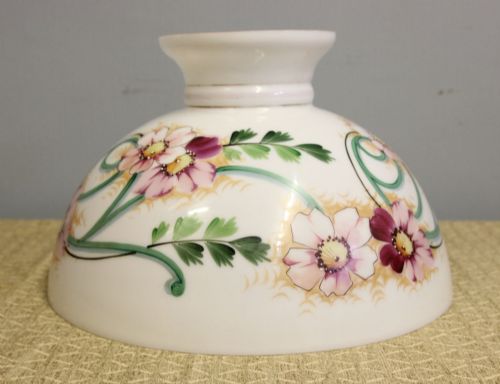
Decorative elements involved hand-painted glass shades, moulded crystal prisms and silver or gold gilding applied to bronze and brass surfaces.
Antique Hanging Lamp Retail Price Guide 2026
Typical asking prices for hanging lamp among the pieces listed under this phrase on Sellingantiques today, from the lower quarter to the upper quarter. They describe what is for sale here now, not the wider market.
Railway carriages once relied on the sturdy copper glow of Victorian hanging lanterns to guide passengers through the steam.
What varies in quality
The distinction between standard production and finer work lies in the crispness of casting detail on brass and bronze mounts, and the depth of cut in crystal and glass components. Hand-painted decoration on shades and the weight of the metal frame indicate the standard of craftsmanship.
Design ambition separates simple utility pieces from elaborate creations like French Neoclassical lyre chandeliers or leaded glass lanterns. Better examples retain original suspension hardware, matching glass shades and integrated burners or fittings.
Émile-Jacques Ruhlmann
The Antique Hanging Lamp Glossary
- Plafonnier
- A ceiling-mounted light fixture that sits close to the surface rather than hanging on a long suspension chain. These often feature cut glass bowls or domes.
- Hall lantern
- A glazed hanging light designed specifically for entranceways and corridors. They typically employ brass or copper frames with glass panels.
- Opaline glass
- A milky, semi-translucent glass popular in lighting shades during the nineteenth and early twentieth centuries. It diffuses light softly across a room.
- Rise and fall chandelier
- A hanging light fitted with a mechanical pulley system that allows the height of the lamp to be adjusted up and down. This mechanism suited rooms with variable lighting needs over tables.
- Gilt bronze
- Bronze metal treated with a fine layer of gold leaf or mercury gilding. Also known asormolu, this finish provides a rich, warm metallic sheen.
Antique Hanging Lamp: Frequently Asked Questions
How do I hang a heavy antique chandelier safely?
Ceiling lights require secure anchorage into ceiling joists using a proper metal mounting bracket that supports the total weight of the bronze or brass frame. Professional electrical installation ensures the wiring matches modern safety standards.
Heavier pieces with crystals and multiple branches need independent load-bearing hooks rather than relying solely on the electrical junction box.
Can I convert an old oil lamp to electricity?
Many Victorian paraffin and oil lamps are adapted for electric bulbs to allow everyday use in modern homes. This process involves running a flex cord through the original burner mechanism without destroying historical components.
Retaining the original Hinks burner or shade gallery preserves the character of the fixture while providing practical illumination.
What is the difference between an Edwardian and Victorian lantern?
Victorian lanterns tend to feature heavier brass construction, ornate leaf designs and robust leaded glass panels. They reflect a preference for robust craftsmanship and traditional forms.
Edwardian and later Art Nouveau examples often display lighter brass framing, cleaner geometric lines or flowing floral motifs inspired by contemporary design movements.
How do I clean cut glass and crystal shades?
Remove delicate glass shades and crystal prisms from the metal frame before cleaning to prevent accidental breakage. Wash them gently in warm water with mild soap and dry them thoroughly with a soft cloth.
Avoid harsh chemical cleaners that can damage antique gilt bronze finishes or aged brass surfaces on the surrounding frame.