




Antique Hand Painted Plaque
These antique hand painted plaque examples bring porcelain, enamel and earthenware wall art from the eighteenth and nineteenth centuries into modern rooms.
Antique Hand Painted Plaque
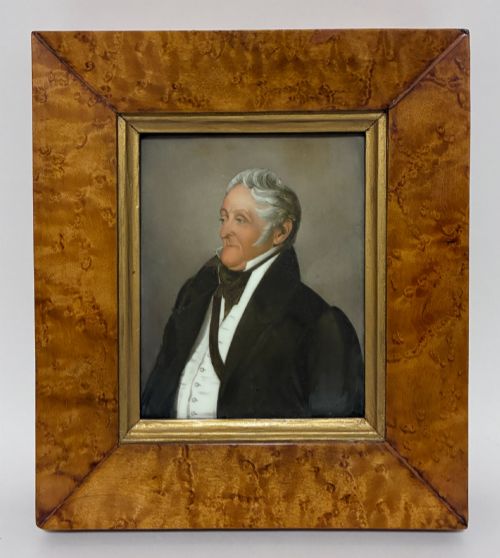
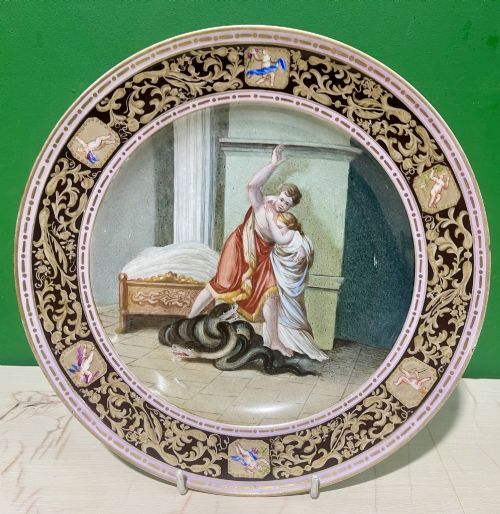
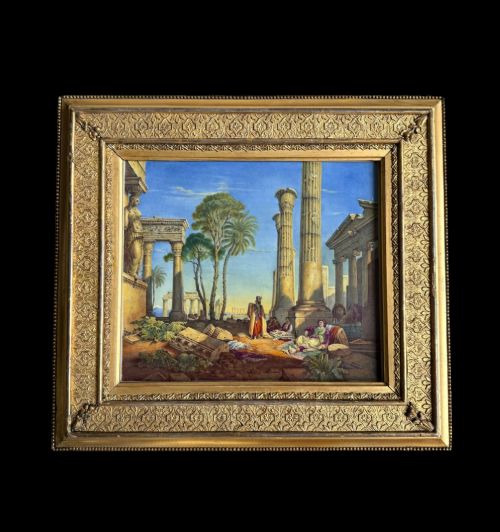
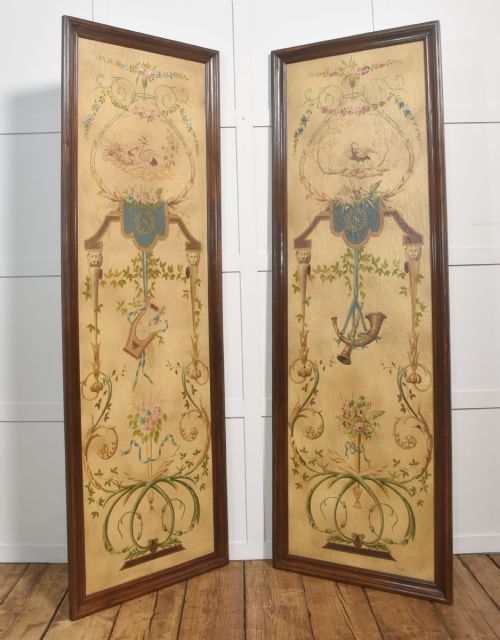
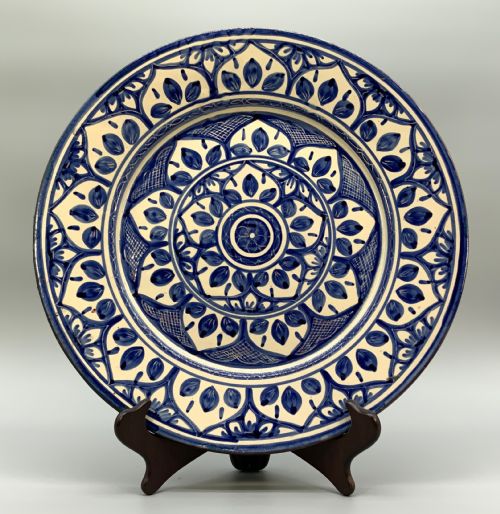
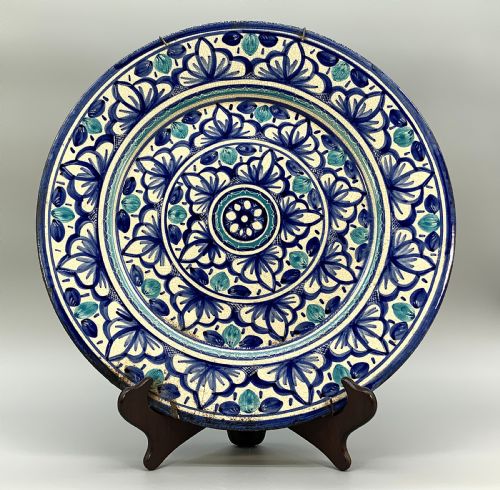
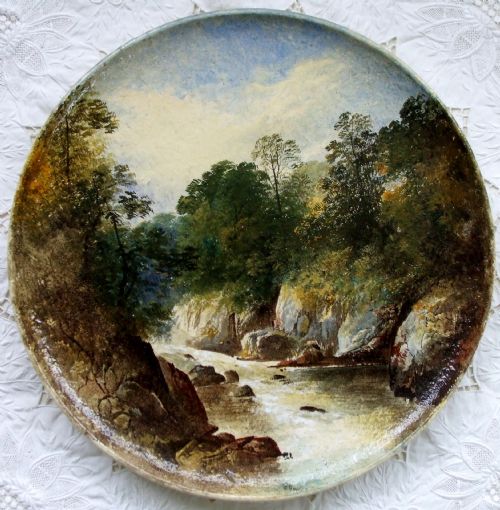
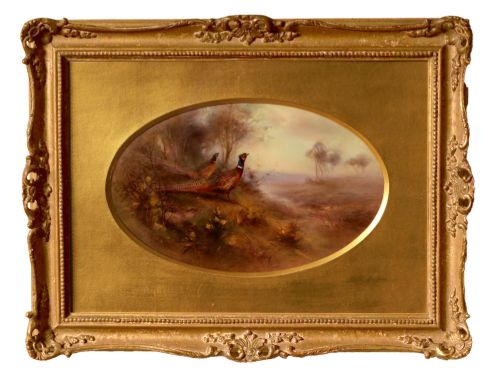
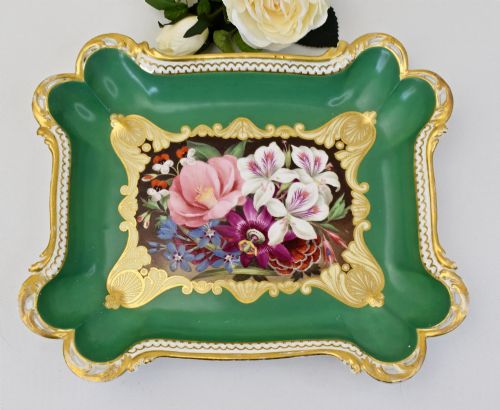
When searching for an antique hand painted plaque, a buyer looks at painted ceramic and porcelain pieces made to hang on walls or sit within cabinets. The selection includes cabinet plates, decorative chargers, porcelain portrait panels and framed continental works.
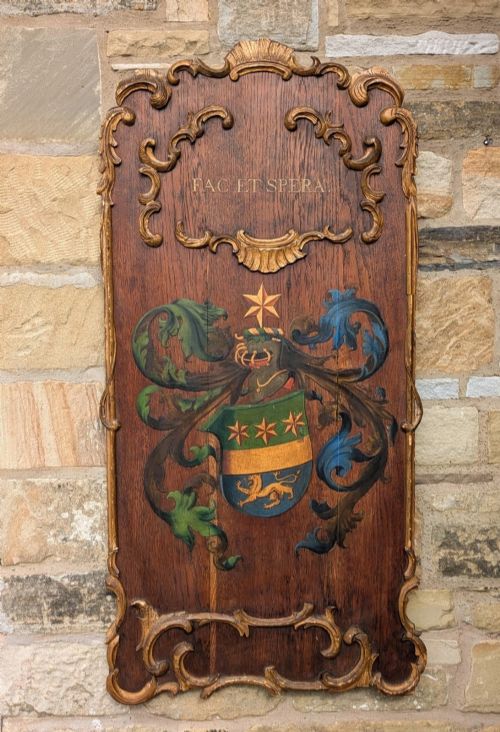
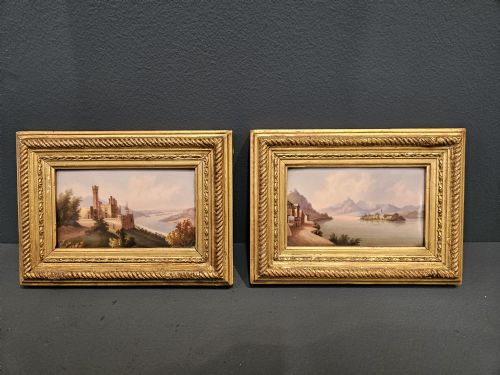
Most pieces seen here date from the nineteenth century, ranging through Victorian, Edwardian and earlier eighteenth century examples. Subjects span classical myth, portraiture, landscapes and heraldry executed by European factories and independent artists.
How they were made
The foundation rests on ceramic bodies such as porcelain, earthenware and faience, shaped into plates, plaques or trays. Artists applied mineral pigments by hand directly onto the glazed or unglazed surfaces before firing.
Many works incorporate gold leaf, gilt highlights or giltwood frames to enhance the painted scenes. Some pieces combine the ceramic plaque with mounts of sterling silver or carved wood frames.
Antique Hand Painted Plaque Retail Price Guide 2026
Typical asking prices for hand painted plaque among the pieces listed under this phrase on Sellingantiques today, from the lower quarter to the upper quarter. They describe what is for sale here now, not the wider market.
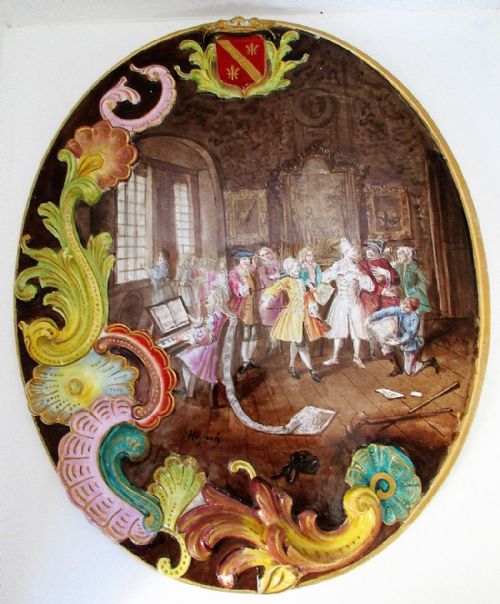
A nineteenth century artist painted an entire moral journey onto an oval faience dish.
What varies in quality
The refinement of the brushwork and the precision of the portraiture or landscape detail dictate the standing of a piece. Works signed by known artists or attributed to major porcelain factories command greater attention from collectors.
The integration of the plaque with its original housing, whether a carved frame, a giltwood mount or a silver setting, influences the integrity of the whole object.
Royal Worcester·Meissen·Vienna
The Antique Hand Painted Plaque Glossary
- Cabinet plate
- A decorative ceramic plate intended for display rather than dining use. These often feature elaborate hand-painted central scenes framed by gilt borders.
- Charger
- A large decorative plate or dish designed to be mounted on a wall or displayed on a sideboard. They frequently display dense floral or figurative patterns.
- Faience
- Tin-glazed earthenware produced in various European centres during the eighteenth and nineteenth centuries. The glaze provides a white opaque surface suitable for hand painting.
- Porcelain plaque
- A flat tablet of fired porcelain created specifically as a canvas for artists. These items were often framed as pictures for wall hanging.
Antique Hand Painted Plaque: Frequently Asked Questions
How were antique porcelain plaques displayed?
These painted panels were typically mounted in wooden or gilt frames for hanging on interior walls. Many were also set into decorative trays, boxes or furniture panels.
Larger charger plates and cabinet plates were often displayed on sideboards or hung using wire brackets designed for heavy ceramics.
What subjects appear on these painted plaques?
Common themes include classical mythology, historical narratives, religious iconography and romantic landscapes. Portraiture of prominent figures and literary scenes also feature frequently across nineteenth century examples.
Artists frequently copied Renaissance masters or painted specific regional views, creating detailed pictorial records on ceramic surfaces.
How do I identify the period of a piece?
Dating relies on factory marks stamped or painted on the reverse of the ceramic body, alongside stylistic clues in the painting. Neoclassical, Victorian and Edwardian aesthetics each brought distinct palettes and border designs.
The framing and mounting techniques, such as nineteenth century silver mounts or carved wooden surrounds, offer further chronological markers.
Are signed plaques more desirable?
Signatures by documented porcelain painters or attribution to specific factories add significant historical interest. Works bearing the names of recognised artists command closer study by collectors.
Unsigned pieces remain valued for the quality of their brushwork, glaze application and overall artistic execution.