

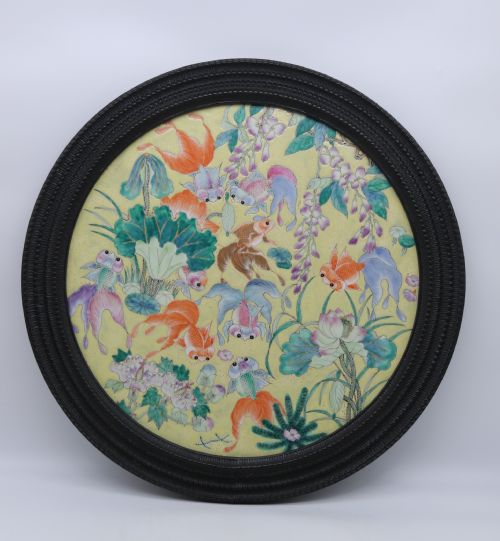


Polychrome Ceramic Wall Plaque
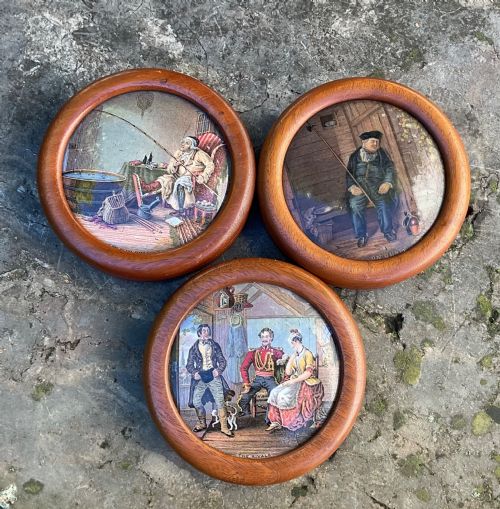
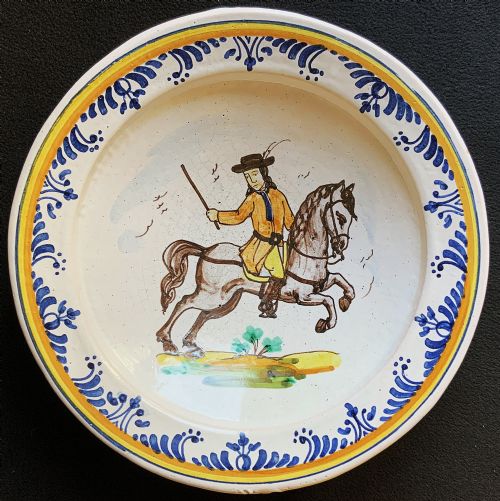
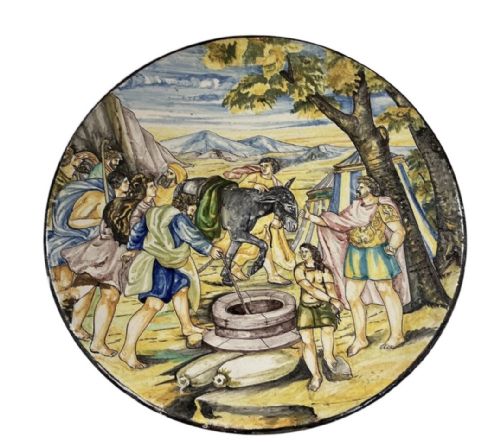
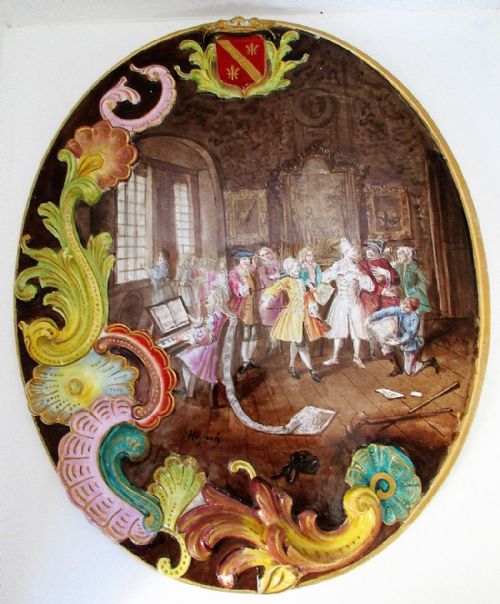
These polychrome ceramic wall plaque examples offer vivid colour and narrative detail, making them striking focal points for any room.
Polychrome Ceramic Wall Plaque
A polychrome ceramic wall plaque brings together rich multi-coloured glazes and fired clay to create decorative art intended specifically for hanging. The search for a polychrome ceramic wall plaque leads buyers through centuries of ceramic tradition, spanning tin-glazed earthenware, porcelain, and faience.
Most pieces met on this page originate from the nineteenth and eighteenth centuries, taking the form of chargers, framed tiles, and oval wall plaques. Subjects range from narrative scenes and classical revival designs to intricate floral motifs and portraits.
Makers across France, Italy, Spain, England, and China applied distinct regional glazing techniques to these surfaces. Buyers often encounter round chargers and rectangular panels decorated by hand with mineral oxides under or over the glaze.
Materials and production methods
Potters shaped earthenware, tin-glazed bodies, and porcelain before applying mineral pigments directly to the surface. Oxides of cobalt, copper, antimony, and iron provided the vibrant multi-coloured palettes seen on these glazed panels.
Many items underwent high-temperature kiln firing to bond the metallic pigments permanently with the liquid glaze. Artisans sometimes mounted pieces in wooden frames or utilised specialised tin-glazes to achieve opaque white backgrounds for detailed hand painting.
Polychrome Ceramic Wall Plaque Retail Price Guide 2026
Typical asking prices for polychrome ceramic wall plaque among the pieces listed under this phrase on Sellingantiques today, from the lower quarter to the upper quarter. They describe what is for sale here now, not the wider market.
The listings span multiple centuries, incorporating seventeenth-century tiles, eighteenth-century Delft and Spanish faience, and nineteenth-century French and Italian works.
Judging the quality of ceramic wall art
Quality rests primarily on the crispness of the hand painting and the depth of the coloured glazes. Master painters achieved fine shading and confident brushwork that elevated simple earthenware into compelling pictorial art.
The sophistication of the composition and the preservation of the glazed surface also dictate distinction. Superior examples display minimal firing distortions and well-balanced palettes that retain their original brilliance.
The Polychrome Ceramic Wall Plaque Glossary
- Polychrome
- Decorated in multiple colours. This term describes ceramics painted with a diverse palette of mineral pigments rather than a single monochrome hue.
- Faience
- Tin-glazed earthenware originating in Europe. The porous clay body receives an opaque white glaze which serves as a smooth ground for painted decoration.
- Charger
- A large decorative plate. These substantial dishes often feature suspension holes or rings on the reverse for display on walls.
- Maiolica
- Italian tin-glazed pottery. This tradition is renowned for bright narrative painting executed in Renaissance and Revival styles.
- Prattware
- English multicoloured earthenware. Potters utilised multi-moulding and fluid coloured glazes to produce popular relief plaques and pot lids.
Polychrome Ceramic Wall Plaque: Frequently Asked Questions
How do I hang a heavy ceramic plaque safely?
Most antique plaques and chargers feature integrated foot rings or wire mounts affixed securely to the reverse. Ensure any hanging hardware used on the wall matches the weight and dimensions of the specific piece.
For heavier chargers, consult a professional framer to provide a custom support bracket that distributes the weight evenly without stressing the ceramic body.
What is the difference between earthenware and porcelain plaques?
Earthenware is fired at lower temperatures, producing a porous, opaque body that requires a tin-glaze to hold painted detail. Porcelain utilises refined kaolin clay fired at much higher temperatures to create a dense, vitrified, and often translucent material.
Earthenware pieces like faience and maiolica typically show thicker bodies, whereas porcelain panels offer a finer, smoother surface suited to delicate portraiture.
How should I clean my wall plaque?
Dust the surface gently with a soft, dry microfibre cloth to remove everyday particles. Avoid using chemical cleaners, abrasive pads, or excessive water, which can damage aged glazes.
If deeper cleaning is required, lightly dampen the cloth with distilled water and dry the piece immediately with a soft towel.
Can I display ceramic plaques in direct sunlight?
Prolonged exposure to direct sunlight can fade the delicate mineral pigments used in antique glazes over time. Position your wall art away from windows receiving harsh, direct rays to preserve the original colour vibrancy.
Indirect ambient light is ideal for showcasing the detailed brushwork without risking ultraviolet degradation.