



French Decorative Wall Charger
A french decorative wall charger brings hand-painted colour and historical narrative straight to a room, offering centuries of European artistry for your walls.
French Decorative Wall Charger
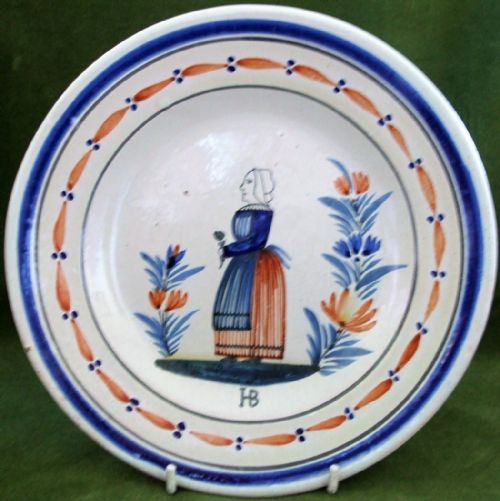
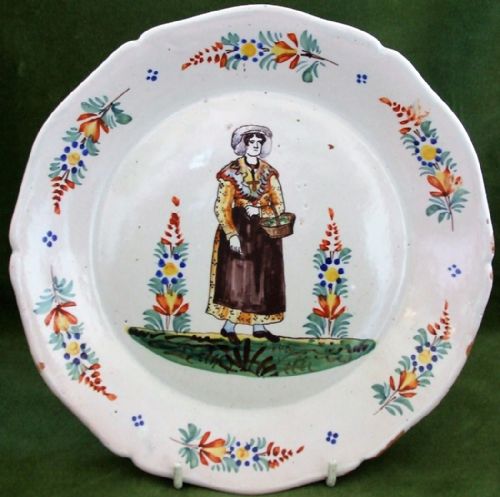
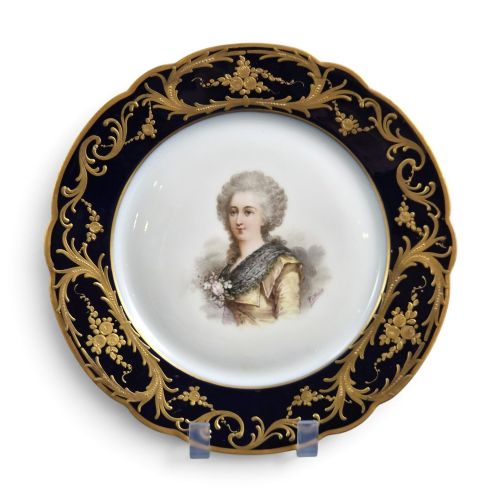
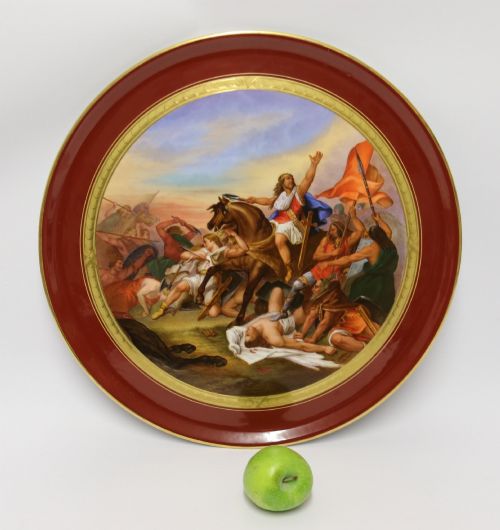
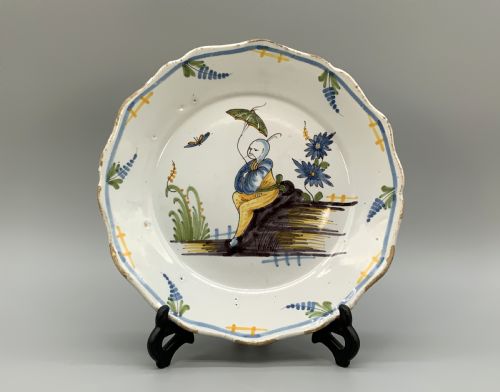
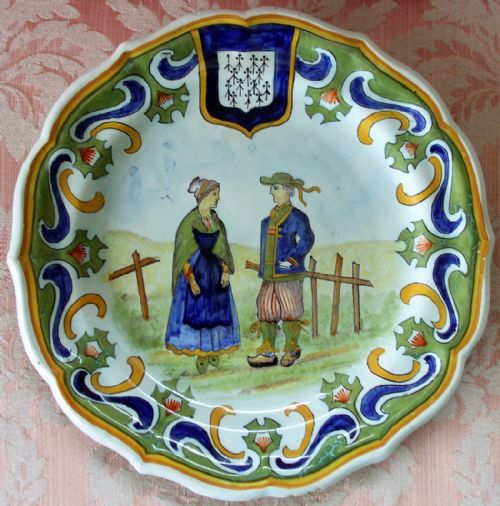
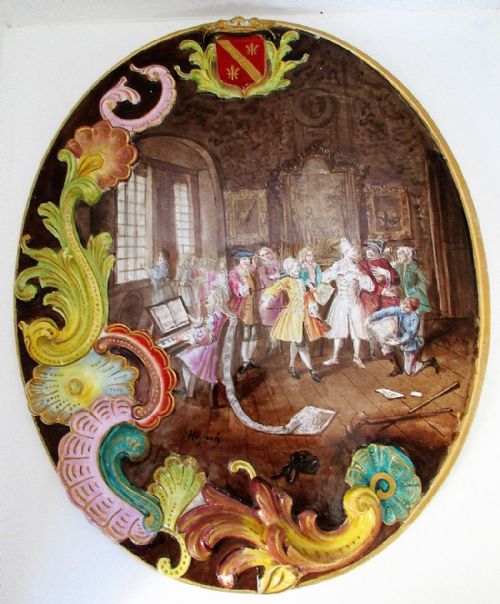
You are most likely to meet tin-glazed earthenware and faience plates on this page, often bearing hand-painted scenes, portraits, or historical narratives. Examples span from regional centres like Quimper, Nevers, Lille, and Desvres to Paris porcelain manufactories. Forms range from round chargers and oval plaques to cabinet plates and commemorative dishes.
These items served an aesthetic purpose rather than a functional one at the dining table, often pierced at the footring for hanging or executed in substantial dimensions. The designs encompass Chinoiserie patterns, royal portraits, and battle scenes executed in rich palettes of cobalt, manganese, and yellow. Each piece acts as a tangible record of French ceramic and metalworking traditions from the eighteenth and nineteenth centuries.
How They Were Made
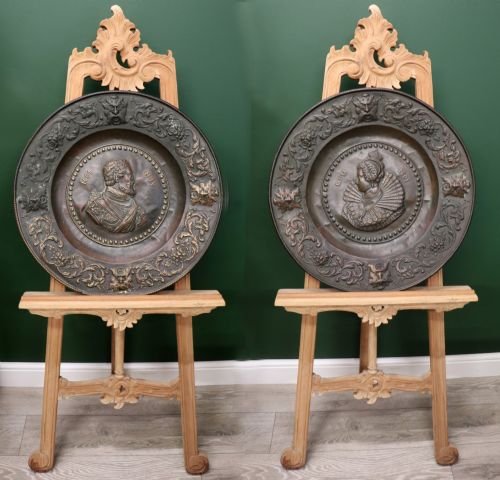
Makers utilised tin glaze and earthenware bases to produce traditional faience, applying opaque white enamel before hand-painting intricate motifs directly onto the surface. Porcelain pieces required careful firing in the manner of Sèvres, often enriched with cobalt blue grounds and applied gold leaf. Metal chargers in copper, bronze, or pewter relied on casting and chasing techniques to achieve high-relief portraits and decorative borders.
The decorative process demanded skilled painters who could execute detailed figures, inscriptions, and botanical borders freehand onto raw glaze or porcelain bodies. Regional potteries employed distinct local clays and firing temperatures, resulting in the characteristic weight and surface texture seen across nineteenth and eighteenth-century examples.
French Decorative Wall Charger Retail Price Guide 2026
Typical asking prices for french decorative wall charger among the pieces listed under this phrase on Sellingantiques today, from the lower quarter to the upper quarter. They describe what is for sale here now, not the wider market.
Several pieces boldly record historical disputes and literary rogues, proving that ancestors enjoyed a good gossip on their dinnerware just as much as we do.
What Varies in Quality
The standard of a french decorative wall charger rests upon the precision and ambition of its hand-painted imagery, separating casual regional wares from masterwork cabinet pieces. Finer examples display meticulously rendered historical figures, subtle facial expressions, and complex polychrome palettes without blurring or misfired glaze pooling. The crispness of relief work on metal chargers or the delicacy of gilding on porcelain surfaces dictates the upper tier of the range.
Origin and attribution heavily influence distinction, with pieces bearing documented signatures from notable workshops or specific towns holding greater visual and historical coherence. The handling of glaze depth, the harmony of secondary colours like manganese and yellow, and the overall balance of the painted composition reveal the maker's training and intent.
Antoine Montagnon
The French Decorative Wall Charger Glossary
- Faience
- Tin-glazed earthenware produced in France, known for its opaque white surface and hand-painted polychrome decoration. This technique allowed regional potteries to emulate higher-status tin-glazed wares.
- Charger
- A large decorative plate or dish intended for display on a wall or sideboard rather than daily dining use. These pieces often feature substantial diameters and pierced bases for hanging.
- Cabinet Plate
- A fine porcelain or ceramic plate created specifically for display in a glass-fronted cabinet or on a wall. They frequently depict intricate historical scenes, portraits, or royal subjects.
- Tin Glaze
- An enamel glaze containing tin oxide that fires to an opaque, milky white finish. It provides an ideal canvas for direct brushwork in cobalt and other ceramic pigments.
- Chinoiserie
- A European decorative style reflecting Chinese artistic influences, frequently seen in eighteenth-century faience designs. It incorporates fantastical figures, pagodas, and stylised foliage.
French Decorative Wall Charger: Frequently Asked Questions
How were wall chargers displayed in period interiors?
These large plates and plaques were hung directly on walls or set upon buffets to showcase wealth, taste, and patriotic or historical loyalties. Many incorporate factory-made holes in the footring specifically for suspension.
In domestic settings, they served as permanent works of art rather than utility items, filling wall space with rich colour and narrative detail.
What is the difference between faience and porcelain chargers?
Faience consists of tin-glazed earthenware with a porous clay body and an opaque white surface that absorbs hand-applied pigments. Porcelain uses a dense, vitrified white body fired at higher temperatures to achieve a glass-like finish.
Porcelain pieces often display finer detail and gilded highlights in the manner of Sèvres, whereas faience offers a more robust, folk-art character.
How do I distinguish eighteenth-century pieces from nineteenth-century revivals?
Eighteenth-century pieces typically exhibit the softer glaze properties, palette limitations, and potting techniques characteristic of early regional French kilns. Nineteenth-century examples often reflect revival styles such as Louis XVI or Rococo Revival, employing brighter synthetic colours and sharper industrial porcelain bodies.
Examining the footring, glaze pooling, and painting style helps determine the exact period of manufacture.
Can these wall chargers safely support hanging wires?
Most antique chargers featuring original pierced footrings or substantial metal construction can support appropriate wall-mounting hardware. Specialised spring-loaded plate hangers distributed evenly around the rim are also utilised for unpierced ceramic bodies.
Careful assessment of the ceramic weight and any existing hairline fractures ensures secure long-term display.