


Antique Hall Table Drawers
These antique hall table drawers offer practical storage and timeless form, shaped from timber by generations of cabinetmakers.
Antique Hall Table Drawers
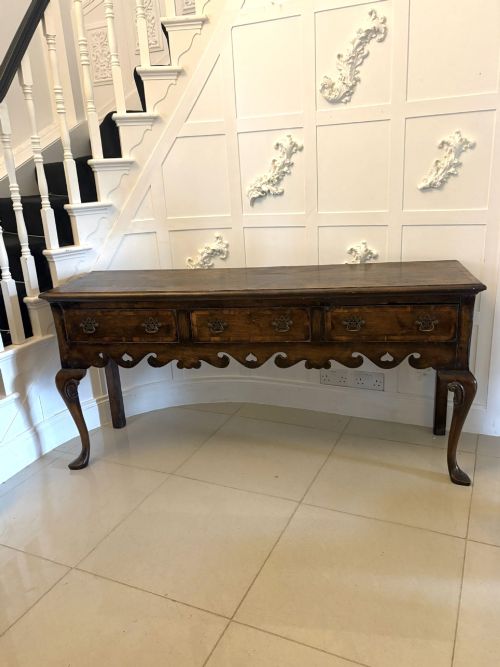
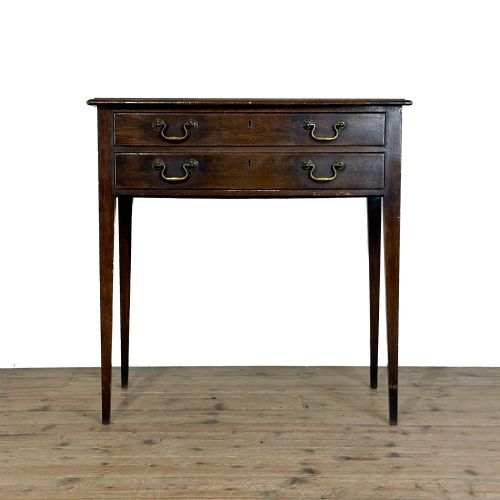
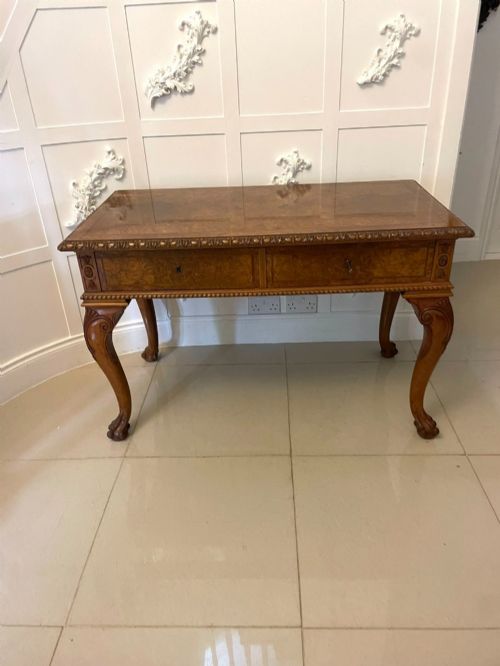
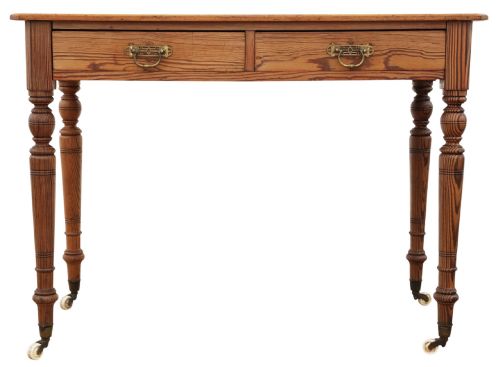
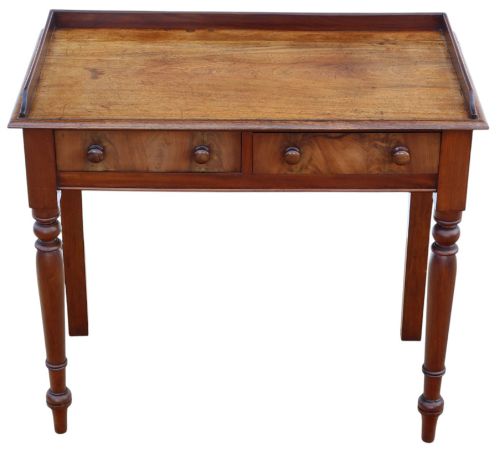
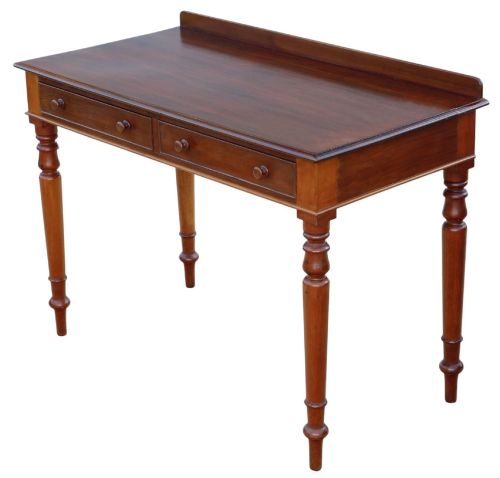
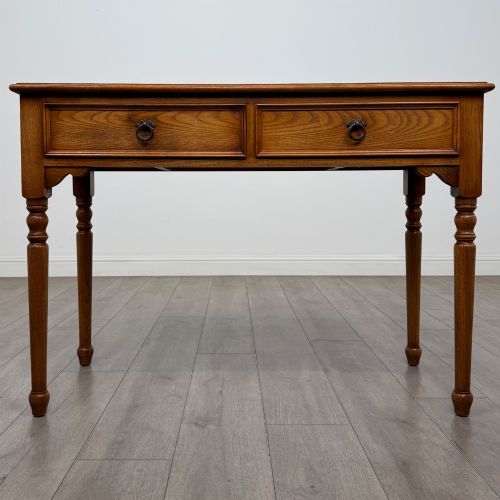
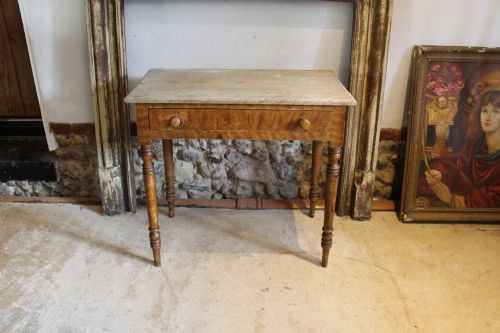
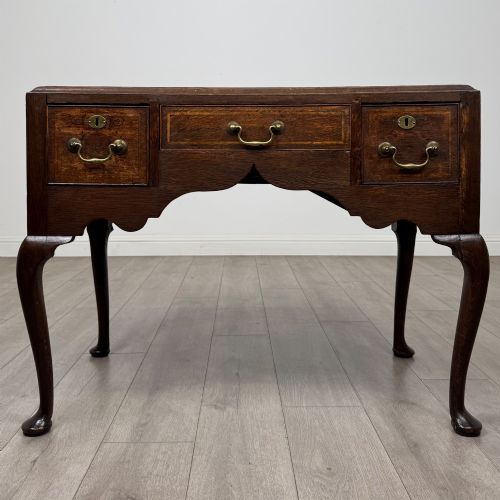
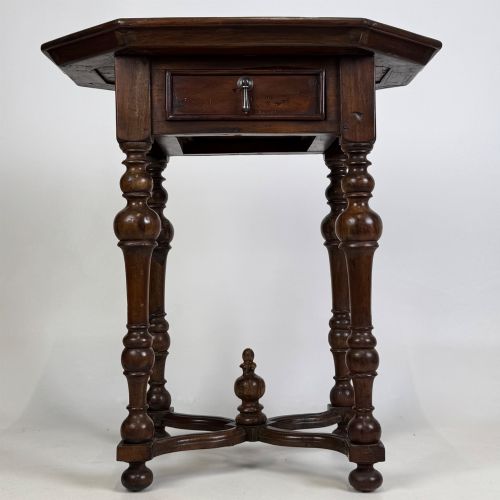
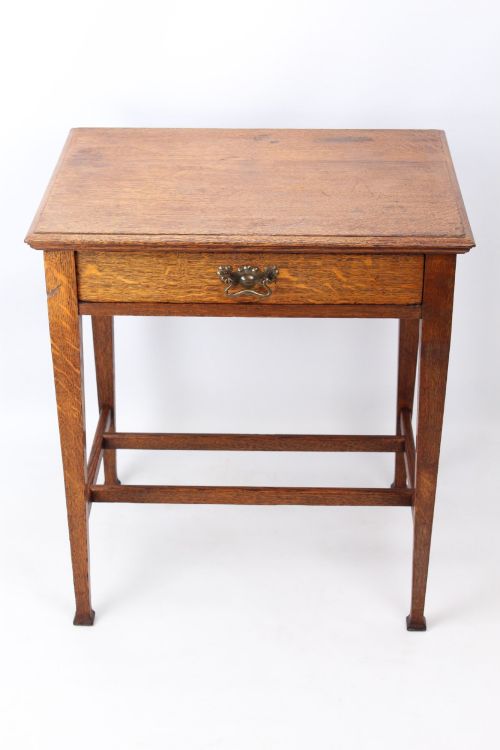
When searching for antique hall table drawers, collectors encounter pieces spanning from the seventeenth century through the Edwardian era, including Georgian lowboys, Victorian desks, and provincial side tables. These furnishings served various domestic functions in entryways, parlours, and chambers, providing a surface for correspondence or illumination alongside concealed storage in frieze drawers.
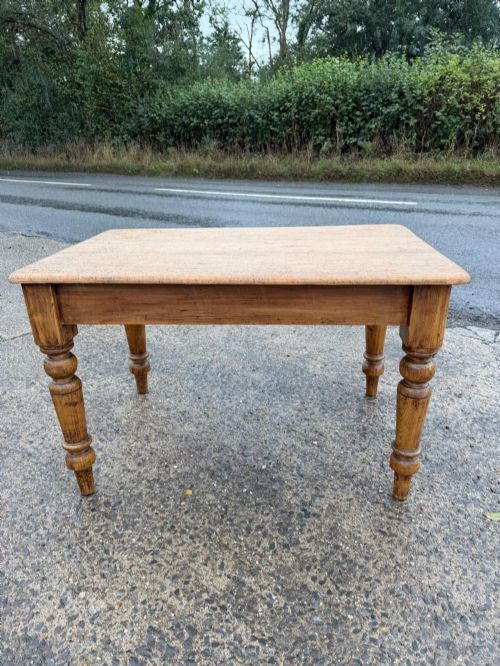
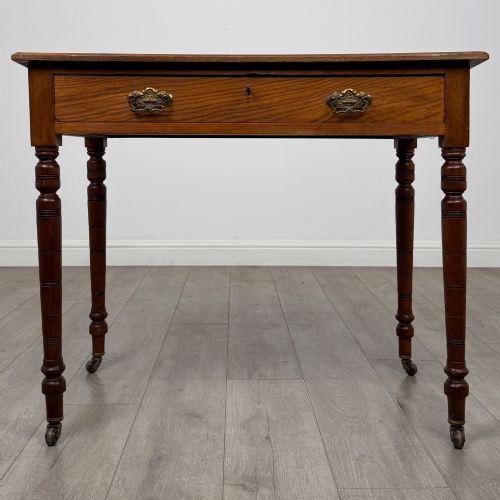
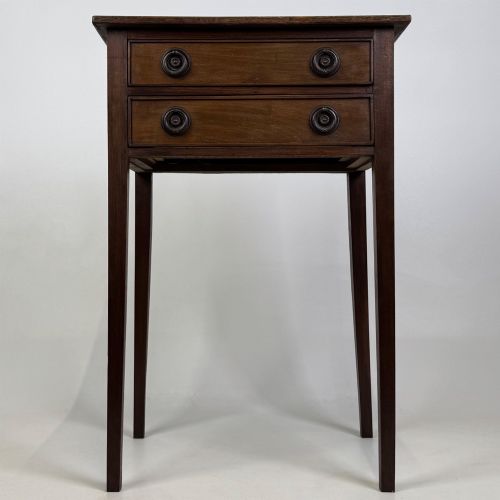
The pieces appearing on this page take multiple forms, from simple pine and pitch pine servers to sophisticated mahogany writing tables, burr walnut consoles, and oak dresser bases. Oak and mahogany predominate across the selection, complemented by walnut, elm, fruitwood, and pine, reflecting both formal urban workshops and country vernacular traditions.
How They Were Made
Cabinetmakers constructed these tables using solid hardwoods such as oak, mahogany, and walnut, alongside softer timbers like pine and fruitwood for secondary framing or provincial pieces. Joinery relied on traditional hand-cut joints, while drawer construction frequently incorporated dovetailed sides to ensure durability under daily use.
Surfaces received various finishes depending on the period and regional style, ranging from transparent polishes that highlight flame mahogany and burr walnut grain to scumble paint and decorative faux bamboo turning.
Antique Hall Table Drawers Retail Price Guide 2026
Typical asking prices for hall table drawers among the pieces listed under this phrase on Sellingantiques today, from the lower quarter to the upper quarter. They describe what is for sale here now, not the wider market.
Listings feature oak, mahogany, walnut, pine, and pitch pine across Georgian, Victorian, and Edwardian periods.
What Varies in Quality
Quality rests upon the selection of timber and the precision of the underlying construction. Pieces utilising figured mahogany, burr walnut, or dense early oak demonstrate greater ambition from the maker than plain deal or standard softwood alternatives.
Refinement in carving, the crispness of mouldings, and the retention of original brass handles or fitted drawer interiors separate standard utilitarian items from exceptional examples produced by prominent workshops.
Heal and Son
The Antique Hall Table Drawers Glossary
- Lowboy
- A small seventeenth or eighteenth-century table with one or more drawers, typically used as a dressing table or side table. These pieces often feature cabriole legs or turned supports.
- Frieze
- The horizontal band situated immediately beneath the tabletop, which frequently houses the integrated drawers on these tables. It often defines the stylistic period through its moulding or carving.
- Dresser base
- A robust lower sideboard or serving table fitted with drawers, originating in country houses and provincial dwellings. They provide substantial surface area and deep storage capacity.
- Sofa table
- A rectangular occasional table designed to stand in the centre of a room or before a sofa, generally featuring drop leaves and twin drawer compartments. The form gained popularity during the Regency period.
- Scumble
- A translucent decorative paint layer applied over a base colour to simulate the appearance of more expensive figured wood or grain patterns. It appears on provincial Victorian furniture.
Antique Hall Table Drawers: Frequently Asked Questions
How do I date an antique hall table?
Dating relies on examining the timber species, construction methods, and hardware style. Earlier pieces from the seventeenth and eighteenth centuries typically employ pegged oak joinery and hand-carved details, while Victorian and Edwardian examples often utilise machine-sawn elements and factory-produced brasses.
Secondary woods inside the drawers also offer clues, as provincial makers frequently used local fruitwoods or pine alongside primary hardwoods.
Where should I place a hall table with drawers?
These tables suit narrow circulation spaces, entryways, and landings where surface space and discreet storage are required. The shallow depth of typical side tables and writing desks allows them to sit flush against walls without obstructing pathways.
The integrated drawers provide convenient storage for correspondence, keys, and everyday items, keeping surfaces clear.
How do I care for antique wood furniture?
Maintenance involves keeping wooden surfaces away from direct heat sources and strong sunlight, which can dry out timber and crack polishes. Regular dusting with a soft, dry cloth preserves the finish without requiring harsh chemical sprays.
Applying a traditional beeswax polish occasionally helps nourish older oak, mahogany, and walnut surfaces.