





Antique Haberdashery Case
An antique haberdashery case organises small retail stock and sewing tools behind glass, bringing robust commercial joinery into domestic rooms.
Antique Haberdashery Case
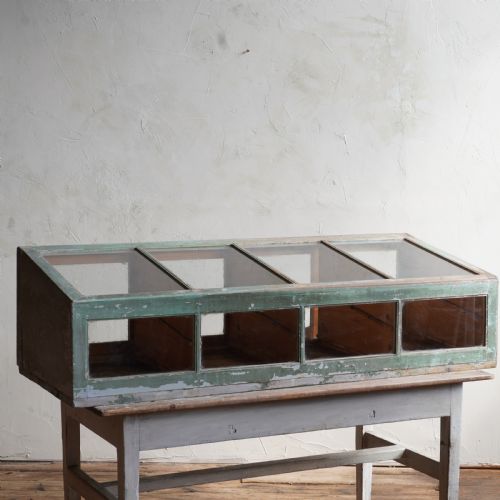
When searching for an antique haberdashery case, collectors encounter shop display cabinets, retail counters, and small sewing accessories spanning the Victorian and Edwardian eras. These objects range from large oak and mahogany shop display cabinets down to tabletop cases built for cottons and thimbles.
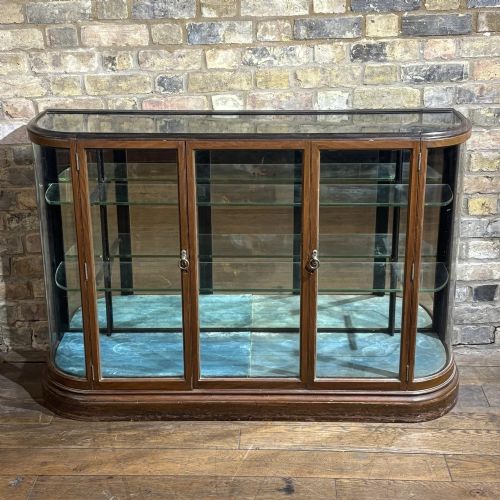
The versions met most frequently on this page include mahogany countertop display cabinets and Edwardian shop display cases originally utilised by merchants. Smaller items such as silver needle cases and cased thimbles also appear alongside the larger commercial furniture.
Originating primarily from late nineteenth and early twentieth-century retail environments, these pieces combine glazed viewing areas with timber frames. They translate utilitarian shop fittings into functional display furniture for the modern interior.
What varies in quality
The standard of construction separates utilitarian trade carcasses from retail pieces built by notable shopfitters with curved glass and mirrored backs. Finer examples display refined timber selection, such as solid mahogany framing and precise architectural mouldings.
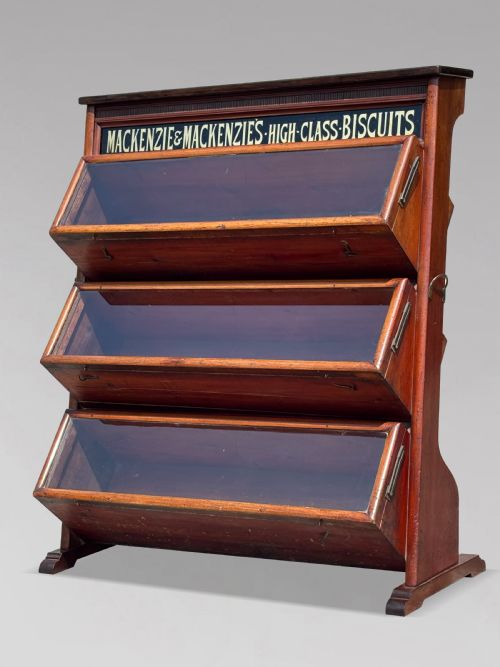
Original signage, makers' plates, and intact internal fittings elevate specific counters and cabinets above standard workshop output. The integrity of the original glazing and the finish of the woodwork determine the overall standing of each piece.
Antique Haberdashery Case Retail Price Guide 2026
Typical asking prices for haberdashery case among the pieces listed under this phrase on Sellingantiques today, from the lower quarter to the upper quarter. They describe what is for sale here now, not the wider market.
Several cases retain handwritten signs from gunsmiths and chocolatiers, preserving forgotten high street trades beneath the glass.
F. Sage & Co.·Charles Horner·Walter & George Myers·John Stow Ltd of Bradford·Saml. Elliott & Sons
The Antique Haberdashery Case Glossary
- Vitrine
- A glass display cabinet used for exhibiting objects. These cases often feature glazed sides to maximise light penetration.
- Bow end
- A cabinet or counter featuring a rounded, curved glass front. This shape allows customers to view contents from multiple angles.
- Etui
- A small ornamental case for holding needles, cosmetics, or sewing accessories. Victorian examples frequently utilise brass or sterling silver.
- Countertop
- A smaller display case designed to sit upon a retail service counter. These items bring merchandise directly to eye level for customers.
- Ebonised
- Wood finished to resemble ebony through staining or painting. This technique creates a dark, uniform surface seen on twentieth-century frames.
Antique Haberdashery Case: Frequently Asked Questions
What is an antique haberdashery case?
An antique haberdashery case is a glazed display unit or countertop cabinet originally used in shops to store and exhibit small goods, ribbons, or sewing supplies.
Today, these timber and glass cabinets serve as display furniture in homes for collections, curiosities, and tableware.
How do I date an antique display case?
Dating relies on timber choices, construction methods, and hardware styles, transitioning from heavy Victorian mahogany to lighter Edwardian frames and 1930s metal structures.
Maker signatures, trade labels, and glass production techniques further help narrow down the period of manufacture.
How were shop display counters used?
Merchants placed these counters near shopfronts to display attractive small wares while protecting stock behind locked glass doors.
Retail staff could reach inside from the back while customers viewed the items from the front of the counter.
Can I use a shop counter at home?
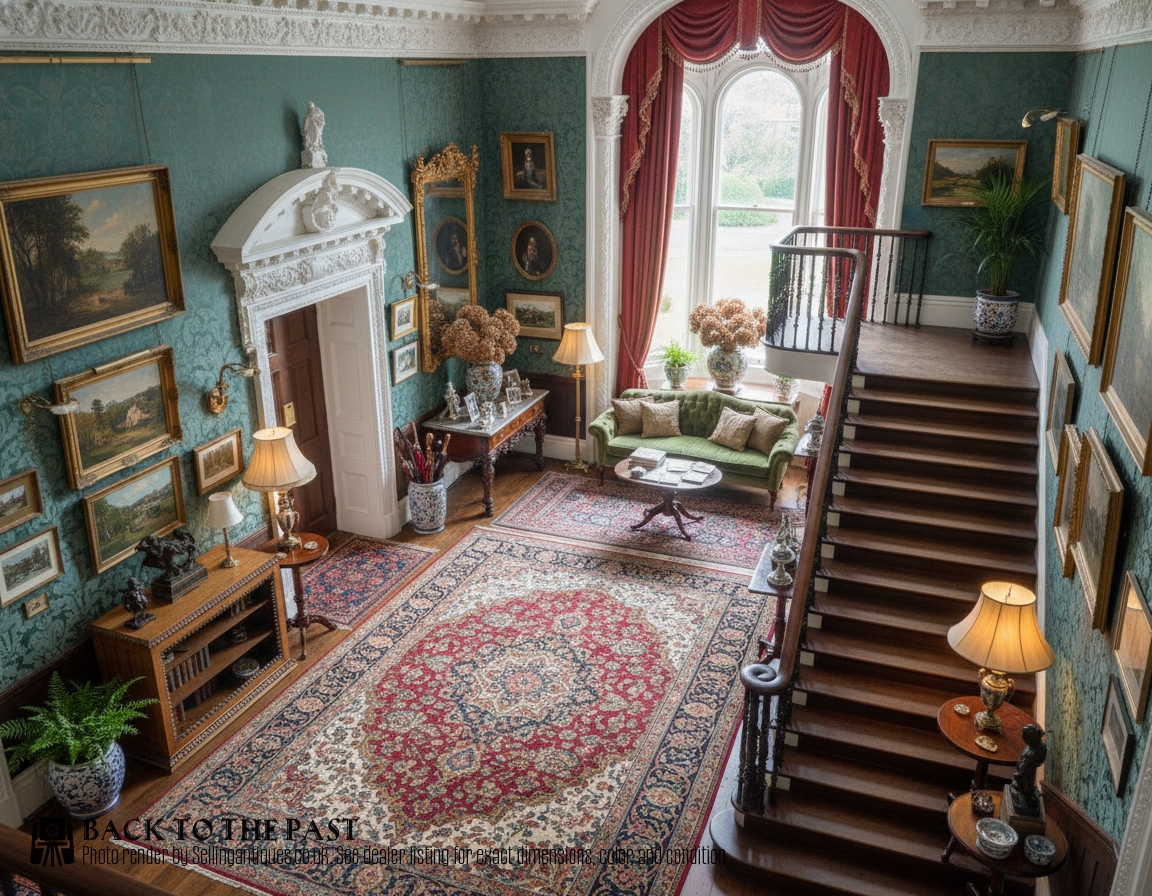
These counters adapt well to modern domestic spaces as kitchen islands, sideboards, or living room display surfaces.
The glass top and enclosed shelving protect delicate items from dust while keeping them visible.
What woods were used for shop cabinets?
Cabinetmakers primarily selected durable hardwoods like mahogany and oak to withstand heavy daily commercial use in retail environments.
Some pieces also incorporated ebonised finishes or alternative metals such as brass and aluminium in later decades.