





Glass Shelf Vitrine
Glass shelf vitrine display pieces combine timber frames with transparent panels to hold and show treasured possessions.
Glass Shelf Vitrine
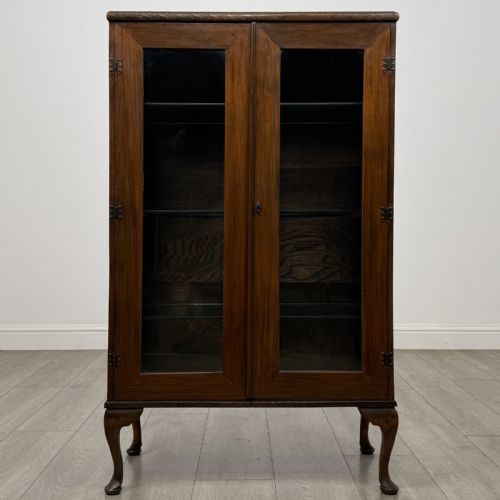
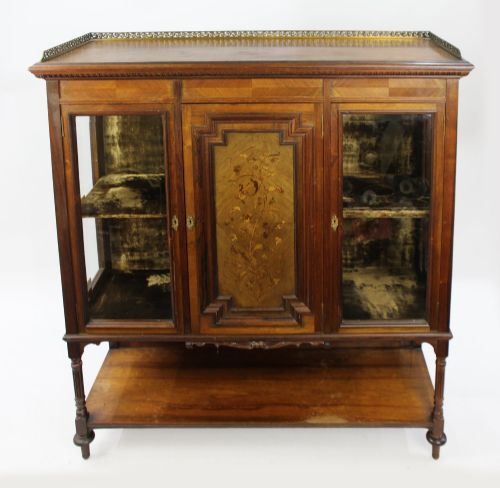
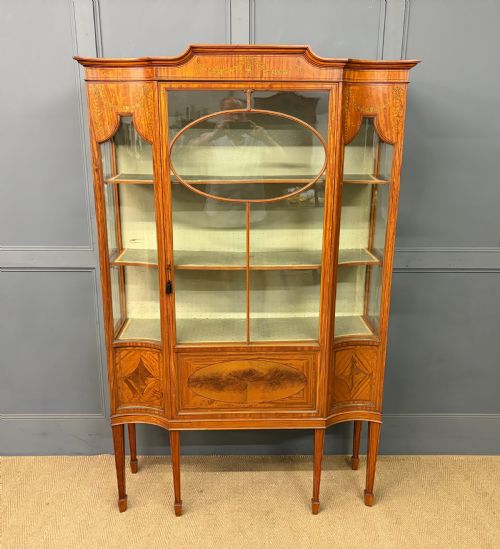
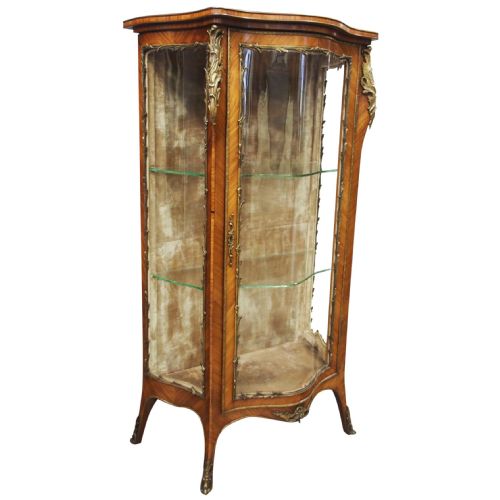
A glass shelf vitrine functions as a display cabinet, bookcase, or counter case designed to exhibit objects through transparent panes. Buyers searching this phrase meet Edwardian mahogany models, Victorian and late nineteenth-century French pieces, and occasional Art Deco variations.
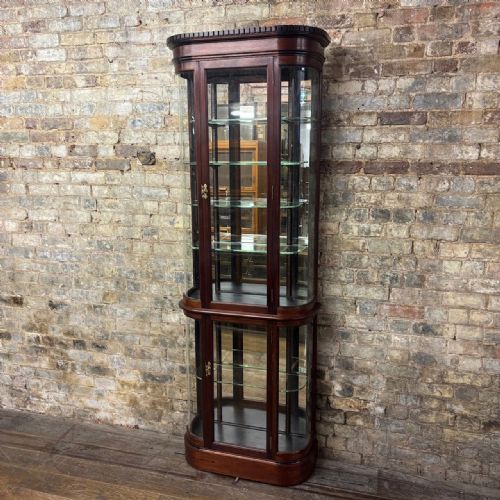
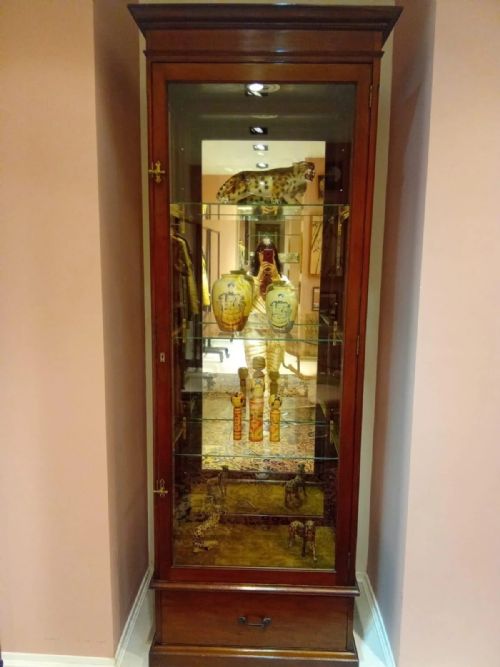
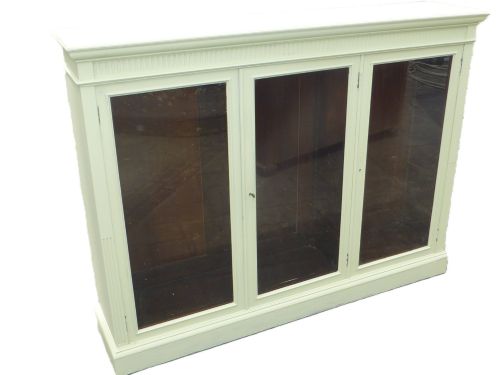
The form ranges from tall two-part glazed cabinets and concave bookcases to octagonal jardiniere display cases and retail shop counters. Most examples incorporate internal glass shelves supported by timber or brass fittings.
Origins span British workshops, French ateliers, and Asian export production, demonstrating diverse regional aesthetics within the same cabinetry tradition.
Materials and construction methods
Frames rely on solid timbers such as mahogany, oak, rosewood, kingwood, satinwood, and burr walnut, often enhanced with brass mounts, ormolu, and mirror backs.
Glazing techniques allow light to enter from multiple angles, while inlaid marquetry, mother-of-pearl, and painted surfaces decorate the structural wood.
Internal layouts frequently utilise adjustable glass shelves to accommodate objects of varying heights.
Glass Shelf Vitrine Retail Price Guide 2026
Typical asking prices for glass shelf vitrine among the pieces listed under this phrase on Sellingantiques today, from the lower quarter to the upper quarter. They describe what is for sale here now, not the wider market.
Judging cabinet quality
The refinement of timber selection and the precision of marquetry inlay set superior examples apart from standard utility furniture. Finer pieces employ figured veneers and careful grain matching across the doors and panels.
Hardware quality, including cast brass mounts, ormolu details, and functional locking mechanisms, indicates the standard of original workshop production. Structural integrity in the door frames and shelf supports ensures long-term stability for heavy glass components.
Maple & Co.·Epstein·John Stow Ltd of Bradford·Thomas Justice & Sons
The Glass Shelf Vitrine Glossary
- Vitrine
- A glass-fronted cabinet or display case used for showing ornaments, books, or curiosities. The term derives from the French word for glass.
- Ormolu
- Gilt-bronze mounts applied to furniture for decorative effect. This technique was widely utilised in French and revival styles.
- Marquetry
- Decorative patterns formed by fitting together small pieces of veneer. Craftsmen use contrasting woods to create pictorial or geometric designs.
- Bijouterie cabinet
- A shallow display table or cabinet with a glass top and shelves designed for small valuables and jewellery. These pieces often feature hinged lids for top access.
Glass Shelf Vitrine: Frequently Asked Questions
What is a glass shelf vitrine used for?
These cabinets serve to display collections of porcelain, glassware, books, and curiosities while protecting them from dust. The transparent panes and glass shelves allow light to pass through the interior, illuminating the items on show.
Historically, they occupied drawing rooms and parlours where hosts presented their valued possessions to guests. Retail versions similarly served shops and museums for merchandise exhibition.
How do I date an Edwardian display cabinet?
Edwardian pieces typically date from the period between 1901 and 1910, often featuring Sheraton revival mahogany styling with delicate satinwood inlay. They tend to have lighter frames and more restrained ornamentation than their Victorian predecessors.
Examining the construction methods, interior fittings, and secondary timbers helps confirm the manufacturing era.
Can the shelves be adjusted?
Many examples include adjustable glass or wooden shelves supported by rack-and-pinion mechanisms or metal shelf supports. This adaptability allows the display space to accommodate taller objects.
Original adjustable hardware often bears the marks of the period and aids in verifying authenticity.
Where should I place a vitrine at home?
Positioning these cabinets away from direct sunlight protects both the wooden frames and the displayed items from fading. Placing them in rooms with stable ambient temperatures prevents timber movement.
Ensure the floor is level so the glazed doors hang true and open smoothly.