
Antique Gul Carpet
An antique gul carpet brings the rich tribal heritage of Central Asia into your home with its repeating medallion motifs and deep red tones.
Antique Gul Carpet
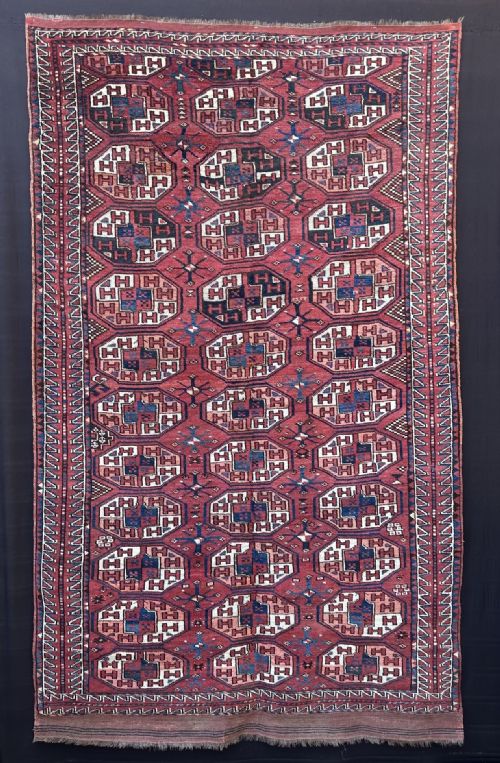
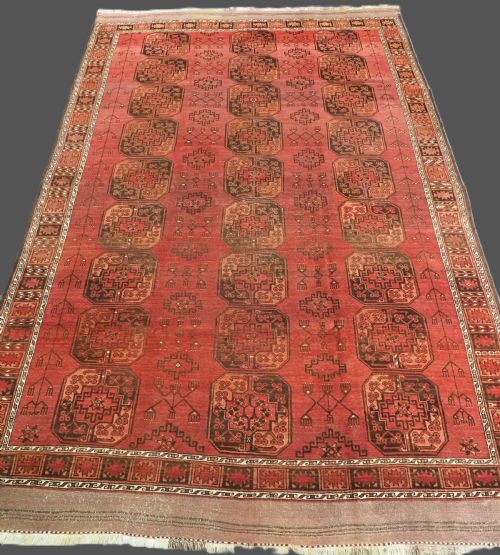
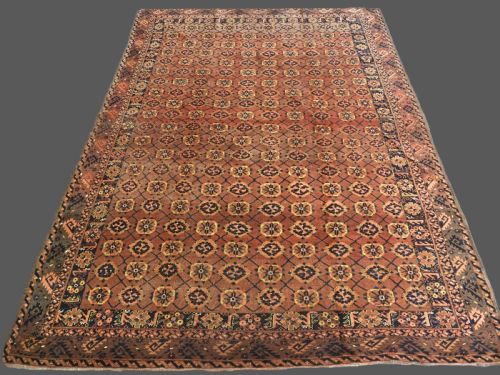
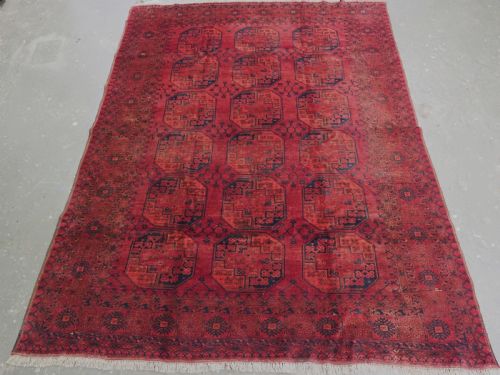
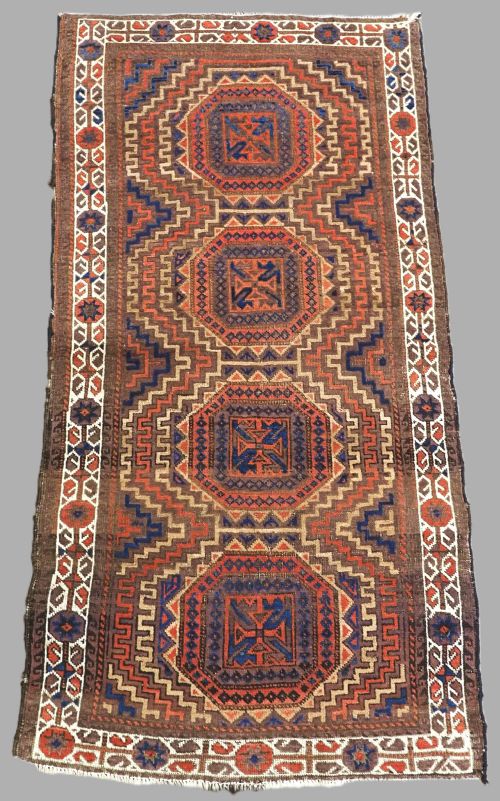
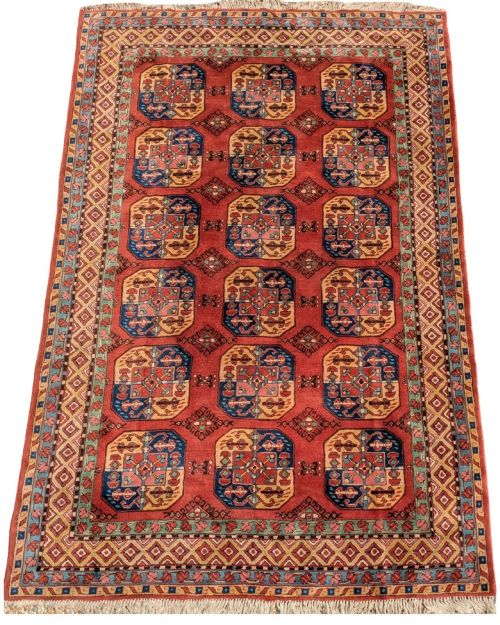
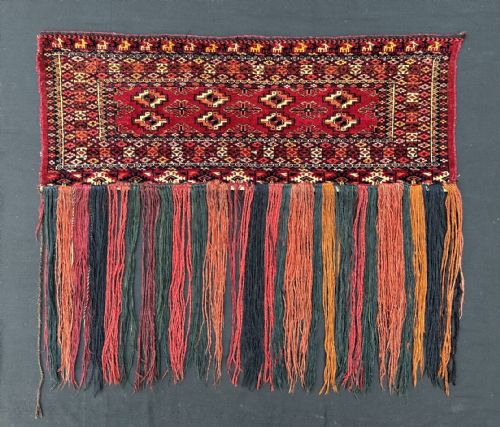
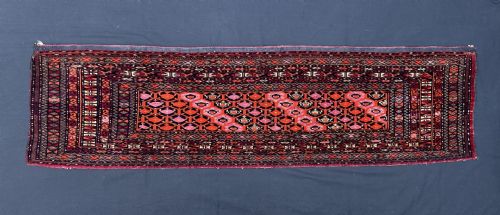
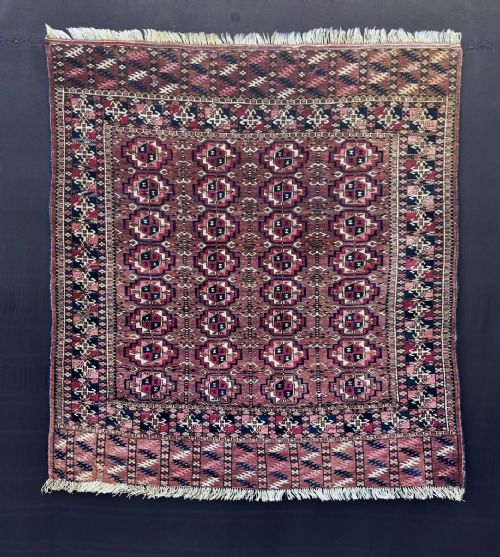
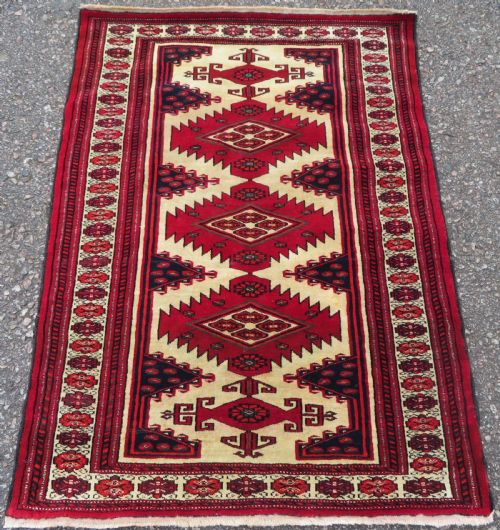
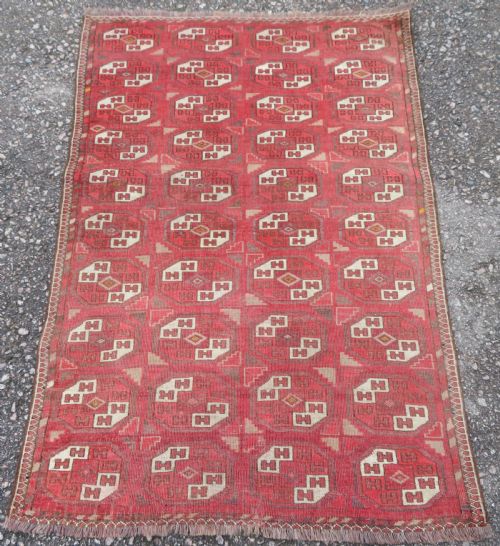
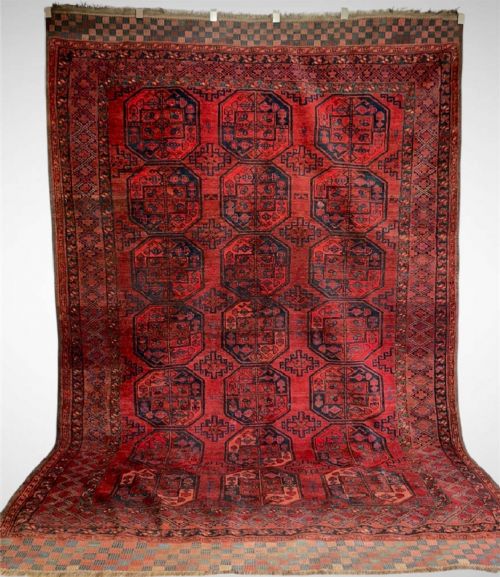
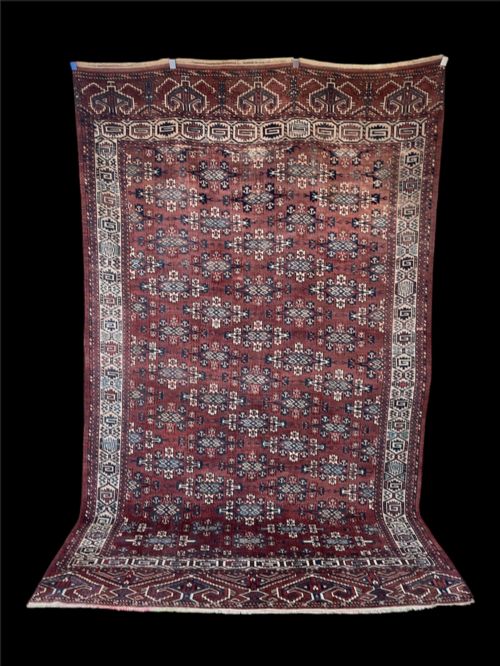
When you search for an antique gul carpet, you encounter tribal and nomadic textiles originating from Central Asia, particularly associated with Turkmen, Afghan, and related tribal groups. These woven pieces centre on the gul, a repeating octagonal medallion motif that traditionally identified specific tribes and clans.
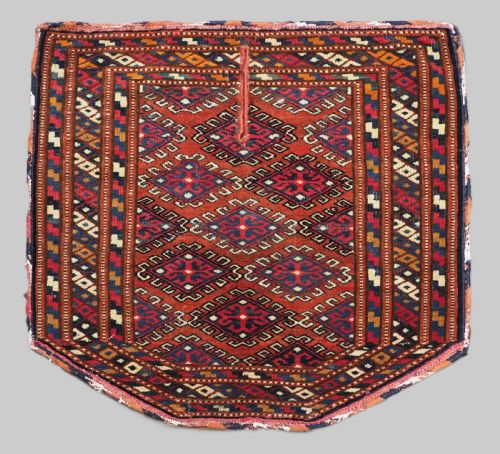
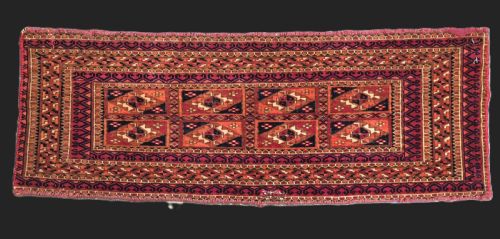
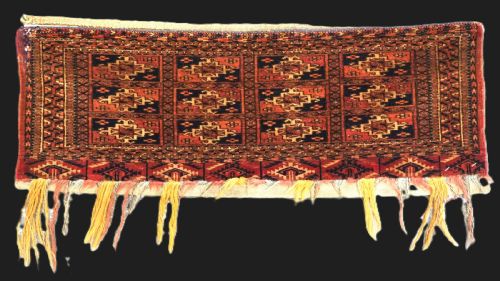
The selections available range from large main carpets to smaller utilitarian formats such as torba faces, chuvals, and tent door rugs. Examples span the nineteenth and early twentieth centuries, reflecting the traditional weaving practices of regions such as Turkmenistan and the Afghan territories.
Buyers frequently encounter pieces attributed to specific groups including the Tekke, Ersari, Yomut, and Saryq tribes. These textiles display distinct structural patterns and colour palettes, preserving historical weaving traditions within domestic floor coverings and wall hangings.
How They Were Made
Makers utilised hand-spun wool for the foundational piles, often combined with cotton and silk highlights for structural contrast and detail. Goat hair and horsehair also appear in subsidiary elements like selvedges and plain weave backs, adding durability to nomadic items.
Natural dyes provide the characteristic warm red hues, deep browns, and contrasting accents seen across these tribal textiles. The dyestuffs were sourced from local plants and minerals, creating rich variations in tone across the wool surface over decades of use.
What Varies in Quality
The fineness of the weave and the precision of the knotting distinguish individual examples, with denser structures allowing for sharper delineation of complex gul motifs. Master weavers achieved exceptional tightness, particularly in smaller formats like dowry rugs and bag faces.
The vibrancy and depth of the natural dyes significantly influence the visual impact of each piece. Tonal variations resulting from natural dye batches impart depth to the field, whereas muddy or unstable colours alter the overall harmony.
Integrity of the original structure, including surviving borders, kilim ends, and complete plain weave backs on bags, affects the historical completeness of the textile. Pieces retaining their original dimensions and structural edges demonstrate superior preservation.
The Antique Gul Carpet Glossary
- Gul
- A repeating octagonal medallion motif used in Central Asian carpets to signify tribal identity. Each design variation corresponds to specific groups such as the Tekke, Yomut, or Ersari.
- Torba
- A small storage bag face produced by Turkmen and nomadic weavers for use inside a tent. These pieces often feature prominent guls and were utilised for domestic storage.
- Chuval
- A large tent bag used by nomadic tribes for household possessions. They frequently display multiple rows of guls and detailed border designs.
- Main carpet
- A large-format floor covering woven for daily tribal use or ceremonial purposes. These expansive textiles typically showcase the most developed versions of tribal gul patterns.
Antique Gul Carpet: Frequently Asked Questions
What is a gul on an antique carpet?
A gul is a repeating octagonal medallion motif placed symmetrically across the field of Central Asian woven textiles. These geometric emblems historically signified the specific tribe or clan that produced the carpet.
Different groups, such as the Tekke or Yomut, utilised distinct gul shapes and proportions. Recognising these patterns helps identify the regional origin and cultural background of the textile.
How do I care for an antique wool carpet?
Regular gentle vacuuming without a beater bar removes dust and prevents grit from settling into the wool pile. Professional cleaning specifically suited for antique textiles preserves the natural dyes and fibres.
Keeping the carpet away from prolonged direct sunlight prevents the natural reds and dark tones from fading. Using a breathable underlay protects the wool structure and reduces friction against the floor.
Where were these tribal carpets made?
These carpets were produced across Central Asia by nomadic and village populations in regions including Turkmenistan and Afghanistan. Weavers worked within tribal confederations such as the Ersari, Tekke, Yomut, and Baluch.
Production took place in pastoral camps and village settlements using locally sourced materials. The geography and nomadic lifestyle directly influenced the portable formats and durable wool construction.
How can I tell which tribe made a carpet?
Tribal attribution relies primarily on the specific shape and drawing of the gul motifs, alongside secondary borders and minor ornaments. Colour palettes, particularly shades of red and brown, also offer strong clues to origin.
Structural characteristics such as weave density, end finishes, and the use of cotton or silk highlights provide further evidence. Comparing individual pieces against established tribal canons clarifies these distinctions.