

Antique Grey Armchair
An antique grey armchair brings muted historic tones and carved frames into a room, offering comfortable seating rooted in centuries of craftsmanship.
Antique Grey Armchair
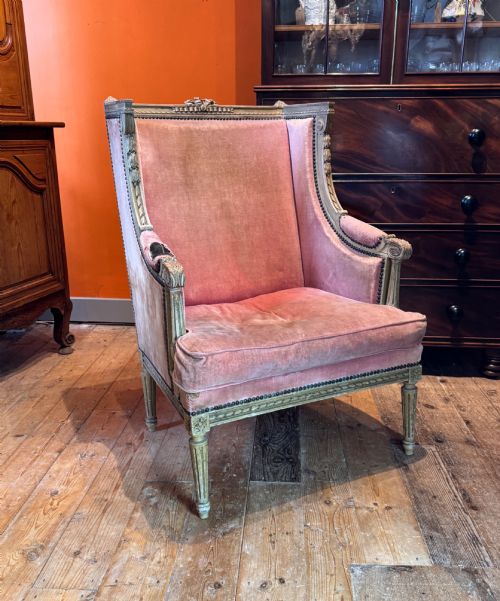
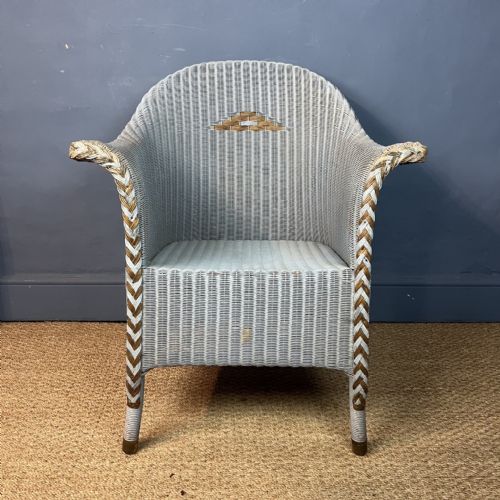
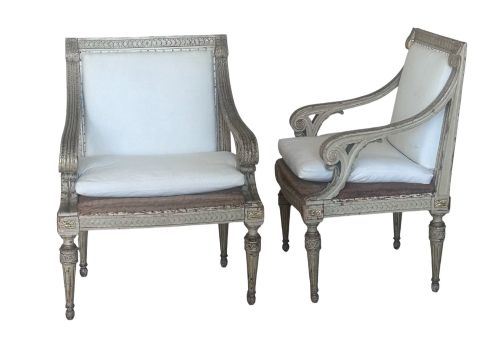
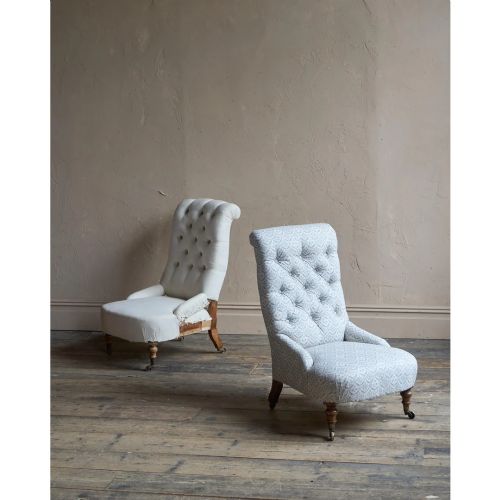
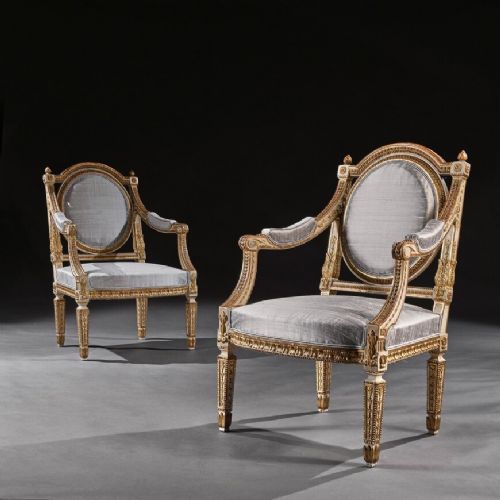
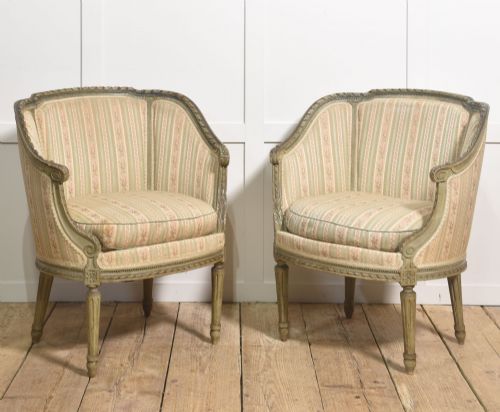
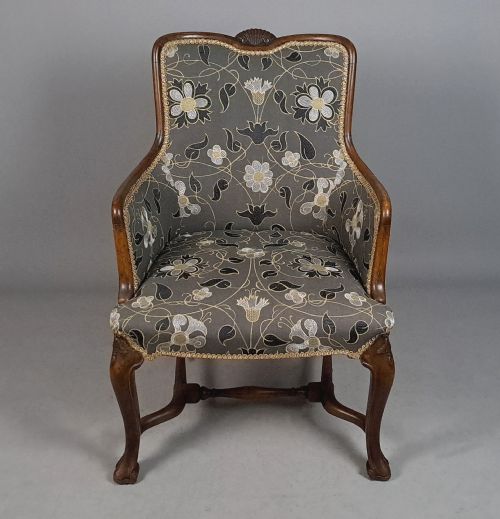
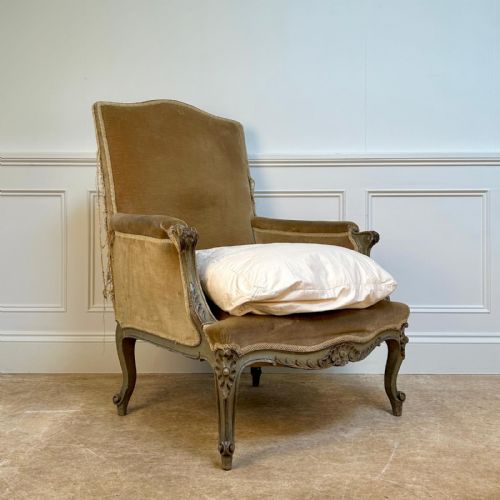
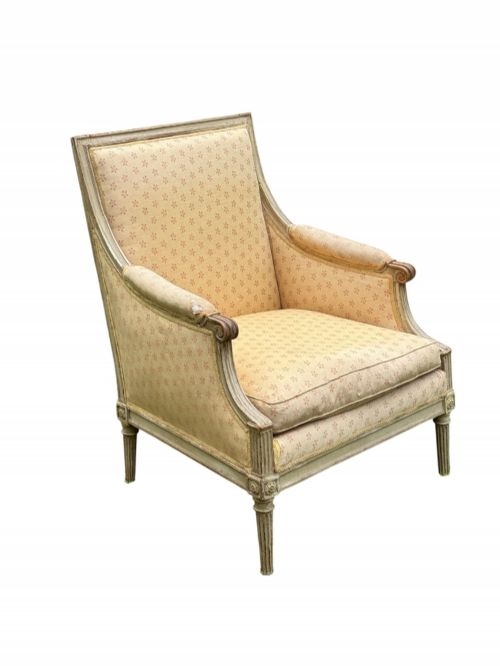
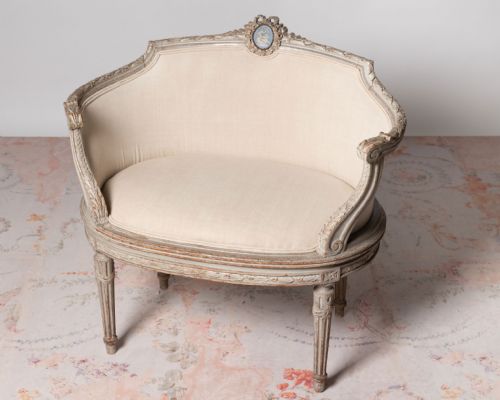
An antique grey armchair spans diverse historic forms, from French bergères and painted tub chairs to English wingbacks and Victorian upholstered seats. When searching for this phrase, buyers encounter pieces finished in original paint, charcoal grey tones, or subtle ticking and linen upholstery.
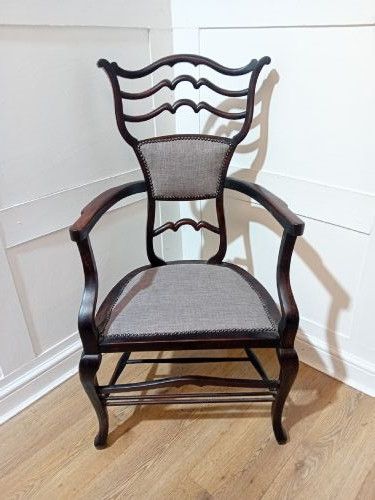
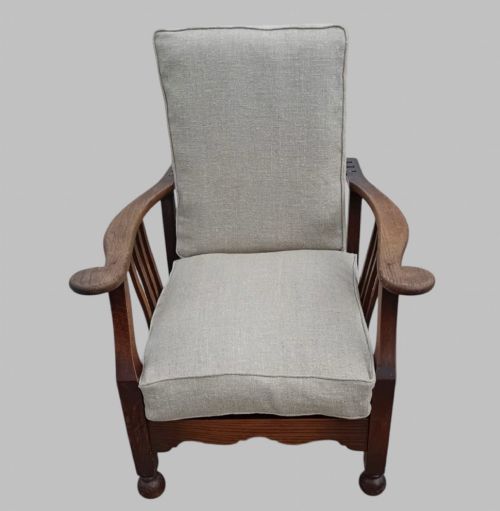
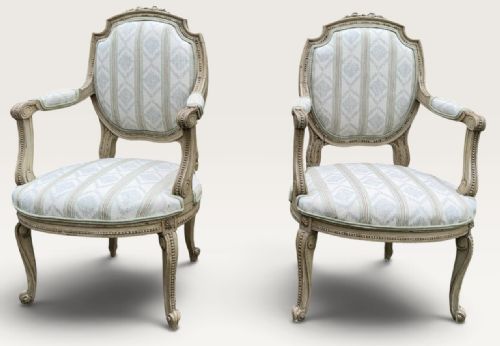
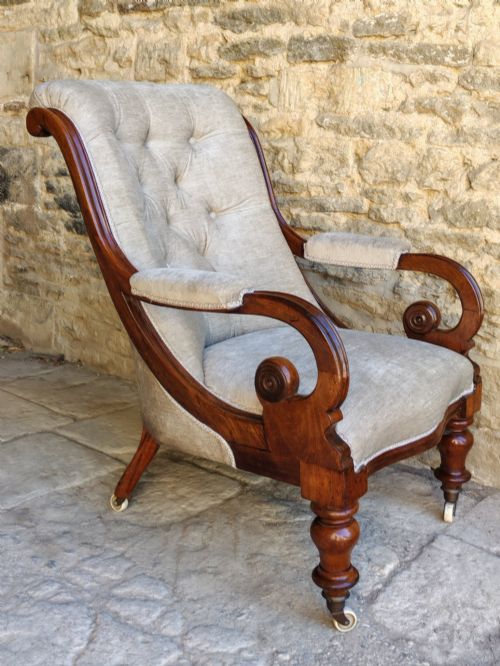
The selection includes 18th-century French designs alongside 19th-century Victorian walnut or mahogany frames and early 20th-century Arts and Crafts examples. Many pieces originate from French chateaux or English country houses, reflecting Louis styles, Neoclassical lines, or simpler regional British cabinetry.
These seats serve as functional accent chairs, bedroom seating, or library reading chairs. Whether built with exposed carved fruitwood, painted finishes, or wrought iron, each piece provides a distinct historical anchor for a modern interior.
Materials and Construction
Makers constructed these frames from solid hardwoods including mahogany, walnut, oak, fruitwood, and beech, often applying a painted or bleached finish to the wood. Joinery relied on traditional pegging, mortise and tenon methods, and hand-carved detailing.
Upholstery techniques combined horsehair stuffing, coil springs in later Victorian pieces, and hand-stitched webbing covered in linen, velvet, silk, or modern grey ticking. Cane panels, handwoven cane seats, and needlepoint inserts appear frequently across both French and English workshops.
The furniture styles span Louis XV, Louis XVI, Arts and Crafts, and Neoclassical designs across armchairs, settees, and slipper chairs.
Distinctions in Execution and Preservation
Quality rests in the crispness of the hand-carved ornament on the wooden frame and the structural integrity of the joints. Finer French and English chairs display fluid lines in styles like Louis XV or Regency, whereas lesser examples show rigid proportions or heavy, unrefined timber.
Preservation of the surface finish plays a major role, particularly on pieces retaining original paint or authentic bleached fruitwood patination. Upholstery choices also separate standard commercial seating from bespoke commissions by notable makers featuring handwoven cane or specialist textiles.
Howard and Sons·Henri Jacob·Dryad of Leicester·Minter
The Antique Grey Armchair Glossary
- Bergère
- An enclosed upholstered French armchair with wooden frames and closed upholstered sides. They often feature cane work or loose seat cushions.
- Tub chair
- A deep, curved armchair with a low back that wraps continuously into the arms. These designs offer enclosed, supportive seating.
- Wingback
- An armchair with side panels extending from the back to shelter the user from draughts. These pieces typically stand on exposed wooden legs.
- Slipper chair
- A low-seated bedroom chair originally designed to assist ladies with putting on footwear. They lack arms and sit close to the floor.
- Cane
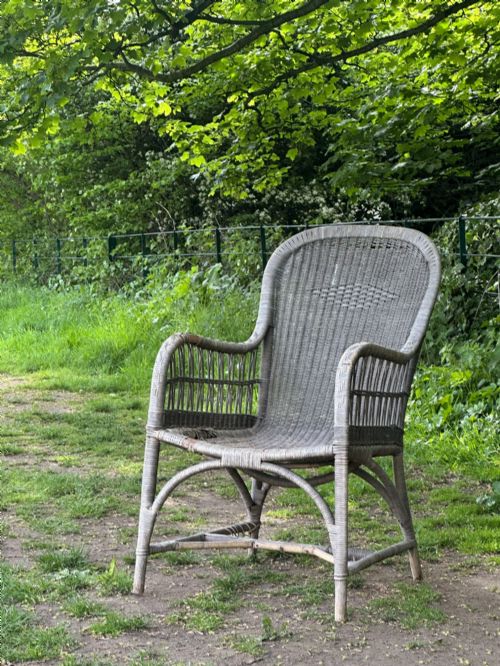
- Woven rattan material used for chair seats and back panels. It provides a lightweight, flexible surface on wooden frames.
Antique Grey Armchair: Frequently Asked Questions
How do I clean an antique grey painted armchair?
Dust the painted wooden frame gently with a dry, soft cloth to protect the historic surface layer. Avoid harsh chemical cleaners that might strip the original paint.
For fabric upholstery, use a soft brush attachment on a vacuum cleaner or consult a specialist textile conservator. Spot cleaning risks leaving water rings on older linens and silks.
Are these armchairs comfortable for daily use?
Many historic armchairs offer deep seating and supportive backs designed for reading or relaxing. Victorian and Edwardian examples often incorporate coil springs for added bounce.
Earlier 18th-century frames can feel firmer due to traditional horsehair stuffing. Adding a matching scatter cushion helps adjust the lumbar support for modern sitting habits.
How can I tell a French chair from an English one?
French armchairs often display carved decorative motifs, exposed painted or gilded wood, and curving Louis XV or Louis XVI profiles. Their frames tend to emphasise flowing lines and ornamental cartouches.
English equivalents frequently prioritize structural timbers like mahogany or walnut, leaning towards wingback, tub, or heavy upholstered forms. Regional British pieces often feature turned wood supports and simpler joinery.
What does original paint mean on a chair?
Original paint indicates that the surface coating applied when the piece was first made remains intact. This layer accumulates gentle wear and patination over decades, showing authentic age.
Repainted surfaces often look flat and uniform, whereas genuine historic paint displays subtle variations and craquelure. Collectors value original paint for its historical honesty and visual depth.