
Antique Green Vase
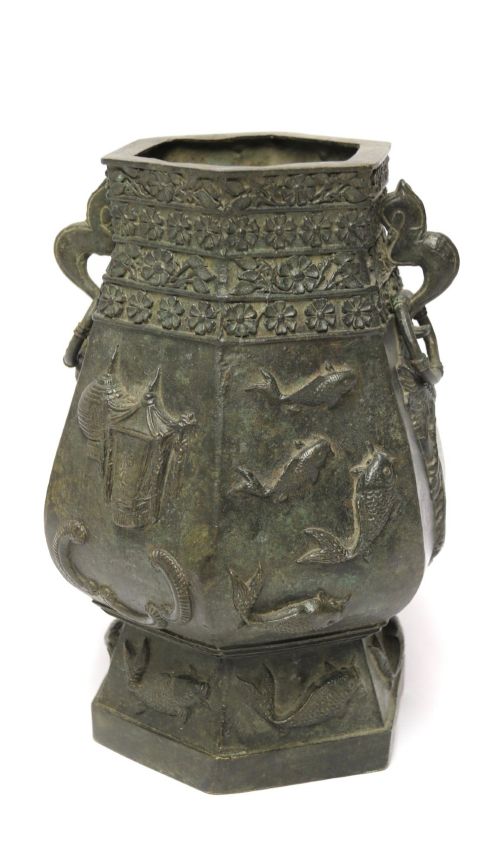
When you search for an antique green vase, you encounter a remarkable diversity of glazed ceramics and coloured glass from the nineteenth and early twentieth centuries.
Antique Green Vase
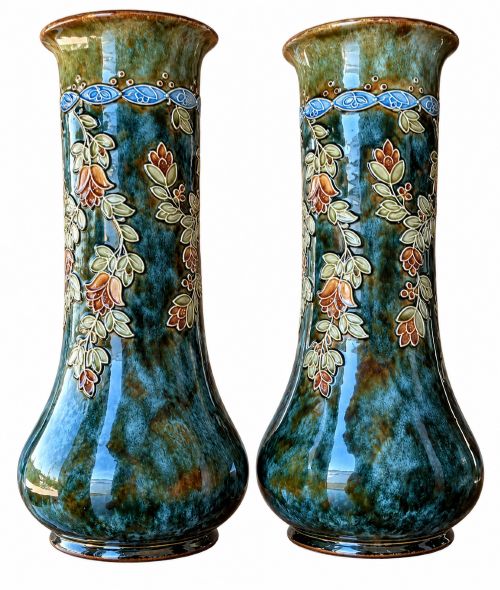
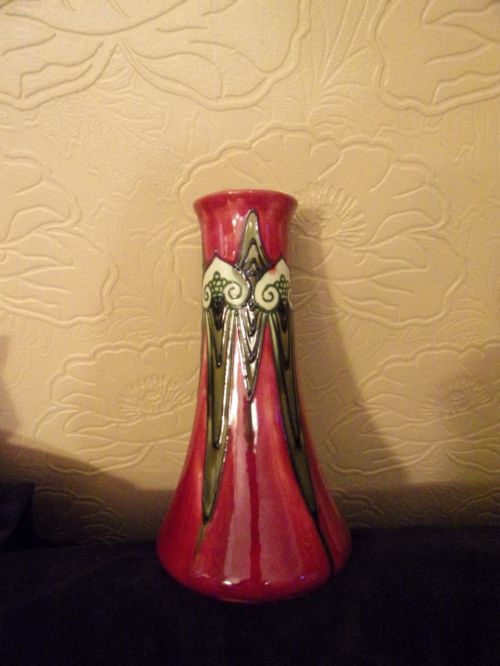
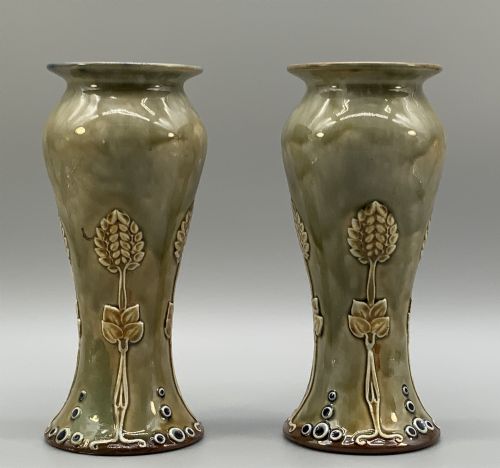
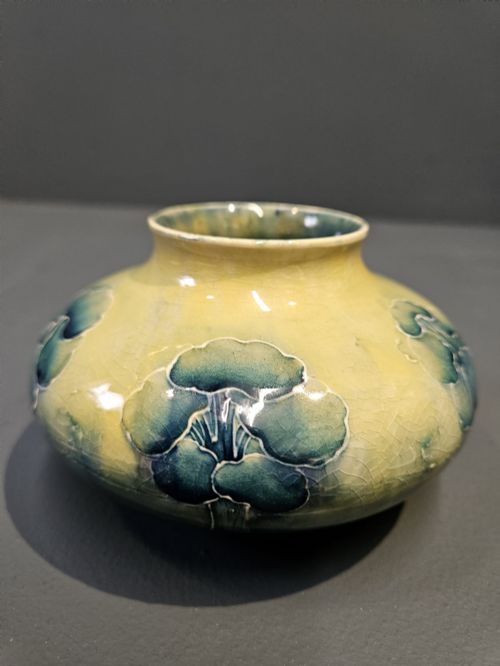
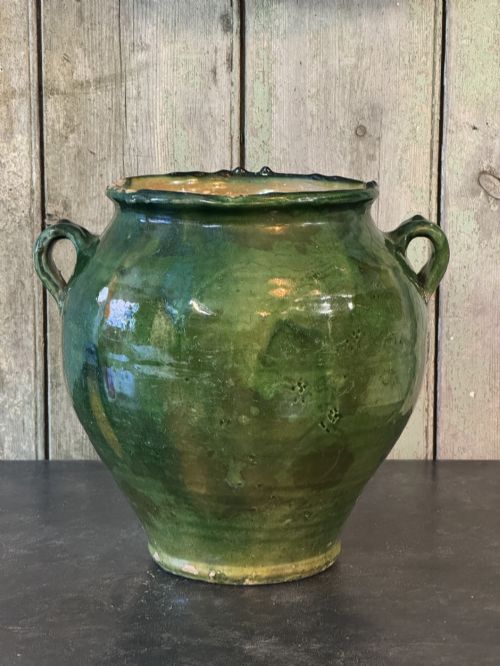
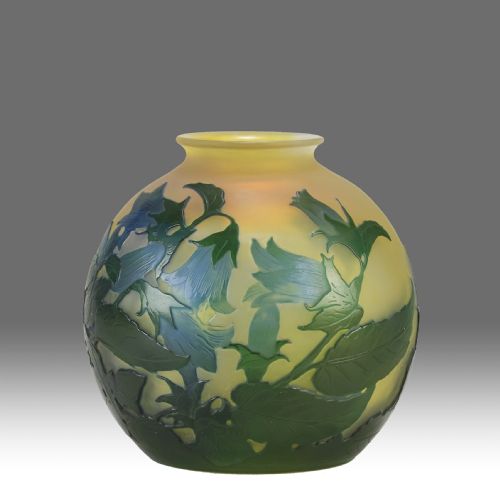
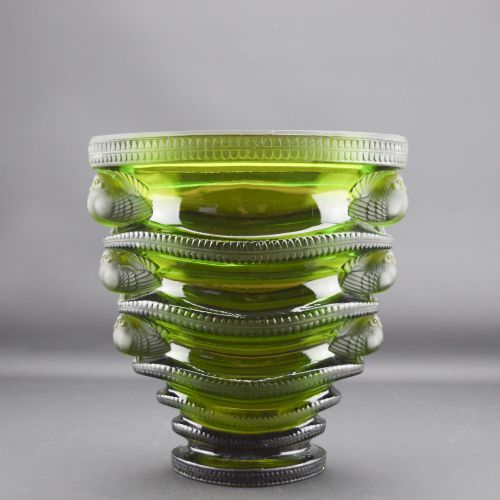
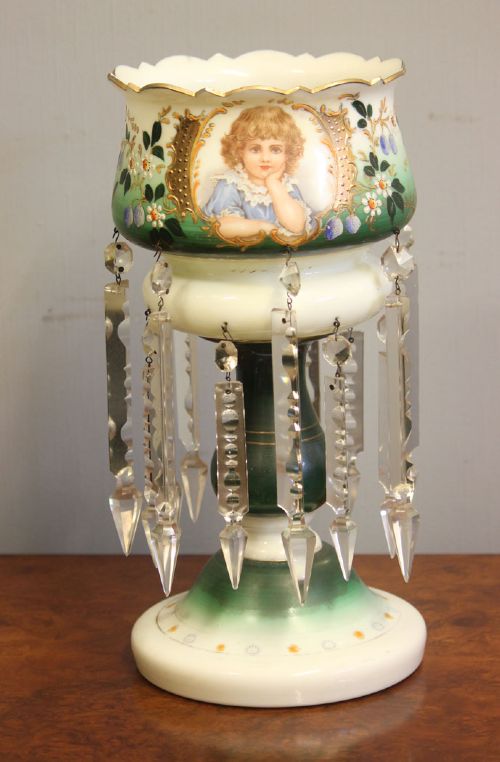
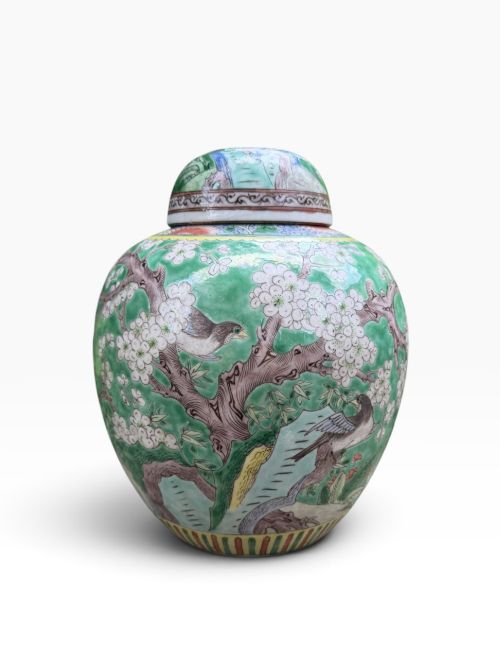
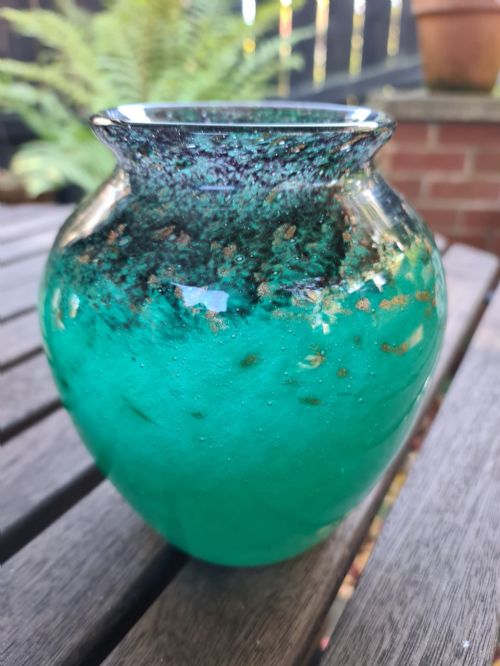
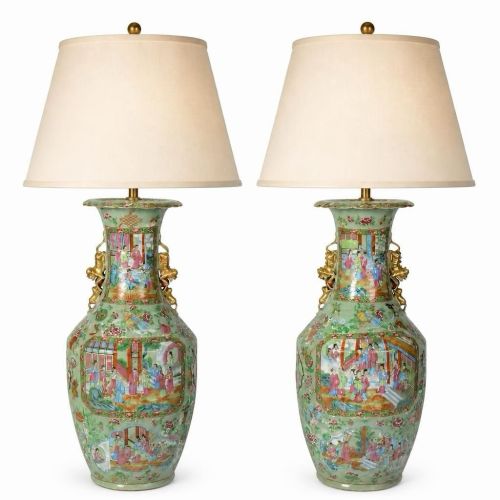
An antique green vase encompasses diverse forms ranging from Staffordshire earthenware spill vases and French confit pots to elaborate Art Nouveau stoneware and cameo glass vessels. Buyers seeking this phrase frequently encounter pieces originating from Victorian Britain, continental Europe, and East Asia dating across the nineteenth and early twentieth centuries.
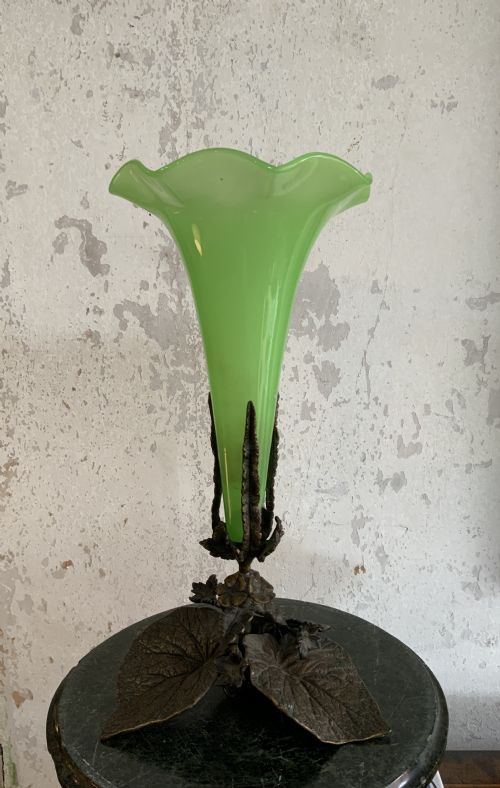
The selection on this page demonstrates that these vessels served both decorative and functional purposes, appearing as spill vases, ewers, ginger jars, and multi-trumpet epergnes. Stoneware and glass dominate the forms, reflecting the widespread popularity of rich botanical and celadon glazes during the periods represented.
Materials and construction techniques
Potters and glassmakers utilised varied methods to achieve rich verdant hues, combining earthenware, stoneware, and porcelain with reactive glazes, enamels, and metallic oxides. Stoneware vessels often employ tube-lined designs or incised decoration beneath deep glazes, whilst glass pieces frequently incorporate uranium, vaseline, or layered cameo techniques.
Makers shaped glass through hand-blowing and casing, sometimes applying silver overlays or bronze mounts to the finished vessels. Ceramic pieces relied on traditional throwing and moulding before receiving specialised firing treatments that produced the characteristic mottled, iridescent, or lustrous finishes seen across the inventory.
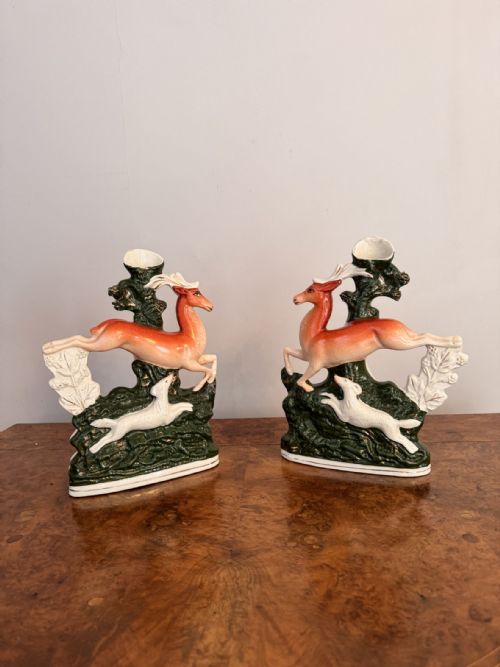
Staffordshire potters immortalised farmyard sentimentality by modelling charming ceramic cows, sheep, and deer specifically to serve as decorative green-hued spill vases.
Distinctions in craftsmanship and design
Quality reveals itself in the precision of the modelling and the depth of the glaze, where finer ceramics display crisp relief work and even coloration without distracting kiln blemishes. Superior glass specimens show skillful layering, sharp cameo carving, and harmonious integration with any metal mounts or hardware.
Design ambition separates standard production wares from exceptional studio and factory pieces, with notable workshops employing recognised artists for specialised hand-painted or tube-lined decoration. The sophistication of the form and the integrity of the original surface finish ultimately determine the standing of each piece.
Royal Doulton Lambeth·Moorcroft·Emile Gallé·Rene Lalique·Daum Frères·Johann Loetz·Moser Karlsbad
The Antique Green Vase Glossary
- Vaseline glass
- A type of yellowish-green glass containing uranium dioxide that glows under ultraviolet light. It gained immense popularity during the Victorian era for decorative tableware and novelties.
- Spill vase
- A small receptacle designed to hold taper candles or wooden spills used for lighting fires and lamps. These ceramic items frequently depict animals or pastoral figures.
- Cameo glass
- An ancient technique revived in the nineteenth century where multiple layers of differently coloured glass are carved away to create raised designs. Master glassmakers utilised this method for intricate botanical scenes.
- Epergne
- A large table centrepiece featuring a central bowl with multiple detachable arms or trumpets for holding flowers or fruit. Victorian examples in green glass or with bronze mounts are particularly striking.
- Lustre
- A ceramic or glass finish incorporating metallic oxides that produce an iridescent sheen when fired in a reduced oxygen atmosphere. This technique creates a shimmering, rainbow-like surface effect.
Antique Green Vase: Frequently Asked Questions
Can I put fresh water in an antique vase?
Many older ceramics and porous earthenware vessels lack waterproof interior glazing, meaning prolonged contact with moisture can seep into the body and cause staining or structural damage.
Utilise a small glass or plastic liner inside fragile ceramic vases if you wish to display fresh flowers without risking the historic fabric of the piece.
What is uranium glass?
Uranium glass incorporates a small percentage of uranium into the glass batch during melting, which imparts a distinctive yellow-green hue and causes the object to fluoresce brightly under ultraviolet light.
This material was widely used for decorative glassware during the Victorian and Edwardian periods and remains safe for display purposes under normal household conditions.
How do I identify Art Nouveau pieces?
Art Nouveau items feature characteristic organic motifs inspired by natural forms, including flowing plant stems, flowers, insects, and sinuous asymmetrical lines.
Look for signature tube-lined pottery techniques, iridescent glass finishes, and stylized sculptural elements that reflect the design movement prevalent around nineteen hundred.