



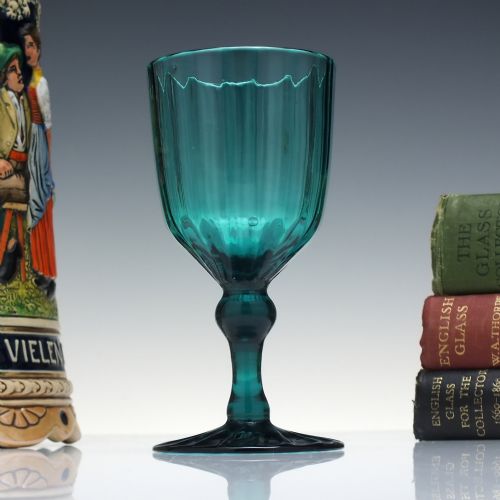


Antique Green Stemware
These antique green stemware pieces bring rich colour and historic form to the table, offering a striking display for wine and cordials.
Antique Green Stemware
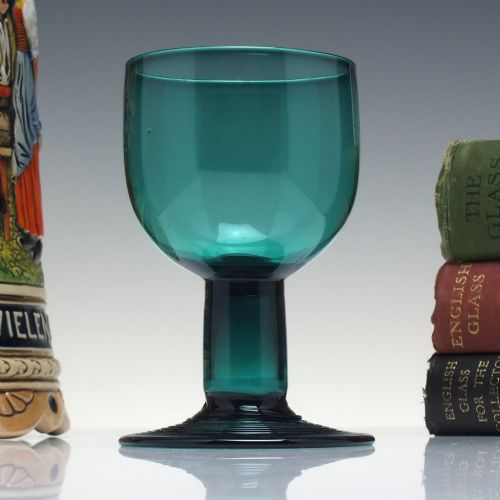
When you search for antique green stemware, you encounter drinking vessels and tableware spanning from the Georgian period through the Victorian era and into the early twentieth century.
The selections on this page concentrate heavily on wine glasses, hock glasses, and cordials, alongside occasional champagne coupes and vases.
English Bristol green, Bohemian Biedermeier, and continental productions from makers such as Baccarat, St Louis Massenet, and Theresienthal shape the core of what is available.
Materials and Techniques
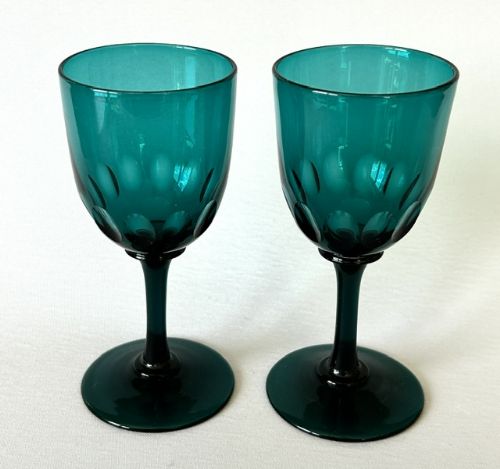
The manufacturing relies on blown glass, lead glass, and cased glass, often enhanced by overlay techniques where green glass is cut back to reveal clear crystal underneath.
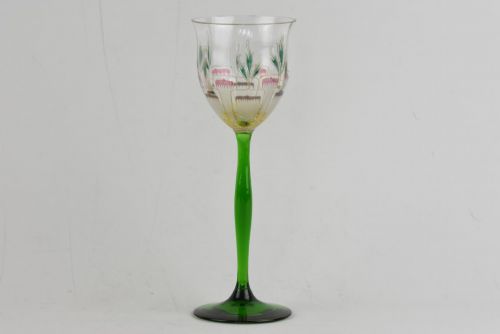
Many examples utilise rib moulding to create tactile texture in the bowl or stem, while others feature intricate hand-enamel decoration and gold leaf accents.
Listings feature green stemware spanning the Georgian, Victorian, Edwardian, and Art Deco periods, created in glass, lead glass, and cased glass.
Judgements of Quality
Quality rests on the depth and saturation of the green glass, the crispness of any cut decoration, and the finesse of the enamel work.
Matched sets command greater attention than assembled groups, and the weight and balance of the lead glass indicate superior workshop standards.
Baccarat·James Powell·St Louis Massenet·Theresienthal
The Antique Green Stemware Glossary
- Bristol green
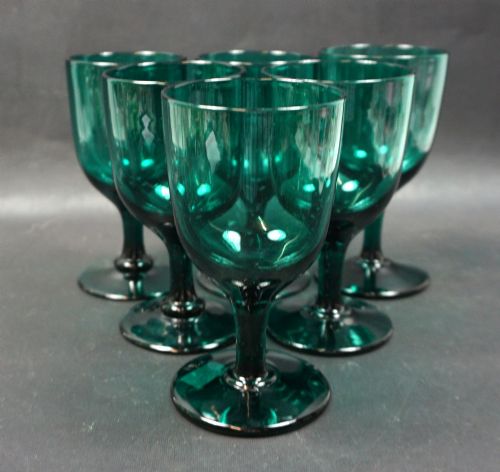
- A deep, vibrant shade of green traditionally associated with English glasshouses from the Georgian period onwards. It was widely utilised for wine and cordial glasses.
- Hock glass
- A tall-stemmed Germanic wine glass, frequently featuring coloured glass bowls and elaborate enamel or cut decoration. They became particularly popular during the Victorian and Edwardian eras.
- Rib moulded
- A glass vessel formed by blowing molten metal into a ribbed or fluted dip mould to create parallel raised lines. This technique adds both grip and visual pattern to the piece.
- Cased glass
- A method where a layer of green glass is fused over a base layer of clear crystal. Subsequent cutting through the outer green layer reveals the clear glass beneath.
- Vaseline glass
- A yellow-green glass containing uranium oxide that exhibits a distinct green fluorescence under ultraviolet light. It appears frequently in Victorian tablewares.
Antique Green Stemware: Frequently Asked Questions
How do I clean antique green stemware?
Wash these pieces strictly by hand in warm water using a mild detergent. Avoid soaking them or placing them in a dishwasher, as harsh heat and detergents can damage historic enamel and gold leaf.
Dry them immediately with a soft, lint-free cloth to prevent water spots and protect the delicate stems and bowls from accidental impacts.
Are these glasses safe for drinking?
Most antique green stemware is suitable for occasional dining and toast use, provided the glass is free from structural cracks. Handle them carefully, as older lead glass and blown vessels are more delicate than modern equivalents.
For pieces featuring heavy enamel or gold leaf decoration, hand washing and gentle use will preserve the historic surface finish over time.
How can I tell Georgian glass from Victorian pieces?
Georgian stemware often exhibits heavier pontil marks on the base and simpler, heavier lead glass forms such as rib moulding or dram glasses. Victorian pieces frequently showcase wider colour variations like aqua green, vaseline, and cased glass.
Looking at the overall silhouette and decorative techniques helps distinguish the earlier Georgian productions from the more varied Victorian and Edwardian styles.
What is hock stemware used for?
Hock glasses were traditionally designed for serving white wine, particularly German Rhine wines known as hock. Their taller stems and generous bowls allowed the wine to breathe while showcasing the rich coloured glass.
Today, collectors use them for serving white wine at formal dinners or display them to highlight the deep hues and decorative enamel work.