


Antique Gravy Tureen
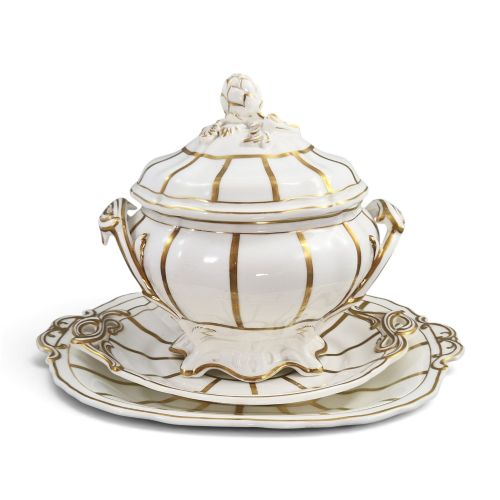
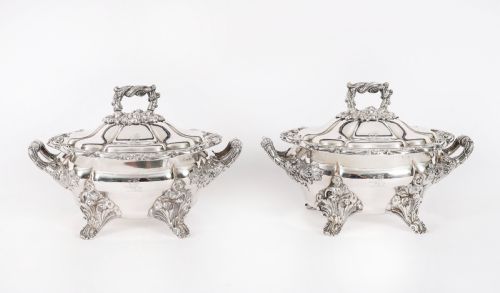
These antique gravy tureen pieces are formal table vessels made to hold sauces and gravies, offering undeniable elegance to any dining arrangement.
Antique Gravy Tureen
When searching for an antique gravy tureen, a buyer encounters formal table vessels originating from the Georgian and Victorian eras. These pieces typically include lids, handles, and matching bases or ladles designed for the dining table.
Ceramic examples in ironstone, bone china, and glaze dominate the available selection alongside metal pieces in sterling silver and Old Sheffield plate. Forms range from simple oval lidded tureens to elaborate designs featuring transfer prints and moulded animal motifs.
The pieces encompass diverse stylistic influences such as Regency, Rococo, and Victorian Neoclassical. Buyers frequently find pairs or single items spanning the late eighteenth century through the late nineteenth century.
Materials and construction methods
Potteries utilised bone china, ceramic, and ironstone to shape durable bodies, often applying transfer prints or hand-painted details such as blue and white elephant designs. Gold leaf accents sometimes highlight the glazed surfaces of these ceramic table vessels.
Metal vessels relied on sterling silver and copper, with Old Sheffield plated pieces fusing silver to a copper base using heat and pressure. Silversmiths and manufacturers added cast handles, pedestals, and lidded covers to complete the heavy metal forms.
Some nineteenth-century dining tables required elephants to hold your gravy.
Factors influencing quality
Quality rests upon the crispness of moulded details on ironstone and silver, alongside the precision of transfer-printed or hand-painted decoration. Finer pieces maintain intact gilding and clear maker or pattern marks on the base.
The weight and balance of the metalwork distinguish standard production from superior workshop output, particularly in Old Sheffield plate and sterling silver. Complete sets featuring original matching covers, bases, and ladles command greater attention from collectors.
Tiffany & Co·JC Moore·William Grundy·Rogers·Meissen·Davenport·Mason's
The Antique Gravy Tureen Glossary
- Ironstone
- A dense, durable type of earthenware patented in the nineteenth century. It resists chipping better than standard ceramic and serves as the body for many patterned tureens.
- Old Sheffield Plate
- An early composite material made by fusing a thin sheet of silver onto a copper ingot. This technique predates modern electroplating and produces a warm metallic lustre.
- Transfer Print
- A method of decorating ceramics by engraving a design on a copper plate, pulling it on tissue paper, and pressing it onto the biscuit ware before glazing. It allowed for intricate blue and white patterns.
- Bone China
- A soft-paste porcelain incorporating animal bone ash. This composition creates a strong, slightly translucent ceramic body favoured by nineteenth-century potteries.
- Sauce Boat
- An open container with a spout and handle used for serving gravies and sauces. It forms a close relative to the covered tureen.
Antique Gravy Tureen: Frequently Asked Questions
What is an antique gravy tureen?
An antique gravy tureen is a covered ceramic or metal vessel designed to keep sauces warm at the dining table. They frequently include a matching base dish and sometimes a ladle.
These pieces reflect the formal dining habits of the Georgian and Victorian periods. Today, buyers utilise them both as decorative display items and functional serveware.
How do I care for silver plated tureens?
Silver plated and sterling silver tureens require gentle cleaning with specialised silver polish and soft cloths. Avoid harsh abrasives that could wear away thin plating layers, particularly on Old Sheffield pieces.
Store them in dry environments to prevent tarnishing. Proper handling preserves the original metal finish and any engraved crests.
Are ironstone tureens safe for food?
Ironstone provides a robust ceramic surface that handles light use well. Many buyers choose to display these vessels rather than subject them to modern dishwashers.
Crazing in the glaze can absorb liquids over time, so hand washing in warm soapy water remains the safest method for cleaning antique ceramics.
How can I date my tureen?
Dating relies on maker marks, pattern numbers, and stylistic clues such as Rococo scrolls or Victorian neoclassical motifs. Materials like Old Sheffield plate also point to specific manufacturing decades.
Comparing the registration marks or transfer print styles with known pottery production records helps narrow down the exact period of creation.