


Antique Gothic Chairs
Antique gothic chairs bring medieval architectural lines and ecclesiastical gravity into domestic rooms through robust timber framing and pointed arch motifs.
Antique Gothic Chairs
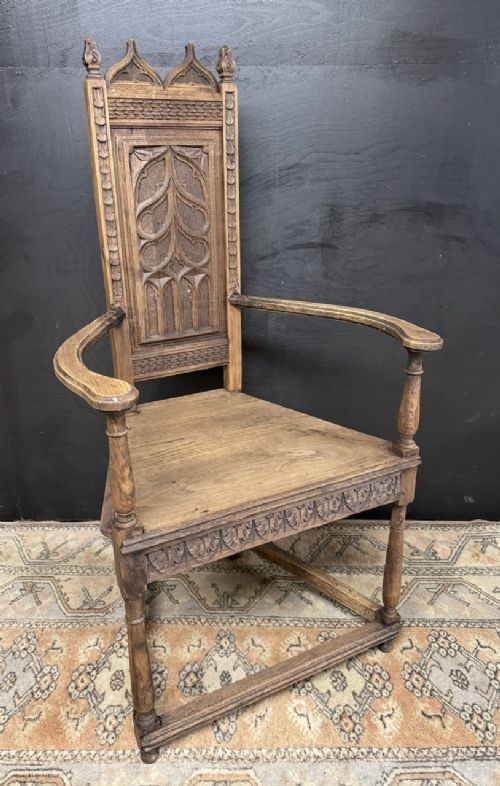
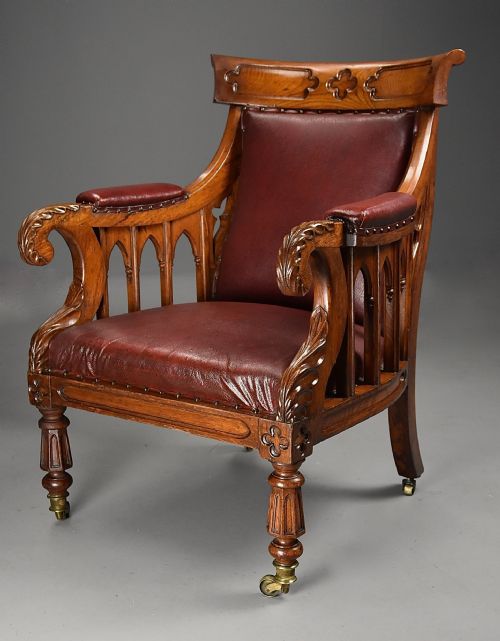
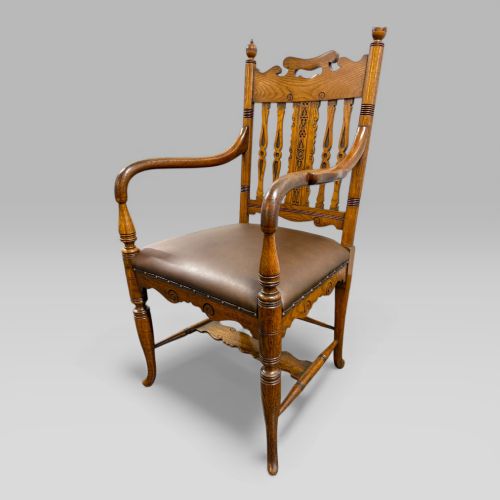
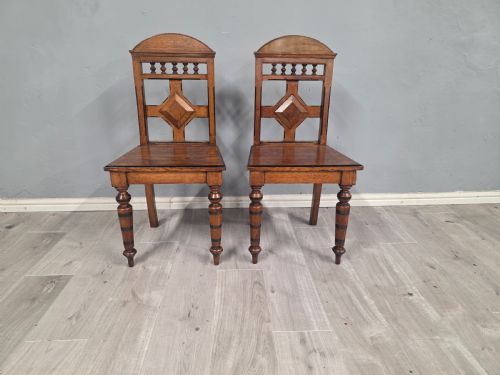
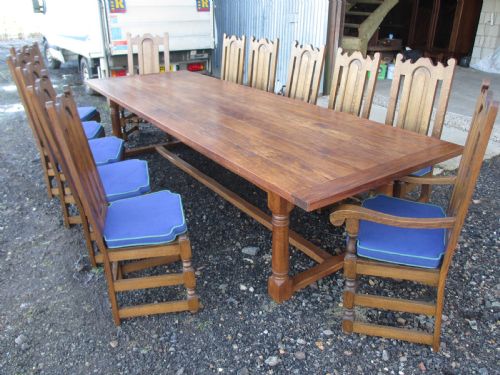
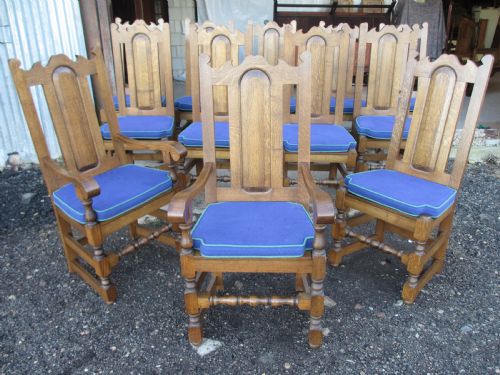
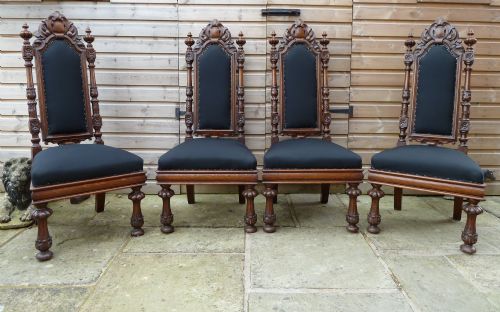
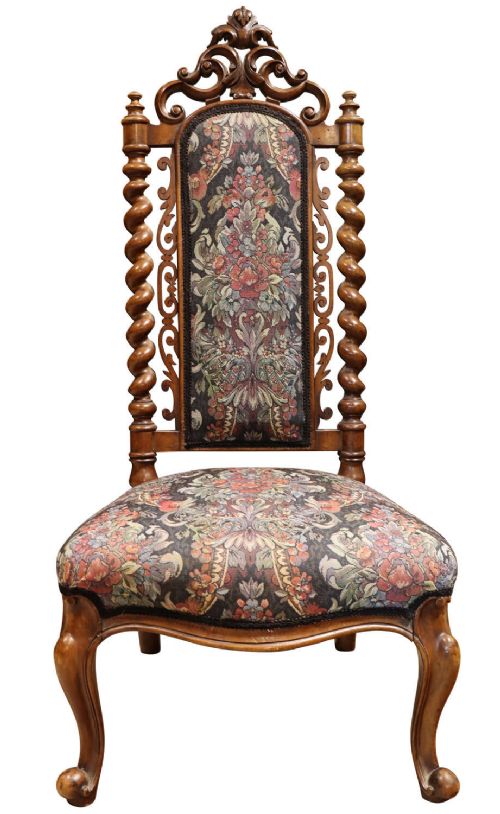
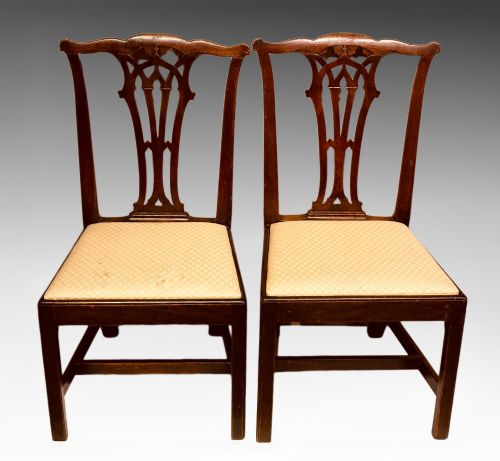
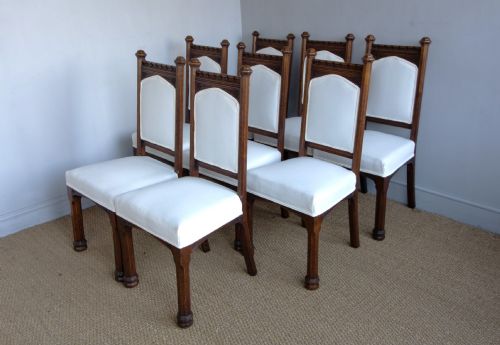
When searching for antique gothic chairs, buyers encounter diverse domestic forms spanning the nineteenth century, including high-backed hall chairs, sturdy armchairs, and matching dining sets. The inventory shows a strong prevalence of oak hall chairs and ecclesiastical-leaning armchairs built during the Victorian period.
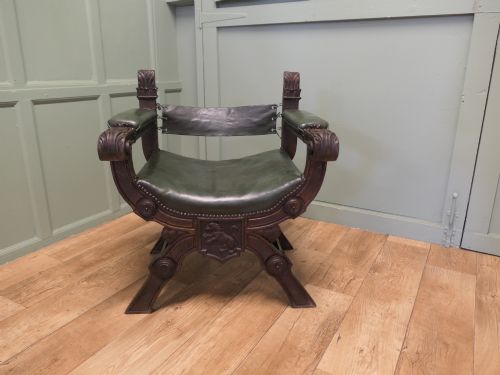
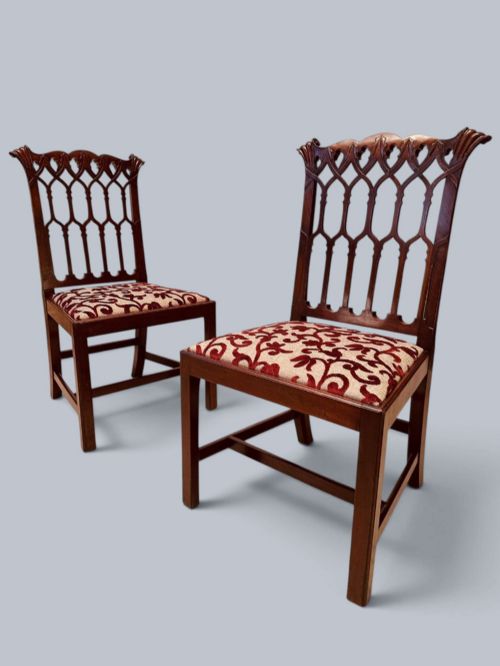
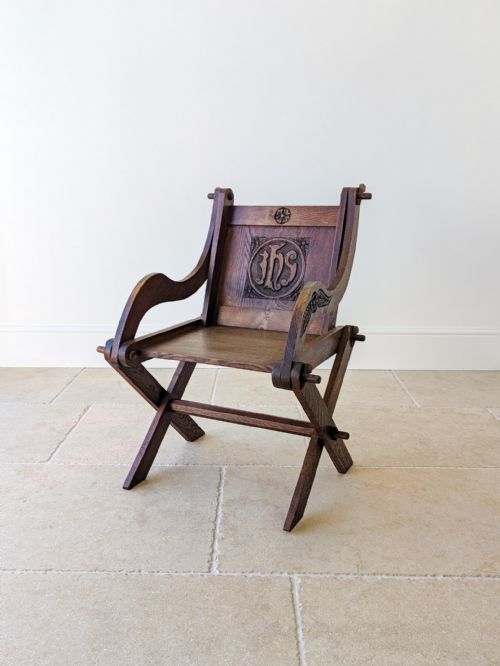
Makers adapted mediaeval precedents into functional seating, producing distinct variations such as the folding Glastonbury chair, swivel desk chairs, and architectural throne seats. Dining chairs appear frequently in sets of four, six, or eight, often displaying carved tracery along the splats.
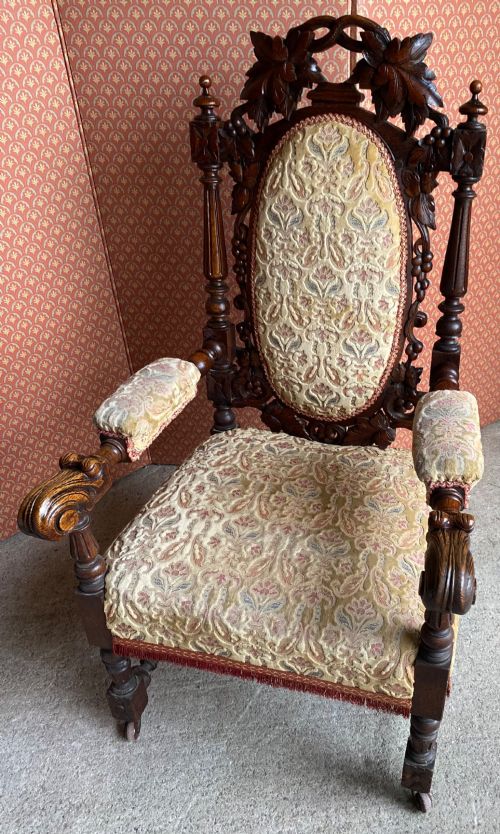
Regional British production dominates, alongside occasional French and Channel Islands examples adopting the Gothick taste or Renaissance revival. Forms range from simple side chairs intended for occasional use to substantial upholstered armchairs finished with embossed leather or tapestry.
Materials and construction
Solid oak serves as the primary medium, supported by secondary timbers like pitch pine, mahogany, walnut, and rosewood. Joinery relies on traditional pegged mortise and tenon frames designed to endure heavy daily use.
Upholstered elements utilise period textiles, red leather, or embossed hide secured with decorative brass tacks. Cast iron appears in specialised garden seating variants from the mid-nineteenth century onwards.
Carving defines the aesthetic, employing deep relief work to render trefoils, quatrefoils, blind tracery, and linenfold panels directly onto the timber structure.
Antique Gothic Chairs Retail Price Guide 2026
Typical asking prices for gothic chairs among the pieces listed under this phrase on Sellingantiques today, from the lower quarter to the upper quarter. They describe what is for sale here now, not the wider market.
Some chairs bear silent witness to their past lives, carrying original library ink stamps or crisp cathedral workshop marks.
Evaluating the standard
Quality rests upon the crispness of the architectural carving and the architectural ambition of the timber frame. Heavy, well-proportioned oak and dense walnut exhibit superior structural integrity compared to lighter utility pieces.
Provenance and original maker's marks elevate specific items, particularly pieces documented as originating from ecclesiastical commissions or established cabinet makers. Intact matching sets demonstrate higher consistency than assembled groups.
The integrity of the original timber patina, combined with untouched leather or period upholstery, distinguishes superior examples from heavily restored or later altered seating.
The Antique Gothic Chairs Glossary
- Gothic Revival
- An architectural and decorative movement reviving mediaeval forms from the mid-eighteenth century through the Victorian era. It heavily influenced furniture design with pointed arches and structural mass.
- Glastonbury chair
- A type of folding X-framed armchair derived from an ancient relic associated with Glastonbury Abbey. These pieces feature sloped wooden seats and heavily inscribed backs.
- Trefoil
- A three-lobed ornamental design resembling clover leaves, frequently pierced through chair backs or carved into panels. It forms a cornerstone of gothic ornamentation.
- Wainscot chair
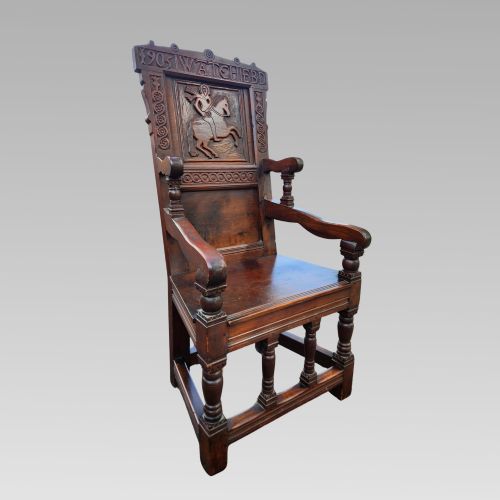
- A heavy panelled wooden armchair originating in the seventeenth century and revived during later stylistic movements. They utilise box construction rather than delicate turned legs.
- Tracery
- Architectural stonework patterns adapted into wooden screenwork and chair backs. It mimics the delicate intersecting ribs found in gothic cathedral windows.
Antique Gothic Chairs: Frequently Asked Questions
How do I date antique gothic chairs?
Dating relies on assessing timber species, construction methods, and stylistic cues within the nineteenth-century revival period. Earlier pieces from the mid-century often feature heavier hand-carving and solid oak frames.
Later examples from the late Victorian or Edwardian eras may incorporate machine-assisted finishing or lighter secondary woods like pine. Maker's labels and stamps provide definitive chronological markers when present.
Were these chairs used in homes?
Victorian households embraced ecclesiastical styles for libraries, reception halls, and dining rooms to project an aura of lineage and erudition. Hall chairs sat stiffly against walls for waiting visitors.
Armchairs and desk chairs offered functional seating for studies and drawing rooms. Garden variants brought architectural ironwork into nineteenth-century lawns and terraces.
How do I care for wooden gothic chairs?
Maintain antique oak and walnut by applying appropriate beeswax feeds to nourish the dry timber surface. Avoid placing chairs near direct heat sources or strong sunlight to prevent wood splitting.
Leather and fabric upholstery require gentle dusting and careful conditioning suited to historic textiles. Ensure structural joints remain stable without forcing loose pegs.
What is a Glastonbury chair?
A Glastonbury chair is a distinctive X-framed wooden armchair featuring a sloping panel seat and an inscribed slanted backrest. Based on mediaeval ecclesiastical relics, Victorian makers revived this form in oak and pitch pine.
They disassemble easily due to the interlocking cross-frame construction. The style remains prized for its unique architectural silhouette.