
Victorian Gothic Seating
These victorian gothic seating pieces are heavy architectural forms built to anchor a room, and collectors prize them for their unapologetic medieval revival presence.
What Victorian Gothic seating is
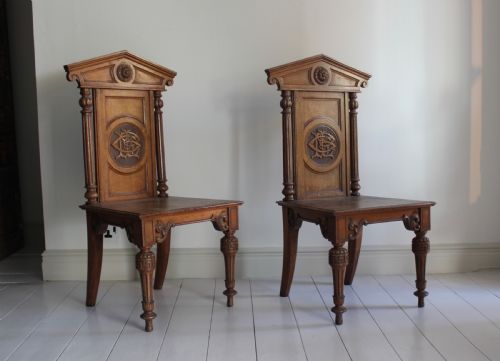
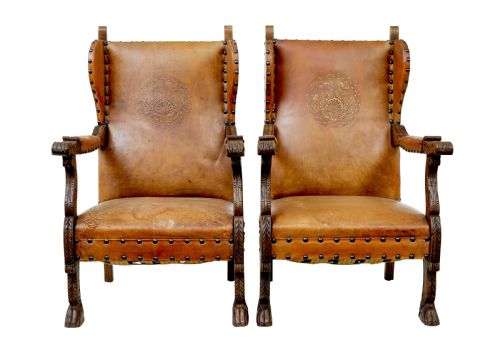
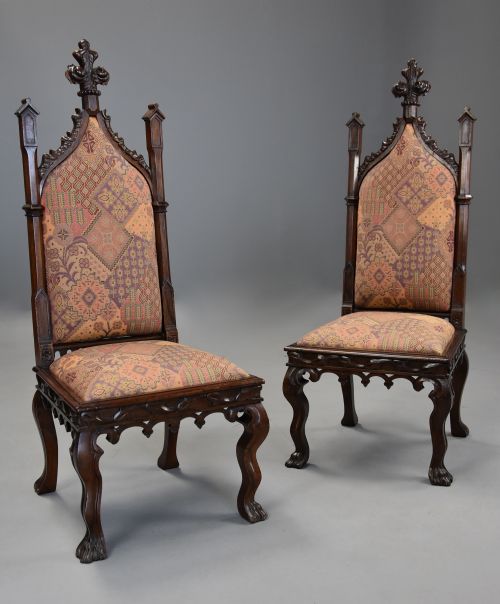
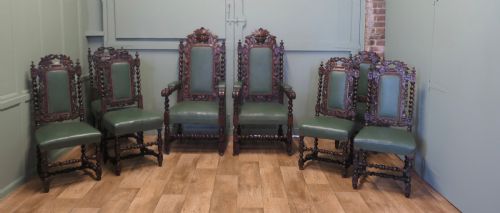
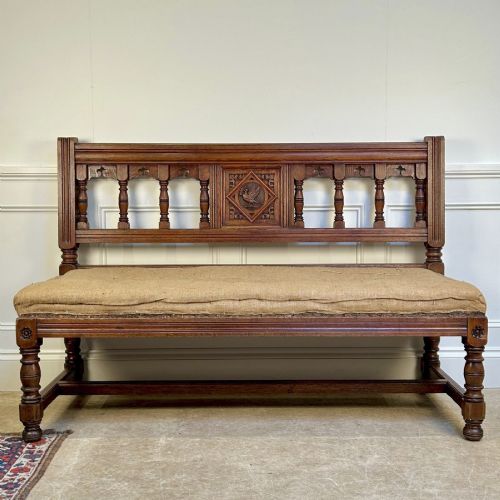
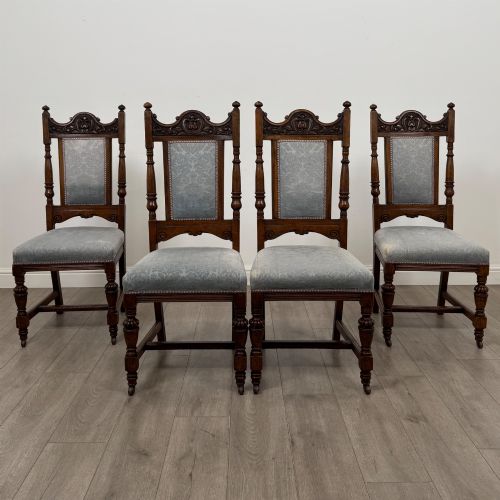
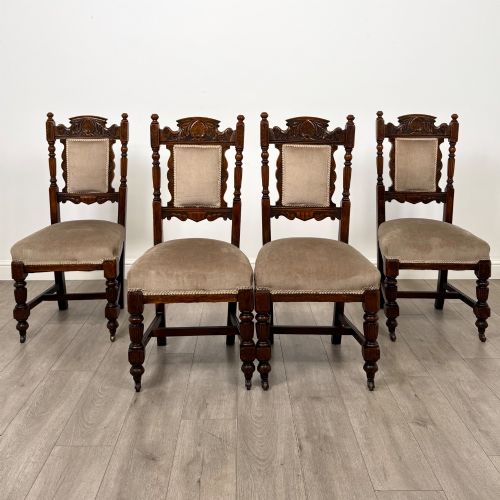
When you search for victorian gothic seating, you encounter robust wooden furniture built during the nineteenth century under the influence of medieval design revivals. The forms on this page include armchairs, hall chairs, and side chairs designed with distinct architectural ambition.
Most examples you meet here date from the mid nineteenth century, spanning decades such as eighteen fifty, eighteen sixty, and eighteen seventy. These chairs translate stone cathedral motifs into domestic wooden seating intended for libraries, halls, and reception rooms.
How they were made
Maker workshops utilised dense hardwoods such as oak, walnut, and rosewood to construct frames capable of supporting elaborate ornamentation. Selected pieces incorporate brass mounts alongside structural timber.
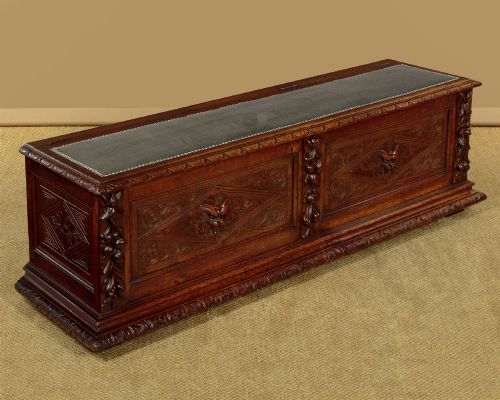
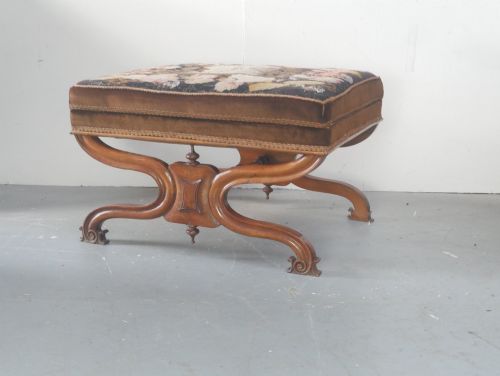
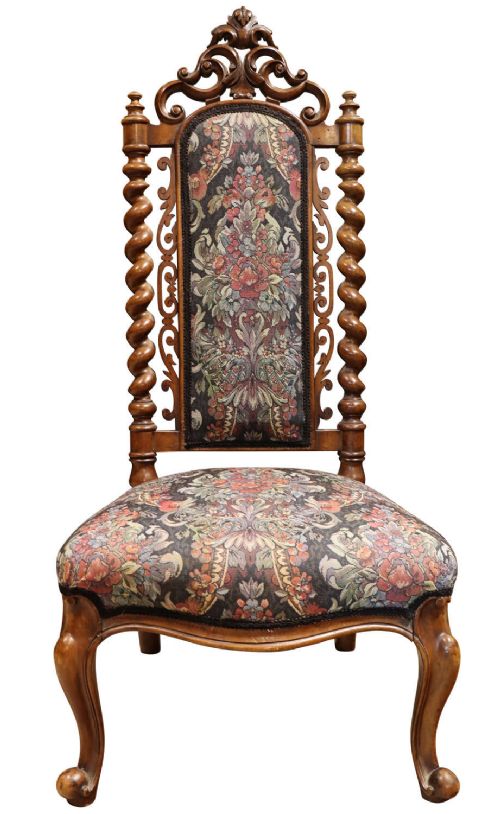
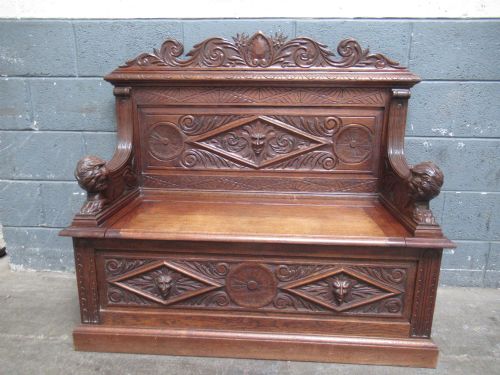
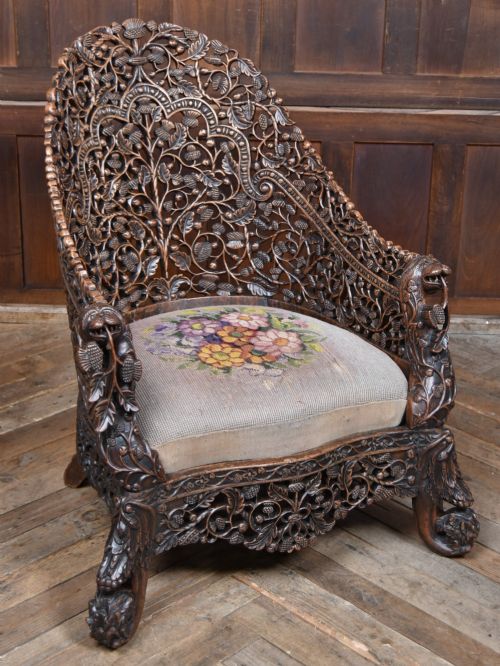
Craftsmen applied deep relief carving to render architectural tracery, pointed arches, and figurative elements such as dogs and hounds. Upholstered variants integrated textiles including leather, velvet, and patterned fabric into the rigid wooden frames.
Retail Price Guide 2026
Typical UK retail prices for victorian gothic seating, calculated from the Sellingantiques database of over a million retail prices indexed since 2003. This retail price guide relies exclusively on Sellingantiques data; no external sources or auction records are used, so the figures do not describe the wider market.
Listings span the nineteenth century, including specific dates from eighteen fifty to eighteen seventy alongside general Victorian era designations.
What varies in quality
Quality rests in the ambition of the carving and the fidelity of the architectural vocabulary, distinguishing ambitious exhibition pieces from standard domestic output. Heavy proportions and purposeful joinery elevate certain armchairs far above ordinary production.
The choice of primary timber also dictates the tier of the piece, with richly figured rosewood and select walnut sitting alongside robust structural oak. Surviving makers labels add documented provenance that separates ordinary chairs from notable commissions.
W A Willcocks·George Morant
The Victorian Gothic Seating Glossary
- Gothic Revival
- A nineteenth century artistic movement that revived medieval architectural forms, pointed arches, and decorative motifs in architecture and furniture. This style dominated the design of heavy church and domestic interiors.
- Hall Chair
- A stiff wooden chair traditionally placed in an entrance hall, often featuring a solid panel back and carved heraldic or architectural motifs. These chairs were designed for brief seating rather than long lounging.
- Glastonbury Chair
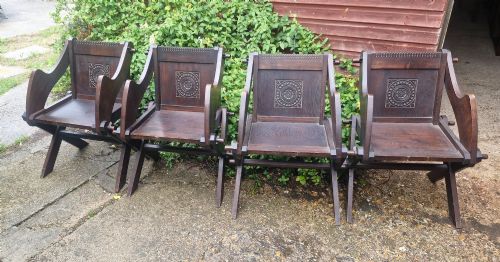
- A specific nineteenth century armchair design based on an ancient folding chair from Glastonbury Abbey, featuring an X framed cross structure and sloping armrests. This form became a staple of the Gothic Revival interior.
- Tracery
- Openwork ornamentation in wood or stone based on the intersecting ribwork of Gothic windows. Furniture makers translated this stone window decoration into carved chair backs and paneling.
Frequently Asked Questions
What rooms suit victorian gothic seating?
These imposing chairs demand substantial spaces such as libraries, large hallways, or high ceilinged reception rooms where their architectural weight feels appropriately scaled. They function well as statement pieces rather than casual seating.
Pairing them with plain walls and simple surroundings lets the deep carved wood and pointed architectural lines command the room without visual competition.
How do I care for antique oak and walnut?
Maintain the timber by applying a quality beeswax periodically to nourish the grain and prevent the wood from drying out in centrally heated rooms. Avoid placing these chairs near direct heat sources or strong sunlight.
Upholstered surfaces in leather or velvet require gentle brushing and specialised conditioning depending on the specific textile used by the workshop.
Are these chairs comfortable for daily use?
Victorian Gothic armchairs designed for libraries or hunting rooms often feature generous proportions and padded upholstery that offer a solid, upright sit. Hall chairs and side chairs were built with rigid wooden backs intended for formal posture.
Buyers seeking lounging comfort generally look toward the upholstered armchair variants rather than the stiff wooden hall seating.
How do I identify a Glastonbury chair?
A Glastonbury chair is distinguished by its intersecting X frame construction, sloping arms, and paneled back bearing inscribed religious or secular mottoes. The design directly copies ancient ecclesiastical furniture preserved from medieval England.
Revived during the nineteenth century, these chairs retain a distinct folding profile even when built as fixed domestic seating.