


Antique Gold Stick Pin
An antique gold stick pin offers a discreet touch of period tailoring, fastening a cravat or lapel with diamonds, pearls, or enamel.
Antique Gold Stick Pin
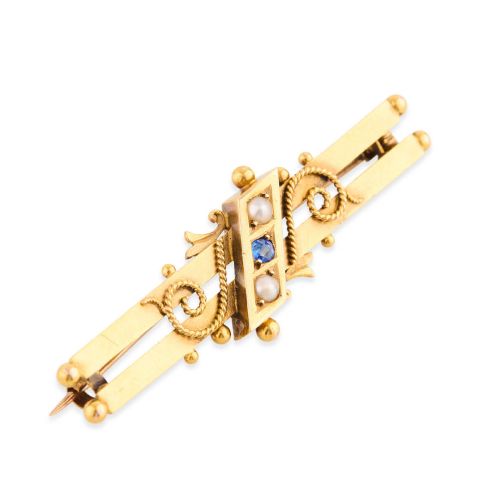
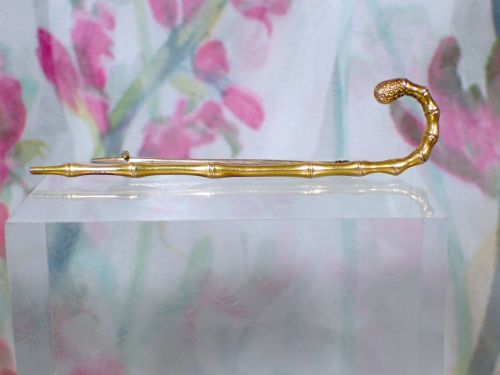
When you search for an antique gold stick pin, you are looking at small decorative pins created to secure cravats, ties, and lapels during the nineteenth and early twentieth centuries. Most examples seen here date from the Victorian and Edwardian eras, spanning gold alloys set with diamonds, pearls, garnets, and enamel.
The forms range from simple solitaire stones and crescent moons to sporting motifs such as hunting bugles, jockey caps, and foxes. While many pieces function as traditional stick pins, the selection also includes related brooches and jabot pins sharing similar periods and materials.
How they were made
Goldsmiths worked primarily in 9ct, 15ct, and 18ct yellow gold, occasionally incorporating white gold, platinum, or silver-topped settings for stones. Metalwork techniques such as cannetille provide intricate wirework texture, while hollow or solid shafts attach securely to decorative terminals.
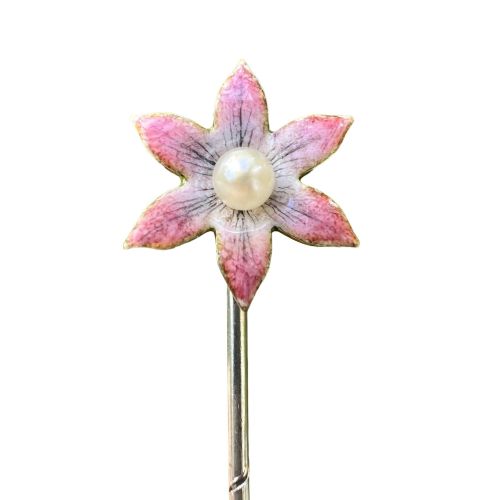
Gemstones including old-cut European diamonds, seed pearls, amethysts, garnets, and hardstone cameos are flush-set, claw-set, or bead-set into the gold head. Applied enamel adds colour to floral, figural, and sporting subjects, finished with hand-carving and polishing.
Antique Gold Stick Pin Retail Price Guide 2026
Typical asking prices for gold stick pin among the pieces listed under this phrase on Sellingantiques today, from the lower quarter to the upper quarter. They describe what is for sale here now, not the wider market.
Fighting cocks and hunting bugs rub shoulders with delicate forget-me-nots, proving that Victorian gentlemen and ladies took their sporting hobbies straight to their cravats.
What varies in quality
Quality rests upon the fineness of the gold alloy and the integration between the decorative head and the pin stem. Finer specimens display precise hand-cut facets on old European diamonds or well-matched natural pearls rather than glued substitutes.
Artisanal execution separates standard production pieces from superior examples, visible in the depth of chasing, the cleanliness of enamel work, and the structural integrity of delicate elements like leaves, wings, or sporting subjects.
The Antique Gold Stick Pin Glossary
- Stick pin
- A decorative pin with a long metal shaft and an ornamental head, originally used to fasten neckties or lapels. Many surviving examples date from the Victorian and Edwardian periods.
- Cannetille
- A delicate nineteenth-century goldsmithing technique using fine gold wire and tiny granules to create intricate, lace-like patterns. This work often resembles embroidery translated into metal.
- Old-cut diamond
- A hand-faceted diamond cut before the standardisation of the modern brilliant cut, typically featuring a smaller table and higher crown. These stones exhibit a distinctive, softer candlelight scintillation.
- Jabot pin
- A decorative pin designed to secure a jabot or lace frill on a garment, featuring a pin stem with ornamentation at both ends or a secure clasp. They share materials and dates with traditional stick pins.
- Toi et Moi
- A ring or pin design featuring two main gemstones placed side by side to represent two souls united. The phrase translates from French as you and me.
Antique Gold Stick Pin: Frequently Asked Questions
How do I wear an antique stick pin?
Push the pin gently through the fabric of a lapel, tie, or scarf, securing the sharp point with a modern or period clutch on the reverse. Avoid forcing the shaft through thick or tightly woven wool to protect the metal.
For everyday wear, place the pin on a sturdy jacket lapel or use a specialised backing to prevent loss. Many collectors also display them grouped in velvet pads when not being worn.
Were these always worn by men?
While gentlemen initially wore stick pins to secure cravats during the nineteenth century, women adopted them extensively by the Edwardian era. They fastened lace collars, jabots, hats, and lapels.
Designs reflect this broad appeal, ranging from masculine sporting motifs like hunting bugles and jockey caps to feminine pearls, crescent moons, and enamel flowers.
How can I tell Victorian from Edwardian pins?
Victorian pieces often feature heavier gold work, darker garnets, cannetille wirework, and sentimental motifs like hair compartments or mourning elements. The styling tends to be robust and ornate.
Edwardian items generally appear lighter and airier, favouring platinum-topped settings, diamonds, seed pearls, and whiplash Art Nouveau lines. The craftsmanship reflects a shift towards delicate grace.