


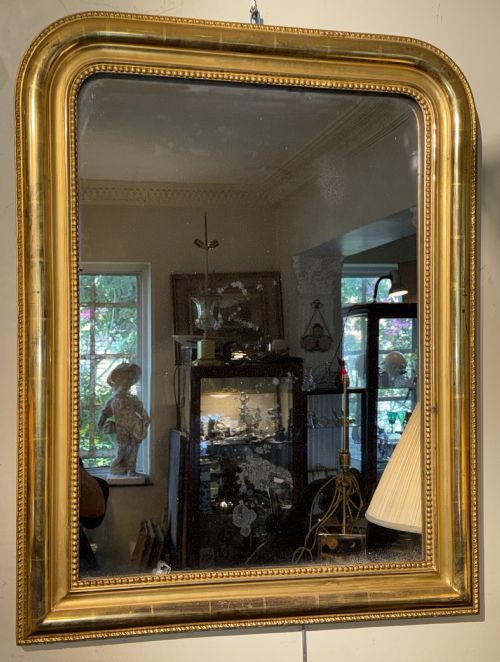
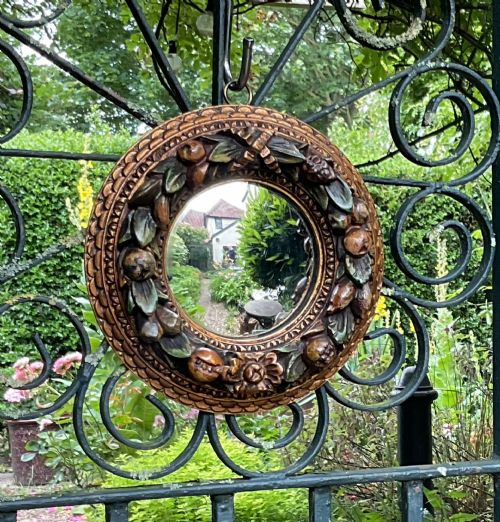
Antique Gold Round Mirror
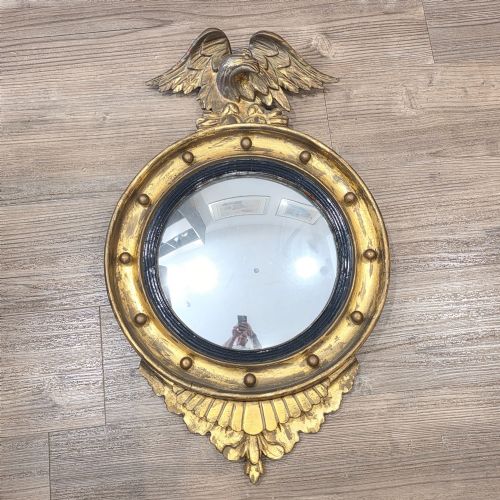
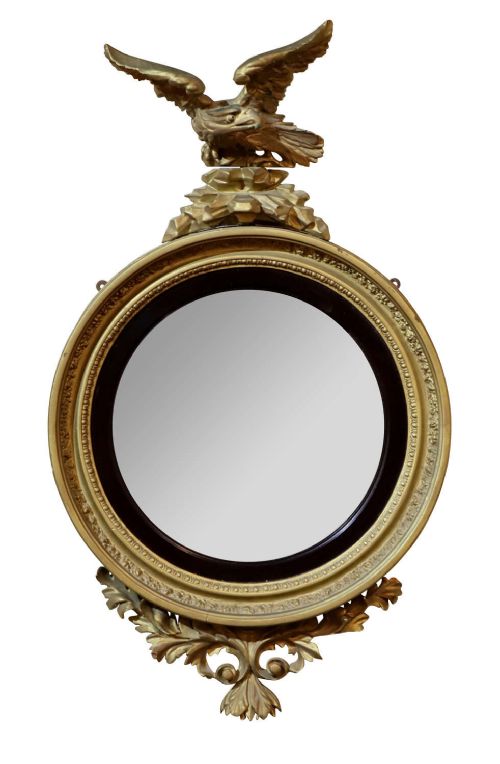
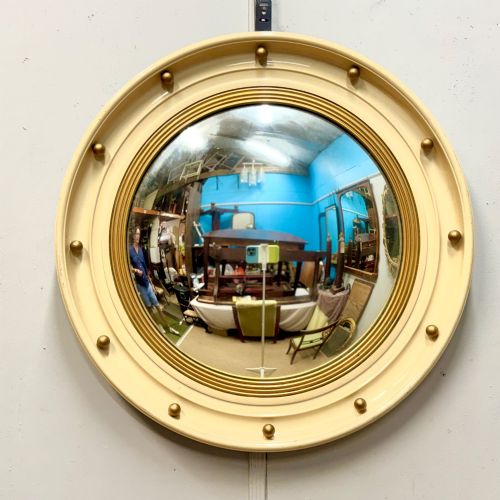
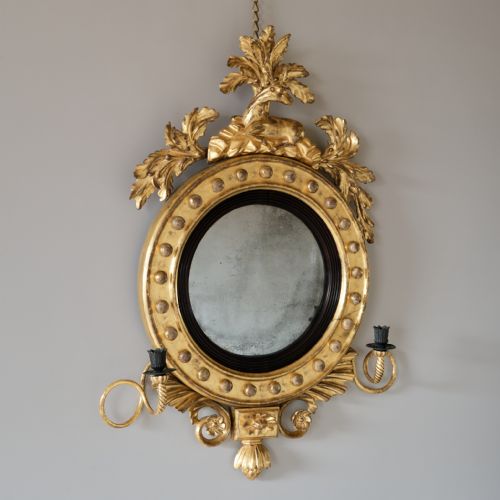
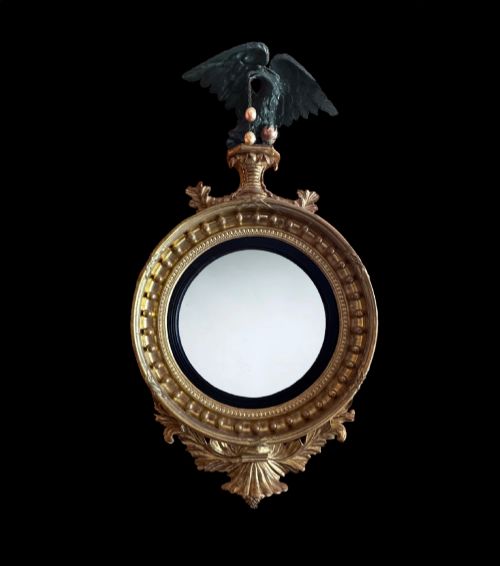
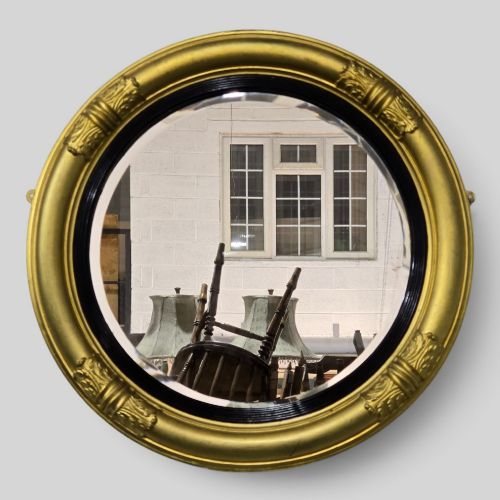
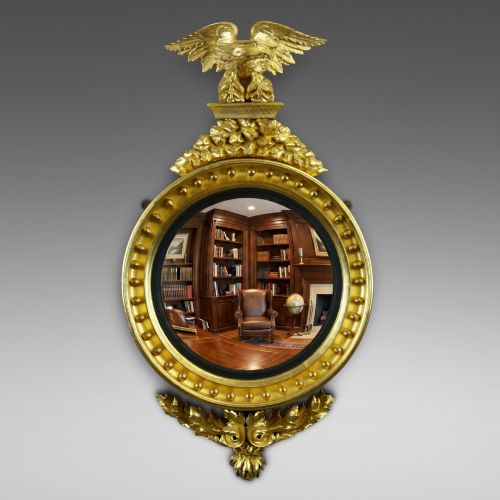
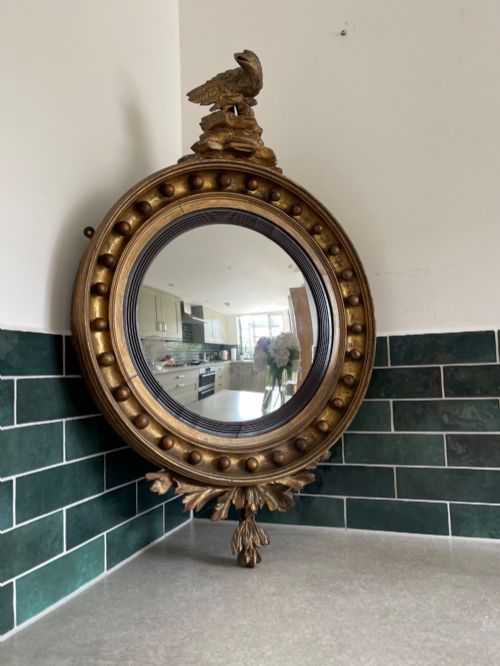
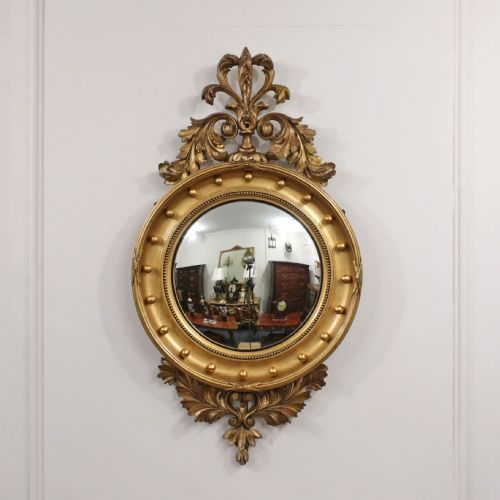
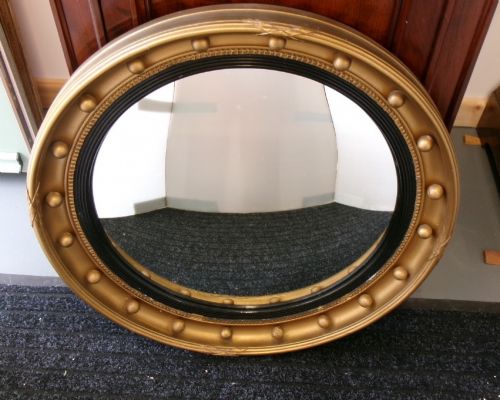
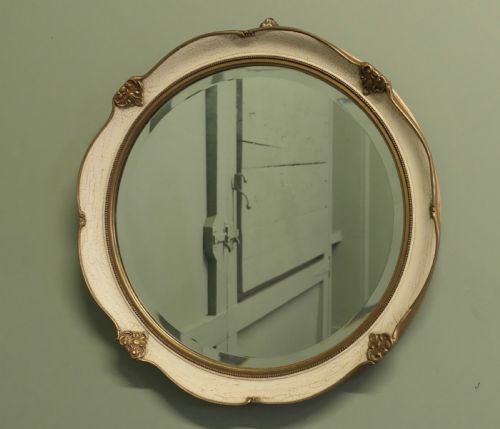
These antique gold round mirror selections offer remarkable convex optics and carved giltwood frames that instantly draw light into a room.
What They Are
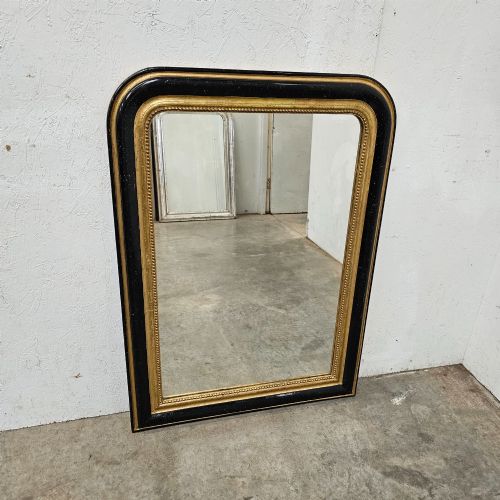
An antique gold round mirror brings unmistakable presence to a wall through curved glass and gilded framing. The pieces appearing here span the Regency and Victorian eras, alongside nineteenth-century Florentine and French Chateau styles.
Most examples found on this page take the form of convex wall mirrors housed in carved wood or gesso frames. Buyers encounter single statement pieces alongside matched pairs designed for symmetrical placement.
Originating primarily from nineteenth-century workshops, these round mirrors utilise distinctive ebonised details and rich gilding to create depth. Every piece functions simultaneously as a practical looking glass and a powerful decorative focal point.
How They Were Made
Maker artisans shaped solid timber bases using carved wood and applied gesso to build up intricate decorative mouldings. This layered plaster foundation provided a smooth surface for subsequent gilding.
Gilding involved laying ultra-fine gold leaf over a prepared bole, creating the luminous metallic sheen characteristic of the period. Glass was silvered and curved specifically to produce the wide-angle reflection seen in convex formats.
Certain examples incorporate ebonised wood details alongside the gold leaf to introduce stark tonal contrast. Every frame was constructed by hand to house the heavy curved glass securely within its circular rebate.
Retail Price Guide 2026
Typical UK retail prices for gold round mirror, calculated from the Sellingantiques database of over a million retail prices indexed since 2003. This retail price guide relies exclusively on Sellingantiques data; no external sources or auction records are used, so the figures do not describe the wider market.
Early convex mirrors were often placed in butler's pantries so staff could supervise large dining rooms with a single glance.
What Varies in Quality
Quality rests entirely in the crispness of the hand-carved ornament and the purity of the early gilding. Superior examples display deep, sharp relief in the gesso mouldings rather than soft or blurred contours.
The clarity and depth of the convex glass plate separate fine craftsmanship from simpler production. Original mercury silvering showing gentle, uniform oxidation demonstrates authenticity and age.
Construction integrity within the wooden frame joints dictates long-term stability under the weight of heavy glass. Pieces featuring intact original gilding without heavy modern intervention command greater appreciation.
The Antique Gold Round Mirror Glossary
- Convex mirror
- A round mirror featuring outward-curving glass that reflects a wide panoramic view of the room. These are frequently mounted with gilded frames.
- Giltwood
- Timber that has been decorated with a very thin layer of gold leaf. This material defines the warm metallic finish on antique frames.
- Gesso
- A plaster mixture applied to wood frames to create a smooth base for carving and gilding. It allows for intricate decorative relief work.
- Ebonised wood
- Timber treated with chemical stains or dark finishes to imitate costly ebony. It provides sharp visual contrast against bright gold leaf.
- Regency
- An English design period spanning the early nineteenth century known for classical restraint and bold convex optics. Pieces from this era often incorporate sophisticated carved details.
Frequently Asked Questions
Where should I hang a convex mirror?
These mirrors excel on principal walls in reception rooms or hallways where their wide-angle reflection can capture natural light from windows.
Because they compress a wide field of view into a circular frame, placing them opposite a light source maximises their optical impact.
How do I care for antique gilding?
Giltwood frames require gentle dusting with a soft, dry brush rather than chemical cleaning products or damp cloths.
Keeping the piece away from direct sunlight and excessive humidity prevents the gesso foundation from cracking beneath the gold leaf.
Are pairs common in these mirrors?
Matched pairs appear frequently in nineteenth-century Florentine and Victorian production for placement on either side of a fireplace or doorway.
Finding a matching set ensures uniform gilding colour and identical frame dimensions for formal interior layouts.
How do I identify a Regency period mirror?
Regency pieces typically feature distinct convex glass plates housed within robust circular wooden frames decorated with gesso ornamentation.
They often incorporate ebonised reeding around the interior bezel to frame the reflective surface.