


Antique Gold Pier Glass
An antique gold pier glass brings vertical elegance to tall wall spaces between windows, reflecting light with historical presence.
Antique Gold Pier Glass
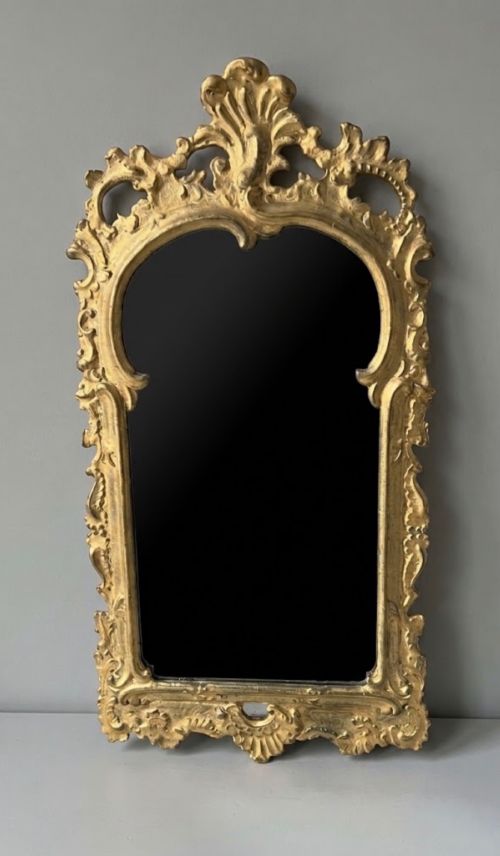
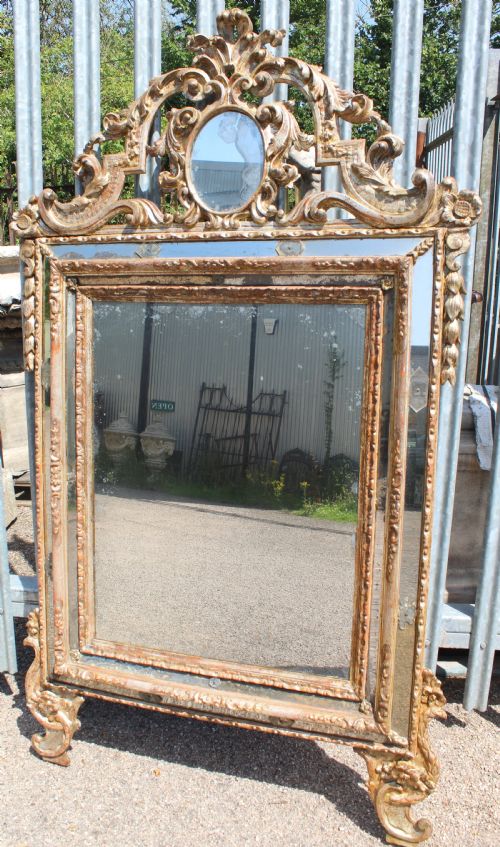
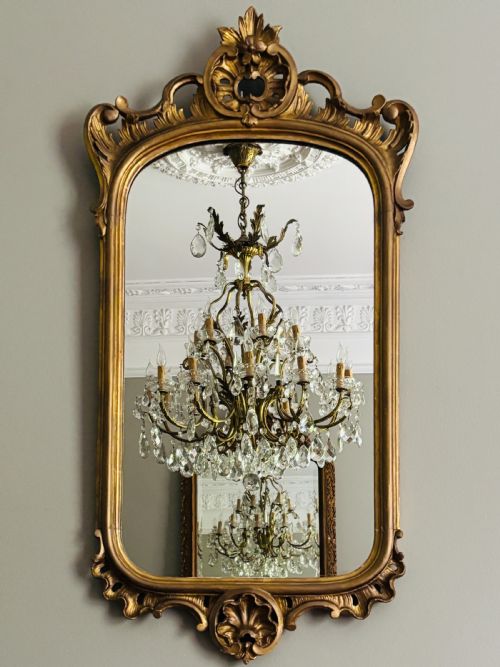
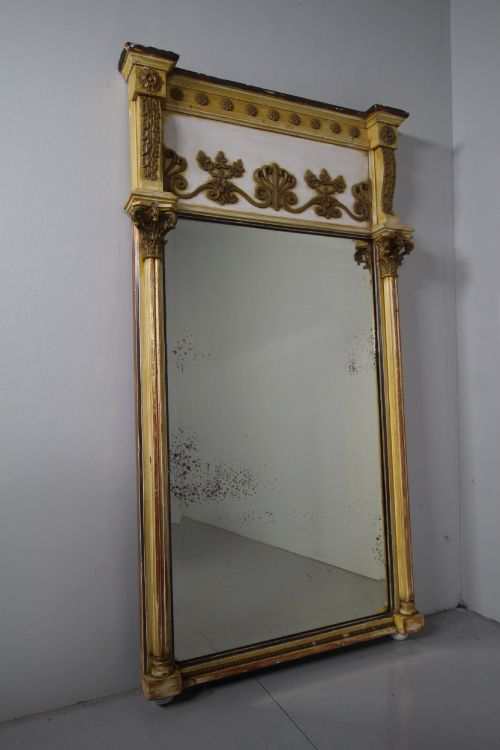
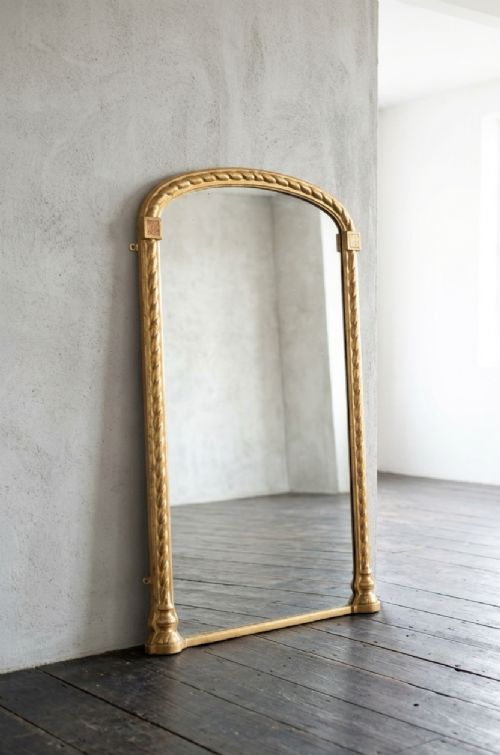
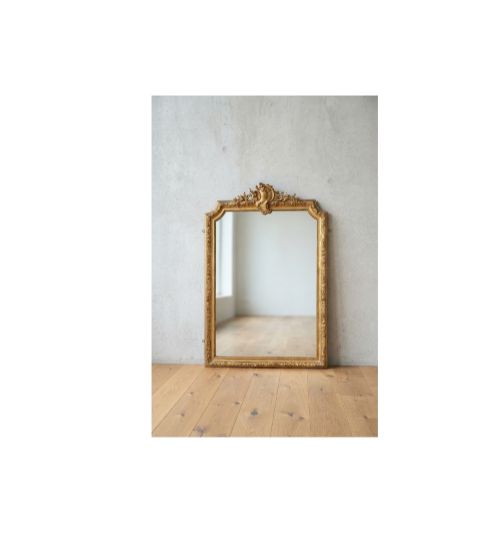
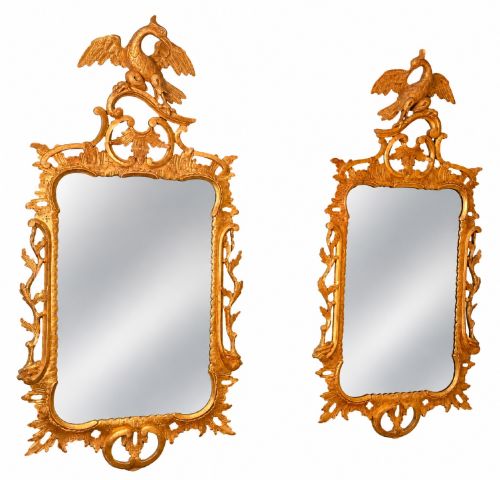
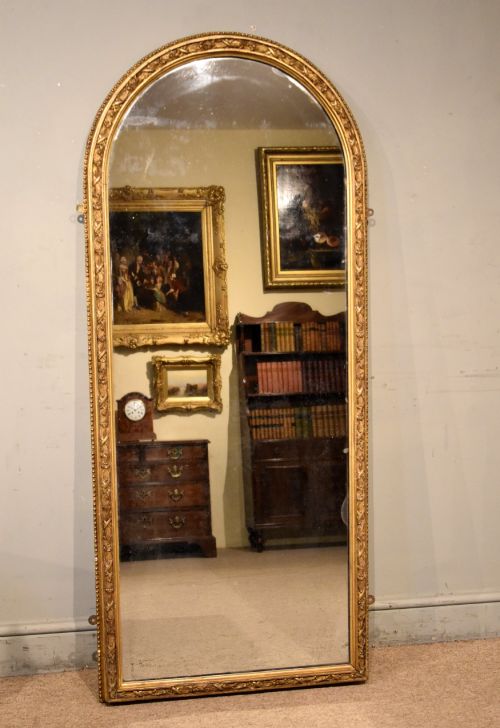
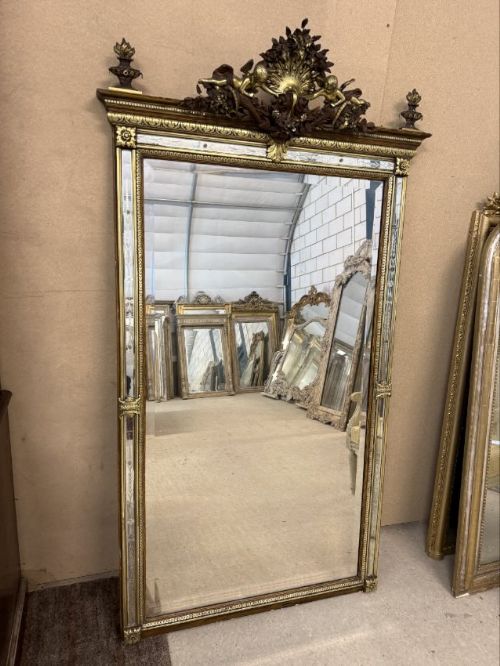
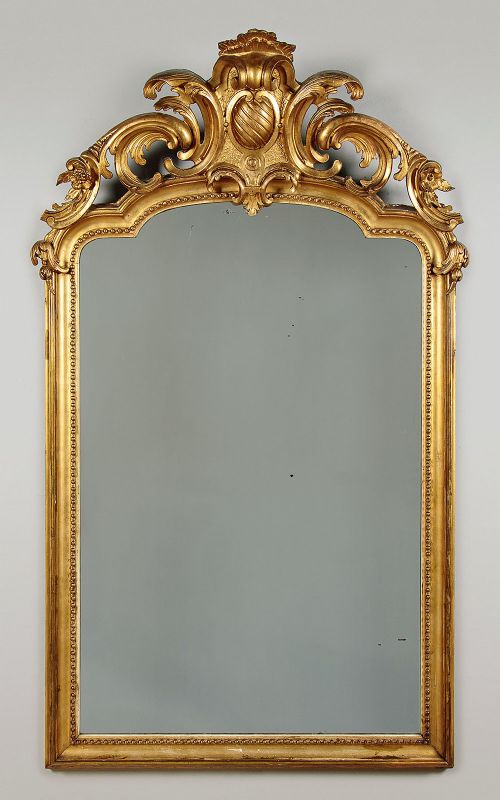
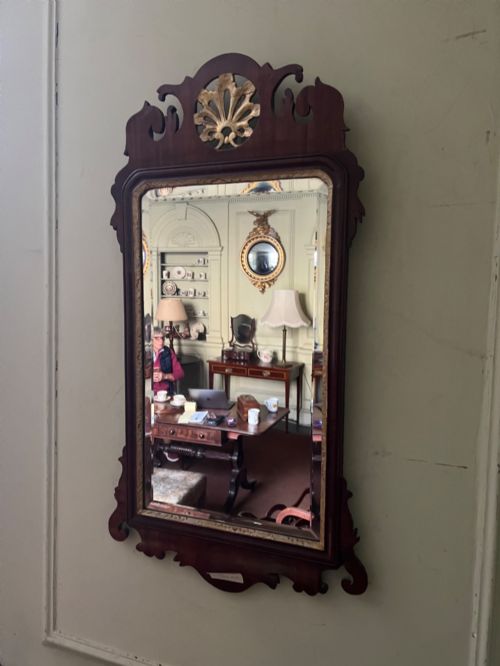
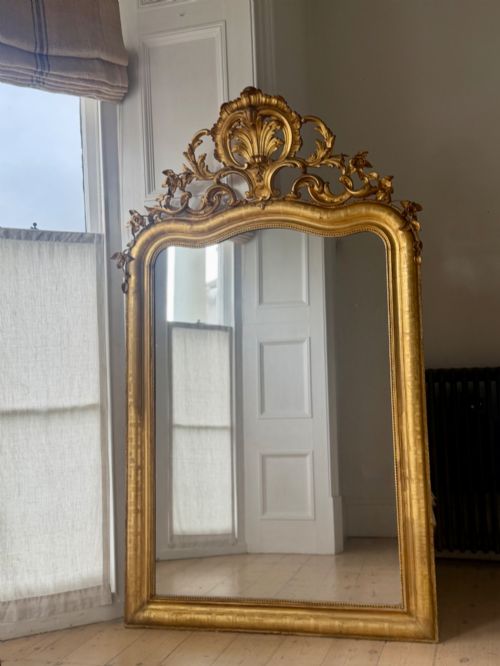
An antique gold pier glass is a tall wall mirror designed specifically to hang on the narrow pier of wall between two windows, drawing natural light deeper into a room. These pieces appear in forms ranging from grand Regency designs with lion masks to French Empire and Italian giltwood wall mirrors.
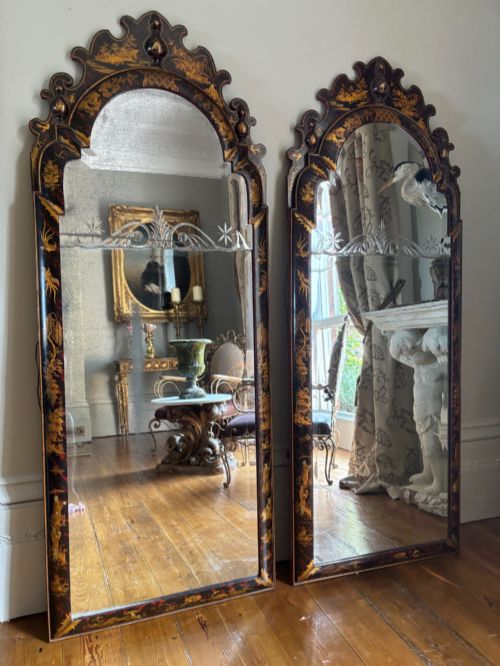
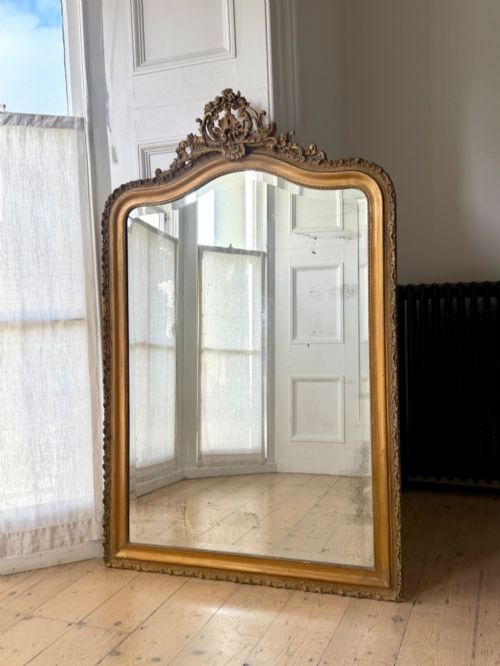
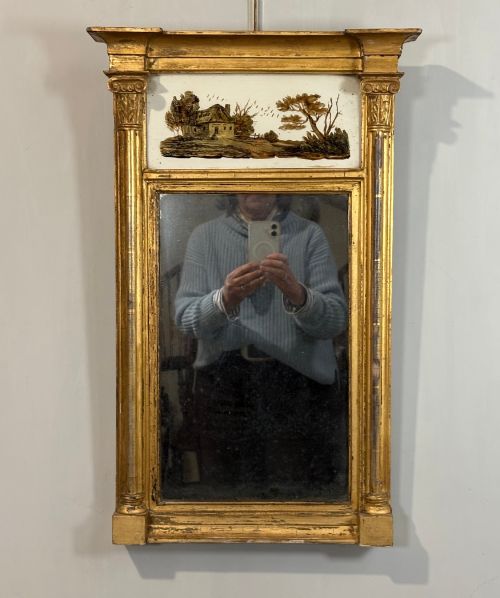
The version most commonly met on this page is the nineteenth-century giltwood pier mirror, frequently accompanied by original mercury glass plates or decorative verre eglomise panels. Surviving examples span periods from the eighteenth century through to the late nineteenth century, including Georgian, Regency, and French neoclassical styles.
Buyers also encounter related console tables paired with pier mirrors, as well as trumeau mirrors incorporating painted panels or oil paintings. The scale ranges from compact domestic dressings to monumental architectural statements.
How they were made
Giltwood frames rely upon carved timber, such as mahogany, walnut, or softwoods, prepared with layers of gesso before the application of gold leaf or paint. Composition ornament often reinforces complex moulded details, particularly on nineteenth-century interpretations.
Mirror plates consist primarily of silvered or mercury glass, sometimes exhibiting natural foxing and age spots that evidence long histories. Specialised panels feature verre eglomise reverse-painting techniques or integrated oil paintings depicting maritime scenes.
Antique Gold Pier Glass Retail Price Guide 2026
Typical asking prices for gold pier glass among the pieces listed under this phrase on Sellingantiques today, from the lower quarter to the upper quarter. They describe what is for sale here now, not the wider market.
Listings span multiple design movements, featuring Giltwood, Painted Wood, and Composition materials across the 18th, 19th, and Regency periods.
What varies in quality
The definition and depth of the carved woodwork separate standard decorative frames from masterworks of the gilder's art. Crisp detailing in the gesso and the integrity of the original gold leaf retain historical visual impact.
The preservation of the original mirror plate dictates much of the character, with undisturbed mercury glass or period verre_eglomise panels holding greater historical weight than modern replacement glass.
The Antique Gold Pier Glass Glossary
- Pier glass
- A tall mirror designed to hang on the narrow section of wall between two windows. These mirrors were traditionally positioned above low console tables to amplify light in formal reception rooms.
- Gesso
- A plaster-like mixture applied to wooden frames as a smooth base for gilding or painting. Skilled artisans built up this layer to carve intricate relief ornamentation before applying gold leaf.
- Verre eglomise
- A cold decoration technique involving painting and gilding on the reverse side of glass panels. This method produced decorative friezes often seen in the upper sections of Regency pier mirrors.
- Mercury glass
- An early type of silvered glass created by pouring a mercury amalgam between double-walled blown glass or onto flat plates. It typically develops characteristic foxing spots over centuries of oxidation.
- Trumeau
- A decorative wall panel combining a mirror with a painted scene or carved wooden artwork. Originating in French interiors, these architectural elements unified wall decorations above mantelpieces or piers.
Antique Gold Pier Glass: Frequently Asked Questions
Where should I hang a pier glass?
These tall mirrors work best on narrow expanses of wall between windows, where they bounce daylight across the room.
They also suit placement above console tables or mantelpieces to create a balanced vertical focal point.
Are the mirror plates original?
Many surviving examples retain their original mercury glass plates, which often display characteristic foxing and dark age spots.
Some pieces have received replacement glass over the centuries to maintain clearer reflection.
What is verre eglomise?
Verre eglomise is a decorative technique where artists paint and apply gold leaf to the reverse side of glass panels.
This method appears frequently in the upper friezes of Regency pier mirrors.
How do I identify a Regency pier glass?
Regency examples often feature classical motifs such as lion masks, columns, and giltwood frames with bold architectural lines.
They frequently incorporate verre eglomise panels or convex circular elements within the overall design.