
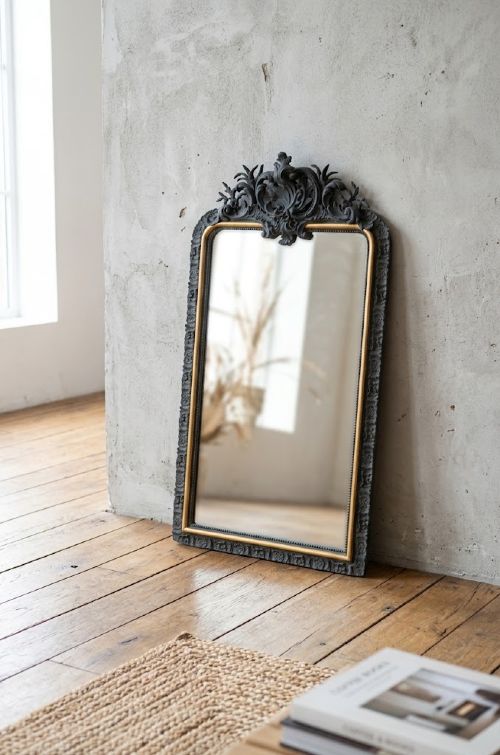
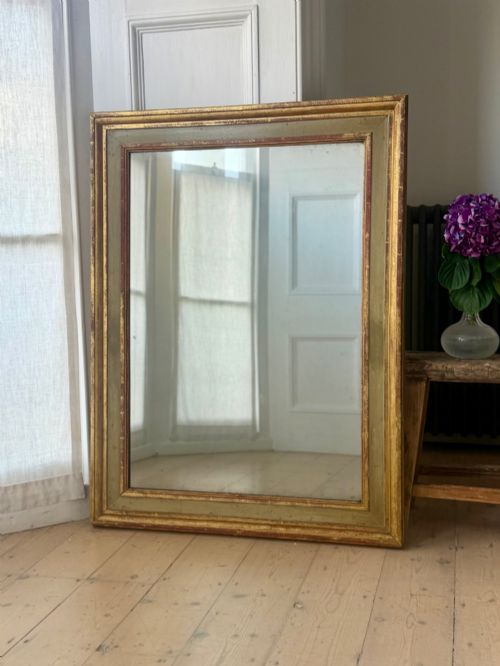
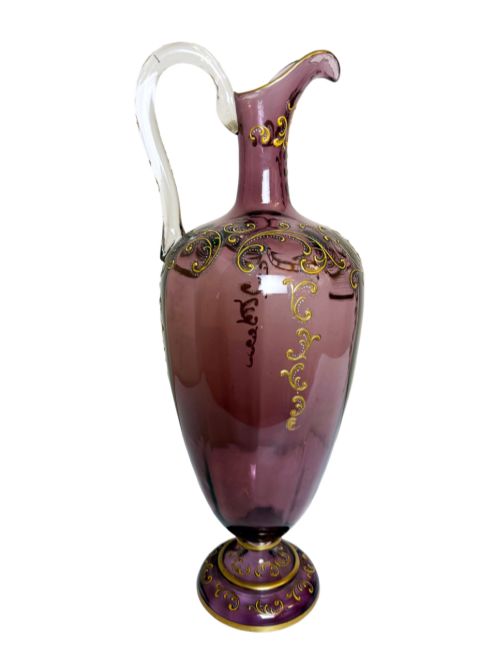
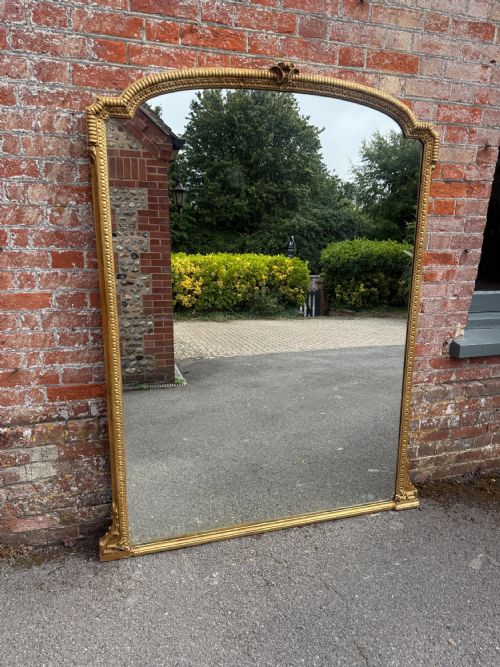
Antique Gold Painted Glass
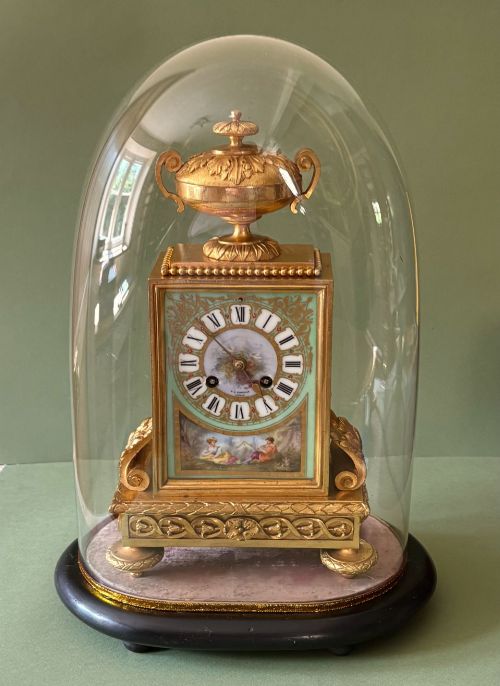
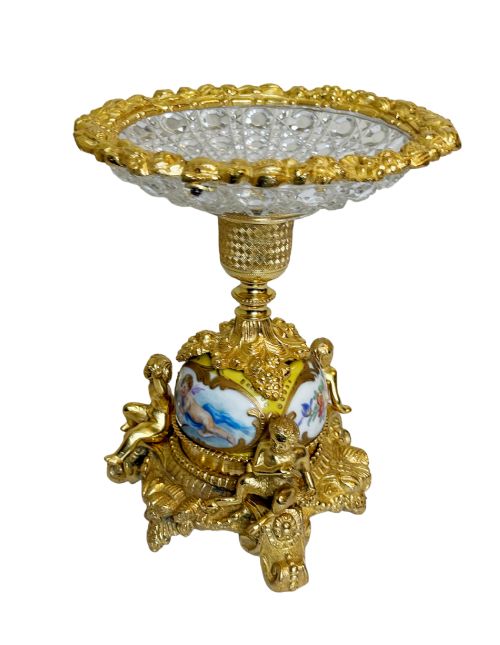
When you seek antique gold painted glass, you are looking for mirrors and decorative vessels carrying gilt and painted work from the Georgian, Regency, and Victorian eras.
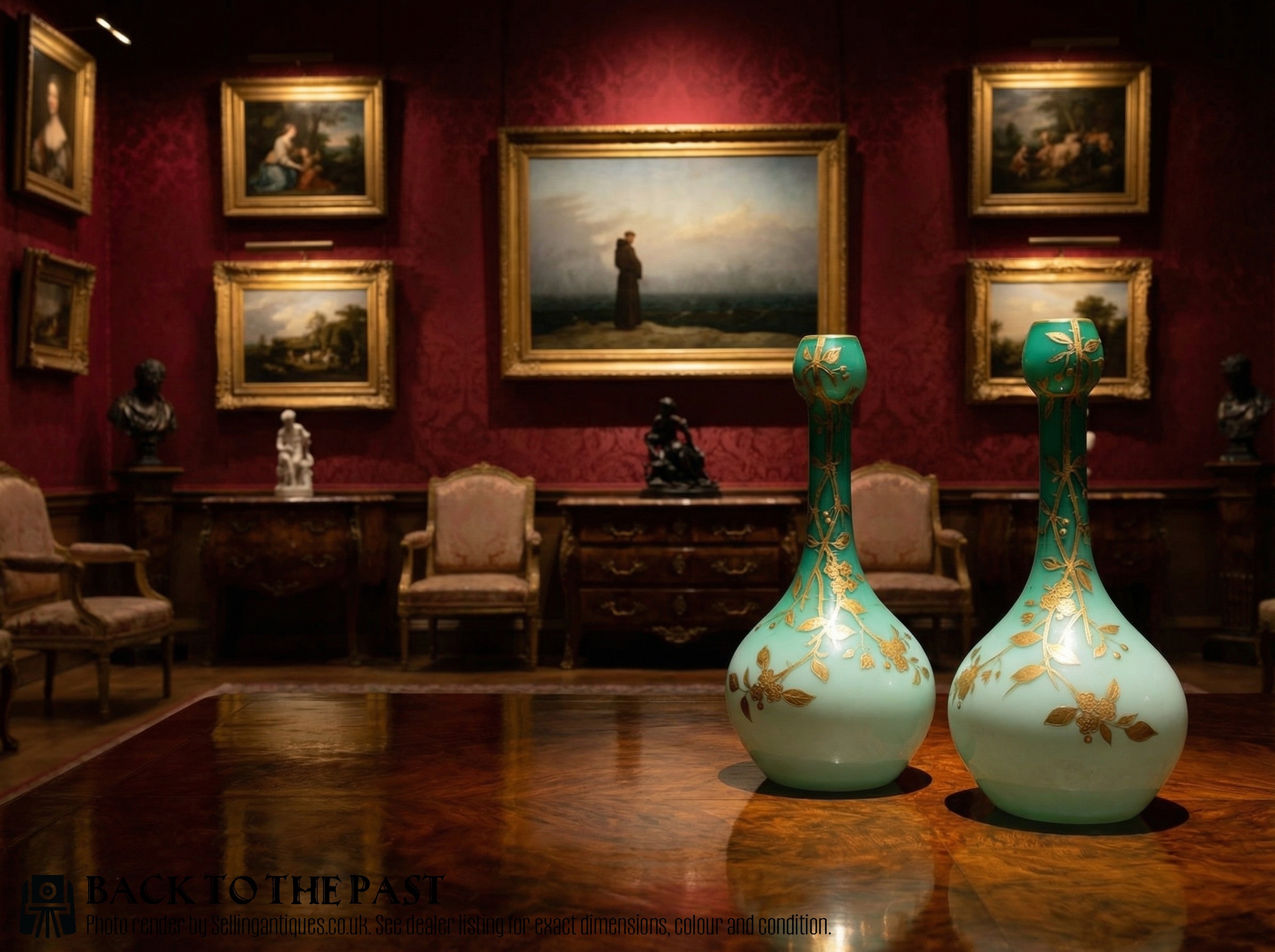
Antique Gold Painted Glass
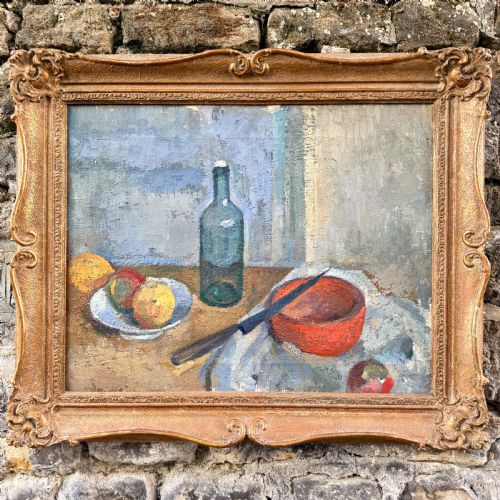
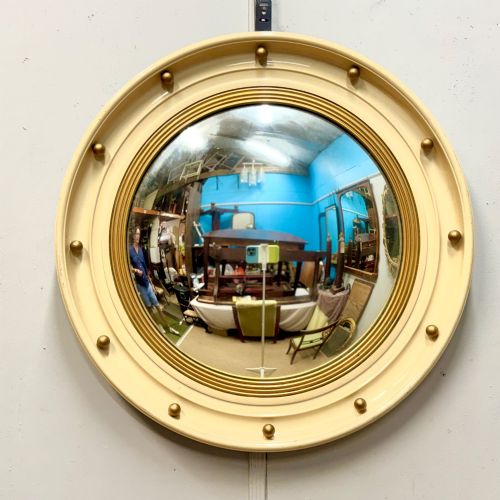
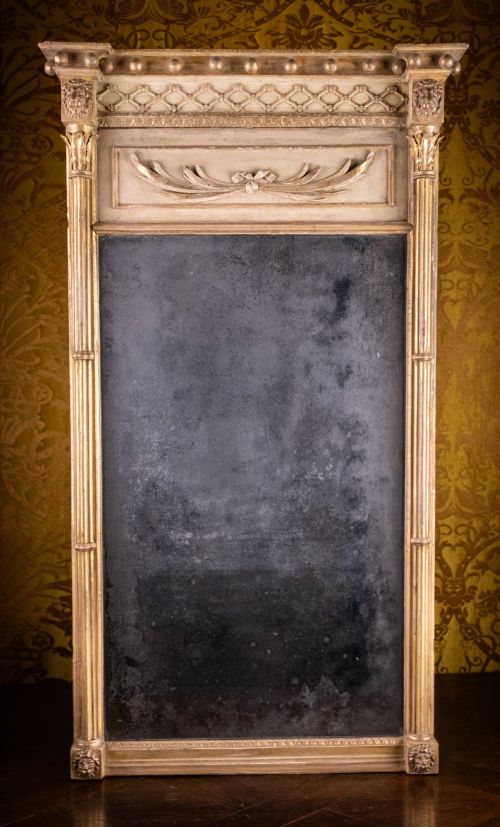
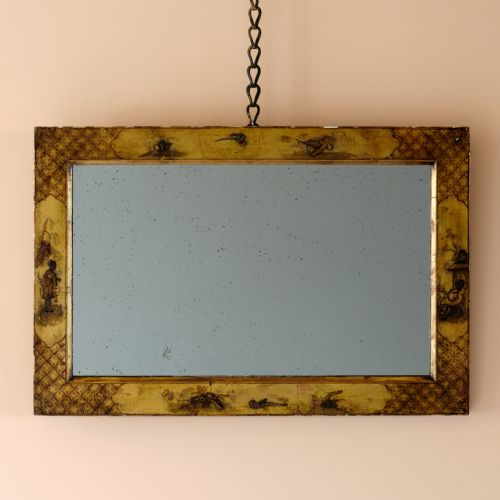
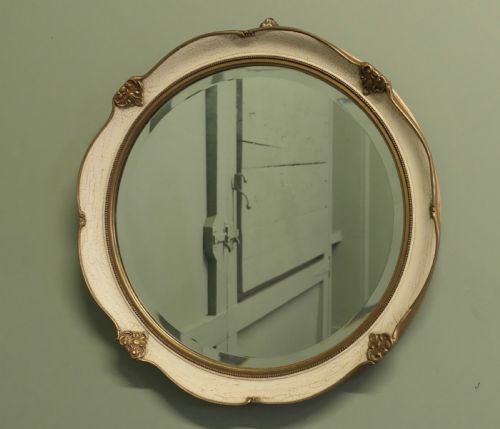
Antique gold painted glass encompasses items where gilt decoration, paint, and reverse techniques enhance glass surfaces, mirrors, and frames. You will most frequently encounter pier mirrors, trumeau mirrors, and overmantel mirrors featuring painted elements and giltwood.
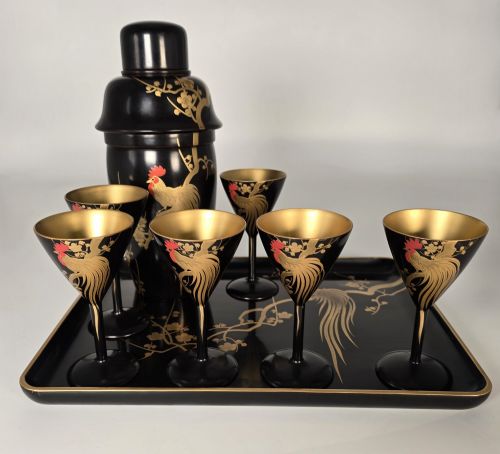
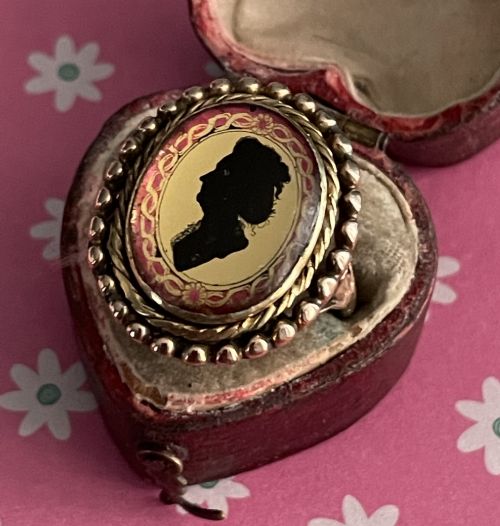
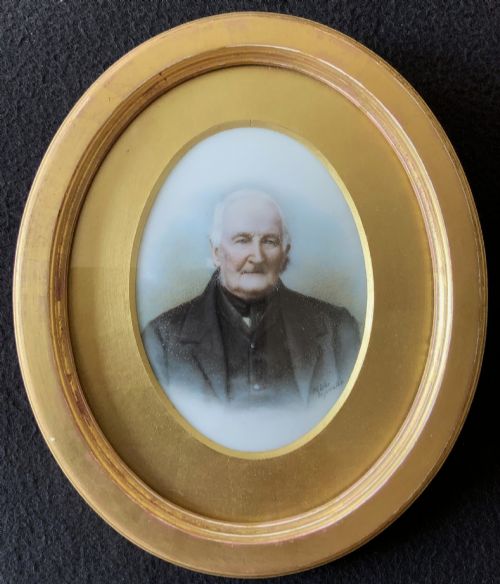
The selection ranges across the Georgian, Regency, and nineteenth century periods, incorporating items such as verre eglomise panels, reverse glass prints, and decorative glassware. These pieces bring reflective light and metallic detail into domestic interiors, utilising traditional craftsmanship from England, France, and Bohemia.
How they were made
Maker techniques combine glass working with gold leaf, paint, and gesso applied to wood and glass substrates. Craftsmen utilised mercury glass, enamel, and gold leaf alongside carved wood and gesso frames to achieve decorative depth.
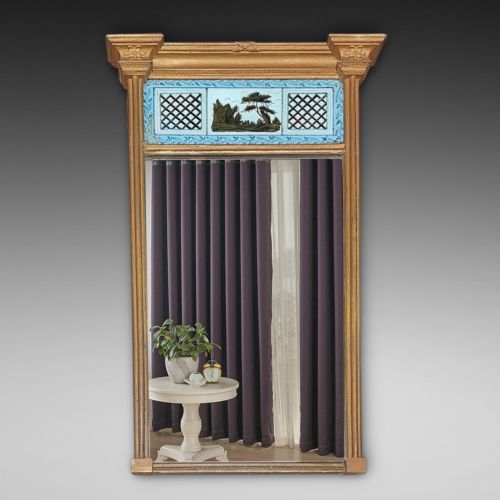
Processes such as verre eglomise involve applying gold or silver leaf to glass before engraving and painting from the reverse side. Wood elements receive gesso layers and gold leaf application to complement the glass components.
Certain antique glass pieces feature painted spiders and fruit, proving past artisans possessed a fine eye for creepy crawlies.
What varies in quality
Quality rests upon the execution of the painting, the crispness of the giltwood carving, and the preservation of the glass panels. Finer examples display meticulous hand painting and well-preserved mercury or verre eglomise surfaces.
The integration between the glass panels, frames, and painted details dictates the distinction between standard decorative items and superior works. Original gilding and untouched glass surfaces elevate the standing of the piece.
Edward Ladell·Kralik Glass·Emmy Seyfried
The Antique Gold Painted Glass Glossary
- Verre eglomise
- A cold decoration technique where gold or silver leaf is applied to the reverse of glass and then etched or painted. This method creates a reflective, metallic panel often seen in mirrors and small decorative works.
- Giltwood
- Wood that has been coated with a thin layer of gold leaf or gold paint. It forms the primary frame material for many antique mirrors from the Georgian and Regency periods.
- Trumeau
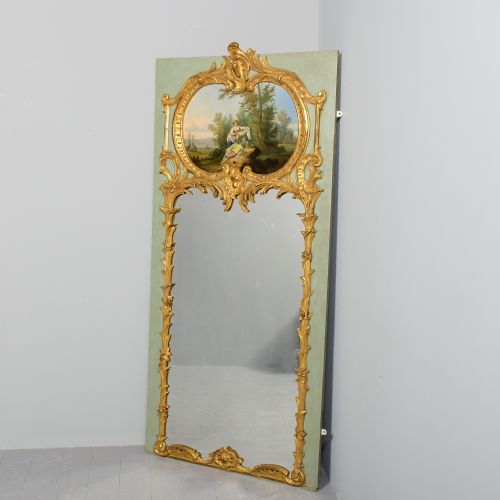
- A decorative wall mirror or panel featuring a painted or carved scene above the glass. These originate largely from French interior design traditions of the eighteenth and nineteenth centuries.
- Mercury glass
- A double-walled blown glass type featuring a silvered liquid mercury mixture sealed inside. It produces a reflective mirror-like appearance distinct from standard modern silvering.
- Gesso
- A plaster-like mixture applied to wood frames as a base for gilding and painting. Its smooth surface allows for sharp carved details and adheres gold leaf securely.
Antique Gold Painted Glass: Frequently Asked Questions
What is verre eglomise?
Verre eglomise is a traditional cold technique involving the application of gold or silver leaf onto glass. Artisans then engrave and paint the reverse side to produce detailed decorative panels.
You find this method frequently on Regency and Georgian pier mirrors, where the upper glass panel displays ornamental metallic designs.
How do I identify a trumeau mirror?
A trumeau mirror combines a lower glass looking plate with an upper section containing a painting, carving, or panel. They typically feature painted wood and giltwood framing.
These large wall fixtures served as permanent architectural decorations in nineteenth century French and English interiors.
What is mercury glass?
Mercury glass consists of double-walled blown glass with a silvered liquid mixture trapped between the inner and outer walls. This creates a dense, reflective finish without using actual mercury in modern production.
It appears on nineteenth century decorative vessels and table items, offering a dim, atmospheric reflection.
How should I clean antique glass and gilt?
Antique glass and gilt surfaces require gentle dusting with a soft, dry cloth. Avoid commercial liquid cleaners, water, and abrasive cloths that can strip gold leaf or damage painted details.
Preserving the original mercury backing and delicate paintwork relies on keeping moisture away from the edges of the glass.