
Antique Gold Clasp
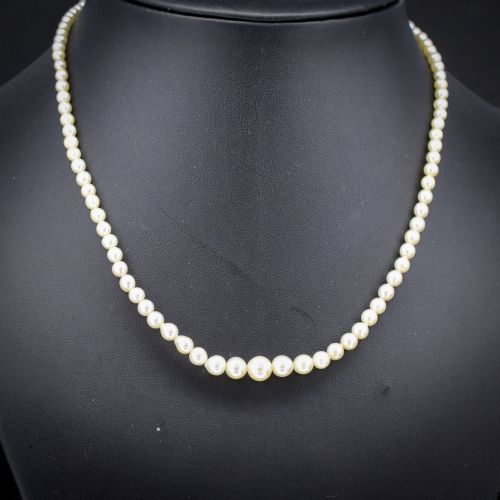
An antique gold clasp secures everything from heavy Victorian watch chains to delicate beaded pearl necklaces.
Antique Gold Clasp
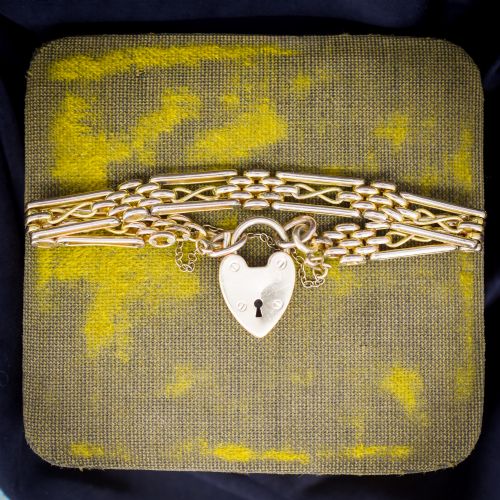
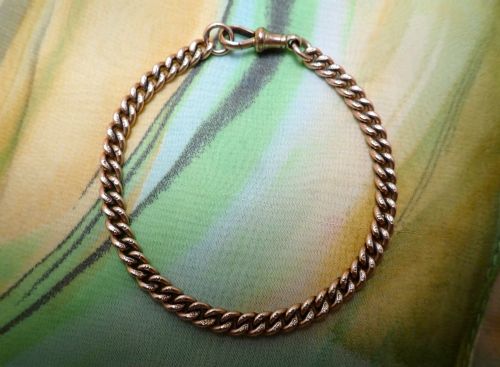
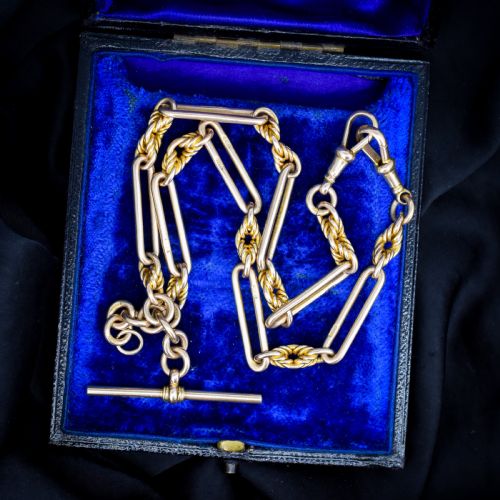
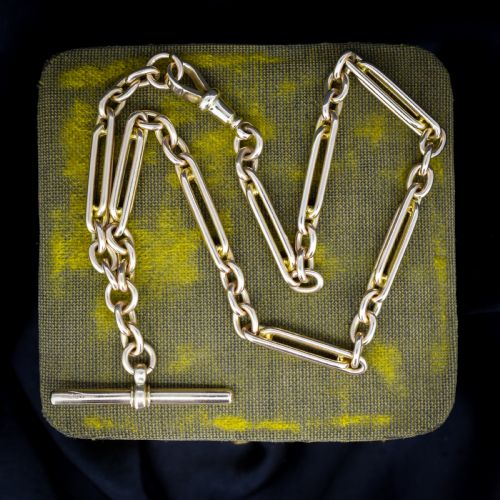
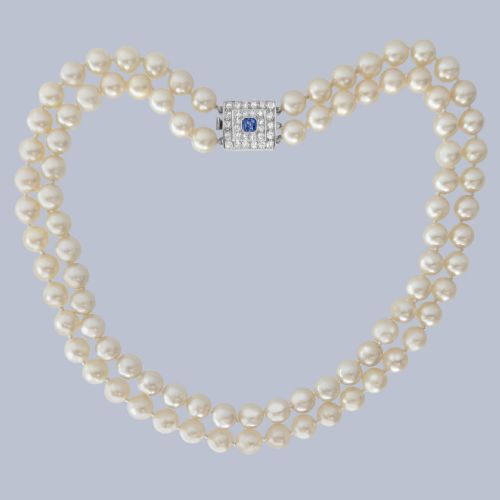
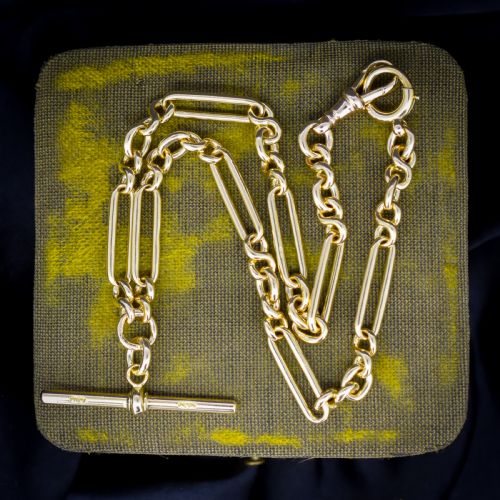
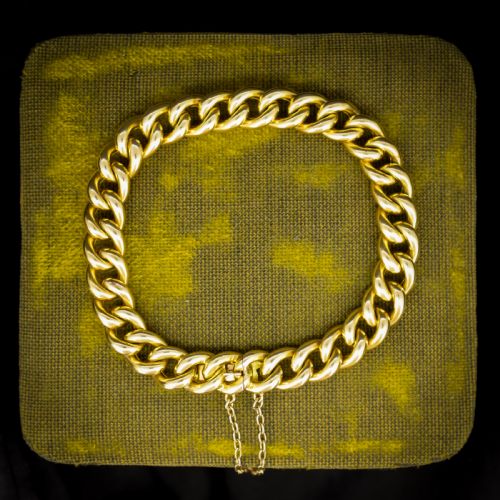
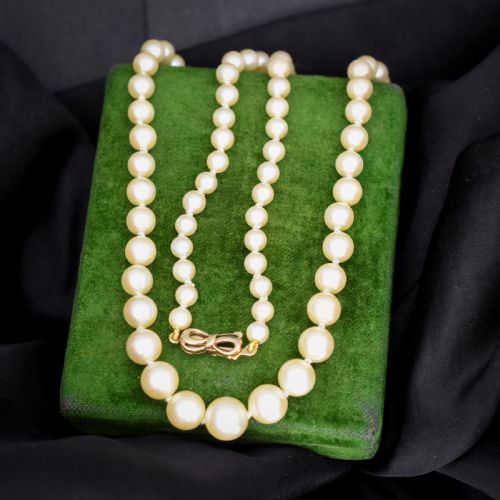
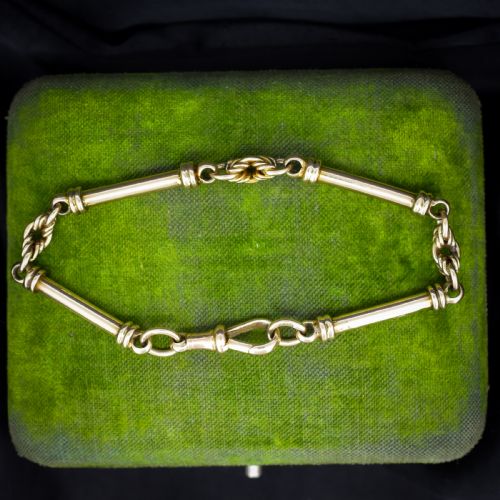
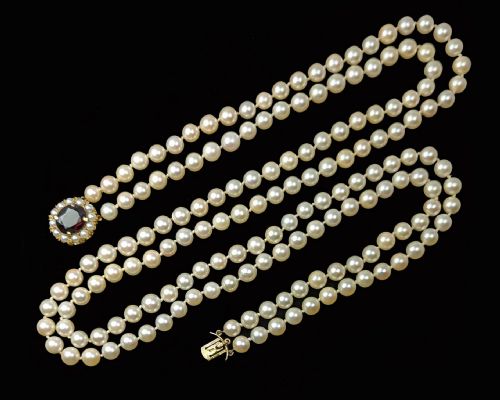
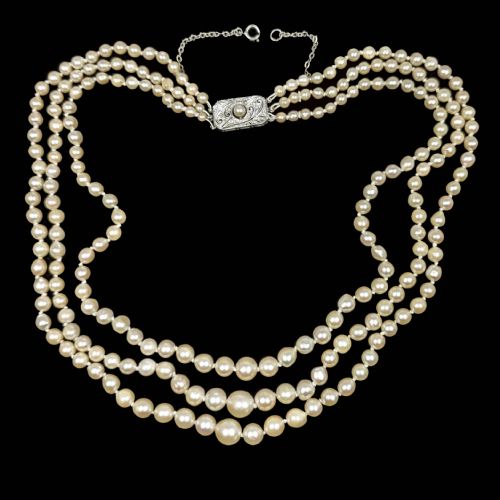
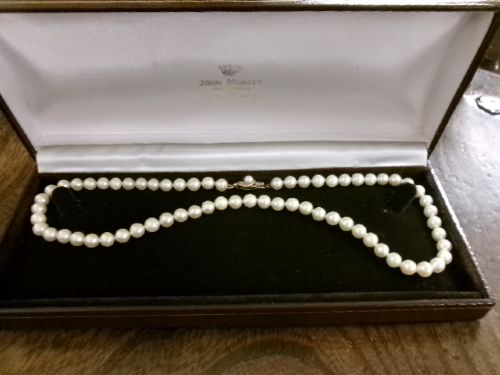
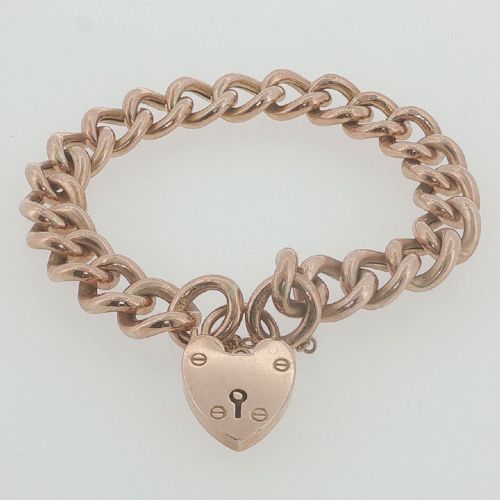
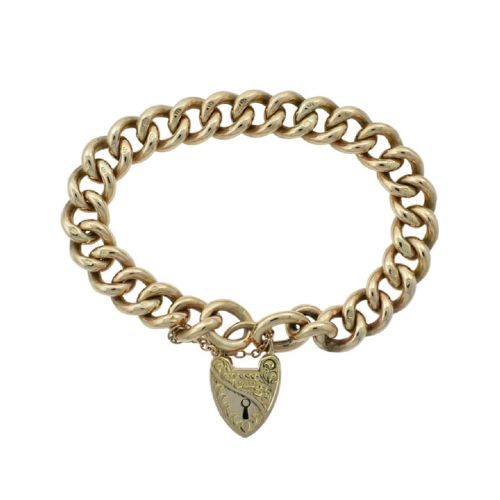
An antique gold clasp serves as the functional termination and decorative focal point for period necklaces, bracelets, and watch chains. Buyers searching for an antique gold clasp typically encounter fasteners integrated into Victorian and Edwardian curb link bracelets, Albert chains, and pearl strands.
The selection ranges from robust heart padlocks and dog clips to subtle barrel clasps and spring rings. Many examples form part of complete pieces where the mechanism matches the linked chain or beaded strand in carat weight and tone.
Origins span nineteenth-century British workshops through mid-century European studios, reflecting changing fashions in jewellery design. These mechanisms demonstrate how period makers combined utility with ornamental detail.
How they were made
Goldsmiths utilised varying purities of yellow and rose gold, predominantly nine carat, fifteen carat, and eighteen carat alloys, alongside rolled gold alternatives. Components were cast, stamped, or hand-fabricated before assembly with internal steel springs where tension was required.
Surface decoration involved hand engraving, chasing, and the incorporation of gemstones such as diamonds, sapphires, turquoises, and seed pearls. Mechanisms like barrel clasps relied on precise screw threads or friction fits, while padlocks employed miniature lever locks.
One portrait from seventeen hundred depicts a gentleman wearing an azure cloak secured by a sparkling diamond clasp.
What varies in quality
Quality depends upon the integrity of the mechanism and the crispness of any hand-engraved surface work. Superior examples retain strong internal spring tension and clear hallmarks denoting metal purity and assay office origin.
The harmonious integration of the fastening device with its parent chain or necklace distinguishes finer items from assembled combinations. Maker marks and well-preserved stones elevate the overall standard of the hardware.
The Antique Gold Clasp Glossary
- Albert chain
- A short length of watch chain designed to be secured through a waistcoat buttonhole. These chains frequently terminate in dog clips or swivel connectors.
- Dog clip
- A spring-loaded snap hook used widely on watch chains and charm bracelets. It allows the wearer to attach and detach pendants or secure the chain end.
- Heart padlock
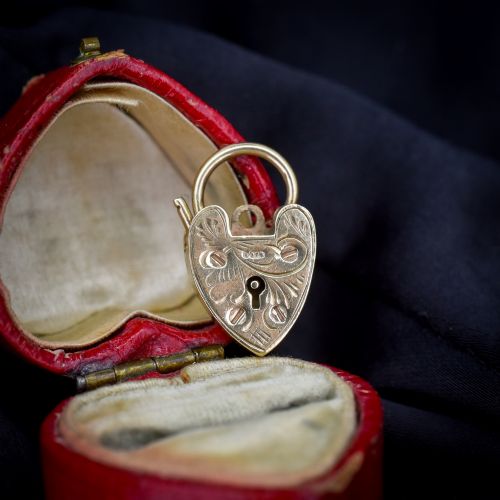
- A heart-shaped clasp commonly found on Victorian and Edwardian gate and curb link bracelets. They often feature engraved scrollwork and a functioning miniature latch.
- Barrel clasp
- A cylindrical fastening device that screws or pushes together to form a seamless continuation of a beaded necklace. They are typical of pearl and gemstone strands.
- Trombone link
- An elongated rectangular metal link with folded edges, resembling the slide of a musical instrument. They feature prominently in nineteenth and early twentieth-century watch chains.
Antique Gold Clasp: Frequently Asked Questions
How do I secure an antique heart padlock?
Most antique heart padlocks operate via a small spring-loaded lever or a hidden push-pin mechanism on the side of the body. Pressing this internal catch allows the hinged bail to open.
Once released, the bail hooks onto the designated jump ring or link before snapping back into place. Ensuring the spring retains a firm click is essential for daily security.
Can I attach a clasp to a different chain?
Interchanging clasps depends entirely on the gauge of the jump rings and the overall weight distribution of the jewellery. Solid gold dog clips and spring rings transfer easily if the connecting loops match.
However, altering original configurations on hallmarked Victorian or Edwardian pieces may compromise historical integrity. Matching the carat colour and style remains important for visual harmony.
How do I date a gold clasp without hallmarks?
Dating relies on stylistic clues, construction techniques, and the type of mechanism utilised. Tubular bar links, specific hinge designs, and hand-engraved motifs correspond to distinct decades.
Comparing the clasp construction to dated companion pieces in the same chain helps narrow the period of manufacture. Gemstone settings and gold colour alloys offer further chronological markers.