
Edwardian Gold Charm
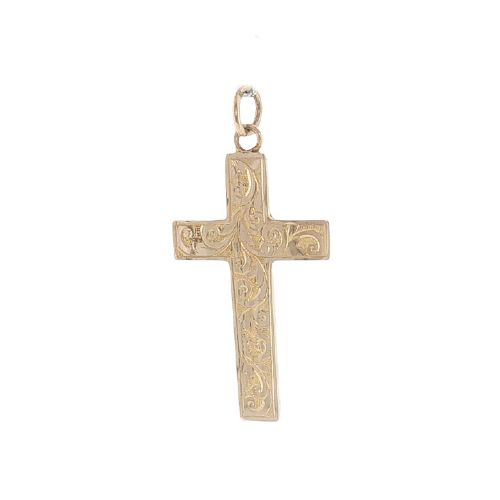
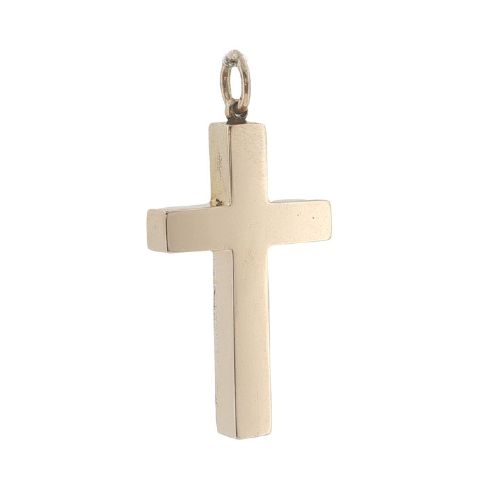
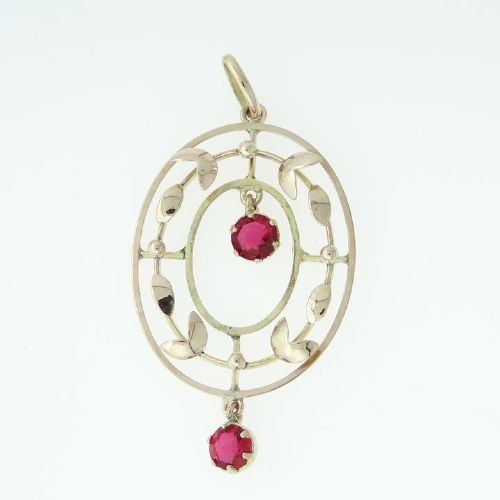
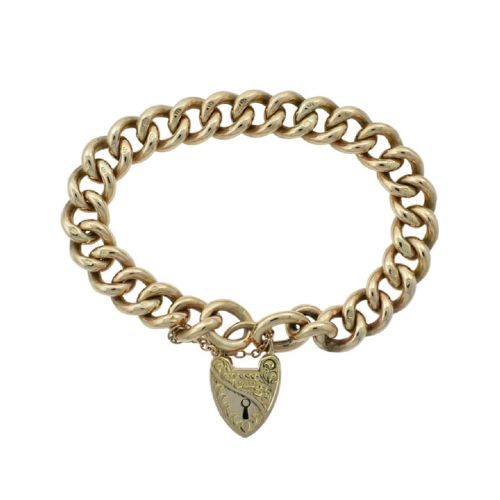
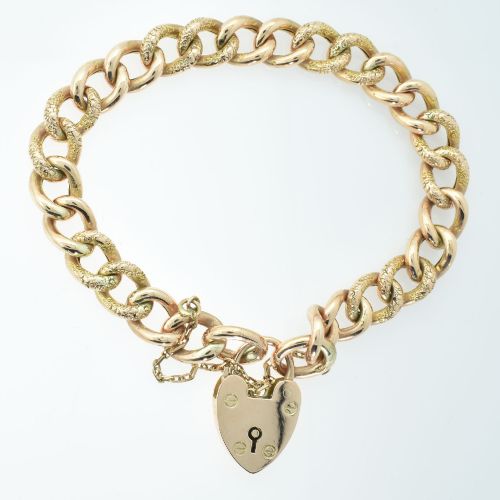
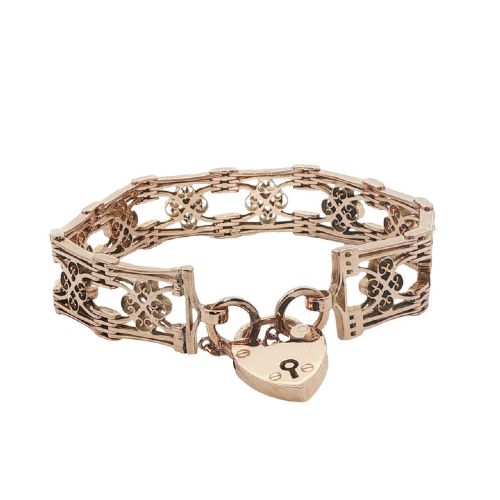
These edwardian gold charm pieces are miniature treasures in rose and yellow gold, offering tiny mechanical details and personal tokens that collectors adore.
Identifying an edwardian gold charm
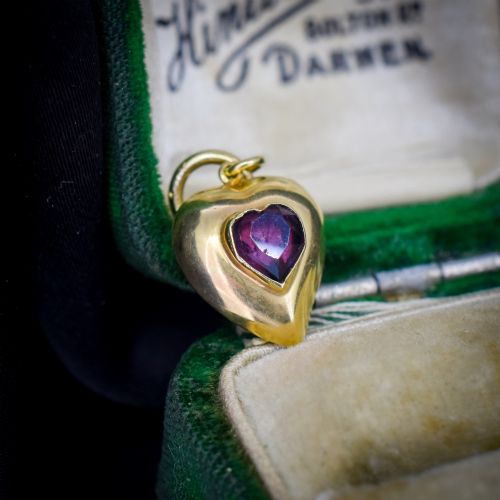
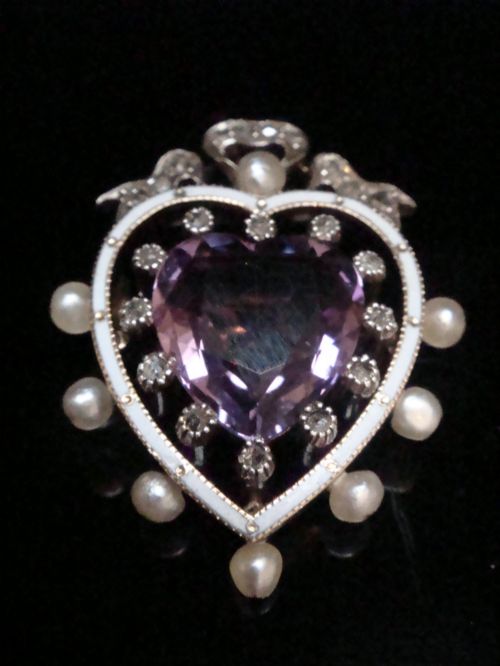
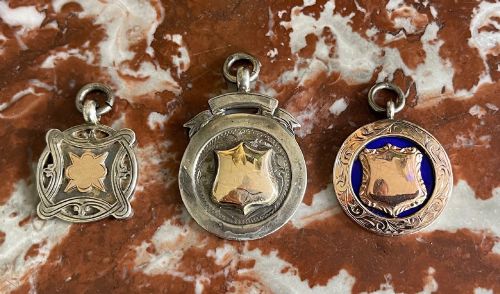
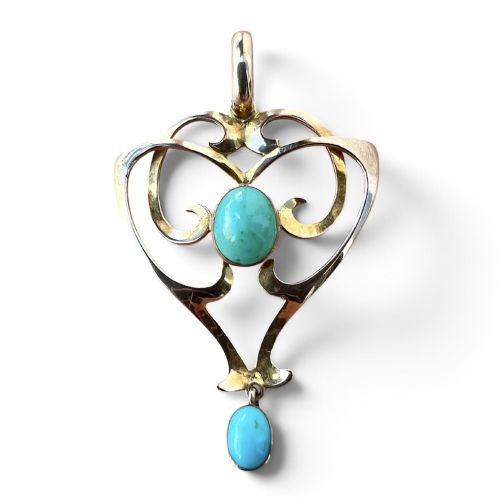
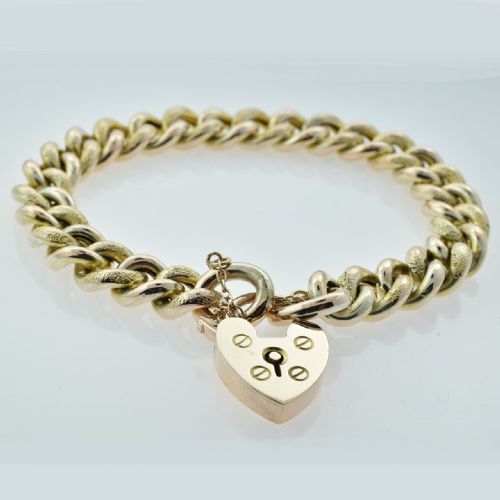
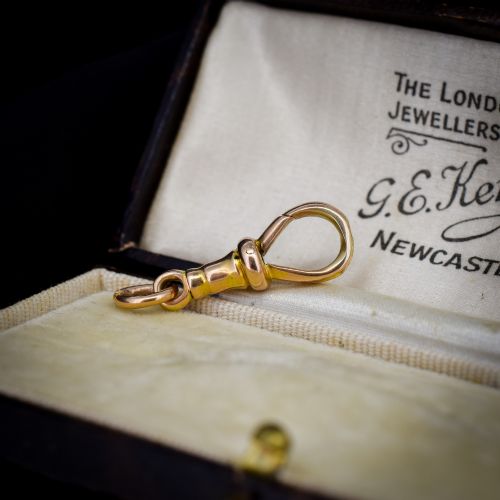
When you search for an edwardian gold charm, you are looking at small personal pendants designed to be suspended from bracelets or chains. The selection ranges from intricate novelty figures to functional miniature objects.
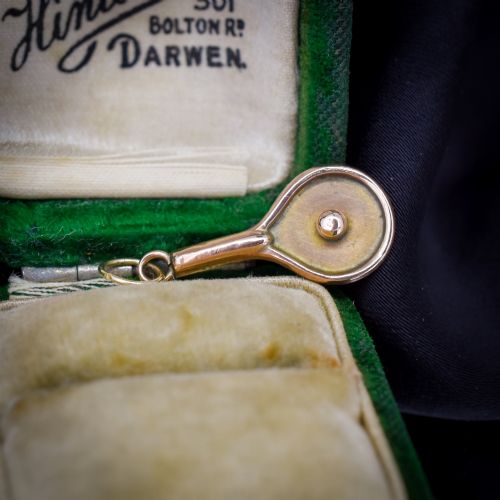
You are most likely to meet 9ct rose gold and 9ct yellow gold pieces on this page, alongside occasional higher carat examples. Forms include teddy bears, tennis rackets, opening purses, and sliding figures.
The styles span the Edwardian era and Victorian periods, often incorporating French antique elements or novelty designs. Many pieces double as charms and pendants.
Materials and construction
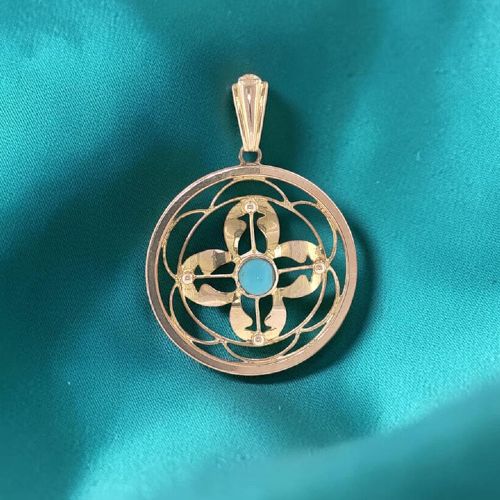
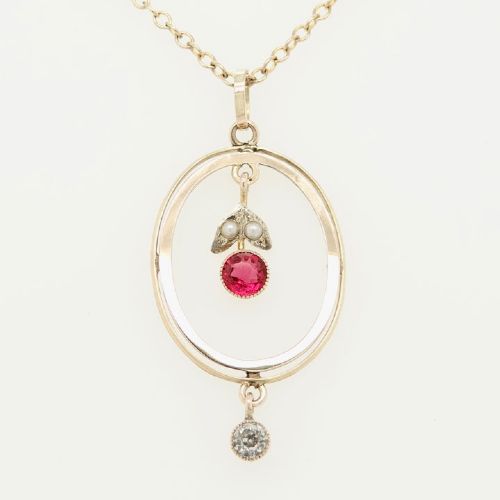
Certain pieces incorporate small decorative stones such as paste and pearl to highlight specific details. Mechanical elements like sliding components and opening lids required precise goldsmithing.
Retail Price Guide 2026
Typical UK retail prices for edwardian gold charm, calculated from the Sellingantiques database of over a million retail prices indexed since 2003. This retail price guide relies exclusively on Sellingantiques data; no external sources or auction records are used, so the figures do not describe the wider market.
Mr Punch slides back and forth to amuse anyone lucky enough to peer closely at your wrist.
Distinguishing quality
Quality in these miniature pieces rests on the crispness of the casting and the ingenuity of any moving parts. A sliding mechanism that operates smoothly or a locket that closes tightly separates finer work from simpler designs.
The depth of engraving and the cleverness of the miniature subject also dictate desirability. Pieces featuring detailed characterisation, such as Mr Punch or an opening purse, demonstrate superior craftsmanship.
The Edwardian Gold Charm Glossary
- Novelty charm
- A miniature trinket designed to represent a recognizable object, animal, or character with playful detail. These often include mechanical elements like opening compartments or sliding parts.
- Padlock pendant
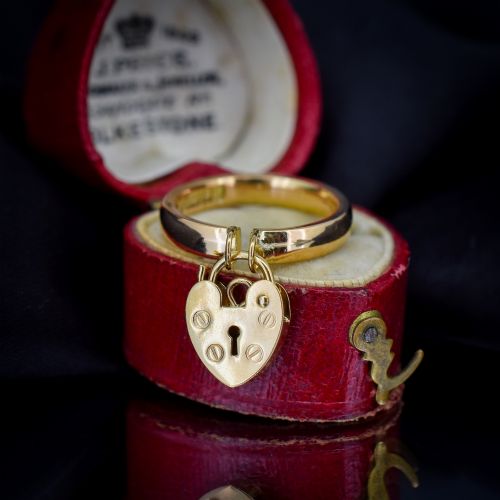
- A small fastening device fashioned as jewellery, frequently used as a symbol of security or affection. Some versions feature an opening mechanism.
- Paste
- Hand-cut glass used to imitate gemstones in period jewellery. It provides sparkle and colour without using precious stones.
- Rose gold
- A gold and copper alloy with a warm pinkish hue. It was widely utilised in the Edwardian and Victorian eras.
Frequently Asked Questions
How were these charms worn?
These pieces were primarily attached to charm bracelets or suspended from fine gold chains around the neck. Their small scale allowed wearers to collect multiple items telling a personal story.
Many examples functioned as both pendants and charms, offering versatility in how they could be displayed on jewellery.
What materials are common?
The pieces utilise various golds, most notably 9ct rose gold, 9ct yellow gold, and 18K yellow gold. Rose gold was particularly popular during the period.
Some examples incorporate decorative additions such as seed pearls and paste stones to accent the metallic forms.
How do I spot a novelty charm?
A novelty charm depicts a recognizable subject with an interactive or humorous element. Look for moving components like sliding figures or opening purses.
These designs often capture popular cultural figures or recreational items from the era, such as tennis rackets or bears.