
Victorian Heart Padlock
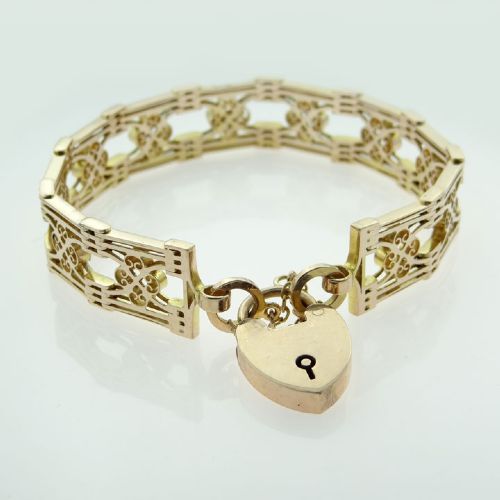
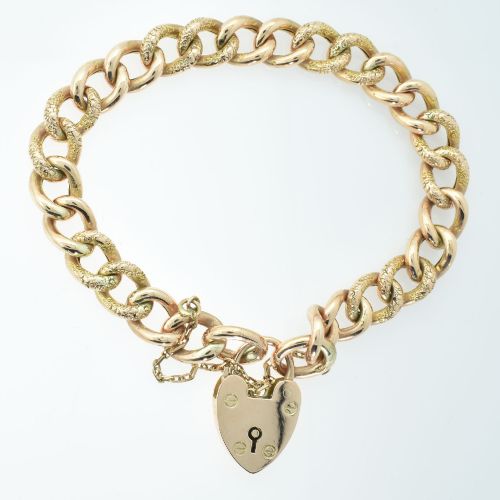
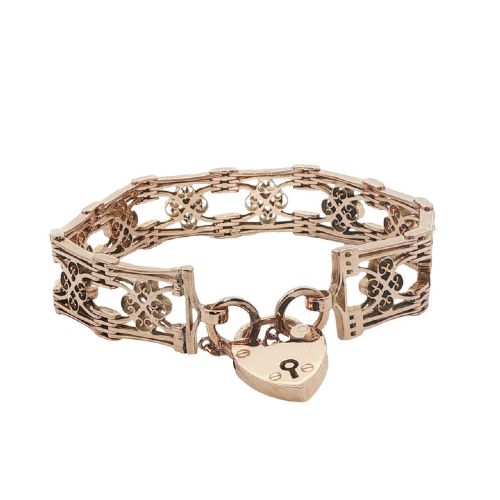
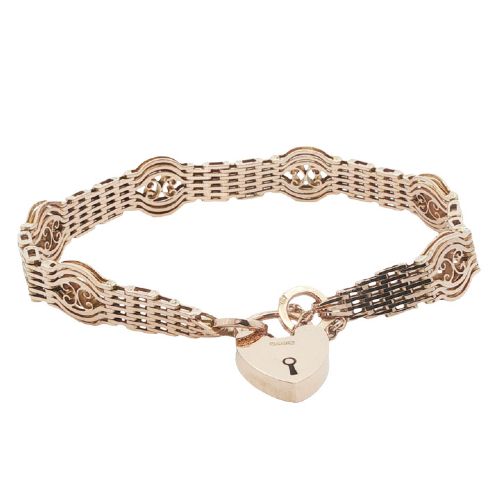
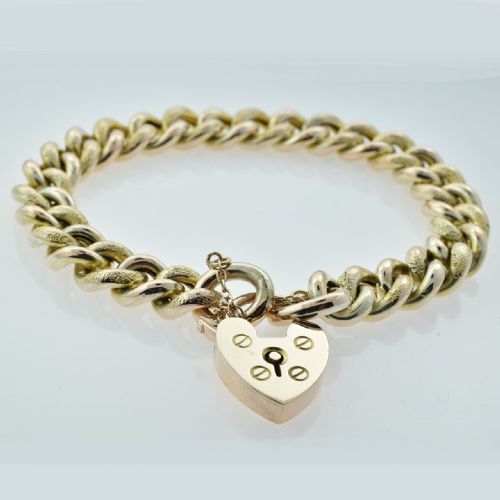
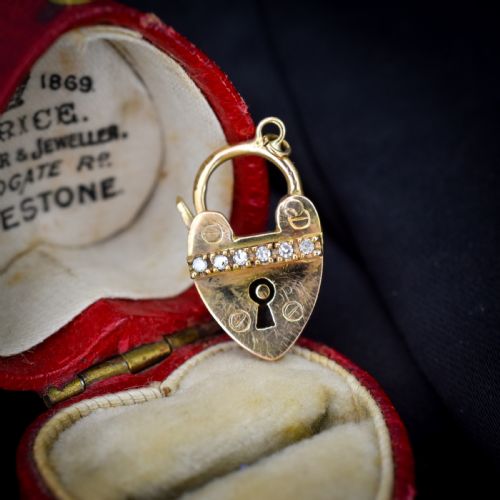
These charming victorian heart padlock pieces are symbolic clasps and pendants designed to secure bracelets or adorn chains, prized for their sentimental history.
Victorian Heart Padlock
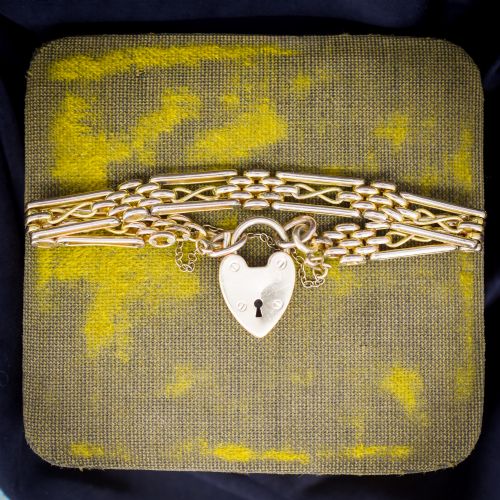
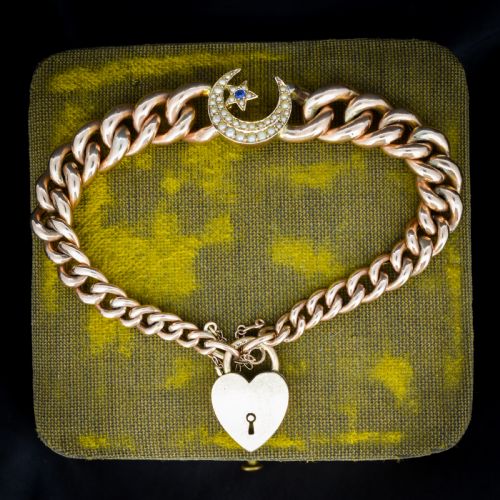
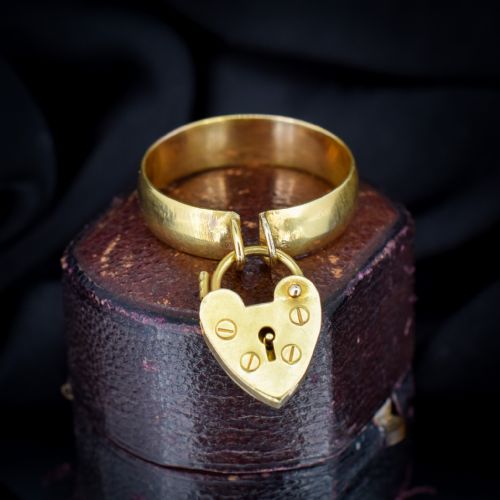
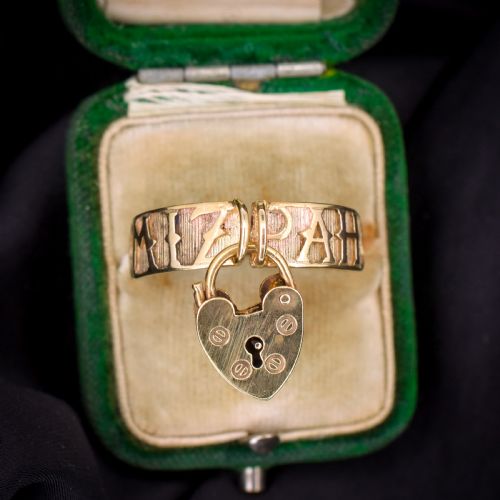
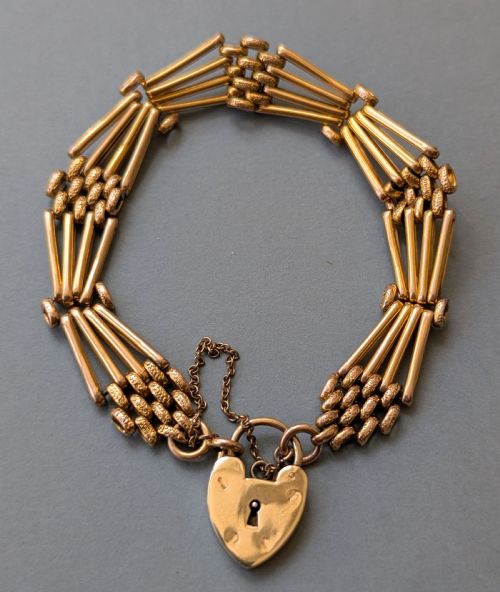
The objects span varied configurations, functioning either as secure mechanisms for charm bracelets or worn independently as pendants and drop rings. Many examples incorporate hinged shackle tops and spring-loaded internal mechanisms that open and close to fasten jewellery securely.
How They Were Made
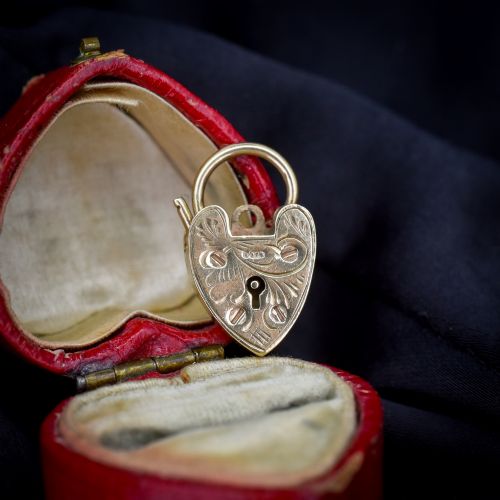
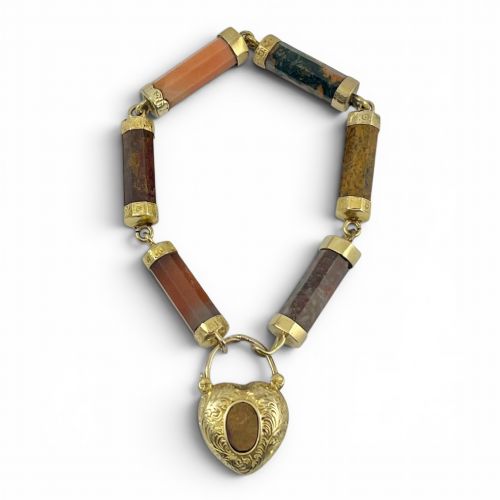
Artisans constructed these pieces predominantly from various carats of gold, including yellow, rose, and rolled gold, alongside silver components. They frequently employed hand-engraving techniques to cover the front surfaces with scrolling foliate motifs and geometric patterns.
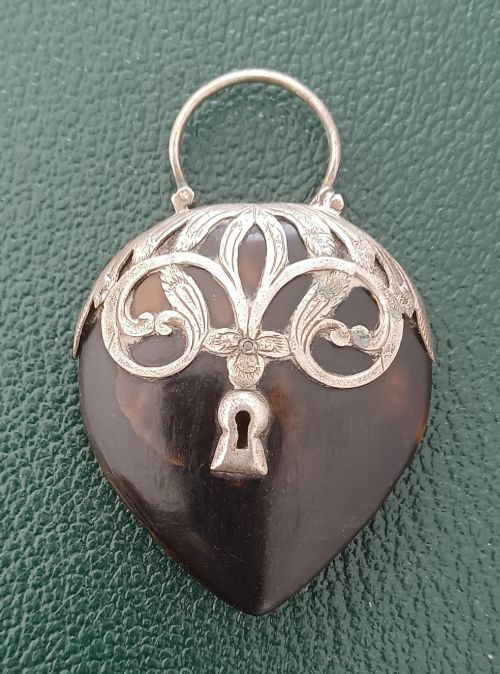
Many designs integrate delicate gemstones and organic materials such as seed pearls, rubies, garnets, diamonds, tortoiseshell, and Scottish agate. Metalwork methods included hollow stampings, solid castings, and intricate wirework knots joining curb and gate links.
The listings show materials ranging from nine-carat rose gold and silver to seed pearls, chrysoberyl, and tortoiseshell.
What Varies in Quality
The standard of execution depends heavily on the crispness of the hand-engraving and the density of the precious metal used. Heavier specimens demonstrate substantial weight and robust construction, whereas lighter versions utilise thinner gauge sheets.
Quality also distinguishes itself through the complexity of the mounted gems and the reliability of the internal spring mechanism. Well-preserved examples retain firm snap closures and securely flush-set stones without replacement elements.
The Victorian Heart Padlock Glossary
- Padlock
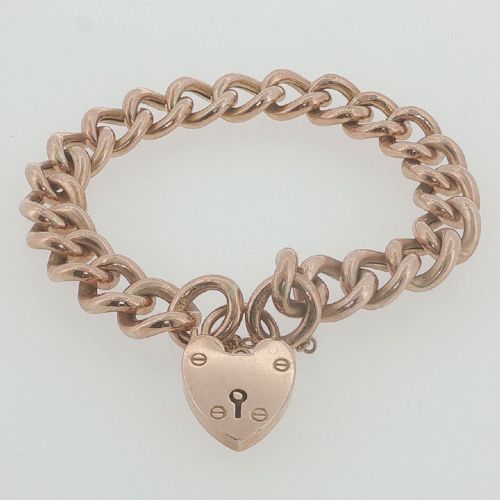
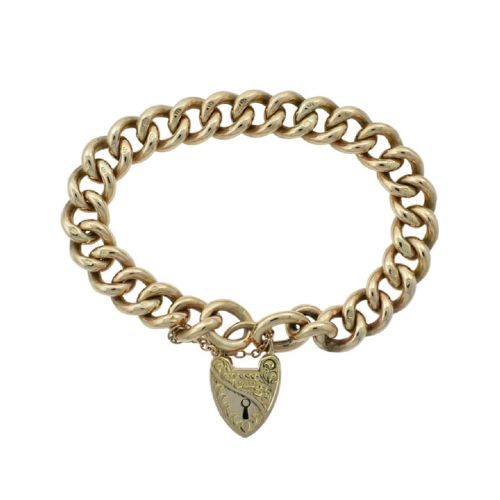
- A small, usually heart-shaped clasp with a hinged shackle, used primarily on antique charm bracelets. It secures the ends of the chain together.
- Curb link
- A type of chain made of interlocked, slightly flattened links that lie uniform and flat. This robust form provides the standard foundation for many padlock bracelets.
- Gate link
- An openwork chain pattern formed of parallel metal bars connected by small central links. It resembles a miniature garden gate and dates strongly to the Victorian and Edwardian periods.
- Rolled gold
- A manufacturing technique where a thin layer of gold is mechanically bonded to a base metal core. This method produced durable items during the Victorian era without requiring solid high-carat gold.
- Seed pearl
- A tiny, naturally occurring salt-water pearl often used in delicate clusters. Victorian jewellers frequently set them in floral or crescent arrangements upon gold mounts.
- Niello
- A black metallic alloy used as a contrast inlay on engraved metal surfaces. It creates dark, striking outlines against silver or gold backgrounds.
Victorian Heart Padlock: Frequently Asked Questions
What is a victorian heart padlock used for?
These items served primarily as secure locking clasps for substantial charm and curb link bracelets. They also functioned as decorative pendants suspended from chains or incorporated directly into sentimental rings.
Over time, many transformed from functional fastenings into cherished standalone tokens exchanged to signify affection and commitment during the nineteenth and early twentieth centuries.
How do you open a victorian heart padlock?
Most antique examples operate via a spring-loaded shackle or a small push-button mechanism hidden along the side of the body. Pressing or pivoting the hinged loop releases the tension so the clasp opens.
Because internal springs vary in strength due to age, caution is necessary when operating the mechanism to avoid straining the hinge.
What metals are used in victorian heart padlock pieces?
The listings show a prevalence of nine-carat yellow and rose gold, alongside standard silver and rolled gold variants. Higher carat options and occasional eighteen-carat compositions also appear among specific pieces.
Surface treatments such as niello work or engraved detailing further enhance these primary metallic foundations across different eras.
Are victorian heart padlock charms marked with dates?
Certain items bear full hallmarks indicating specific assay offices and production years, such as nineteen hundred or nineteen hundred and eight. Other pieces rely stylistically on period characteristics rather than stamped date ciphers.
Matching the design traits with associated gate links and curb chains helps establish the likely manufacturing decade.