






Antique Glazed Urn
An antique glazed urn brings substance and colour to a room through centuries of ceramic tradition, from Delftware to Satsuma porcelain.
Antique Glazed Urn
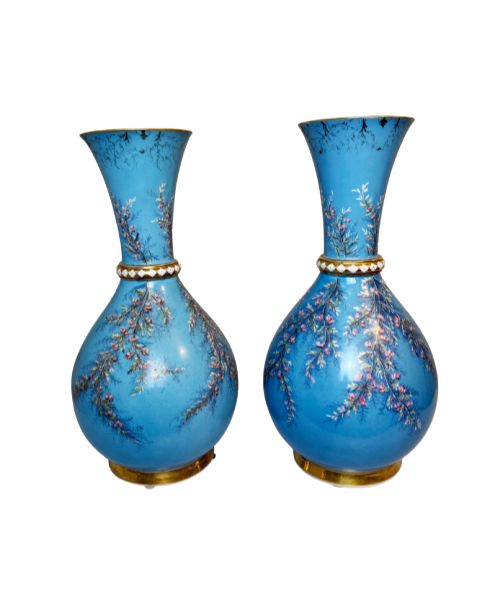
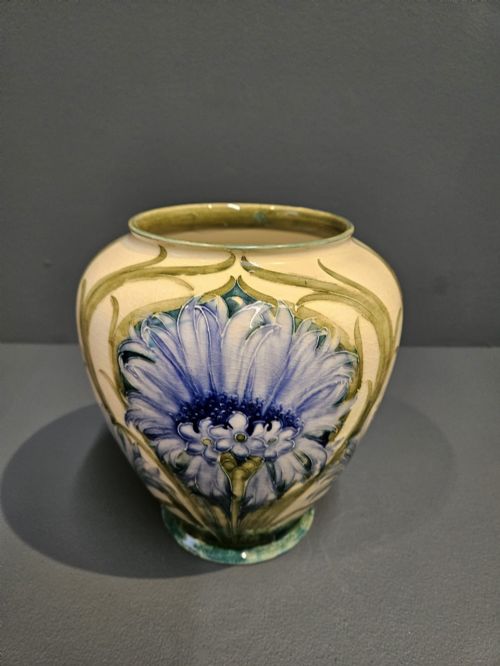
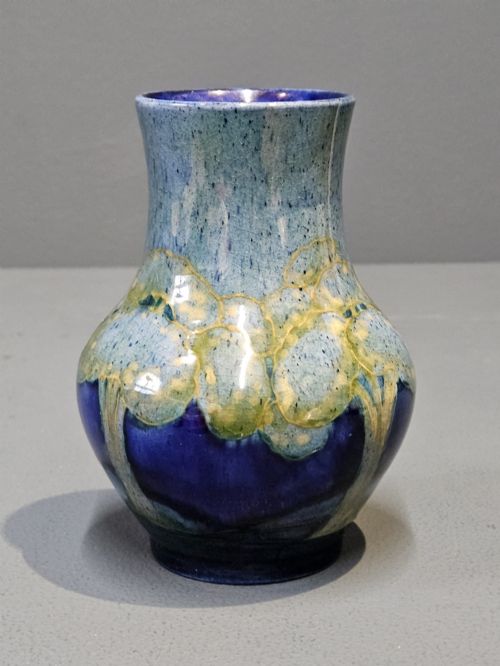
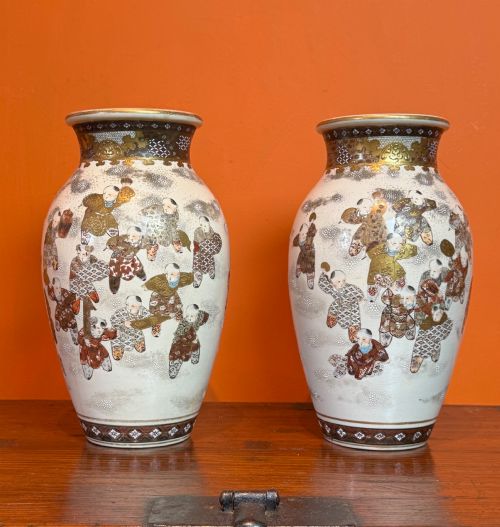
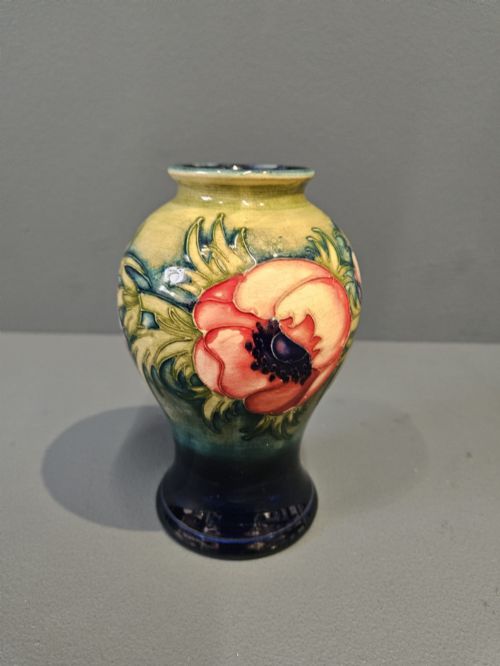
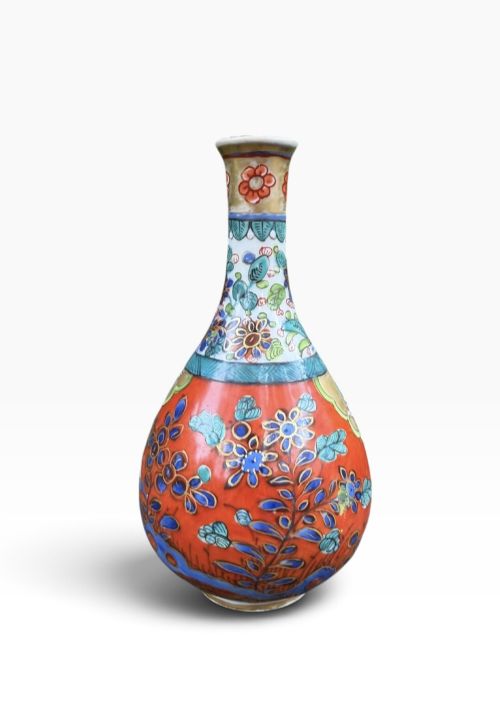
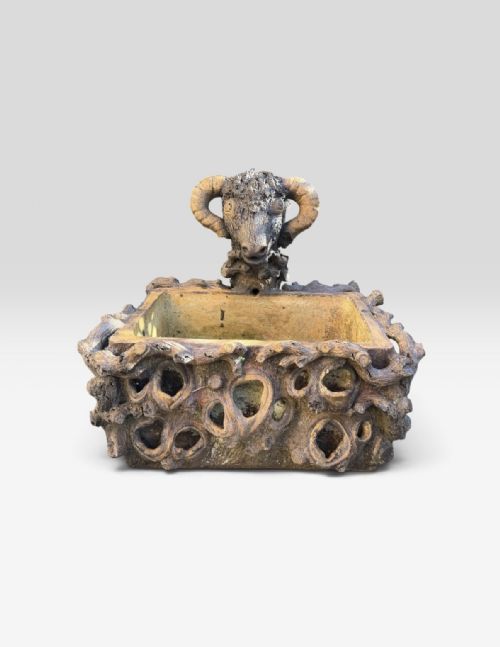
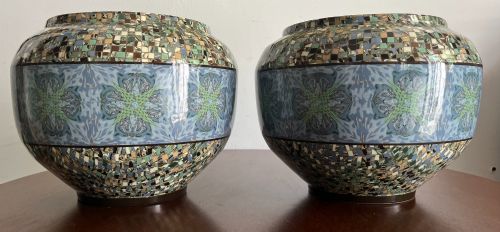
An antique glazed urn is a vessel shaped for display or utility, encompassing forms such as baluster vases, ewers, and garden troughs. The pieces found here span the eighteenth, nineteenth, and early twentieth centuries, reflecting diverse international traditions including Dutch, French, Chinese, and Japanese aesthetics.
Buyers will encounter earthenware, porcelain, and stoneware treated with tin, salt, or coloured glazes. Many examples originate from revival movements, incorporating Renaissance or Ming styles into domestic decorative schemes.
Materials and methods
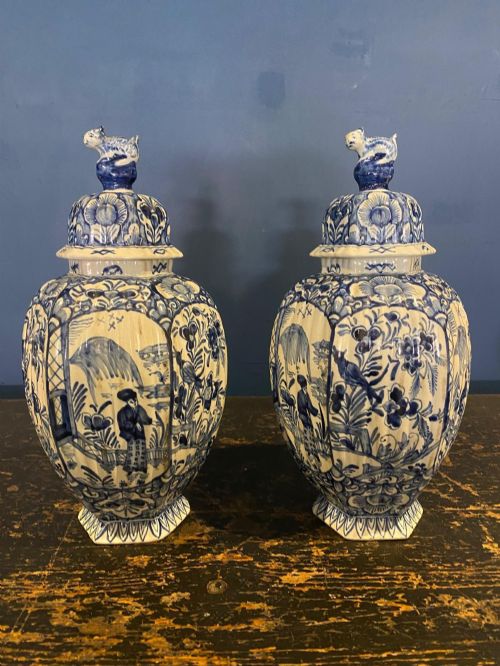
Potters shaped clay on the wheel or in moulds, applying mineral glazes before firing the ceramic at high temperatures. Tin-glazes provided an opaque white surface for hand-painted cobalt blue pigments, while salt glazing produced a pitted texture directly on stoneware bodies.
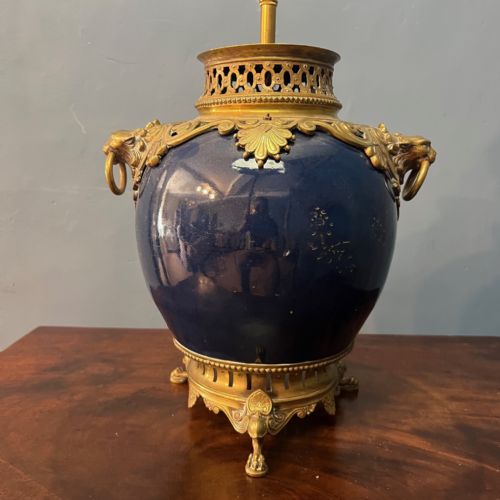
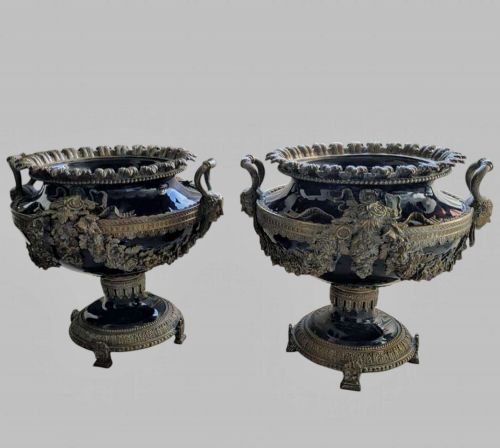
Finishing touches often included gilt bronze mounts, silver cabochons, or enamel detailing overglaze. Kiln techniques determined the final sheen, ranging from crackle ware finishes to rich monochrome surfaces.
Antique Glazed Urn Retail Price Guide 2026
Typical asking prices for glazed urn among the pieces listed under this phrase on Sellingantiques today, from the lower quarter to the upper quarter. They describe what is for sale here now, not the wider market.
Listings feature pieces spanning the seventeenth century through to the Edwardian era, incorporating earthenware, porcelain, and stoneware.
Distinguishing quality
Quality rests in the precision of the form and the skill of the brushwork across the glazed surface. Hand-painted motifs executed with fine control separate standard production items from superior studio output.
The integrity of the body and the preservation of the glaze without extensive restoration dictate the standing of a piece. Original mounts and unified pairs command greater attention from collectors.
Royal Doulton·Burmantofts·Cantagalli·Fourmaintraux Courquin·Royal Worcester·Boch Freres
The Antique Glazed Urn Glossary
- Baluster
- A vase form with a rounded body that tapers toward the neck. This silhouette is common in both Chinese porcelain and Dutch Delftware vessels.
- Earthenware
- Porous pottery fired at lower temperatures. It requires a glaze to become impermeable to liquids.
- Faience
- European tin-glazed earthenware decorated with metal oxide colours. It gained popularity through French and Italian workshops.
- Majolica
- Tin-glazed Italian pottery noted for bright polychrome decoration. 19th-century makers often revived these Renaissance styles.
- Satsuma
- Japanese earthenware pottery featuring a crackle-glaze and elaborate enamel or gilt decoration. Production expanded significantly during the Meiji period.
Antique Glazed Urn: Frequently Asked Questions
How do I date an antique glazed urn?
Dating relies on stylistic clues, ceramic bodies, and maker marks stamped or painted underneath the base. Comparing the glaze type and decorative motifs to known production periods helps narrow down the decade.
Changes in manufacturing technology, such as the shift from soft-paste to hard-paste porcelain or the introduction of specific chemical glazes, provide further chronological markers.
Can I use these urns for fresh flowers?
Many antique ceramic vessels are porous or contain historic hairline fractures that make holding water risky for the piece. Using a concealed inner glass liner protects the historic body from moisture damage.
For robust stoneware or fully vitrified porcelain, brief use with water is safer, but regular checking for seepage remains sensible practice.
What is the difference between faience and majolica?
Both terms describe tin-glazed earthenware, but faience generally refers to French, Dutch, and English wares, while majolica specifically denotes Italian styles. The regional painting techniques and mineral palettes differ accordingly.
Nineteenth-century revival pieces often blended these traditions, adopting Italian forms within French or British pottery workshops.