
Antique Glazed Side Cabinet
An antique glazed side cabinet brings refined storage and display to a room, uniting timber and glass with period craftsmanship.
What an antique glazed side cabinet is
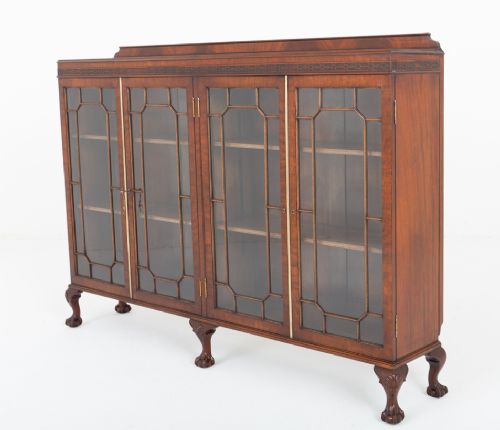
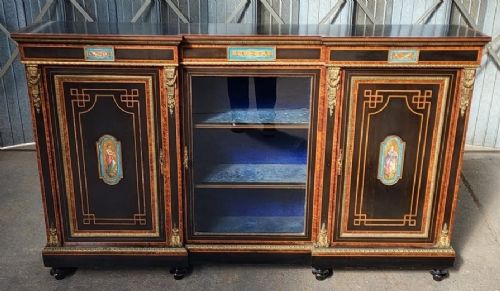
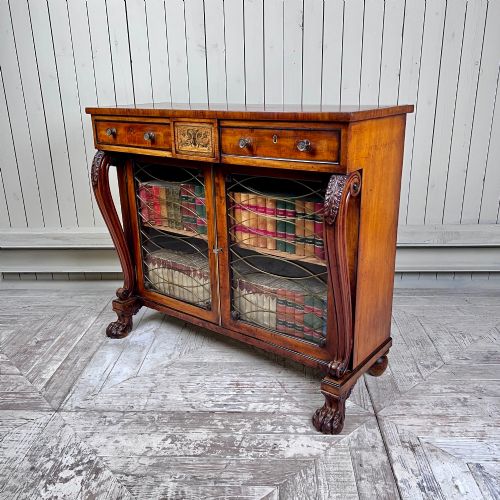
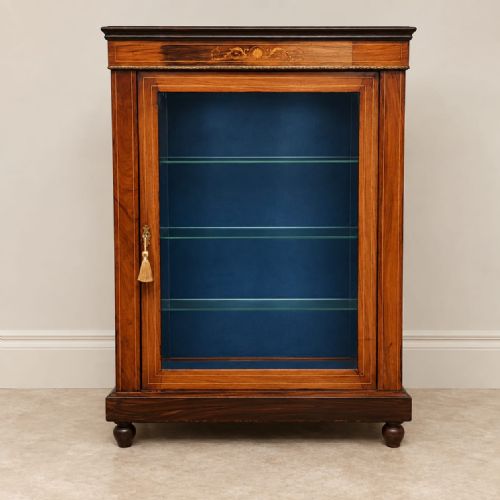
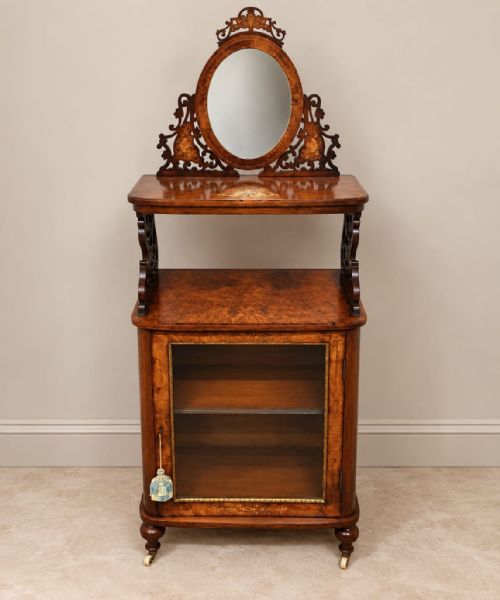
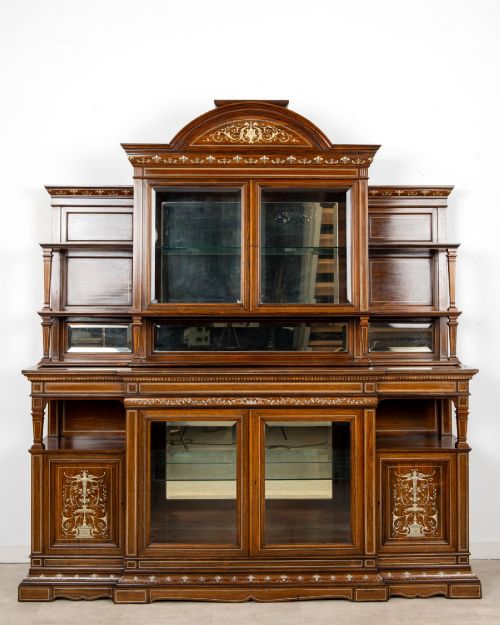
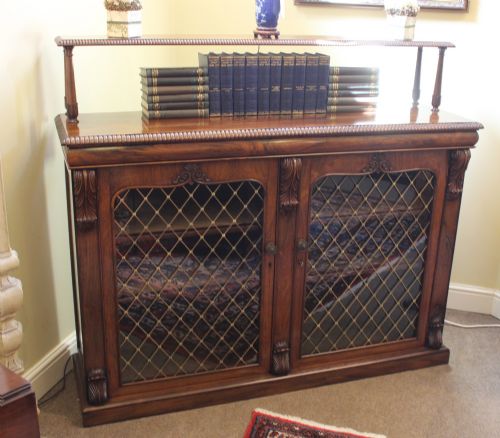
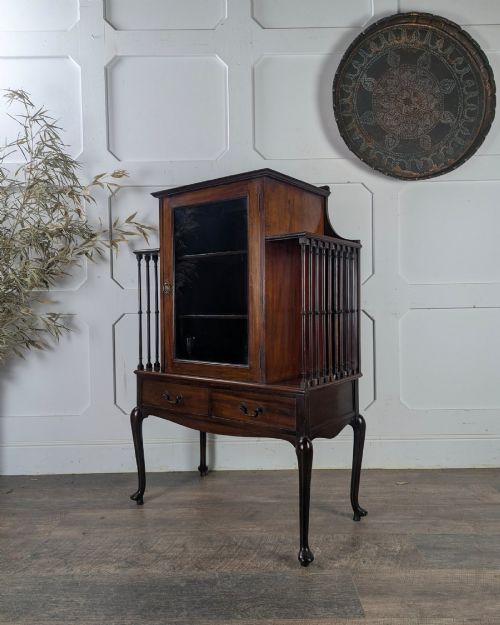
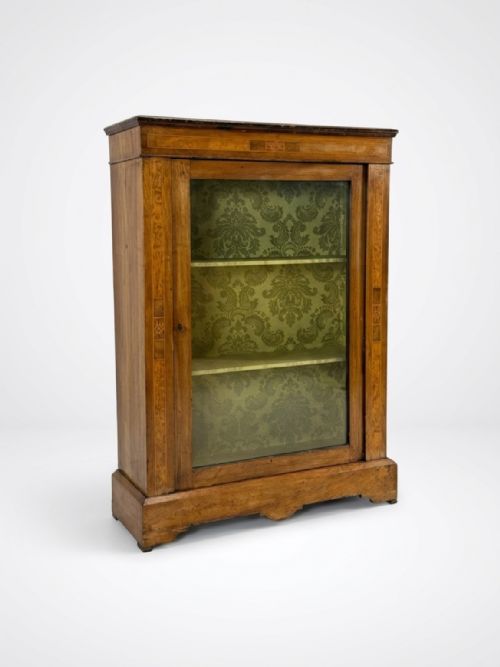
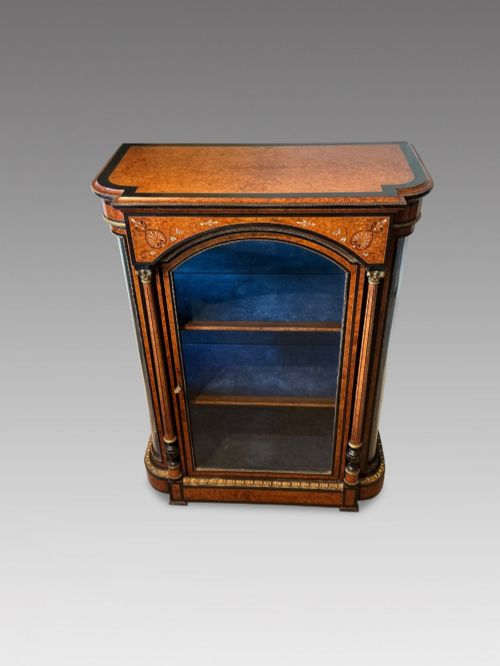
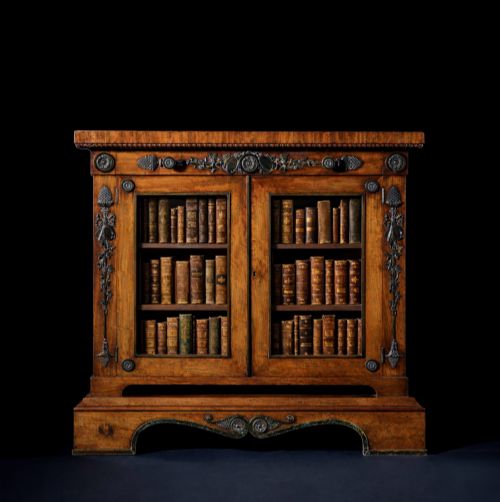
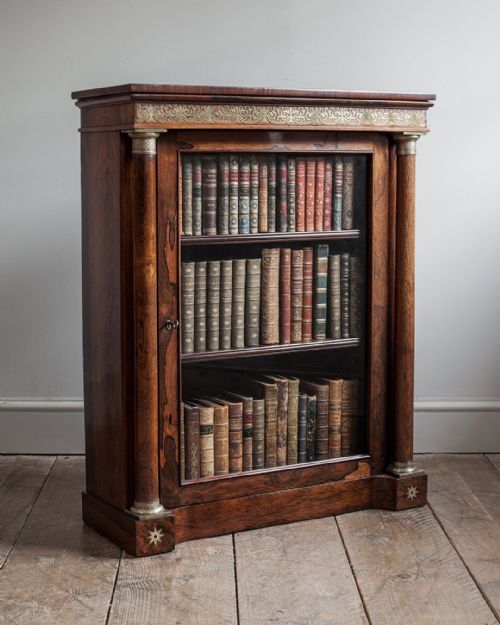
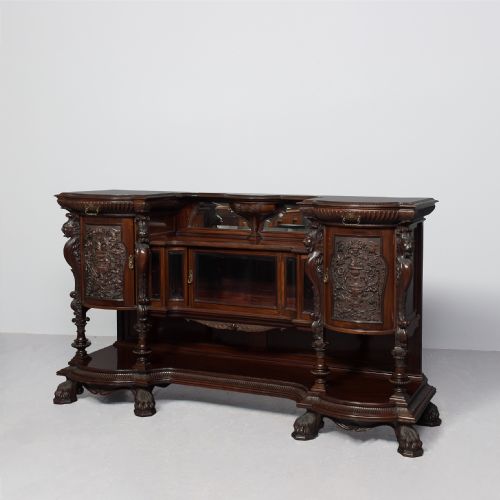
An antique glazed side cabinet is a functional piece of furniture designed for storage and display, appearing across Victorian, Edwardian, and Georgian periods. These pieces serve as sideboards, credenzas, music cabinets, and pier cabinets in domestic interiors.
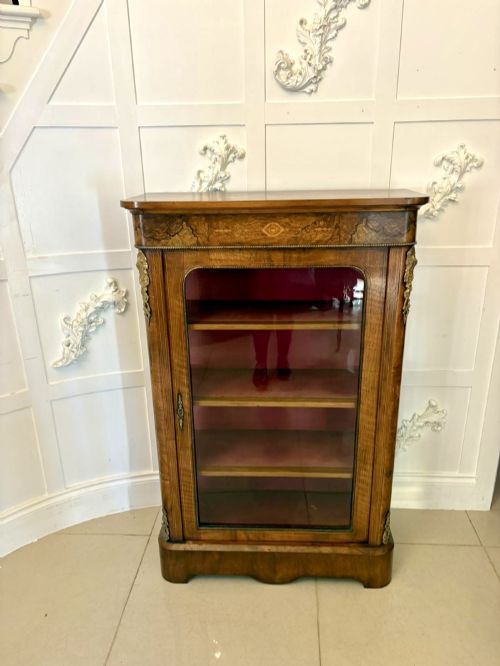
The versions most commonly met on this page include walnut credenzas, mahogany display cabinets, and ebonised timber designs with glass doors. They utilise glass panels to showcase contents while protecting them from dust.
How they were made
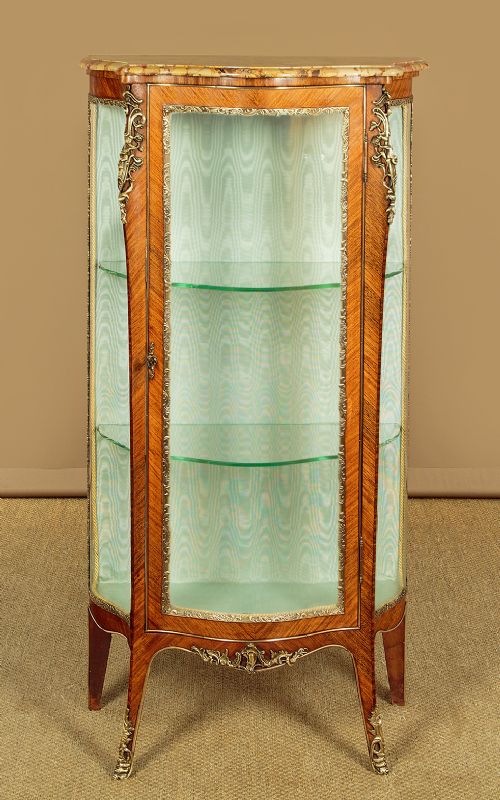
Maker construction relies on cabinet timbers such as mahogany, walnut, burr walnut, ebonised wood, and thuya wood, often enhanced with boxwood inlay. Metal elements like ormolu mounts and brass details provide structural and decorative accents.
Glazing forms a central part of the construction, pairing transparent glass with timber frames, occasionally accompanied by mirror-back panels. Carved woodwork and inlaid veneers show the manual techniques applied during the nineteenth and early twentieth centuries.
Retail Price Guide 2026
Typical UK retail prices for glazed side cabinet, calculated from the Sellingantiques database of over a million retail prices indexed since 2003. This retail price guide relies exclusively on Sellingantiques data; no external sources or auction records are used, so the figures do not describe the wider market.
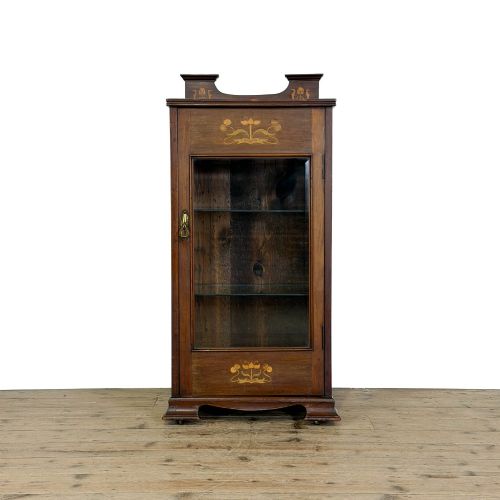
Some cabinets hid sheet music behind their glass doors before anyone thought of putting a television in the corner.
What varies in quality
Quality separates through the selection of cabinet timbers and veneers, where burr walnut or figured mahogany demonstrate greater visual depth than plain woods. The complexity of boxwood inlay and the precision of carved details distinguish finer examples.
Mounts in ormolu and brass show varying degrees of cast definition and weight, influencing the overall finish. The integration of glass panels and mirror-backs within the timber frame reflects the standard of workshop assembly.
The Antique Glazed Side Cabinet Glossary
- Ormolu
- Gilded bronze mounts applied to furniture for decoration. This technique adds metallic contrast to dark cabinet timbers.
- Credenza
- A sideboard or display cabinet often featuring glazed doors. These forms originate from continental furniture traditions and gained popularity in British interiors.
- Pier cabinet
- A tall, narrow cabinet designed to stand against the wall space between windows. They typically incorporate glass doors and mirrored elements.
- Ebonised wood
- Timber treated to resemble ebony through staining or painting. This finish creates a dark, uniform surface frequently paired with inlaid details.
Frequently Asked Questions
Where should I place a side cabinet?
These cabinets suit dining rooms, living spaces, or hallways where both surface space and enclosed storage are useful. Their glazed doors allow books, ceramics, or collections to remain visible while protected.
Position them against interior walls away from direct sunlight to protect timber veneers and polished finishes from fading over time.
How do I clean the wood and glass?
Dust the timber regularly with a soft, dry cloth to prevent particle buildup on carved surfaces and inlay. Avoid modern chemical polishes that can damage antique French polish or wax finishes.
Use a mild glass cleaner applied to a cloth rather than directly onto the glass, ensuring liquid does not seep into the timber frames or ormolu mounts.
How do I date an antique cabinet?
Dating relies on identifying the prevailing timber choices, hardware types, and construction methods associated with periods like the Victorian era or Georgian times. Stylistic markers such as boxwood inlay or ormolu mounts often align with specific decades.
Examine the secondary woods inside drawers and the back panels, as these unexposed areas reveal period-typical manufacturing techniques.
Can these cabinets hold heavy items?
Internal shelving is typically constructed from timber designed to support moderate loads such as books, glassware, or display objects. Distributing weight evenly across the shelves prevents warping in older wood.
Avoid overloading glass shelves or hanging heavy items from the internal linings, as historical fixings require careful handling.