




Antique Glass Wall Art
Antique glass wall art brings together decorative mirrors, reverse-painted prints, and glazed wall pieces from the eighteenth century to the mid-twentieth century.
Antique Glass Wall Art
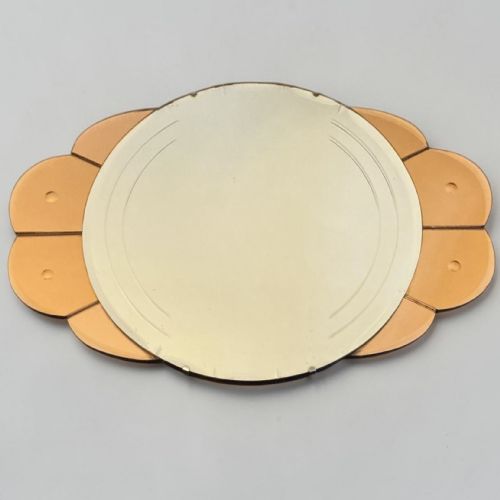
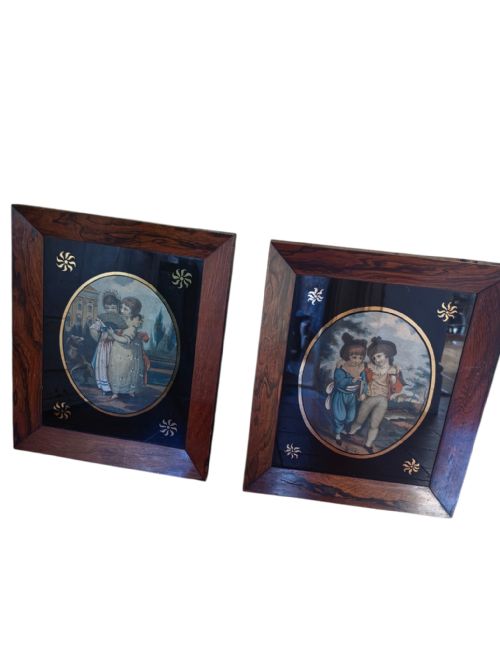
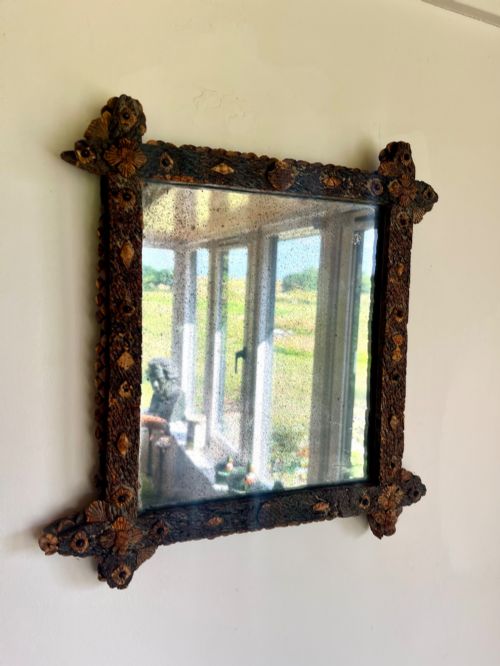
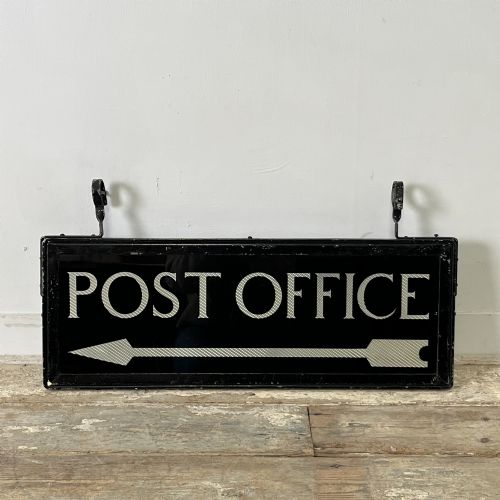
This search phrase covers a diverse selection of wall-mounted items incorporating glass, most notably reverse-painted mezzotints, decorative mirrors, and framed signs. You will encounter Georgian and eighteenth-century reverse glass prints alongside Victorian convex mirrors and Art Deco wall mirrors.
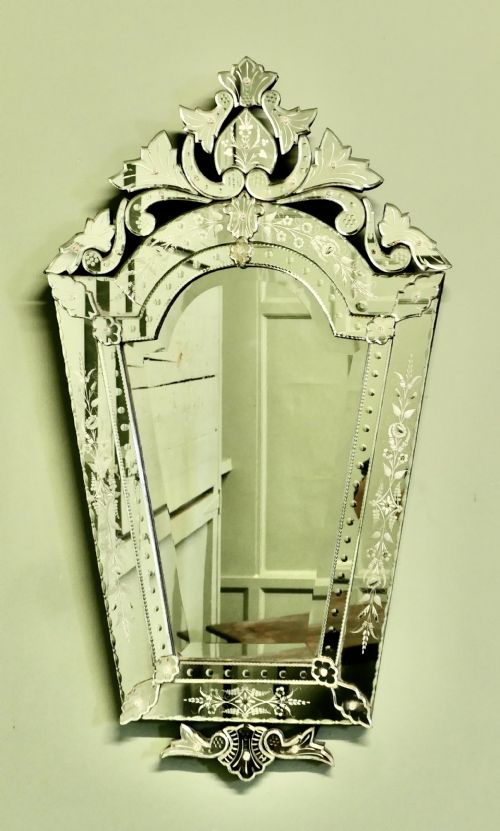
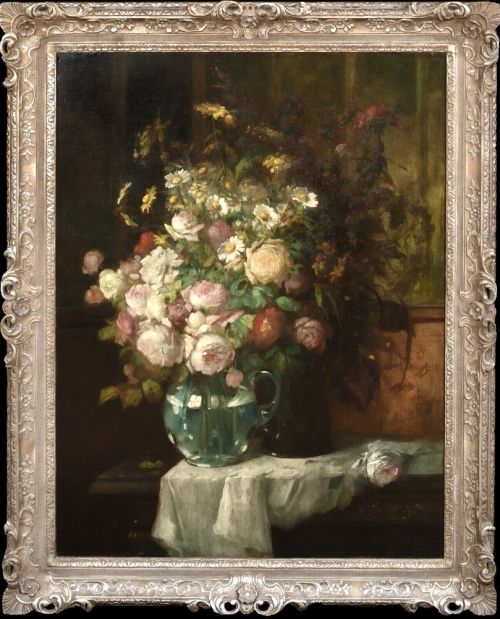
The material takes many forms, functioning as the primary display surface for delicate paintings or serving as protective glazing over delicate paper prints, silk embroideries, and oil paintings. Pieces range from small portraits to large Venetian mirrors and advertising signs.
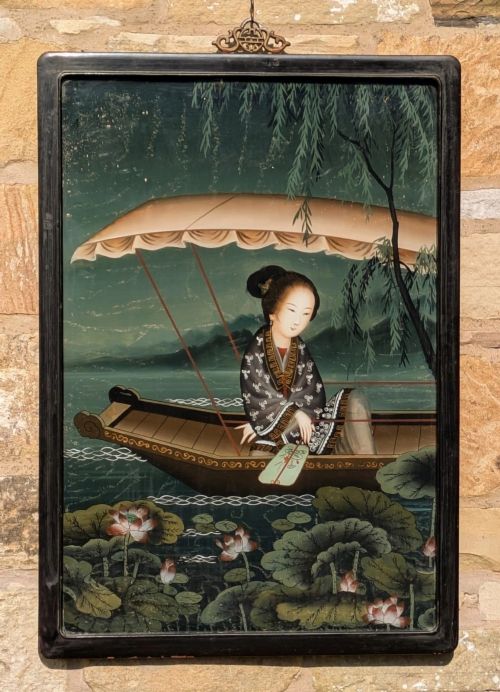
Examples stretch across multiple design movements, including Arts and Crafts copper-framed mirrors, Chinese export reverse paintings, and twentieth-century illuminated wall lights.
Materials and construction methods
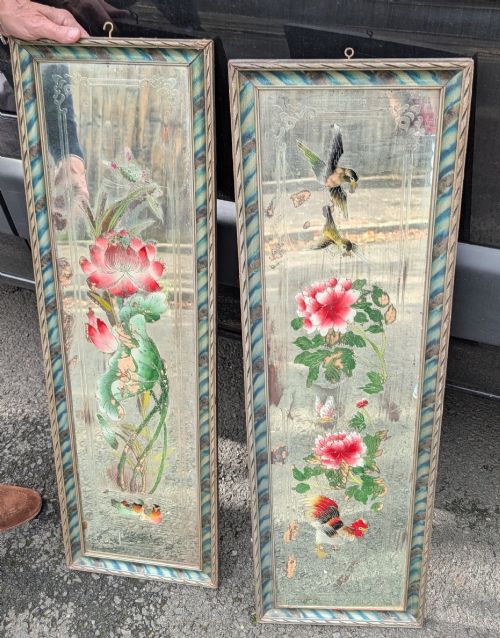
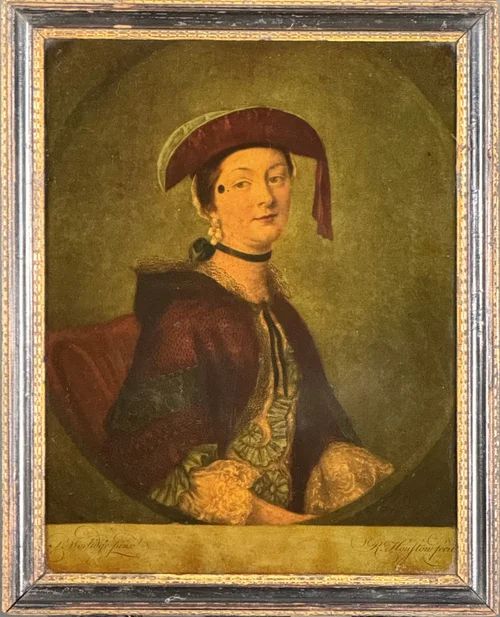
Makers utilised glass combined with traditional framing materials such as oak, rosewood, brass, copper, and ebonised wood. Reverse painting and mezzotint printing required applying pigments directly to the reverse side of the glass plate to create a finished image viewed from the front.
Mirrors often incorporated specialist glass types, including peach-tinted panels, green glass, and convex curved plates designed to catch the light. Frames frequently relied on joinery techniques typical of the period, from Arts and Crafts metalwork to intricate gesso mouldings.
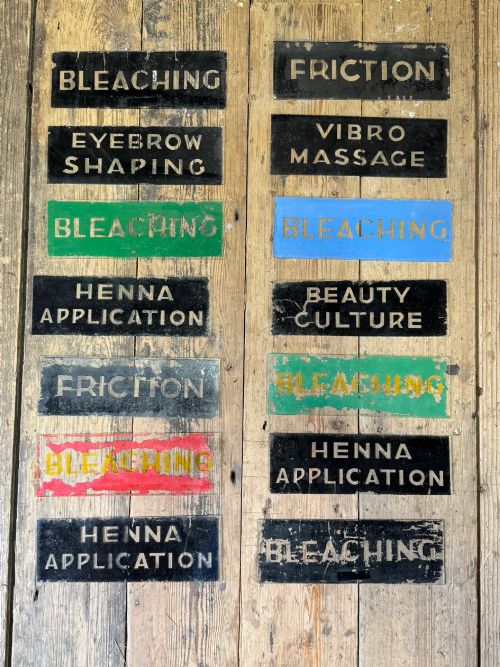
Among the glass wall pieces are fourteen reverse-painted signs from an old beauty establishment and a pair of sorcerer's mirrors.
Judging quality in glass wall pieces
Quality rests on the clarity and preservation of the glass surface, particularly in reverse-painted works and mezzotints where pigment flaking or silvering loss can detract from the imagery. The integrity of the original frame, whether carved wood or beaten copper, heavily influences the overall character.
Distinction also lies in the precision of execution, from the fine detail in eighteenth-century mezzotint printing to the clean geometric lines of Art Deco mirror bevelling.
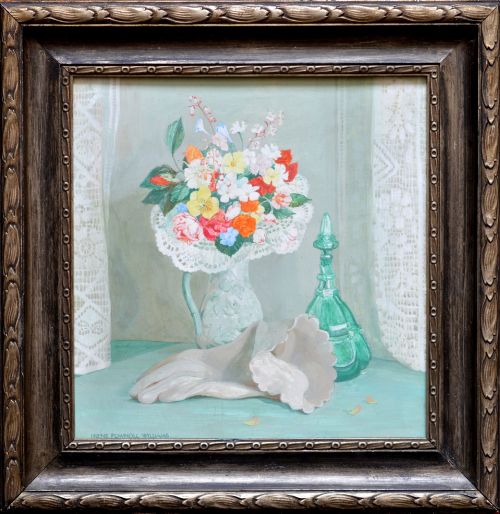
Irene Christobelle Pownoll Williams·Fletcher·Sebastiaan Vrancx·Charles Spooner·Konstantin Stoitzner·Richard Purcell·Frye·Robert Sayer·Wheatley
The Antique Glass Wall Art Glossary
- Mezzotint
- A printmaking process achieved by roughening the copper plate to produce tonal gradations, often transferred and painted behind glass.
- Convex mirror
- A round curved mirror, also known as a sorcerer's or witch's mirror, designed to reflect a wide field of view.
- Reverse painting
- An artistic technique where the image is painted on the back of a glass panel so it is viewed correctly from the front.
- Micromosaic
- Tiny coloured glass tesserae assembled to create detailed pictorial plaques, frequently mounted in frames under glass.
- Diorama
- A three-dimensional scene enclosed in a case, often featuring sailing vessels and maritime models displayed behind glass.
Antique Glass Wall Art: Frequently Asked Questions
What is a reverse glass print?
A reverse glass print is an artwork where an engraving or painting is applied directly to the rear surface of a glass pane. This technique protects the pigments from dust and environmental wear while giving the image a distinctive glossy finish.
Historically, many popular portraits and decorative subjects were produced this way during the Georgian and Victorian eras for domestic display.
How should I clean antique glass surfaces?
Clean antique glass gently using a soft, lint-free cloth and a mild, non-ammonia cleaning solution. Avoid spraying liquids directly onto the glass, as moisture can seep behind old frames, damage original backing papers, or harm reverse-painted surfaces.
Apply the cleaner to the cloth first to maintain control over the moisture applied to the piece.
Are convex mirrors the same as witch mirrors?
Convex mirrors and witch mirrors refer to the same curved glass form designed to distort reflections and capture light from across a room. During the Victorian period, these spherical mirrors became popular decorative items associated with optical novelty.
They are typically housed in round wooden, plaster, or metal frames.