


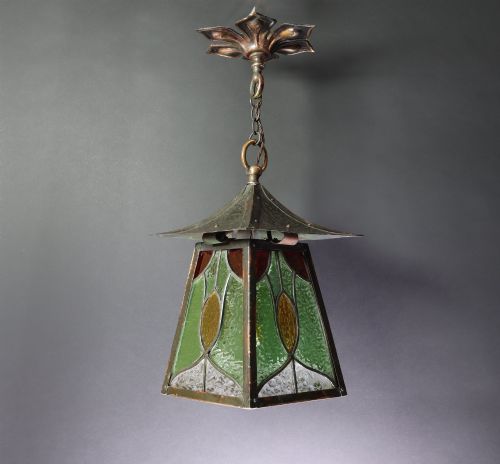
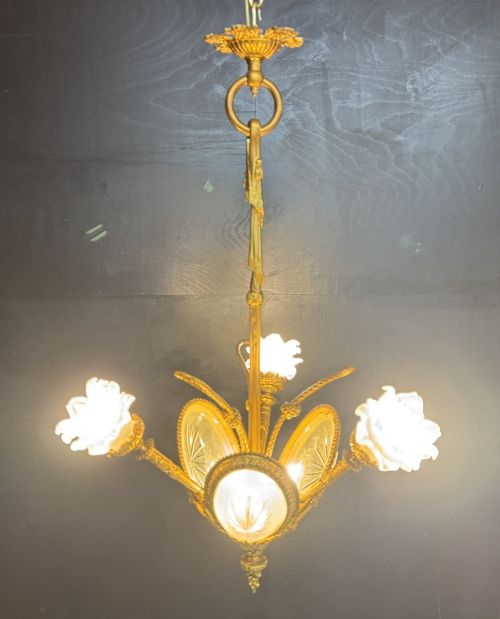
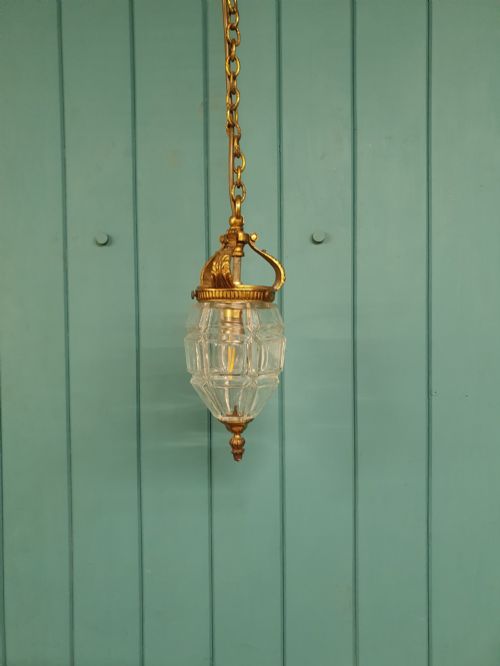
Antique Glass Shade
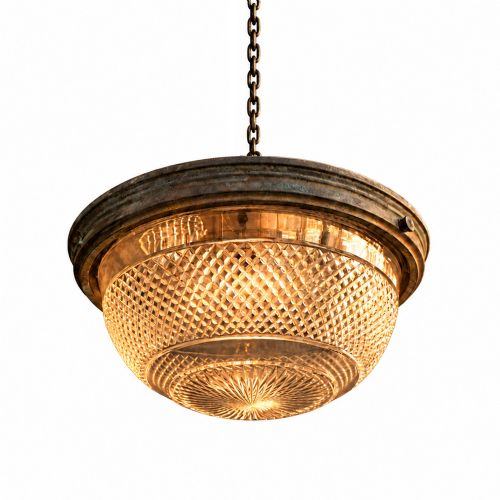
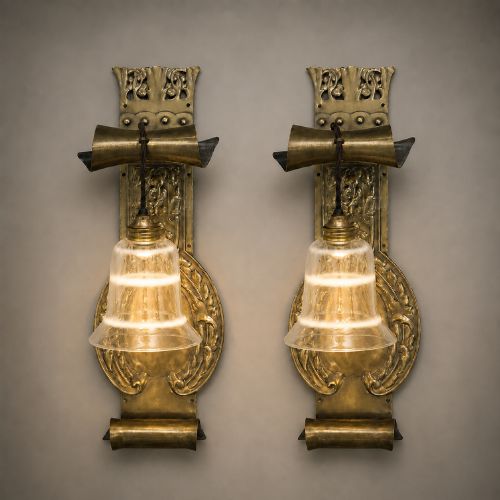
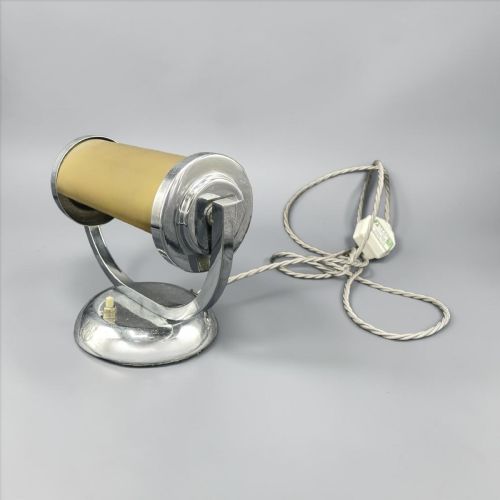
These antique glass shade examples bring distinct period colour and diffused light to a room, spanning Victorian and Edwardian domestic lighting.
Antique Glass Shade
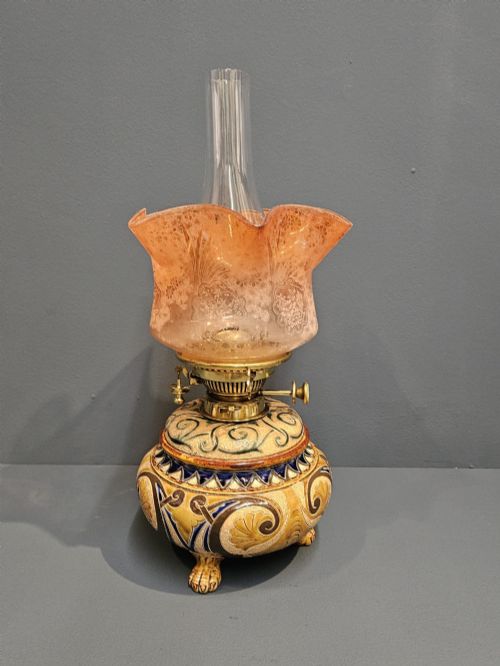
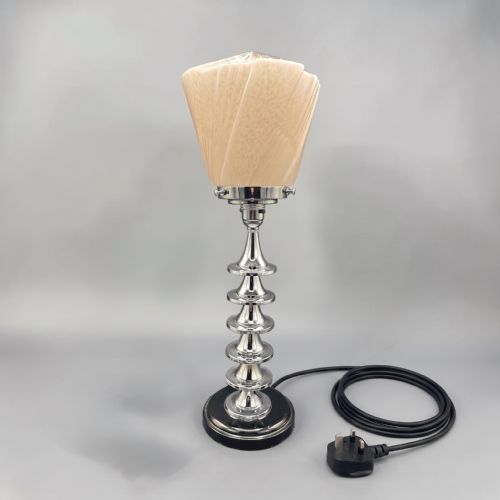
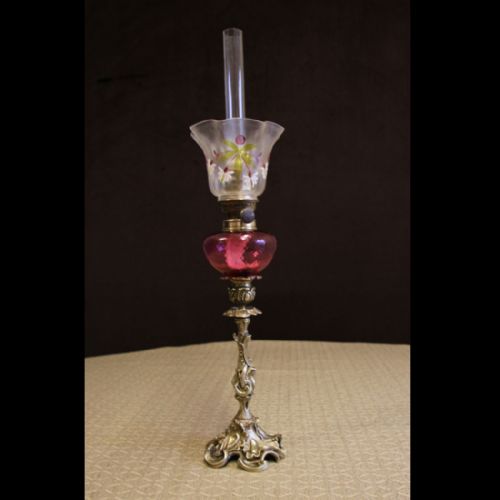
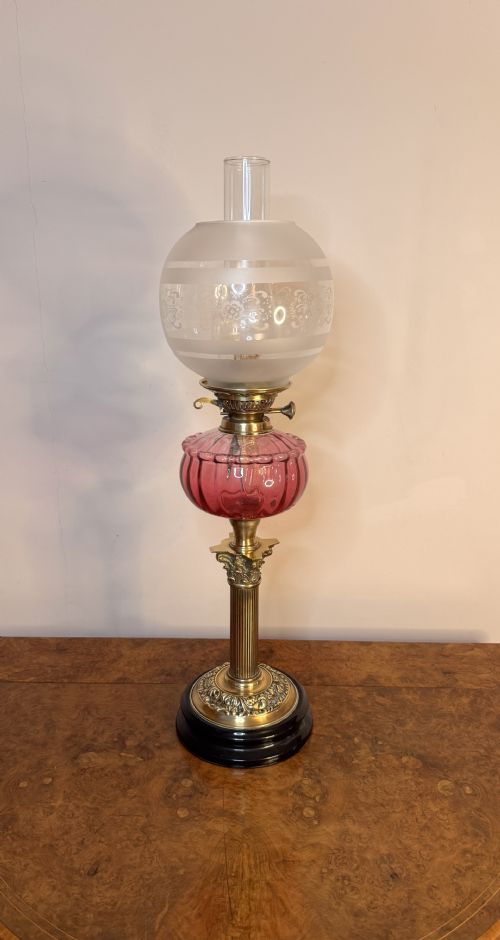
An antique glass shade provides functional illumination while adding character to a ceiling fixture, table lamp or desk light. The selection includes vibrant cranberry glass, yellow glass, green glass, vaseline glass and milk glass.
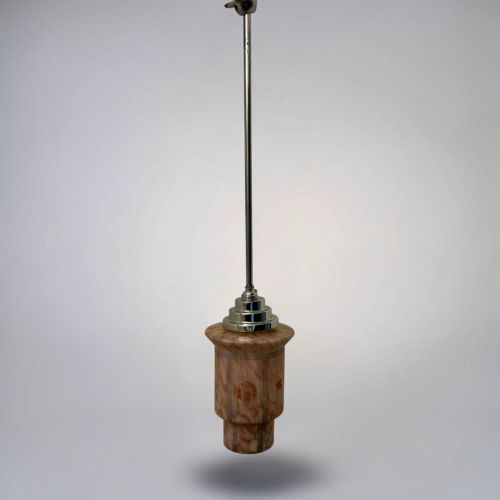
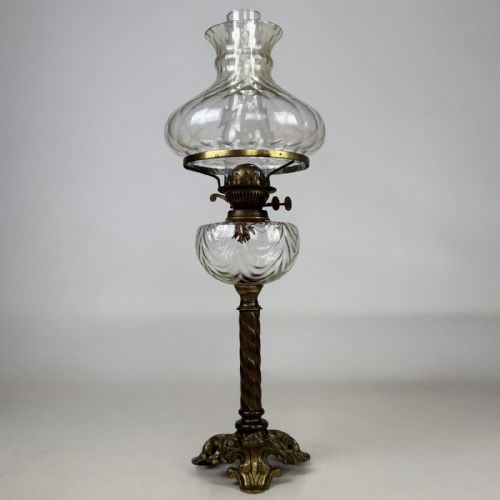
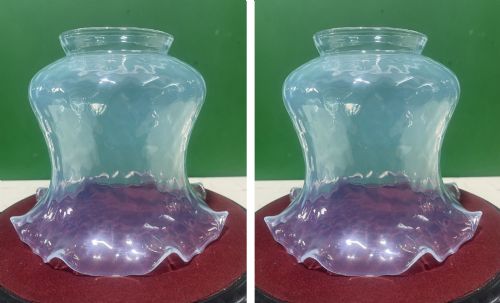
Most pieces date from the Victorian and Edwardian periods, appearing both as standalone globes and fitted to original oil lamps or pendants. Forms range from simple tulip shades and frilled edges to large lamp globes and decorative flame shades.
Buyers seeking an antique glass shade will find examples designed for oil lamps, early electric fittings and ceiling pendants. These pieces demonstrate the diverse domestic lighting styles of the late nineteenth and early twentieth centuries.
How they were made
Glass production during the Victorian and Edwardian eras relied on traditional blowing and moulding techniques to achieve specific colours and shapes. Manufacturers utilised mineral oxides to produce characteristic hues such as cranberry, vaseline, amber and ruby.
Many shades feature etched patterns, crimped rims or cut glass details executed while the material was malleable or through subsequent cold-working. Supporting elements occasionally incorporate ebonised wood, walnut, marquetry, silver plate or gilt bronze.
Antique Glass Shade Retail Price Guide 2026
Typical asking prices for glass shade among the pieces listed under this phrase on Sellingantiques today, from the lower quarter to the upper quarter. They describe what is for sale here now, not the wider market.
Some Victorian oil lamps were designed with bright yellow glass to simulate the cheerful glow of sunshine during long, dark winters.
What varies in quality
Quality in an antique glass shade rests upon the depth and saturation of the coloured glass and the crispness of any applied decoration or moulded detail. Hand-crimped edges and complex etched motifs demonstrate superior craftsmanship compared to mass-produced alternatives.
The integrity of the material and the presence of original fittings, such as matching burners or collars, distinguish finer examples. Retaining the original shade configuration from the period ensures historical consistency.
The Antique Glass Shade Glossary
- Cranberry glass
- A rich red-pink transparent glass produced by adding gold to the molten batch. It is frequently seen in Victorian oil lamp globes and pendant shades.
- Vaseline glass
- A yellowish-green glass containing uranium dioxide that glows under ultraviolet light. It was popular in Edwardian and late Victorian lighting.
- Milk glass
- An opaque white or pastel-tinted glass used extensively for reflective lamp shades. It provides soft, even illumination.
- Halophane
- A patented prismatic glass designed to direct and diffuse light efficiently. These shades are typically found in industrial or commercial Victorian settings.
- Frilled edge
- A decorative rim shaped into ruffles while the glass was hot. This technique softens the silhouette of tulip and oil lamp shades.
Antique Glass Shade: Frequently Asked Questions
How do I clean an antique glass shade?
Wash the glass gently in lukewarm water using mild washing-up liquid and a soft cloth. Avoid abrasive sponges or harsh chemicals that might damage historical surfaces.
Dry the shade thoroughly with a lint-free towel. Take particular care around fragile crimped rims or etched decorations during handling.
Are these shades compatible with modern light bulbs?
Many antique shades fit standard modern fixtures provided the fitter rim diameter matches your lamp holder. Check the gallery opening measurements carefully before pairing with electrical components.
Low-heat LED bulbs work well inside older glass to prevent thermal stress. Ensure any conversion respects the weight and balance of the original shade.
What period is a cranberry glass shade from?
Cranberry glass shades date predominantly from the Victorian era through the early Edwardian period. They were standard additions to parlour oil lamps and reading lights.
Production continued into the twentieth century, but the richest colours and most varied forms belong to the late nineteenth century.
How can I tell vaseline glass from other types?
Vaseline glass displays a distinctive translucent yellow-green hue resembling petroleum jelly. Under a blacklight, it emits a bright radioactive green glow due to its uranium content.
This distinct visual and fluorescent property separates it immediately from standard green or yellow glass shades.
What were milk glass shades used for?
Milk glass shades served primarily to maximise interior light reflection while shielding the eye from glaring oil flames or early electric filaments. Their opaque white body distributed a soft, even glow across Victorian and Edwardian rooms.
They appeared frequently on bankers desk lamps, ceiling pendants and multi-burner chandeliers.