
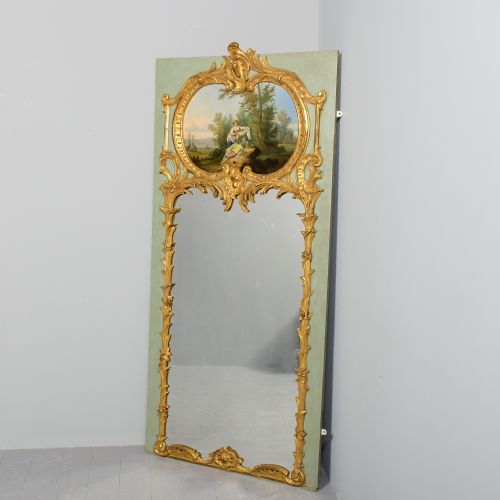
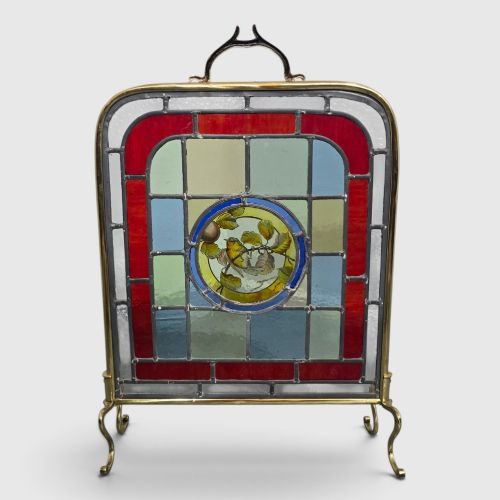
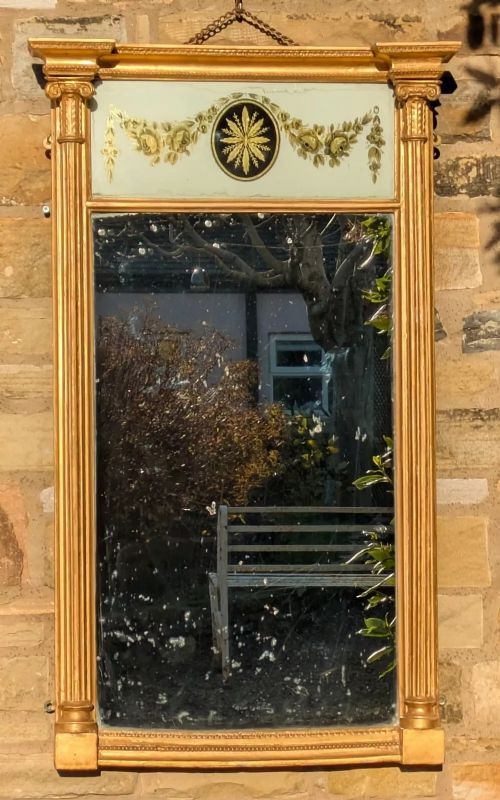
Antique Glass Panel
An antique glass panel brings light and texture to a room, whether set into a door, framed as a window, or mounted in a screen.
Antique Glass Panel
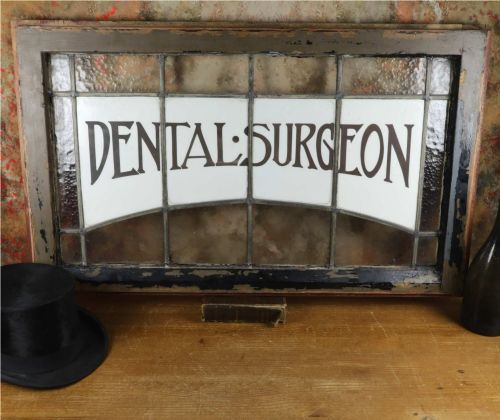
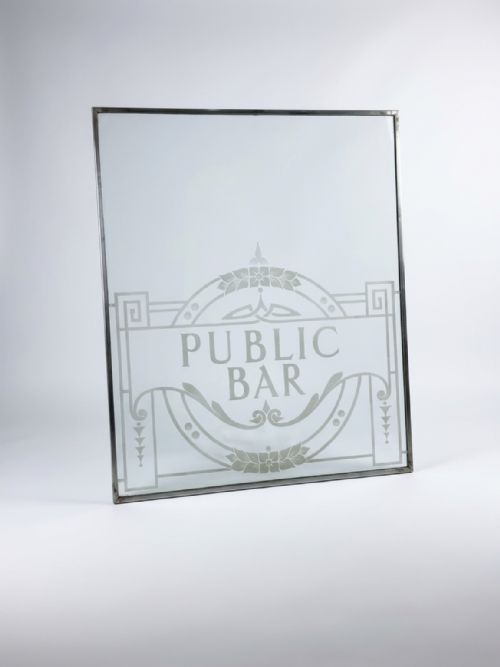
When you search for an antique glass panel, you encounter fragments and fixtures spanning the nineteenth century, including architectural salvage from public houses, domestic stained glass, and decorative inserts from screens and fire guards. The pieces reflect periods from the Victorian era through to Edwardian and Arts and Crafts movements, incorporating lead, oak, and brass settings.
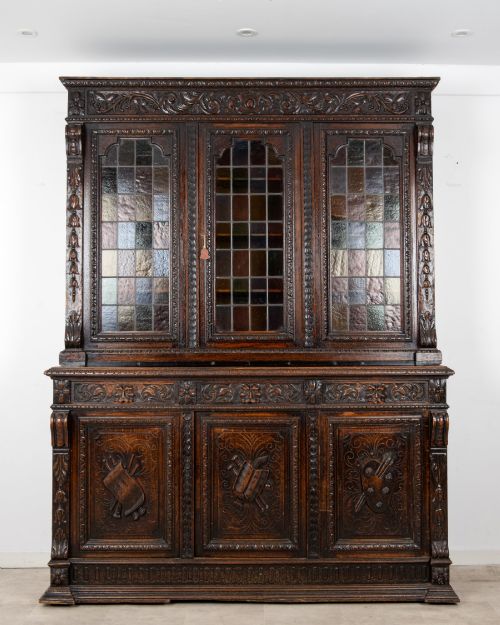
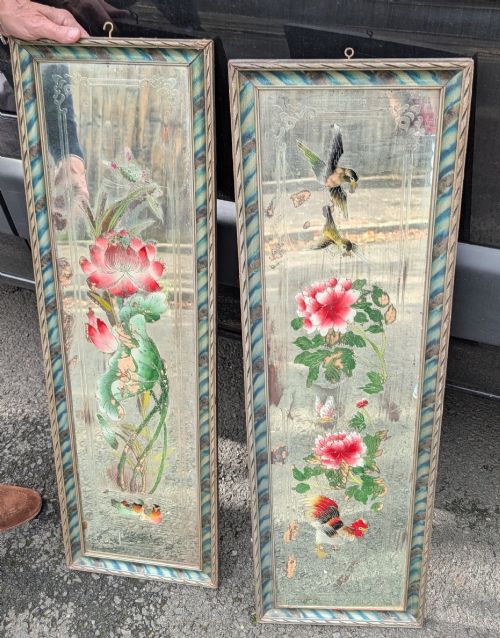
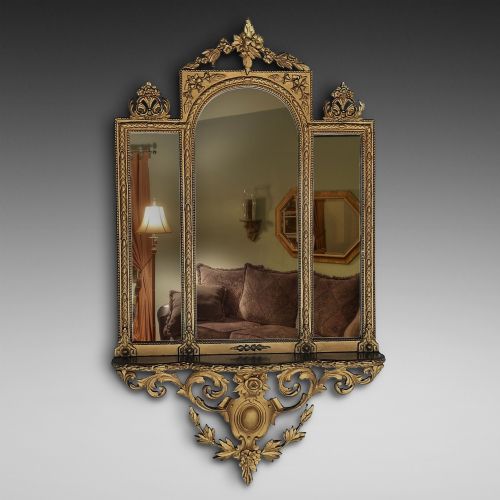
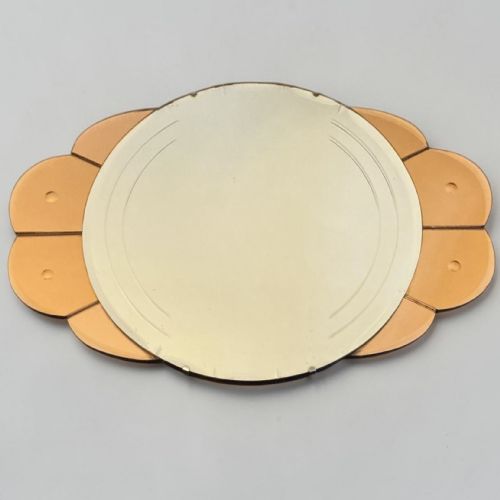
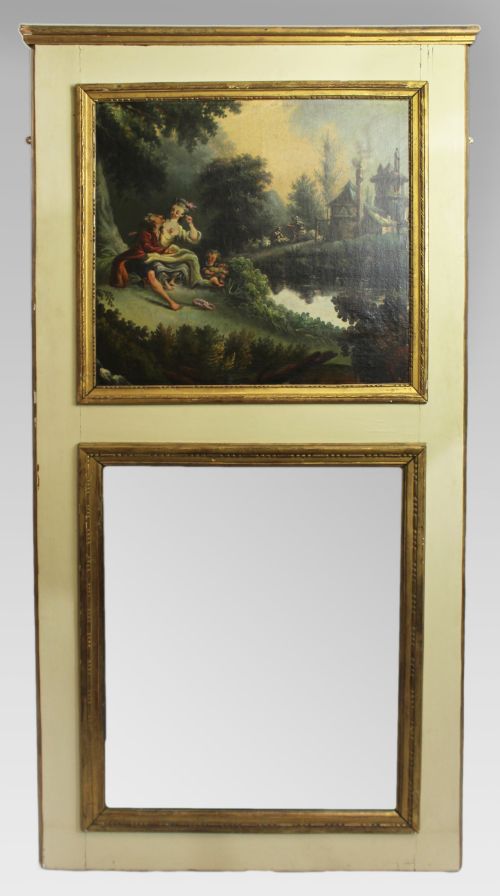
You are most likely to meet architectural stained glass sections, painted windows, and bevelled mirror plates housed in wooden or metal frames. These items originated as functional interior dividers, pub windows, or cabinet doors before finding new life as wall hangings and decorative focal points.
How they were made
Maker workshops combined sheet glass with lead cames, soldering the joints to hold complex pictorial or geometric designs in place. Stained and painted glasses received heat treatment to fuse colours onto the surface before leading.
Frames and structural supports utilise brass, oak, and giltwood, often secured with traditional joinery or metal pins to withstand the weight of heavy leaded sections.
Listings feature materials including lead, brass, oak, and mirror glass, spanning the Victorian and Edwardian periods.
What varies in quality
The distinction between ordinary and exceptional work lies in the depth of the glass cutting, the complexity of the painted detail, and the integrity of the leading. Hand-painted passages and finely bevelled edges require advanced skill that elevates the visual impact.
Original frames and mounting hardware contribute substantially to the character of a piece, separating intact historical objects from later adaptations or replacements.
The Antique Glass Panel Glossary
- Came
- A slender grooved strip of lead used to hold together pieces of glass in a window or panel. These strips form the linear grid of the design.
- Bevelled glass
- Glass plate featuring an angled, polished edge that catches and refracts light. This technique adds depth to mirrors and decorative panels.
- Stained glass
- Glass coloured by the addition of metallic oxides during its manufacture, or painted and fired on the surface. It forms the basis of pictorial church and domestic windows.
- Architectural salvage
- Building elements rescued from demolition or alteration, including windows, doors, and glazed panels. These items preserve historical craftsmanship for modern interiors.
- Fire screen
- A movable barrier placed before a fireplace when not in use, frequently incorporating glass panels, silk, or brass framework. They protect rooms from radiant heat and draughts.
Antique Glass Panel: Frequently Asked Questions
How were antique glass panels originally used?
These panels served primarily in architectural contexts, functioning as windows in houses and public establishments, or as decorative inserts in folding screens and cabinets.
Over time, many survived the demolition of older buildings or the dismantling of furniture, leading to their preservation as standalone decorative objects.
How do I hang a heavy glass panel?
Due to the weight of lead cames and thick glass plates, secure wall mounting requires direct fixing into wall studs or the use of appropriate masonry anchors.
Weight should be supported evenly by the frame rather than hanging entirely from the glass or lead structure itself.
How can I date an antique glass panel?
Dating relies on stylistic clues within the glass painting, the width and composition of the lead cames, and the material of the accompanying frame.
Victorian and Edwardian pieces often display distinct botanical or geometric motifs typical of the Arts and Crafts movement or domestic revival styles.
Can these panels be used as windows?
Many panels function effectively when hung in front of existing glass windows using sturdy brackets and chains to catch natural daylight.
Permanent architectural installation requires assessment by a glazier to ensure the historical leadwork can withstand exterior weather conditions.