




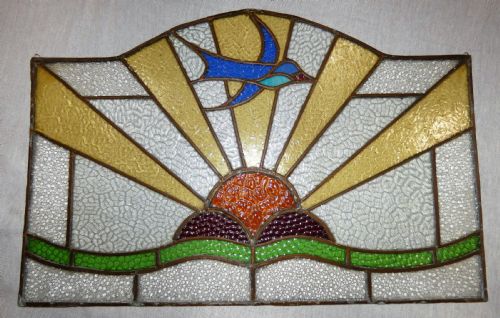


Antique Glass Door Light
An antique glass door light brings original character and natural brightness to any interior through period craftsmanship.
Antique Glass Door Light
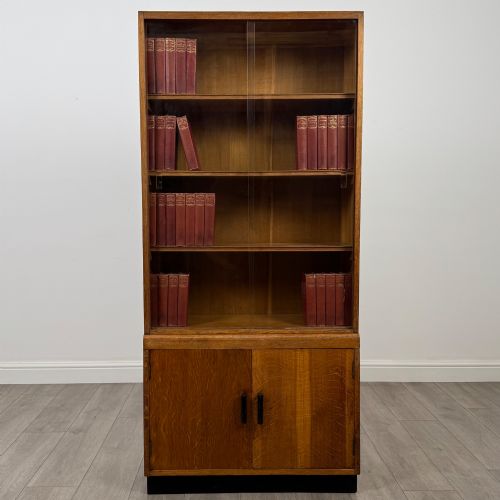
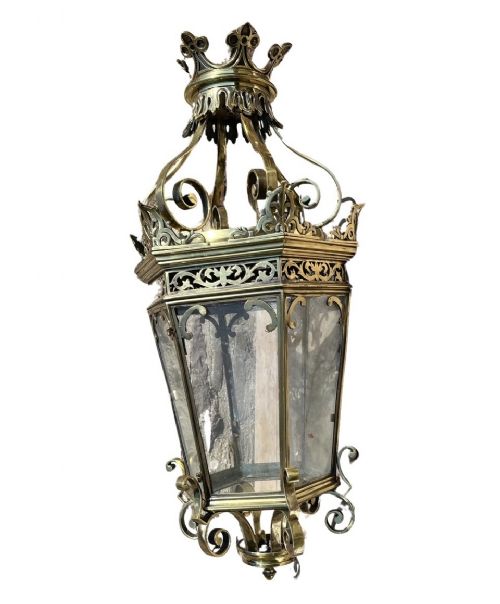
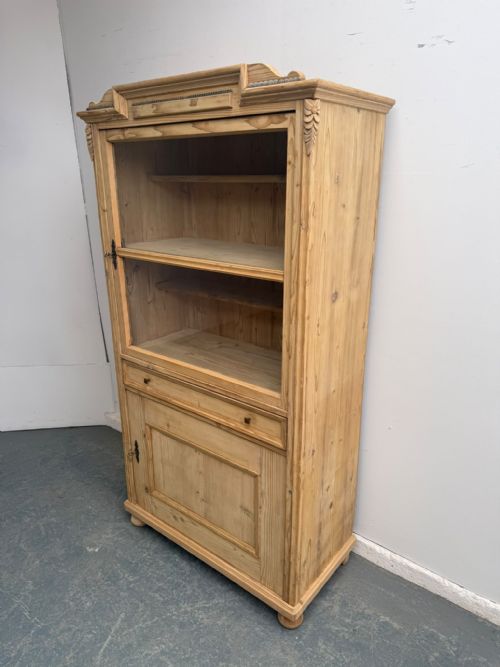
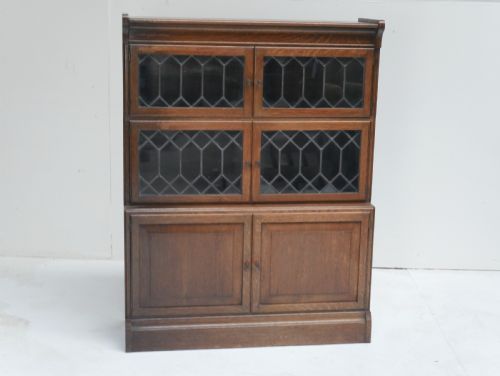
When you search for an antique glass door light, you examine architectural elements, glazed panels, and hanging lanterns from the Victorian, Edwardian, and early twentieth century periods. These items incorporate glass, lead, brass, oak, pine, and iron, spanning forms such as display cabinets, bookcases, hall lanterns, and architectural glass windows.
How they were made
Maker construction relies on traditional joinery using timbers like oak, pine, and mahogany paired with structural metals such as brass and iron. Artisans assembled leaded and stained glass windows by hand, frequently incorporating hand-painted or etched decorative details directly onto the glass surface.
Cabinets and glazed doors utilise sturdy wooden frames to support heavy glass panels and display doors. Metalworking techniques shaped the brass and iron used for lanterns and structural mounts, securing the glass within lead cames for architectural windows.
Antique Glass Door Light Retail Price Guide 2026
Typical asking prices for glass door light among the pieces listed under this phrase on Sellingantiques today, from the lower quarter to the upper quarter. They describe what is for sale here now, not the wider market.
Listings feature items from the Victorian, Edwardian, and early twentieth century periods, incorporating oak, pine, brass, iron, and leaded glass.
What varies in quality
Quality differences emerge in the complexity of the hand-painted or etched glass decoration and the robustness of the surrounding timber or metal framework. Pieces featuring detailed hand-painted countryside scenes demonstrate superior artistic effort compared to plain glazed panes.
The selection of cabinet timbers, from heavy oak to pine, and the intricacy of brass metalwork in lanterns distinguish standard production from finer examples. Structural integrity in the lead cames and door framing further defines the execution of each item.
Minty
The Antique Glass Door Light Glossary
- Lead cames
- The slender grooved rods of lead used to hold together pieces of stained or clear glass in a window. These pliable strips form the geometric or pictorial lattice of the panel.
- Stained glass
- Glass that has been coloured by the addition of metallic salts during its manufacture. It is often combined with painted details in historic windows.
- Gothic Revival
- An architectural and decorative style drawing inspiration from medieval design. It frequently appears in nineteenth-century windows and structural elements.
- Etched glass
- Glass treated with acid or abrasive substances to create decorative translucent patterns on the surface. This technique allows for detailed ornamentation while maintaining privacy.
- Hall lantern
- An enclosed hanging light fixture designed for entranceways and corridors. These fixtures typically combine metal framing with glass panels.
Antique Glass Door Light: Frequently Asked Questions
What periods do these pieces span?
The pieces span from the mid-nineteenth century through the Victorian and Edwardian eras up to the nineteen thirties. This covers styles such as Gothic Revival, Art Nouveau, and Art Deco.
Items range from eighteen sixty brass lanterns to nineteen thirties mahogany bookcases and nineteen hundred leaded glass windows.
What materials are commonly used?
Common materials include glass, lead, brass, oak, pine, iron, and mahogany. Stained glass and painted glass also feature prominently across the architectural panels.
Combination pieces frequently pair timber frames with glazed doors or leaded window panes and metal hardware.
How do I identify a stained glass panel?
Stained glass panels consist of coloured glass segments joined together by lead cames. Many period examples also incorporate hand-painted scenes or etched details.
They appear both as standalone architectural panels and as integrated components within doors and windows.
Where were hall lanterns used?
Hall lanterns were designed to illuminate entrance halls, corridors, and vestibules in period homes. They provided both functional lighting and a decorative focal point.
These fixtures typically utilise brass frames and glass panels to diffuse light safely within enclosed spaces.