


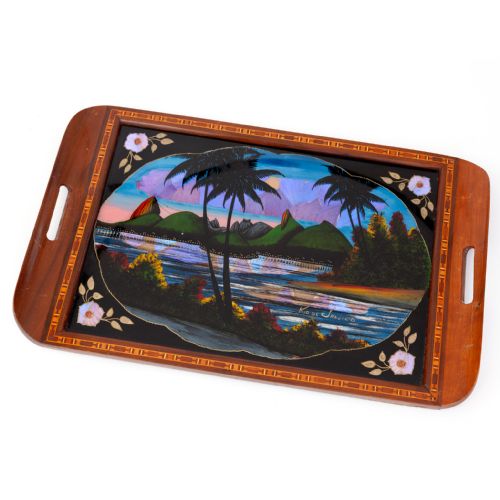


Landscape Painted Glass
Landscape painted glass brings pastoral views indoors, combining delicate artistic scenes with architectural panels and mirrors.
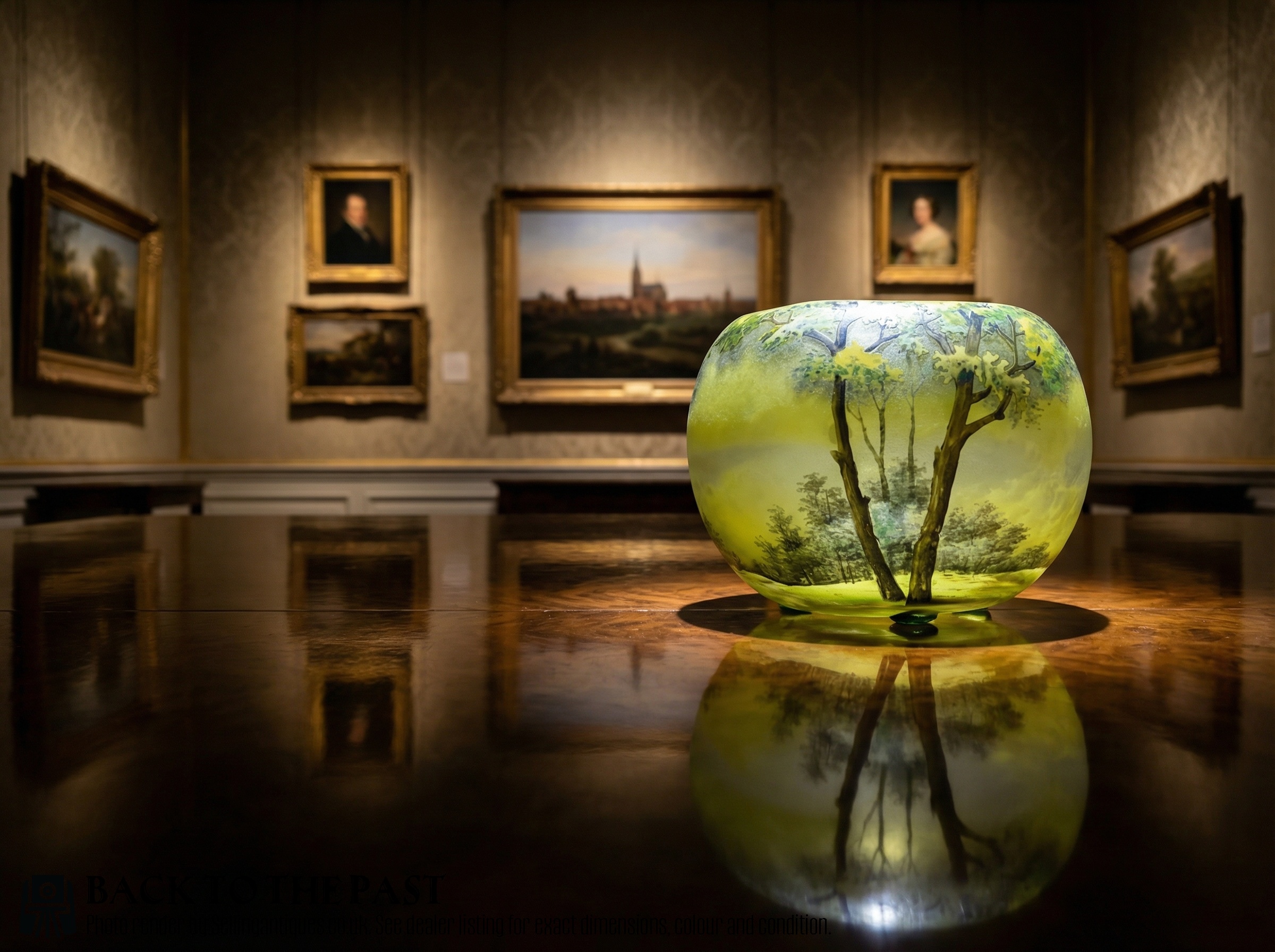
Landscape Painted Glass
Landscape painted glass encompasses decorative windows, mirrors, and vases featuring hand-painted countryside scenes, pastoral views, and natural vistas. When searching for landscape painted glass, buyers encounter diverse forms ranging from Georgian and Regency trumeau mirrors to early twentieth-century leaded windows and French art glass vases.
The objects span multiple eras, including Georgian, Regency, Victorian, Edwardian, and the early twentieth decades up to the nineteen-thirties. Architectural windows and wall mirrors dominate the selection, often incorporating painted panels alongside traditional leaded glass or giltwood framing.
Materials and Construction
These pieces rely on glass, mirror glass, and enamel pigments combined with structural elements of wood, timber, and giltwood. Artisans painted directly onto glass panels or windows, sometimes integrating lead cames to section the scenic composition.
Vases and decorative vessels utilise enamel and oil paint applied to glass bodies, while architectural windows and mirrors depend on lead and timber frames to support the painted glass elements.
Several windows depict serene countryside scenes complete with tiny painted boats drifting across glass lakes.
Assessing Quality and Execution
The integration of the painted panel within its frame, whether giltwood, lead, or timber, distinguishes superior craftsmanship. The depth of the enamel or oil pigments and the preservation of the original glass surface dictate the overall visual impact.
Legras·Daum·Paul Jones
The Landscape Painted Glass Glossary
- Eglomisé
- A process of applying gold or silver leaf and painting on the rear face of glass to produce a mirror finish. This technique creates reflective panels with deep decorative scenes.
- Trumeau
- A decorative wall mirror or panel featuring a painted or carved scene placed above the main looking glass. These architectural pieces often date from the Georgian and Regency periods.
- Leaded Glass
- Pieces constructed from individual pieces of glass joined together by strips of lead. This method forms geometric or pictorial window panels.
- Oviform
- An egg-shaped vessel form commonly found in early twentieth-century glass vases. This contour provides a curved canvas for landscape decoration.
- Giltwood
- Timber carved and coated with gold leaf or a gilt finish. It frequently surrounds antique mirrors and painted glass panels.
Landscape Painted Glass: Frequently Asked Questions
How are landscape painted glass windows installed?
These windows generally fit into standard architectural openings or hang internally as decorative panels to catch natural light. Careful handling is essential to protect the lead cames and the painted surface from structural strain.
Secure mounting requires professional framing or bracket support, ensuring the weight of the glass and timber or lead framework distributes evenly across the wall or window frame.
Where were landscape painted glass panels traditionally placed?
Architectural panels and windows typically occupied interior partitions, doors, or exterior apertures where daylight could illuminate the painted countryside scenes. Mirrors with painted panels, such as trumeau pieces, hung above mantelpieces or in principal reception rooms.
Placement depended on maximising natural illumination to reveal the enamel and oil paint details within the glass composition.
How do I clean landscape painted glass?
Maintenance requires gentle dusting with a soft, dry cloth to avoid disturbing fragile enamel or oil paint on the glass surface. Liquid cleaners should remain strictly avoided unless specifically formulated for antique painted glass.
Moisture can seep beneath lead lines or damage historical pigments, so professional conservation advice is recommended for thorough cleaning or restoration.
What periods do these pieces represent?
The selection spans from the Georgian and Regency eras through the Victorian and Edwardian periods, extending into the nineteen-twenties and nineteen-thirties. Each era brings distinct framing styles, from ornate giltwood overmantels to Arts and Crafts leaded windows.
Art Nouveau and early twentieth-century glassworks introduce specific vase forms and painterly techniques that reflect the design movements of their time.