


Antique Glass Lidded Jar
When you search for an antique glass lidded jar, you are looking at functional vessels shaped by Victorian, Edwardian, and Art Deco hands to hold everything from biscuits to powder.
Antique Glass Lidded Jar
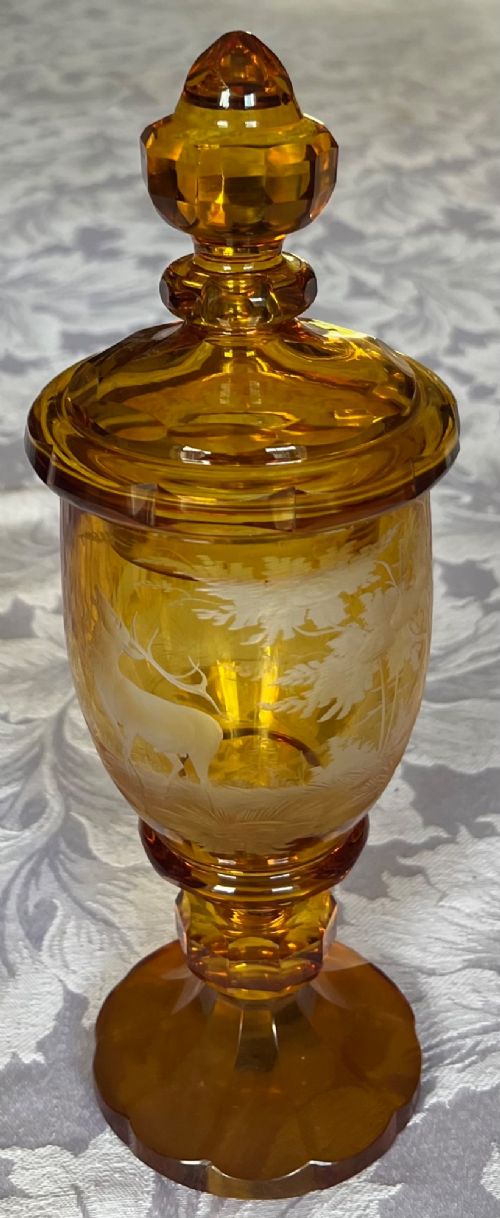
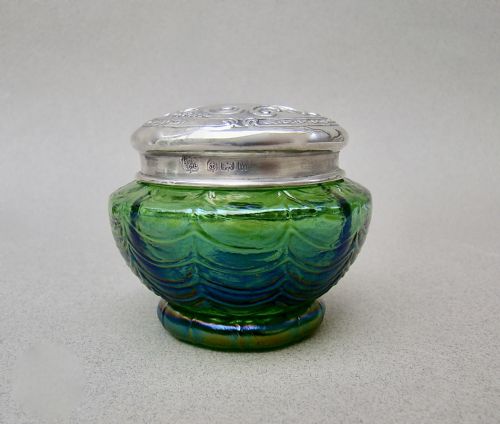
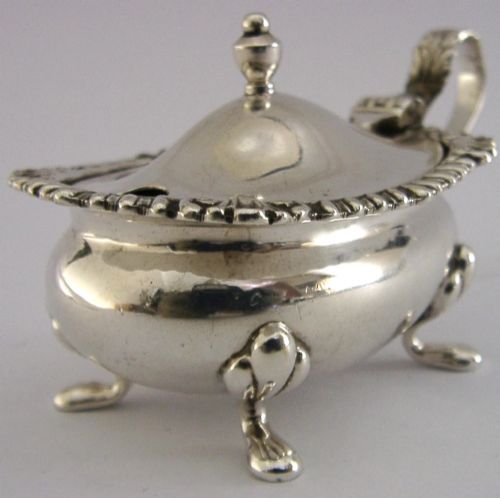
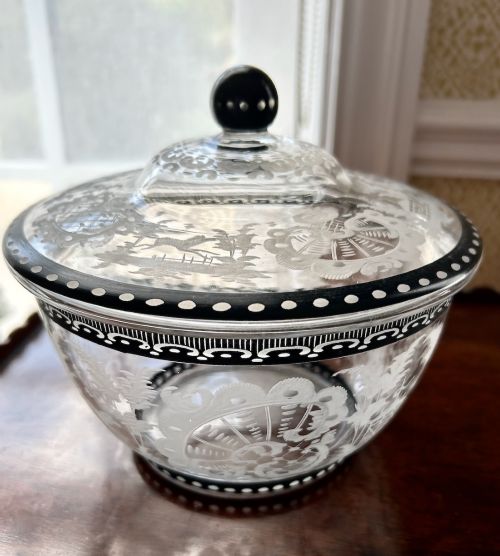
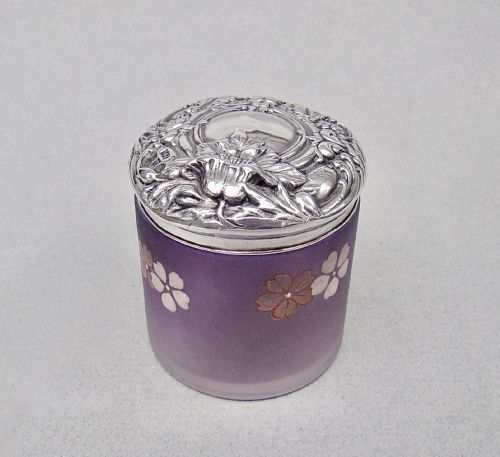
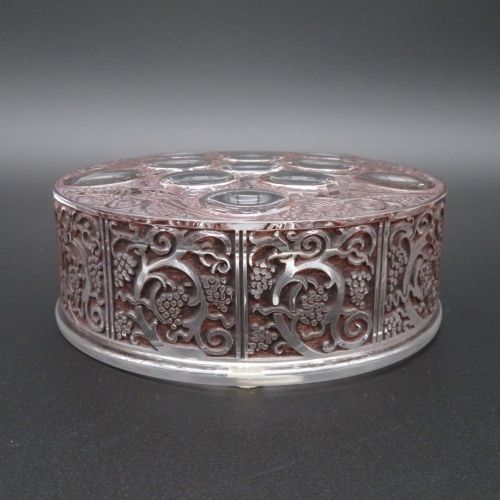
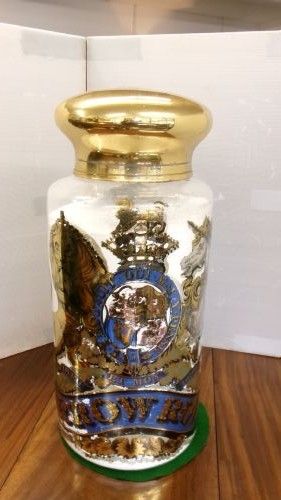
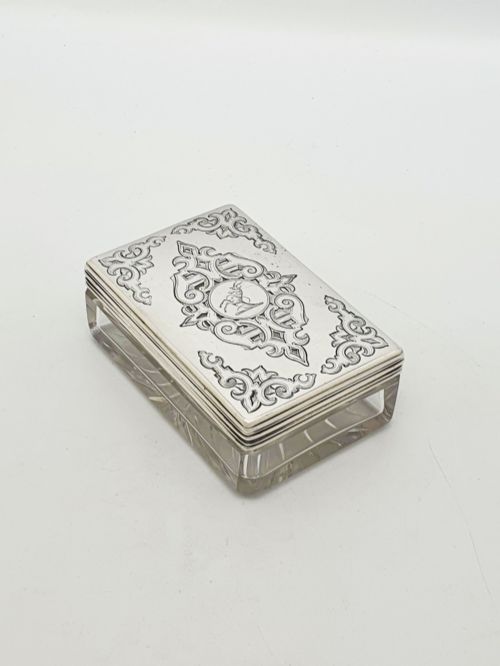
An antique glass lidded jar is a covered vessel created for domestic, dressing table, or apothecary use across the nineteenth and twentieth centuries. The pieces on this page span forms such as biscuit barrels, trinket boxes, dressing table jars, preserve pots, and apothecary jars.
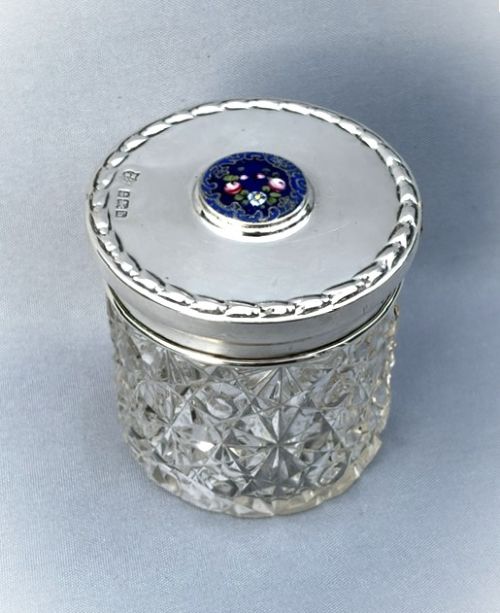
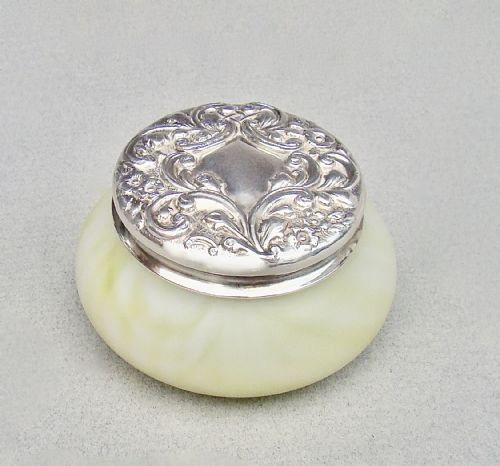
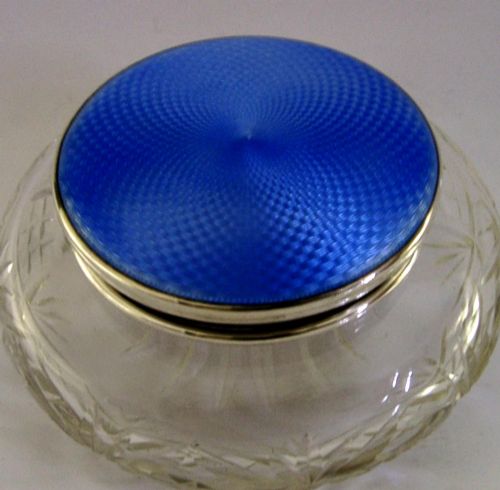
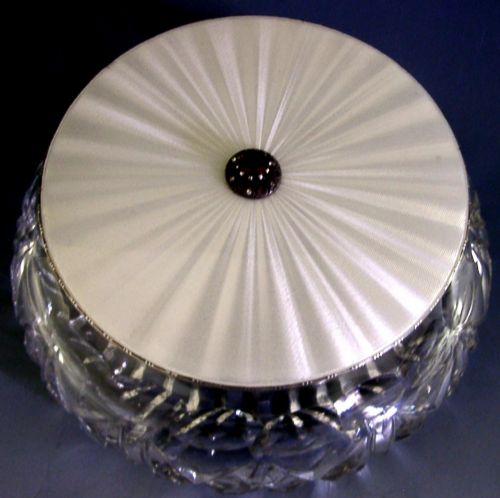
The version you are most likely to meet is the Edwardian or Victorian cut glass trinket box or biscuit barrel, often mounted with sterling silver or silver-plated lids. These vessels combine heavy moulded or wheel-cut glass bodies with fitted metal, enamel, or tortoiseshell covers.
Origins stretch from English workshops in Birmingham and Sheffield to French houses and Bohemian glassworks. Collectors encounter both everyday utilitarian containers and finely decorated presentation pieces designed for display.
How they were made
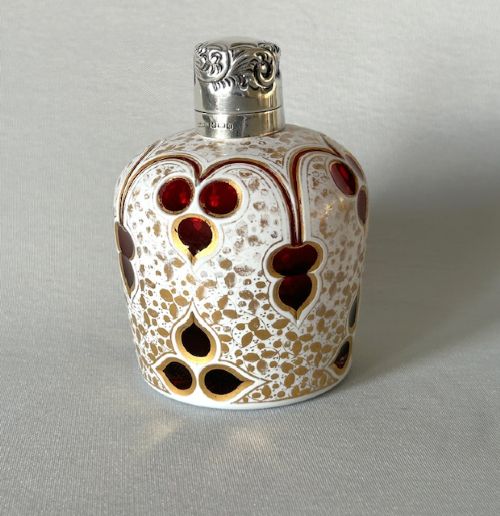
Makers shaped the bodies using lead crystal, cranberry glass, satin glass, or standard glass, often employing heavy cutting techniques to create deep facets and patterns. Coloured glass variants like ruby red, blue, and amethyst relied on metallic oxides added during the melting process.
Lids and mounts utilised sterling silver, silver plate, enamel, and occasionally tortoiseshell or gold leaf, secured to the glass rim with snug collars or hinges. Workshops in Birmingham and Sheffield stamped these metal mounts with hallmarks indicating the year and silversmith.
Antique Glass Lidded Jar Retail Price Guide 2026
Typical asking prices for glass lidded jar among the pieces listed under this phrase on Sellingantiques today, from the lower quarter to the upper quarter. They describe what is for sale here now, not the wider market.
Early presentation boxes on record celebrated competitive sailing rather than tea parties, proving that sailors also required proper lidded storage.
What varies in quality
The weight and clarity of the glass set the foundation for a superior piece, where heavy lead crystal reflects light crisply through deep, sharp cutting rather than shallow moulding. Metal mounts also dictate the tier of an object, with thick sterling silver carrying crisper hallmarks and more substantial construction than thin silver plating.
Artistic collaboration elevates certain examples, such as those featuring hand-painted enamel decoration, overlay glass, or accredited makers and retailers like Asprey, Lalique, or Baccarat. The integration between the lid and the glass body reveals the maker's precision, ensuring a flush and secure fit.
A. J. Pepper & Co·A. Bromet & Co·Lalique·W. M. F·Asprey & Co·Walker & Hall·Baccarat
The Antique Glass Lidded Jar Glossary
- Cut glass
- Glass decorated by grinding facets or patterns into the surface using a rotating wheel. This technique creates sharp geometric edges that catch the light.
- Cranberry glass
- A rich pinkish-red glass created by adding gold chloride to the molten batch. It became particularly popular during the Victorian period for decorative tableware.
- Biscuit barrel
- A covered container used for storing dry biscuits or sweets on the dining table or sideboard. These often feature metal swing handles and matching lids.
- Hallmark
- A stamp or series of marks impressed onto precious metal objects to guarantee the purity of the silver or gold, alongside the maker and assay office.
- Latticinio
- A decorative glass technique involving opaque white or coloured glass threads embedded within clear glass in network patterns. This method originates from Venetian tradition.
Antique Glass Lidded Jar: Frequently Asked Questions
What were glass lidded jars used for?
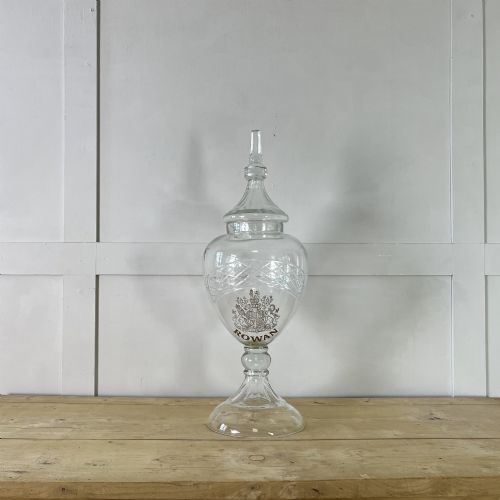
These vessels served diverse practical purposes in the home, holding biscuits at tea, preserves at breakfast, or cosmetics and pins on a dressing table. Larger apothecary versions stored dried goods or medicinal ingredients in shops and dispensaries.
Over time, many transitioned from utilitarian storage to decorative display pieces, prized on sideboards and mantelpieces for their craftsmanship.
How do I date a silver mounted glass jar?
The most reliable dating method is reading the metal hallmarks stamped on the silver lid or collar, which typically indicate the assay office, standard, and specific year letter. Stylistic cues such as Art Deco geometric lines or Victorian floral engraving also help narrow down the period.
Unmarked silver plate or unmounted glass requires comparison of the cutting style, glass tint, and manufacturing techniques against known historical periods.
How do I clean and care for antique glass?
Wash glass jars gently in lukewarm water using mild dish soap, avoiding sudden temperature changes that can crack older material. Use a soft cloth or brush to clean crevices in cut glass, and keep abrasive pads away from delicate enamel or silver mounts.
Polish sterling silver lids separately with a dedicated cloth while preventing silver polish from coming into contact with the glass or enamel surfaces.
Are these jars safe for food use?
While many jars originally held food such as biscuits, preserves, or mustard, collectors generally treat antique glass as decorative objects. Older glass compositions and metal solders can react with certain foods or moisture over extended periods.
If you choose to use a preserve pot or biscuit barrel for dining, inspect the interior thoroughly for historical wear and ensure the container is washed by hand only.