



Edwardian Silver Plate Jar
When you handle an edwardian silver plate jar, you find sturdy utility paired with domestic polish.
Edwardian Silver Plate Jar
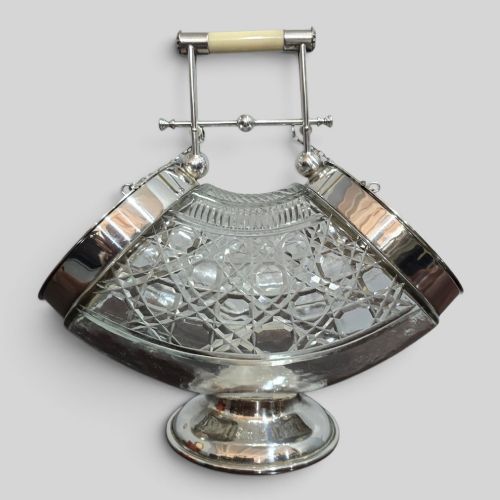
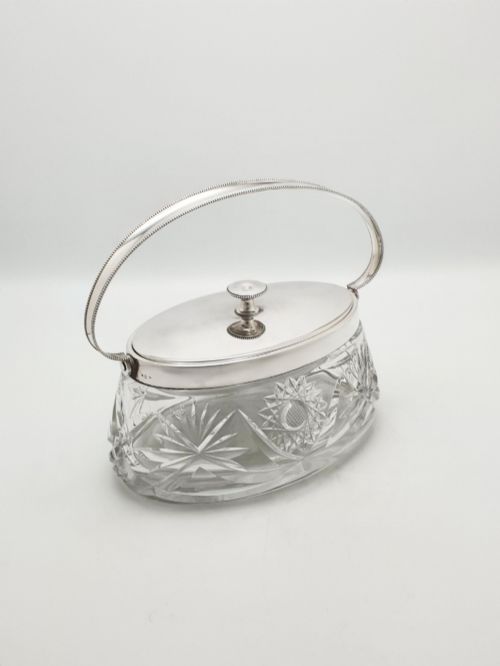
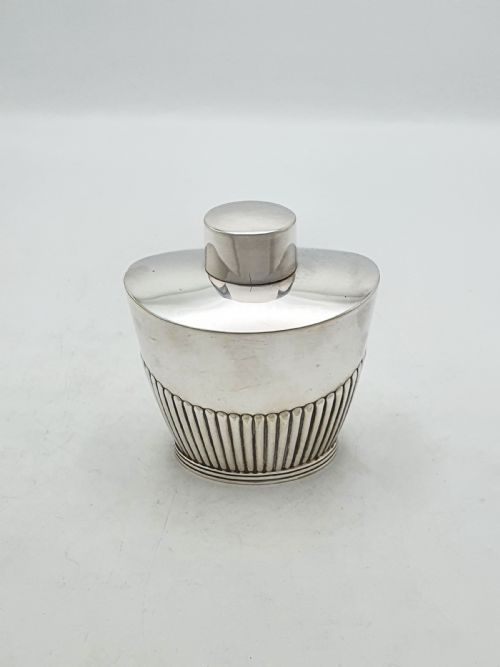
An edwardian silver plate jar typically takes the form of a biscuit barrel, tea canister, or preserve dish designed for the dining table or sideboard. These vessels combine a metal frame, lid, and swing handle with a container made from cut glass, cranberry glass, earthenware, or English oak.
The pieces on this page span the Edwardian era alongside Victorian, late Victorian, Art Deco, and Jugendstil periods, reaching back to mid nineteenth century examples. Biscuit barrels and preserve jars dominate the selection, accompanied by tea caddies, cruet sets, and ice buckets.
Most items you will meet date from the nineteen hundreds, reflecting the period's fondness for structured entertaining. They served practical storage roles for dry goods and preserves while displaying polished metallic mounts.
How they were made
Makers utilised silver plate or electroplated nickel silver for the mounts, lids, handles, and pierced frames, applying a metallic coating over a base metal. This technique provided the appearance of solid silver at a lower cost for domestic households.
The body containers relied on heavy manufacturing methods such as hobnail cutting for crystal and glass, or turning for English oak and earthenware like flow blue ceramics and Crown Devon pottery. Glass liners were often blown or moulded to fit snugly inside pierced metal galleries.
Listings feature oak, earthenware, cranberry glass, and cut glass paired with silver plate or electroplated nickel silver.
What varies in quality
The weight and depth of the glass cutting distinguish finer vessels, where sharp facets and clear crystal catch the light more deliberately than plain moulded glass. Similarly, the thickness of the silver plate layer determines how well the surface resists wear across decades of handling.
Construction details such as hinged mechanisms, swing handles, and the snugness of the lid fit mark out better workshops. Oak barrels with tight coopered staves and ceramic bodies with crisp transfer printing show greater care in original production.
WMF·Mappin & Webb·Thomas Bradbury·John Grinsell & Sons
The Edwardian Silver Plate Jar Glossary
- Silver plate
- A thin layer of silver bonded to a base metal such as nickel silver or copper. This process allowed Victorian and Edwardian manufacturers to produce affordable domestic tableware.
- Hobnail cut
- A decorative pattern cut into glass featuring rows of small, raised pyramidal points. It adds texture and refraction to the surface of biscuit barrels and ice buckets.
- Cranberry glass
- A rich red glass created by adding gold chloride to the molten batch. It appears frequently in Edwardian preserve dishes and-jar inserts.
- Jugendstil
- The continental European manifestation of Art Nouveau, characterised by fluid, organic lines. Pieces in this style often feature stylized floral mounts on glass bodies.
- Flow blue
- A cobalt blue transfer printing technique where the colour bleeds slightly into the surrounding white glaze during firing. This creates a soft, hazy appearance on earthenware containers.
Edwardian Silver Plate Jar: Frequently Asked Questions
What were silver plate jars used for?
These vessels primarily stored biscuits, tea leaves, jams, and preserves for formal dining and tea services.
They sat upon sideboards and dining tables, keeping contents fresh while offering an accessible serving container for guests.
How do I clean silver plate safely?
Use a soft cloth and a gentle cream specifically formulated for silver plate to avoid wearing through the thin metal layer.
Keep abrasive pads away from both the metal mounts and the glass or ceramic bodies to preserve the original finish.
How can I tell an Edwardian jar from a Victorian one?
Edwardian examples tend to feature lighter, airier mounts and simpler decorative motifs compared to the heavier ornamentation of Victorian pieces.
Design influences shifted around nineteen hundred toward cleaner lines, though stylistic overlaps remain common in the archive.
Can I use these jars for food today?
Most glass and ceramic inserts remain suitable for holding dry goods or wrapped items during modern dining.
Inspect the interior surfaces and original plating condition before storing unwrapped food items for extended periods.