


Antique Glass Flagon
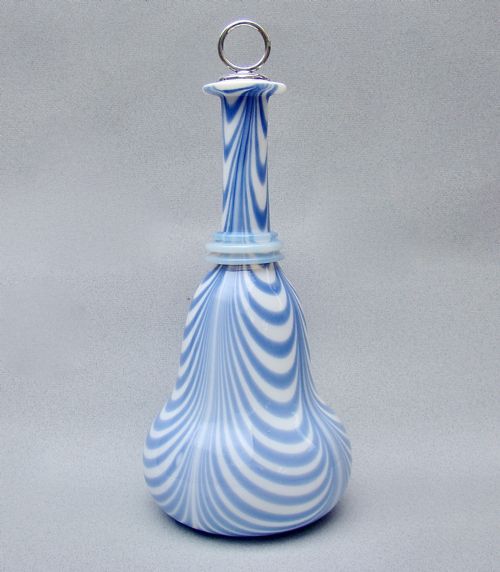
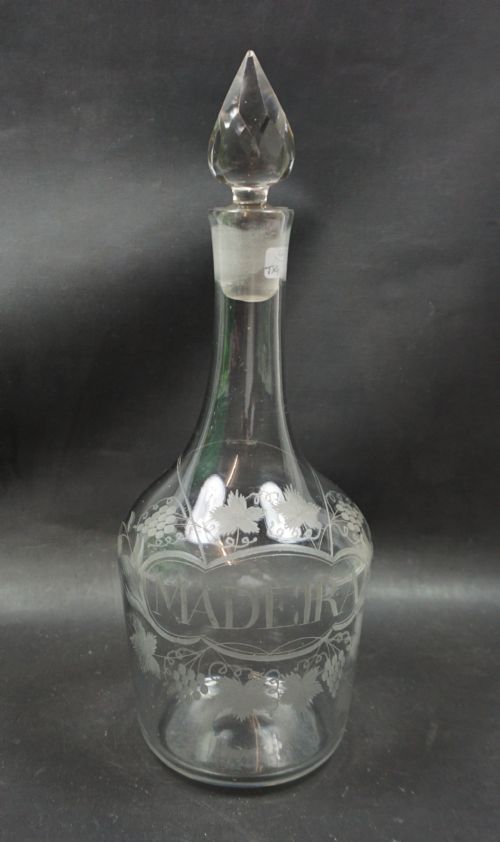
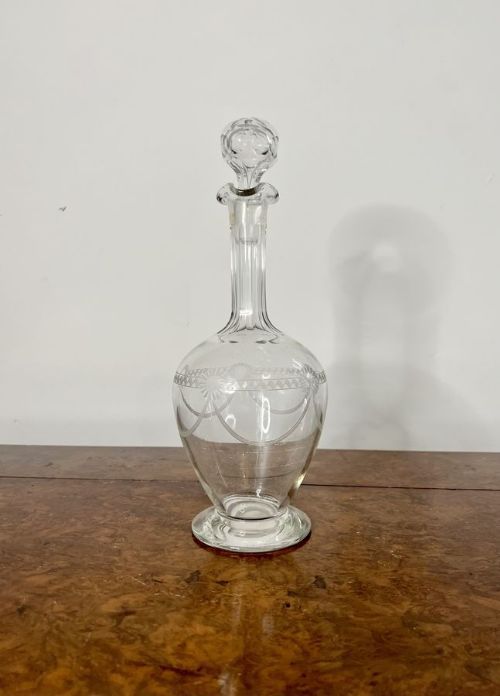
These antique glass flagon examples combine utility with craftsmanship, offering practical serving vessels that bring historical character to a dining table.
Antique Glass Flagon
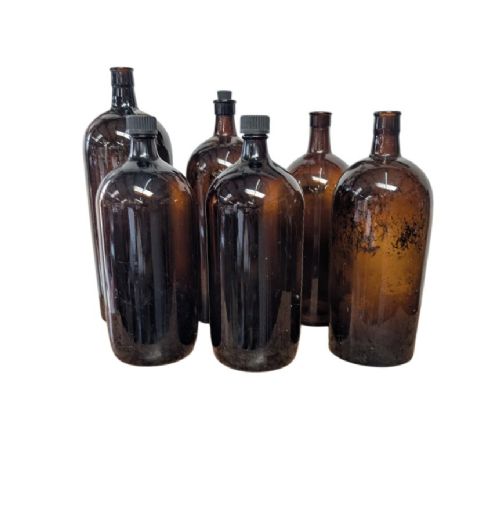
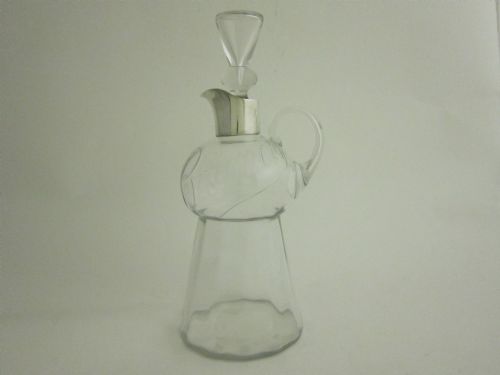
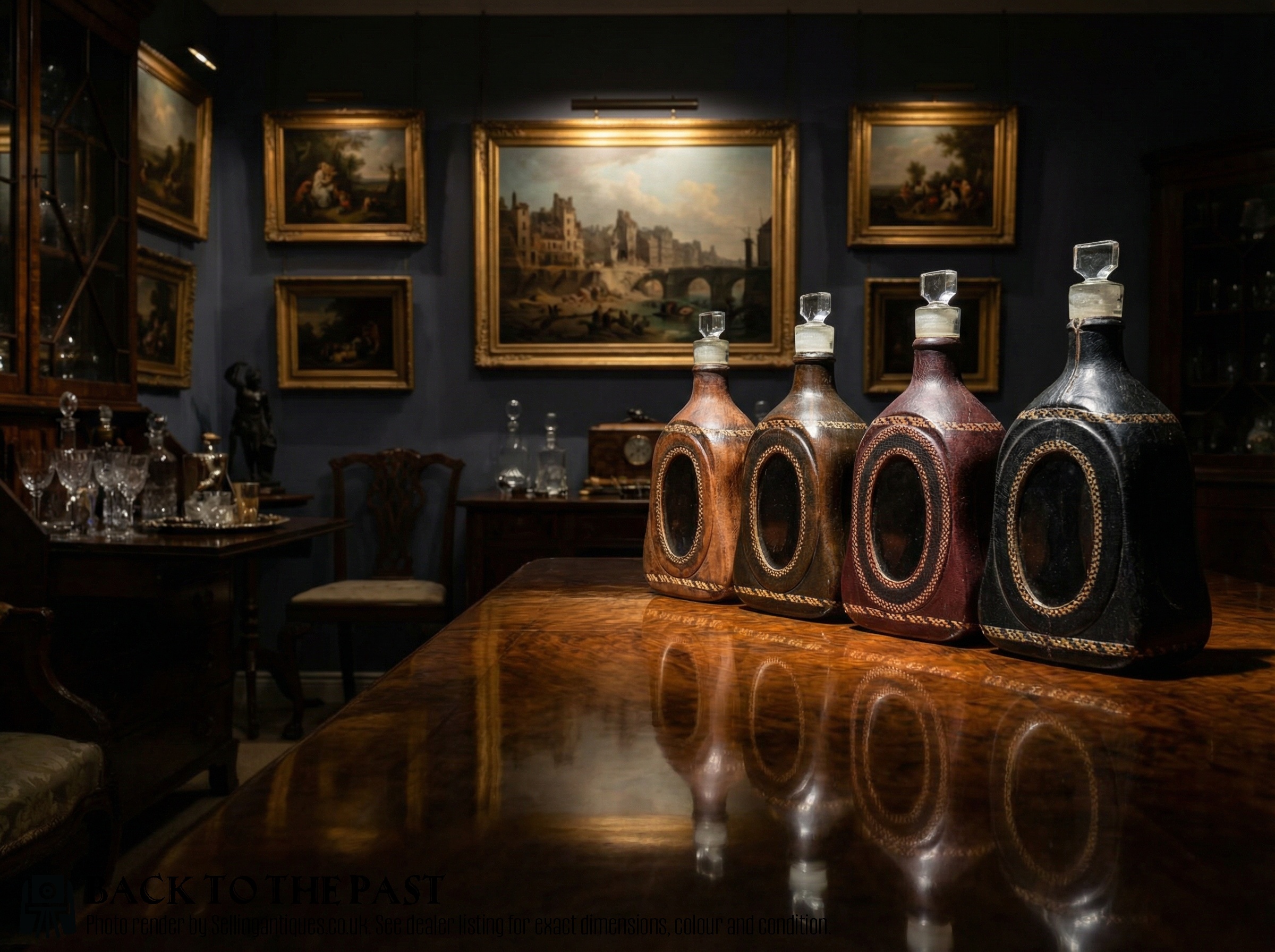
When you search for an antique glass flagon, you find vessel forms primarily originating from the Victorian and Edwardian periods alongside earlier Georgian examples. These functional pieces include decanters, claret jugs, ewers, carafes, and apothecary bottles utilised for serving and storing wine or spirits.
The most common versions on this page date from the nineteenth century, featuring clear glass, lead crystal, or coloured glass bodies often paired with metal mounts. Makers shaped these vessels for practical dining use, resulting in diverse forms ranging from simple wine bottles to heavily ornamented decanters.
Examples span various stylistic influences, incorporating English, French, and Bohemian origins with distinct profiles such as shoulder decanters, cylinder bottles, and handled ewers. Each piece reflects the domestic and social drinking habits of its respective era through its capacity and design.
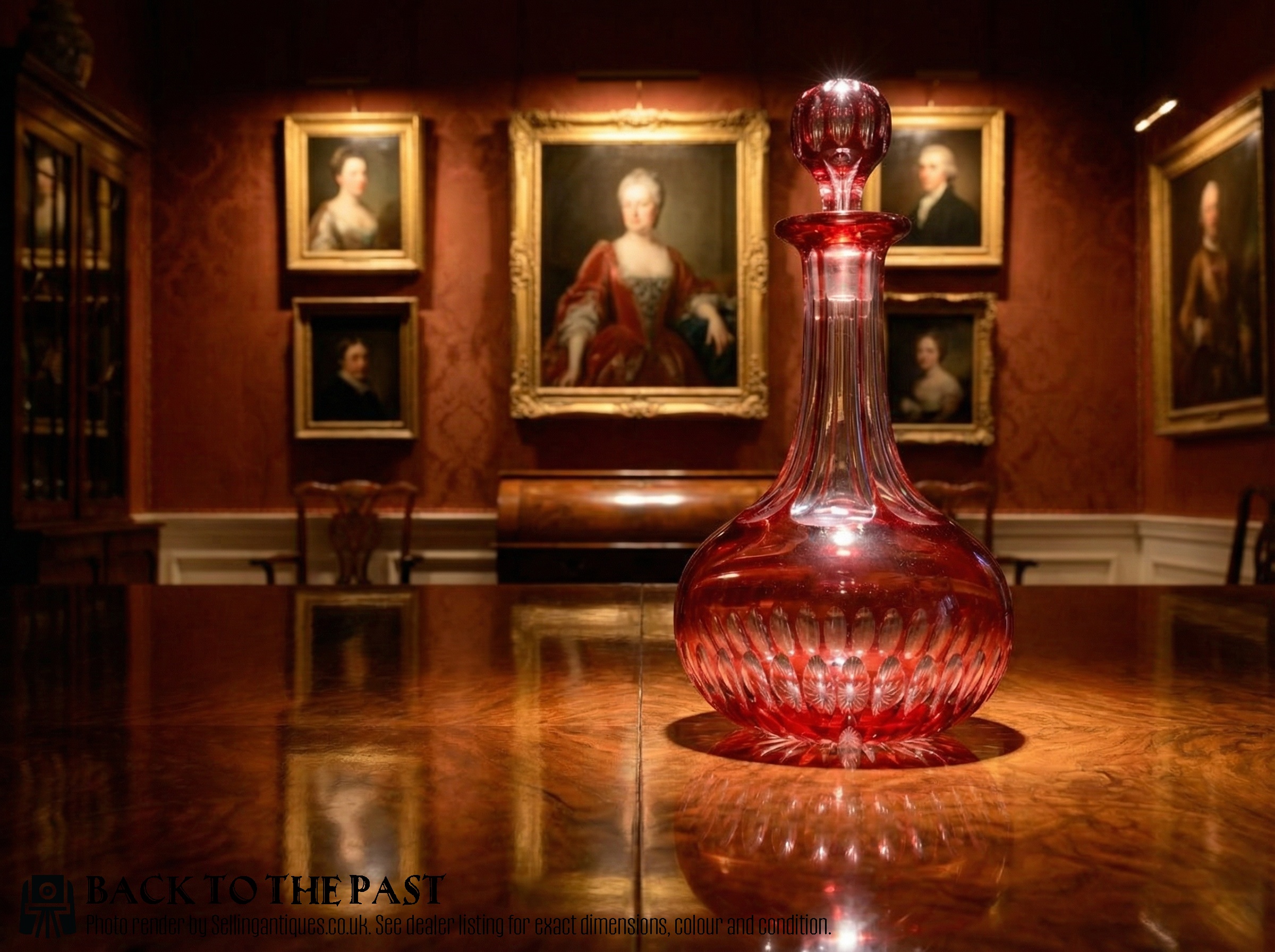
Materials and construction methods
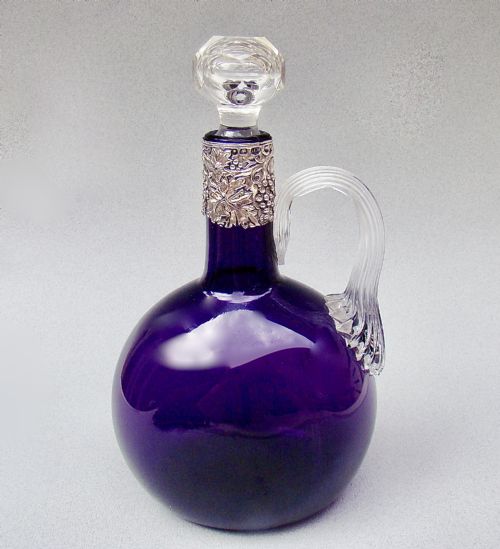
Craftsmen utilised traditional techniques like hand-blowing and lead crystal manufacture to produce the foundational glass bodies, yielding clear, coloured, ruby overlay, amber, green, blue, and cranberry tones. Artisans then employed wheel-cutting, engraving, and etching to apply surface decoration such as floral motifs and inscribed wine labels.
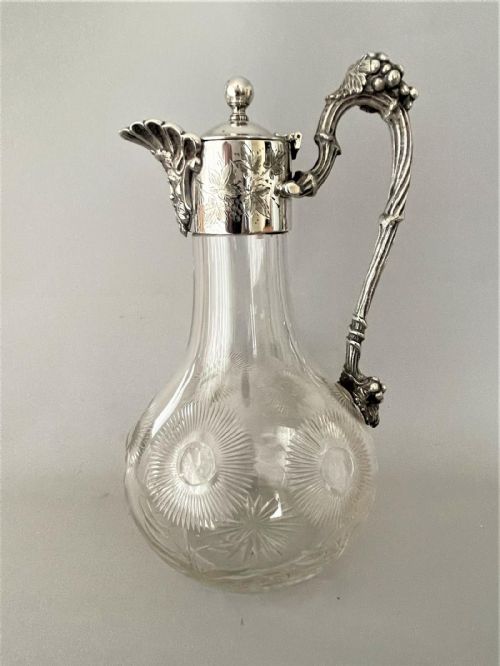
Metalwork played a structural and decorative role, with workshops mounting silver plate, Old Sheffield plate, sterling silver, or 950 silver collars, necks, handles, and figurine tops onto the glass. Silversmiths integrated these mounts using secure collars to anchor spouts and stoppers to the upper rims of the vessels.
Antique Glass Flagon Retail Price Guide 2026
Typical asking prices for glass flagon among the pieces listed under this phrase on Sellingantiques today, from the lower quarter to the upper quarter. They describe what is for sale here now, not the wider market.
Listings feature glass flagons spanning the Georgian, Victorian, and Edwardian periods, constructed from clear glass, lead crystal, and coloured glass.
Distinctions in craftsmanship and design
The degree of artistic ambition in the glasscutting and engraving separates standard items from exceptional pieces, with deeper wheel-cutting and detailed floral etching demonstrating superior craftsmanship. The inclusion of hallmarked sterling silver or substantial silver-plated mounts further elevates the standing of a vessel.
Purity of the material and depth of colour, particularly in hand-blown Bristol blue, cranberry, or amber glass, indicate high-grade production standards. Furthermore, specialised forms such as figural animal decanters or engraved royal ciphers represent greater design complexity than simple utility bottles.
Henry Matthews·William Davenport
The Antique Glass Flagon Glossary
- Claret jug
- A specialised pouring vessel designed specifically for serving red wine, typically featuring a handle and a hinged metal lid.
- Ewer
- A large jug with a wide spout and a curved handle, historically used for holding and pouring liquids at table.
- Lead crystal
- A heavy, highly refractive type of glass containing lead oxide, which enhances clarity and allows for deep facet cutting.
- Old Sheffield plate
- A composite material made by fusing a thin layer of silver to a copper base, utilised extensively on earlier mounts.
- Overlay
- A technique where a layer of coloured glass is fused over a clear glass body before being partially cut away to reveal the contrast underneath.
- Carboy
- A large, rigid glass bottle traditionally enclosed in a protective housing, used for storing large volumes of liquid.
Antique Glass Flagon: Frequently Asked Questions
What is an antique glass flagon used for?
These vessels served primarily to hold, decant, and pour wine, spirits, and other beverages during formal meals and gatherings. Households utilised them at the dining table as both functional serveware and decorative centrepieces.
Over time, owners also repurposed certain apothecary bottles and carboys for general storage or display. Their robust glass construction ensured they could withstand regular handling during domestic service.
Can I use these flagons for serving drinks today?
Most pieces remain structurally sound and capable of holding liquids for modern dining use, provided they are handled with care. The glass and silver components function just as they did originally for decanting wine or spirits.
Owners should wash these vessels by hand rather than using a machine to protect antique glass and delicate silver mounts from thermal and mechanical shock.
What is the difference between a decanter and a claret jug?
A decanter typically operates as a standalone glass bottle with a matching stopper, designed to let wine breathe and settle. It relies on a simple neck and base profile without affixed handles.
A claret jug incorporates an integrated handle and a hinged metal pouring spout, making it easier to lift and pour at the table. These vessels combine glass bodies with substantial metal mounts supplied by silversmiths.