
Antique Glass Decanter Bottle
These heavy glass vessels for wine and spirits bring serious presence to a table, rewarding the hand with their heft and catching the light through centuries of wear.
Antique Glass Decanter Bottle
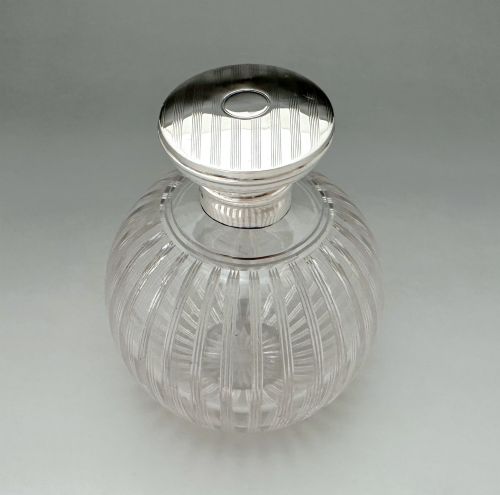
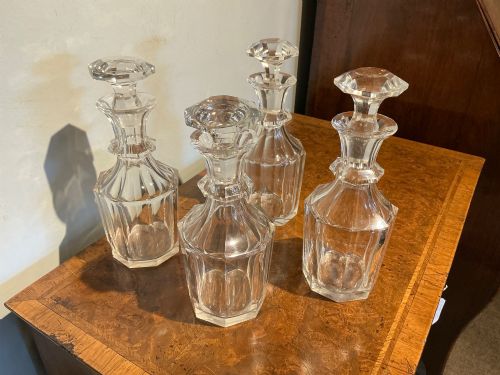
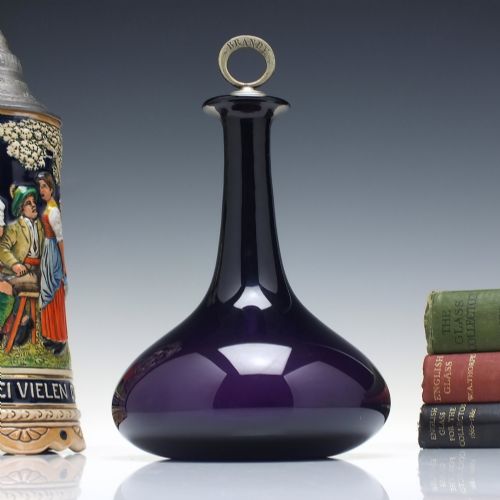
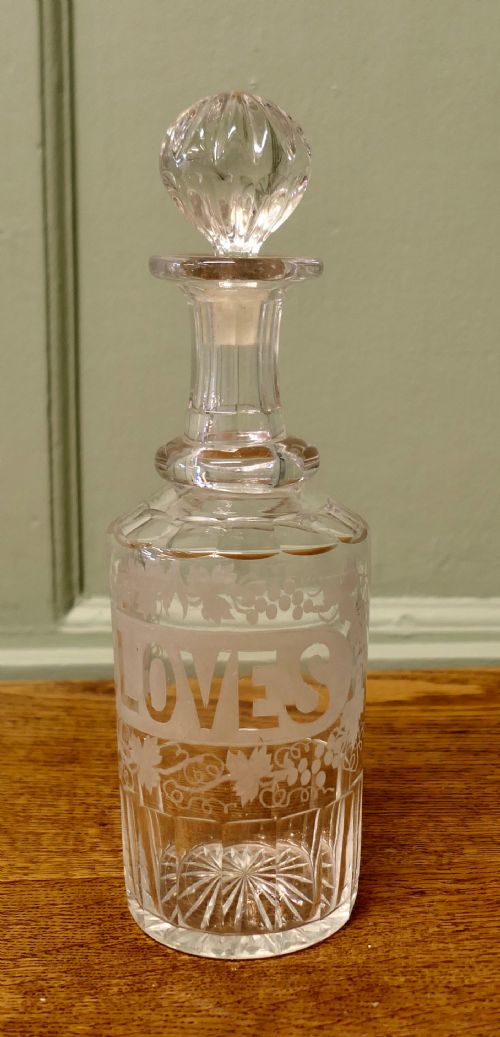
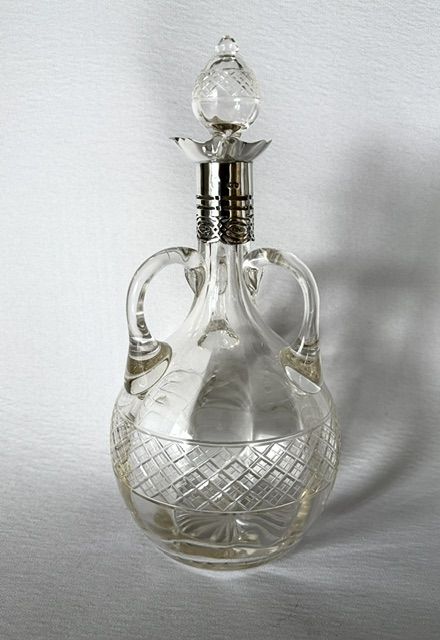
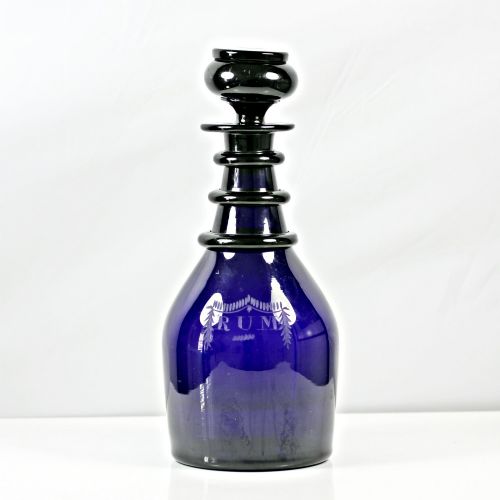
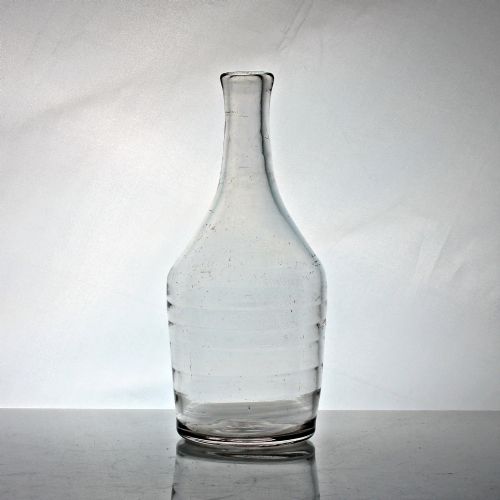
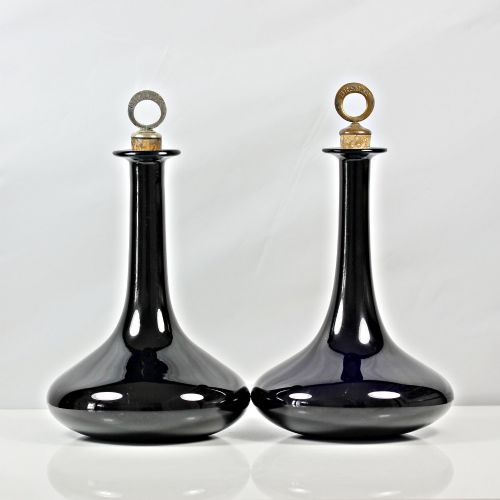
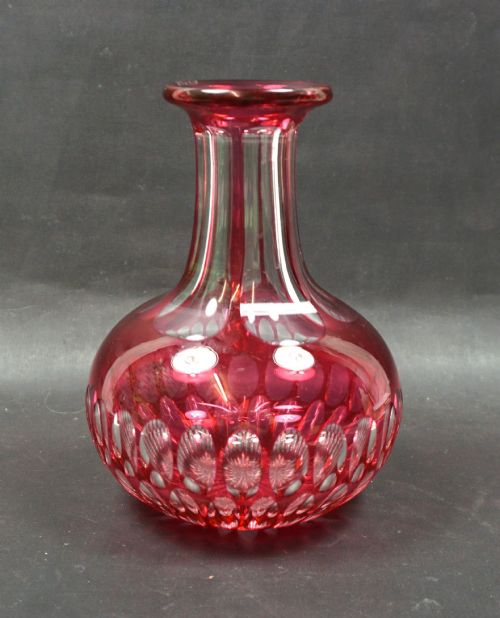
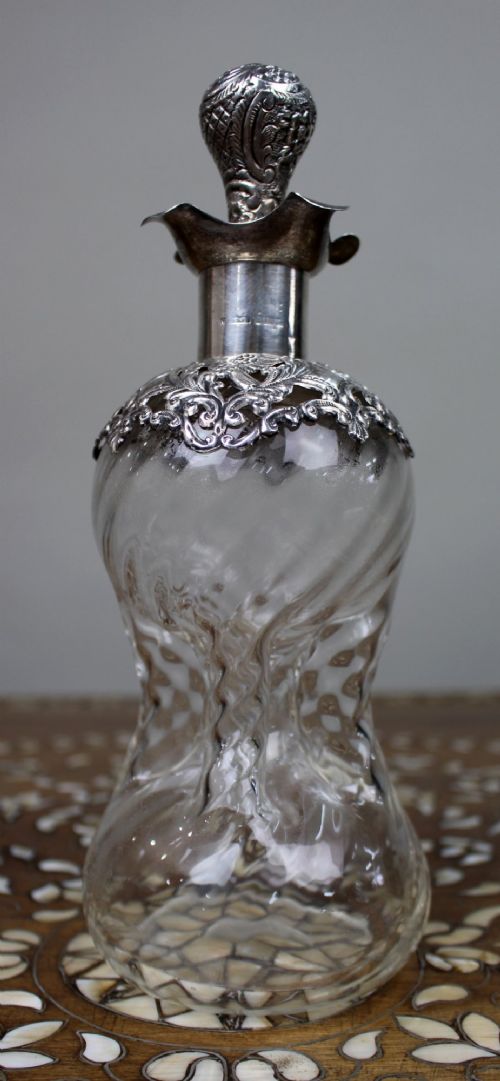
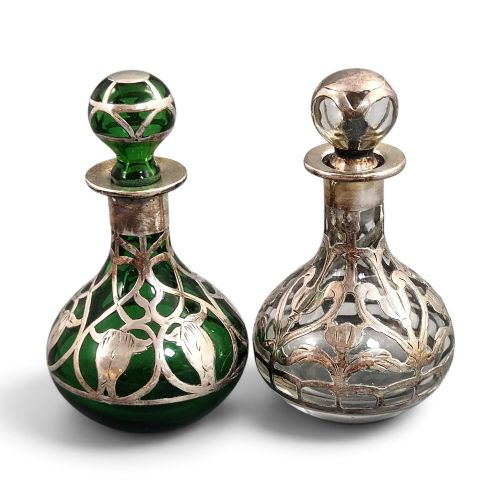
An antique glass decanter bottle is a heavy vessel designed for holding and serving wine or spirits, spanning Georgian, Victorian and Edwardian periods. Collectors will frequently encounter shaft and globe carafes, ringed spirit decanters and silver-mounted perfume bottles on this page.
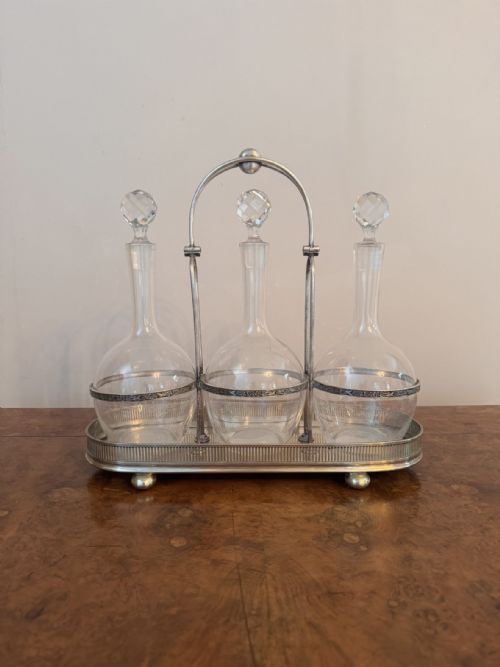
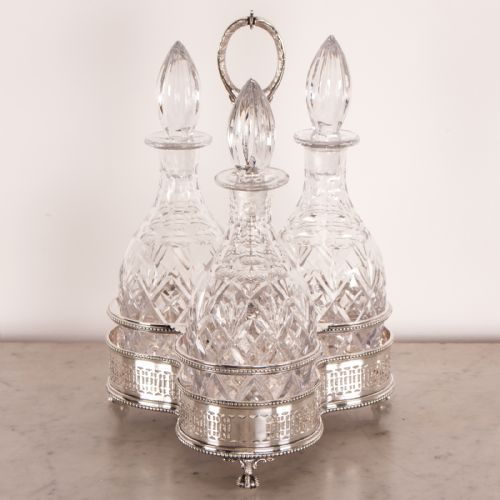
The forms range from sugarloaf beer decanters and shoulder carafes to sets of liqueur bottles housed in silver-plated stands and tantaluses. These vessels served practical roles in dining rooms and on sideboards, evolving in shape from the eighteenth century into the twentieth.
Originating largely from English, Scottish and Bohemian workshops, these pieces often incorporate precious mounts or painted enamel decoration. They remain remarkably functional items for modern dining as well as decorative centrepieces.
Materials and construction methods
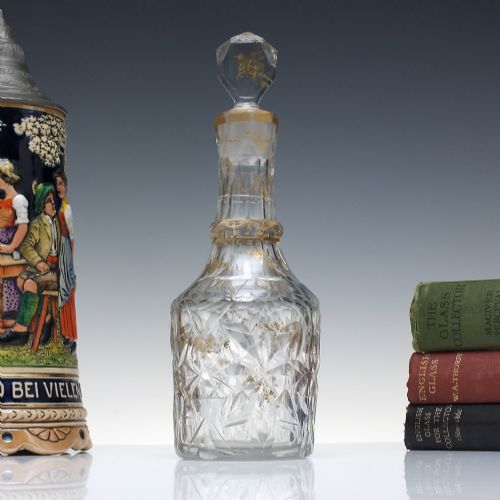
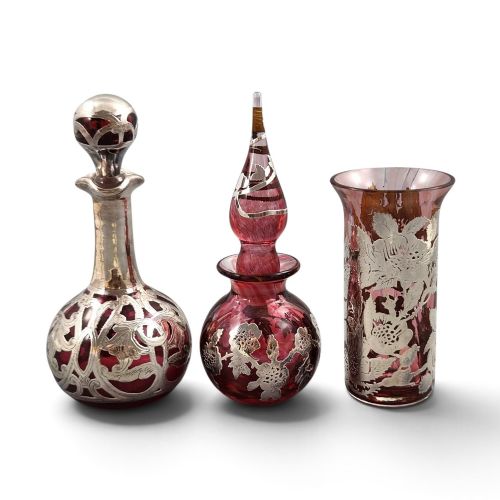
Makers shaped lead crystal and coloured glass - such as Bristol blue, cranberry and amethyst - through blowing and cutting techniques. Heavy cutting created deep facets that scatter light, whilst earlier Georgian pieces relied on applied glass rings or trailed threads for grip.
Mounts and collars utilise sterling silver, silver plate and old Sheffield plate, often bearing hallmarks that date the metalwork precisely. Artisans also applied gold leaf, enamelling and hand painting to the glass surface, as seen in pieces from the atelier of James Giles and Bohemian makers.
Listings feature lead crystal, cut glass, and sterling silver across periods from Georgian to Edwardian.
Judging quality in glassware
The distinction between standard domestic wares and top-tier examples lies in the crispness of the glass cutting and the weight of the metal mounts. Superior vessels exhibit deep, sharp facets and heavy lead crystal bases that sit solidly without rock.
Provenance and artistic collaboration elevate certain pieces significantly, such as those bearing gilding from known ateliers or complete sets housed in fitted coromandel wood tantaluses. The clarity of the glass and the matching of original stoppers further separate ordinary items from exceptional finds.
Atelier of James Giles·Gorham·Walker & Hall·Betjemann
The Antique Glass Decanter Bottle Glossary
- Ring neck
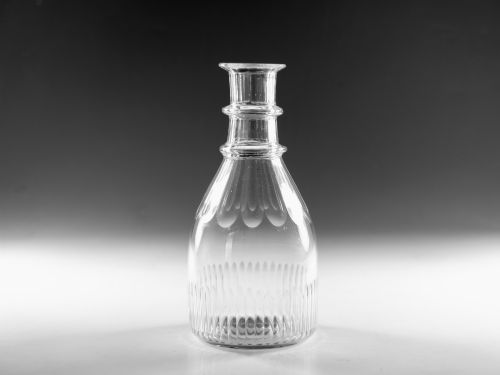
- A decanter neck featuring raised horizontal glass bands, often called Lynn rings, designed to provide a secure grip for pouring.
- Tantalus
- A locking wooden frame holding decanters securely behind a bar to prevent unauthorised access to the spirits within.
- Sugarloaf
- A heavy, tapering decanter shape resembling a traditional block of refined sugar, common in the Georgian period.
- Mell
- A mallet-shaped decanter with a flat base and sloping shoulders, popular for stability on ships and dining tables.
- Overlay
- A technique where a layer of coloured glass is fused over clear crystal and partially cut away to reveal patterns beneath.
Antique Glass Decanter Bottle: Frequently Asked Questions
How do I date an old decanter?
Dating relies on a combination of manufacturing traits, pontil marks, and accompanying metal hardware. Georgian examples often feature thick, heavy lead metal and hand-cut facets, whilst Victorian and Edwardian items frequently display silver hallmarks or machine-assisted mould seams.
Shape and colour also offer strong chronological clues. Bristol blue and deep amethyst tones point heavily towards the nineteenth century, whereas specific ring configurations on the neck help narrow down the decade of production.
Were these bottles meant for wine?
These vessels held a variety of alcoholic beverages, ranging from fine wines and port to whisky, rum and liqueurs. Smaller versions served as cruet bottles for oil and vinegar or as personal scent and perfume containers on dressing tables.
The size and shape usually dictate the intended contents. Large magnum sugarloaf decanters suited heavy beers and wines, while slender three-ring bottles were tailored for spirits.
What is a tantalus used for?
A tantalus secures a set of decanters inside a wooden or metal frame fitted with a locking mechanism. This kept expensive spirits safe from domestic staff in large households while still displaying the cut crystal bottles.
Originating in the Victorian era, these locking stands are typically lined with velvet or fitted with silver-plated hardware and matching keys.