

Vintage Vanity Bottle
A vintage vanity bottle brings tactile elegance to a dressing table, holding scent or powder within decorative glass and precious metal.
Vintage Vanity Bottle
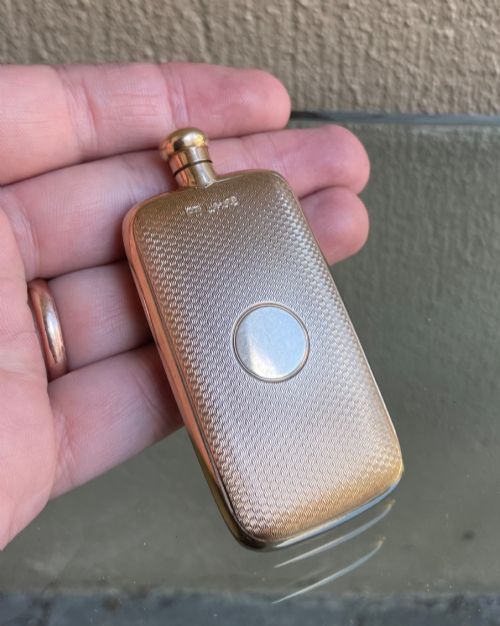
When you search for a vintage vanity bottle, you are looking at small glass or crystal vessels designed for dressing tables, travel cases, and boudoirs. These containers range from simple pocket flasks with metal screw caps to elaborate display pieces with stoppers or atomisers.
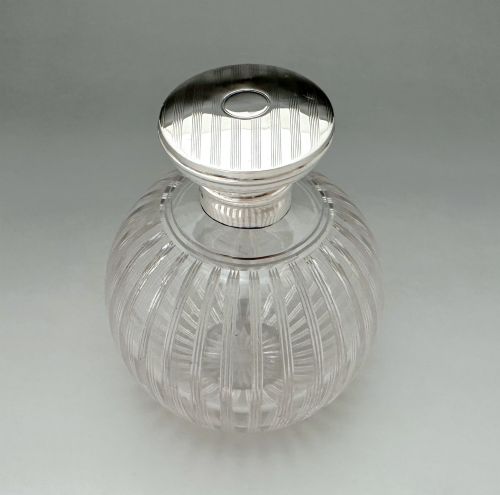
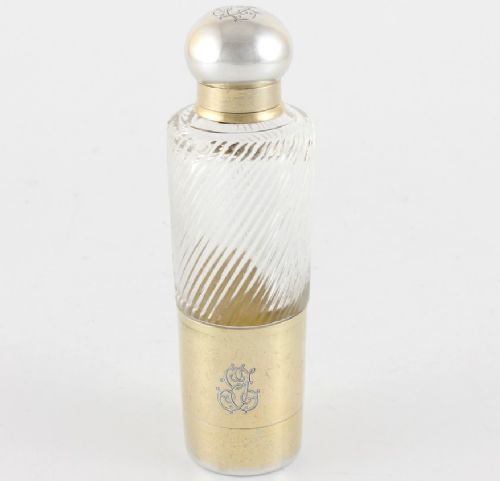
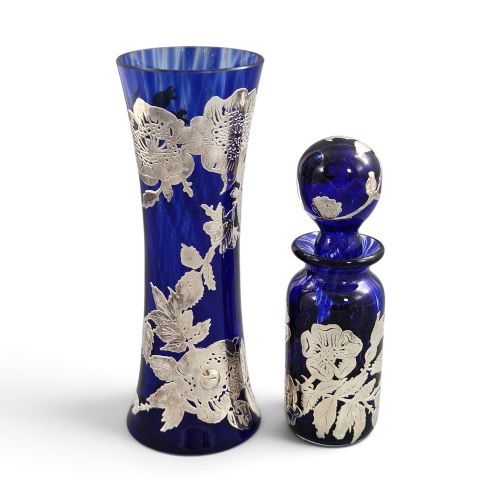
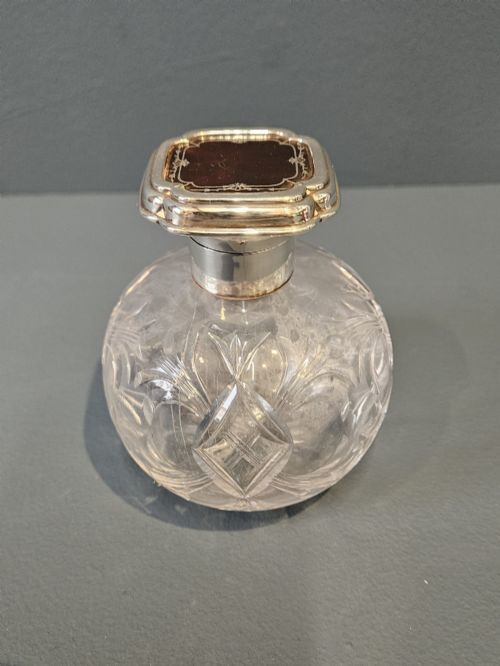
The most common versions met on this page date from the Edwardian era through the Art Deco period, spanning the early decades of the twentieth century. These examples frequently combine moulded, cut, or frosted glass bodies with sterling silver collars, hinged enamel lids, or silver overlay.
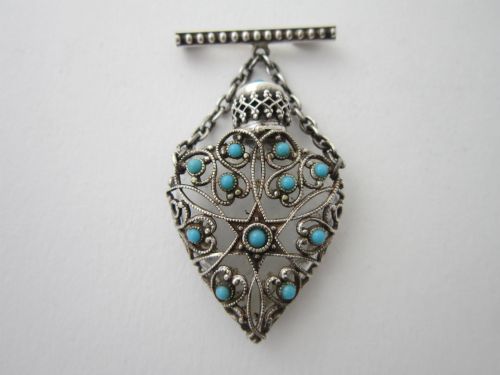
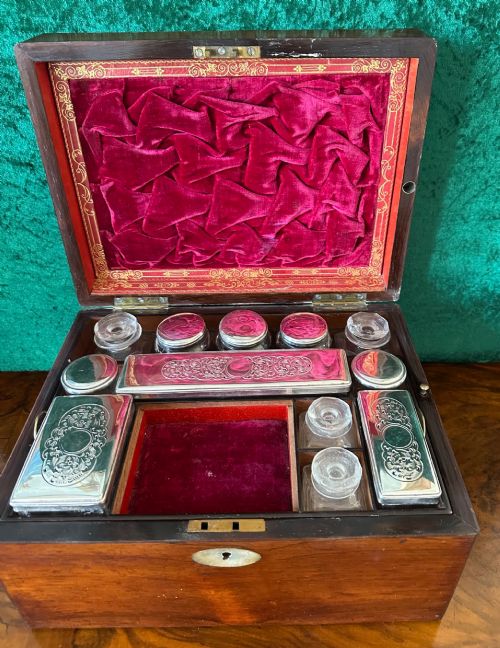
Many of these containers function as perfume bottles, cologne flasks, or spirit bottles, occasionally appearing alongside matching powder jars or dressing sets. Origins stretch across England, France, and Bohemia, reflecting the prevailing design tastes of each manufacturing centre.
Materials and construction
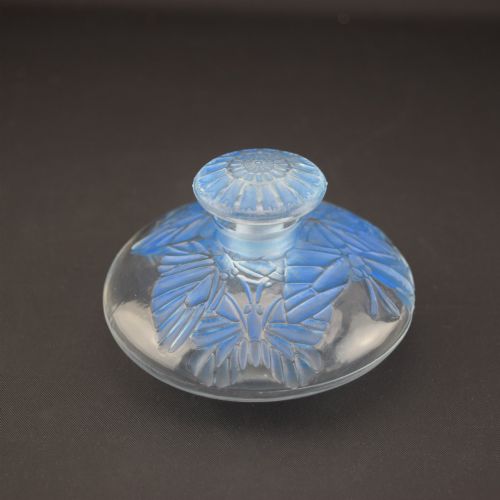
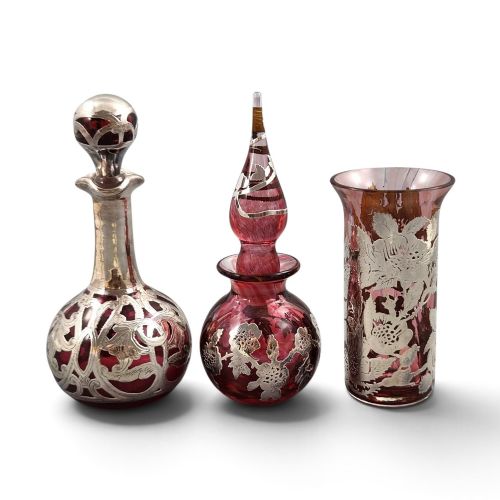
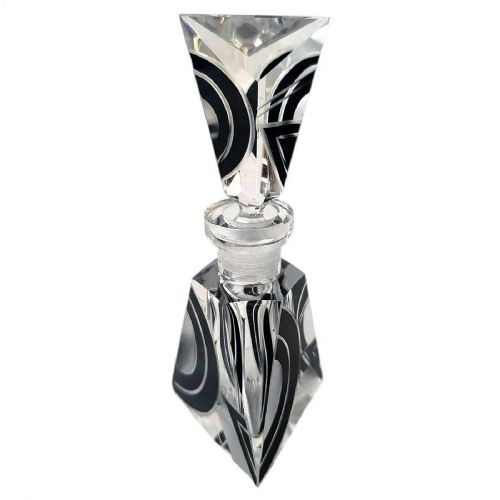
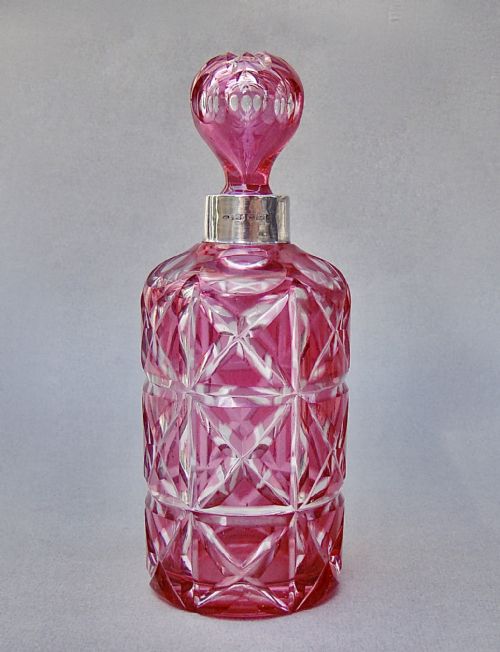
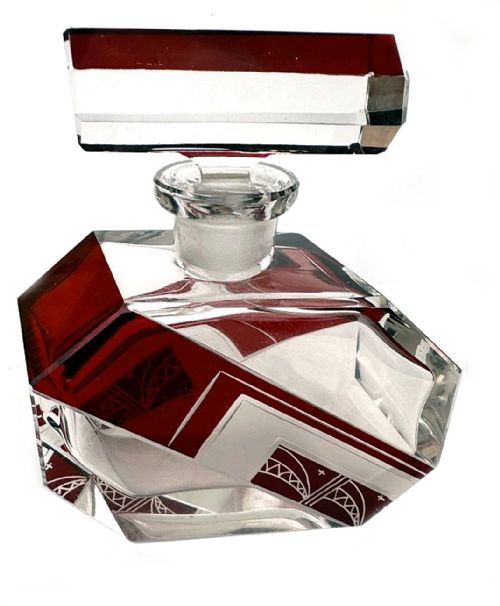
Makers formed the bottle bodies using clear cut glass, heavy cut crystal, or coloured glass such as ruby, cranberry, cobalt, and opaline. Moulded and frosted glass techniques gained popularity during the Art Deco period, allowing for sculptural stoppers and geometric surface patterns.
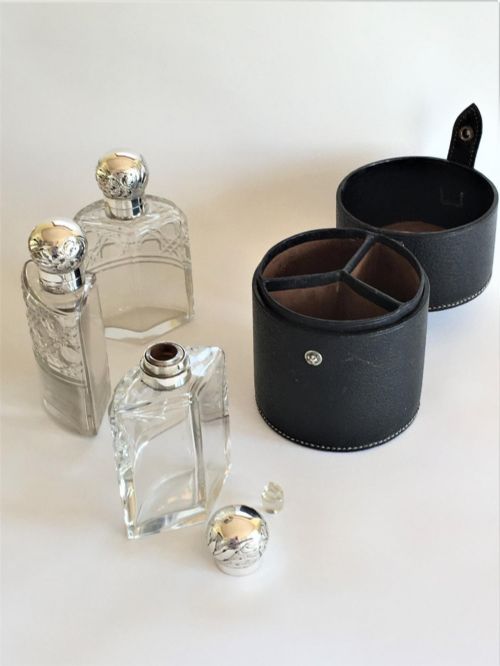
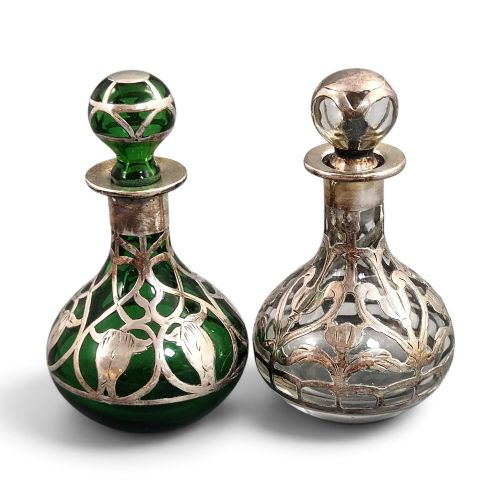
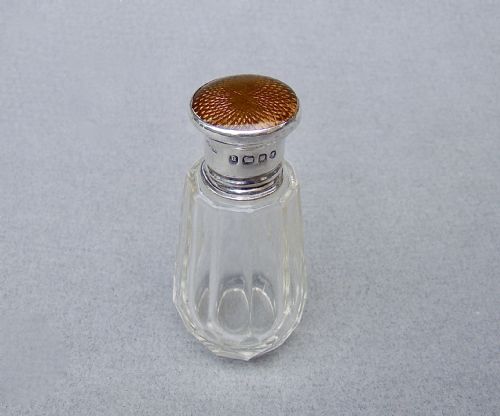
Silversmiths and metalworkers mounted these glass bodies with sterling silver, 9ct gold, Old Sheffield plate, or silver gilt collars and hinged lids. Overlay techniques placed intricate sterling silver tracery directly onto the glass surface, while guilloche enamel provided vibrant colour on lids and caps.
Some Victorian travelling bottles doubled as secret compartments for precious jewels alongside your morning cologne.
Distinctions in quality
The standard of a piece rests heavily on the harmony between the glass body and its metal mountings. Heavier cut crystal and deeply faceted glass combined with substantial sterling silver or fully intact guilloche enamel denote superior production.
Renowned designers and makers elevate a piece through original artistic vision, such as moulded glass creations by Rene Lalique or geometric cuts by Karl Palda. The presence of matching stoppers, original travel cases, or complete vanity ensembles adds considerable distinction to the physical object.
Rene Lalique·Gorham·Laugharne Glass·Karl Palda·Harold Bushell and Co·Henry Perkins·Tonnel Paris
The Vintage Vanity Bottle Glossary
- Atomiser
- A perfume bottle fitted with a spray mechanism and bulb pump. This allowed users to mist fragrance directly onto skin or clothing.
- Guilloche enamel
- A decorative technique where transparent enamel is layered over mechanically engraved metal. It produces a repeating geometric pattern with deep translucent colour.
- Silver overlay
- A process where sterling silver is bonded directly onto a glass or crystal surface. The metal forms decorative motifs such as flowers, ribbons, or abstract lines.
- Opaline glass
- An opaque or semi-translucent glass developed in the nineteenth century. It often displays soft pastel tones resembling natural opal.
- Cologne bottle
- A vessel specifically intended for holding eau de cologne or lighter toilet waters. These often feature secure screw caps or glass stoppers for travel use.
Vintage Vanity Bottle: Frequently Asked Questions
What is a vintage vanity bottle used for?
These vessels were designed to hold perfume, cologne, or scented spirits on a dressing table or inside a travelling case.
They allowed owners to transfer fragrances from large commercial containers into decorative, portable dispensers for daily use.
How do I date a silver mounted bottle?
Dating relies heavily on British silver hallmarks stamped onto the metal collars, lids, or mounts. These assay marks indicate the specific town, metal purity, and year of manufacture.
Stylistic indicators such as Art Deco geometric cuts or Edwardian silver overlay also help place the piece within a specific decade.
Are stoppers usually original to the bottle?
Original stoppers fit snugly and match the glass type, cutting style, and colour of the main body perfectly. Because stoppers were easily misplaced or broken, finding one that matches the wear and manufacture of the bottle is essential.
Collectors look closely at the ground glass neck and stopper peg to ensure they were ground together during initial production.
How do I care for enameled and silver mounts?
Silver components require gentle cleaning with a soft cloth formulated for precious metals to prevent tarnish accumulation. Enamel and glass surfaces should be wiped carefully with a damp cloth, avoiding harsh chemical dips that damage coloured layers.