
Antique Glass Curio Case
An antique glass curio case puts small treasures on display behind clear panels, bringing order and visibility to delicate collections.
Antique Glass Curio Case
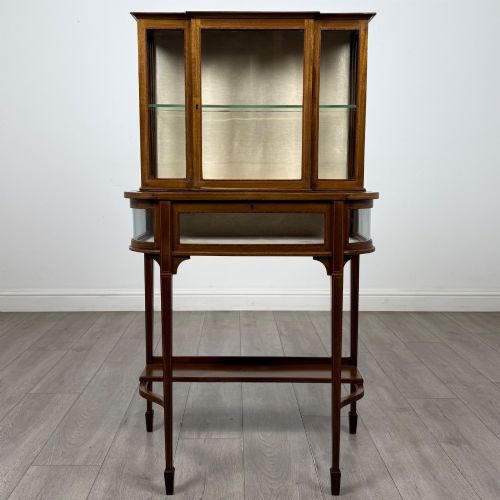
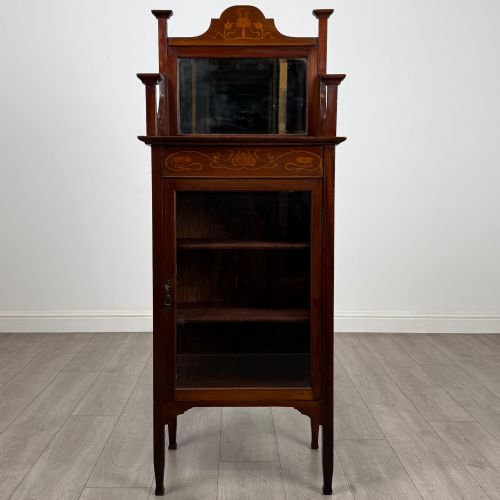
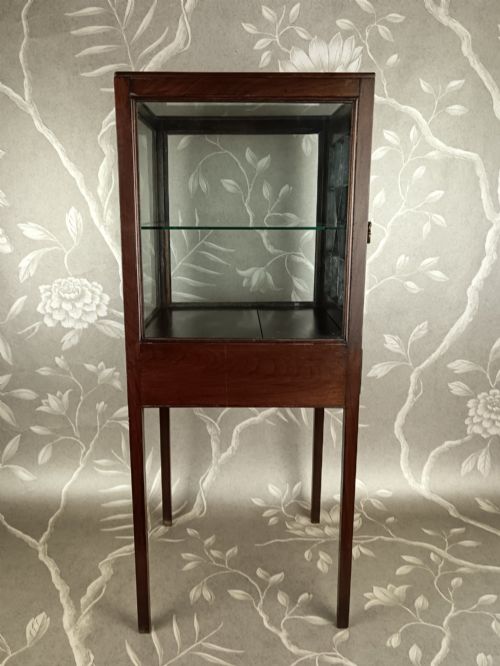
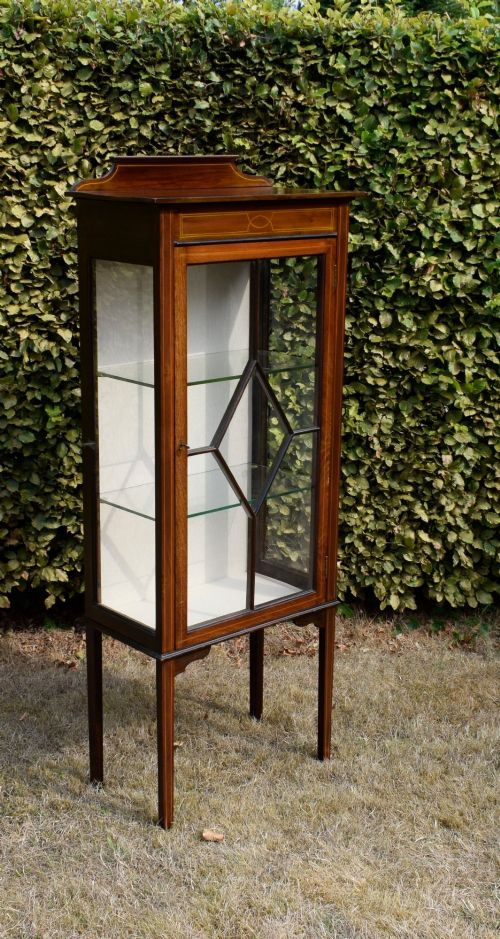
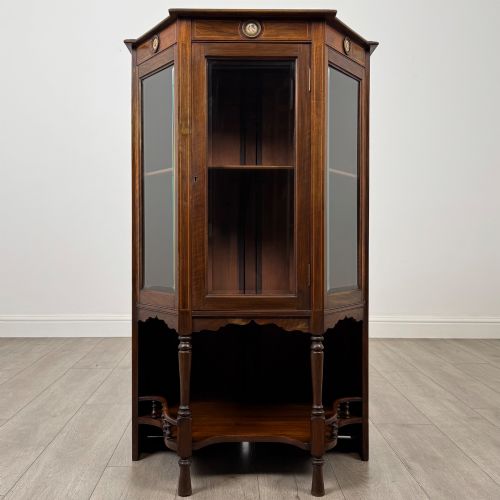
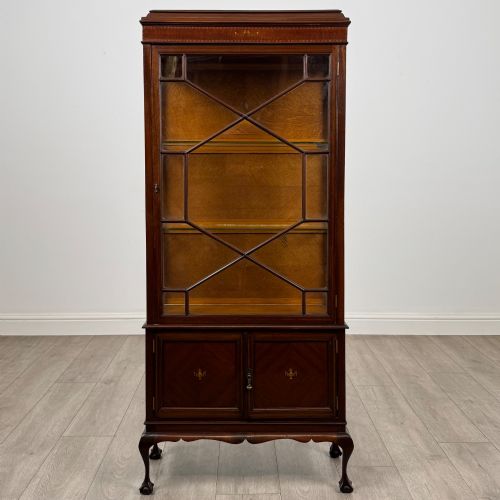
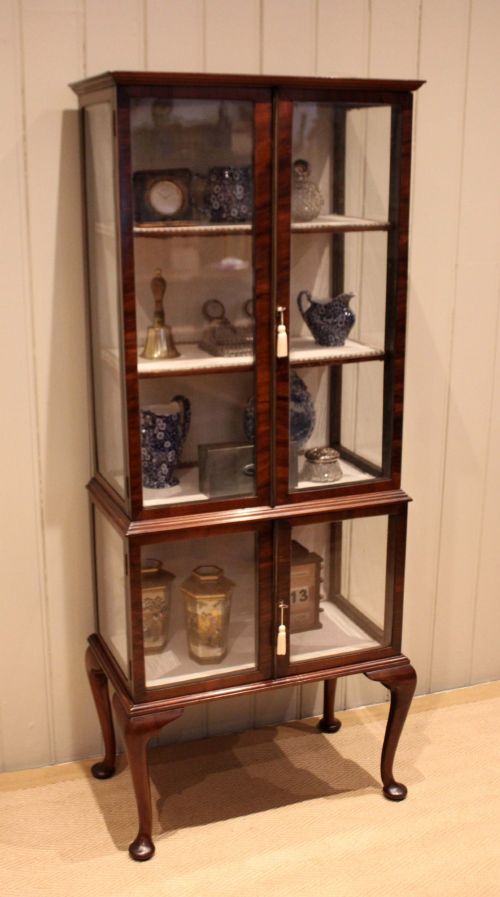
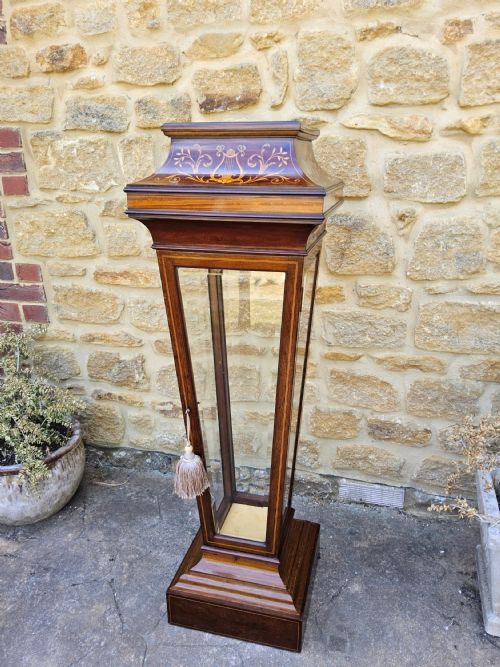
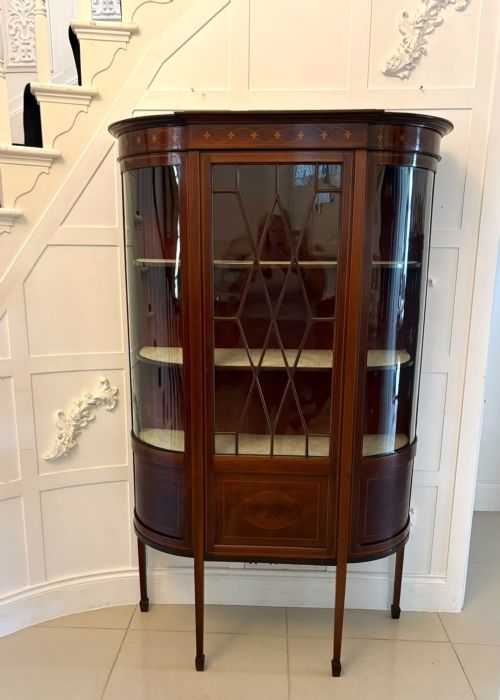
An antique glass curio case appears in several distinct forms across the listings, ranging from tall standing cabinets to low tables intended for tabletop inspection. Display cabinets and vitrines dominate the selection, offering vertical shelving for porcelain and curiosities.
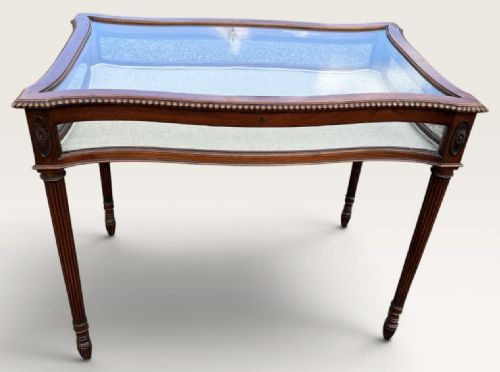
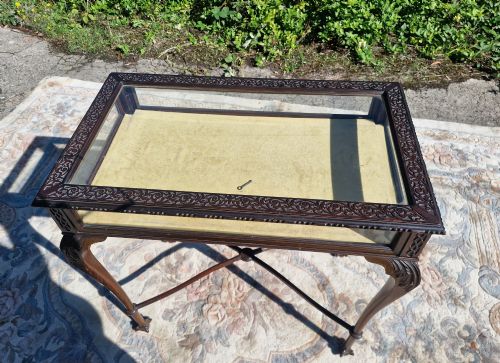
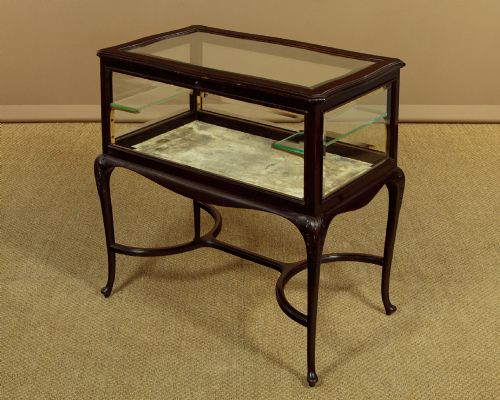
Bijouterie tables provide a horizontal glass surface that lifts to reveal a lined compartment beneath, originating as furniture designed for jewellery and small ornaments. Wall-hanging vitreens offer a compact alternative for rooms with limited floor space.
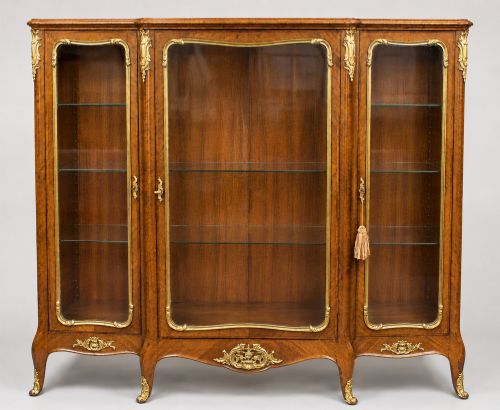
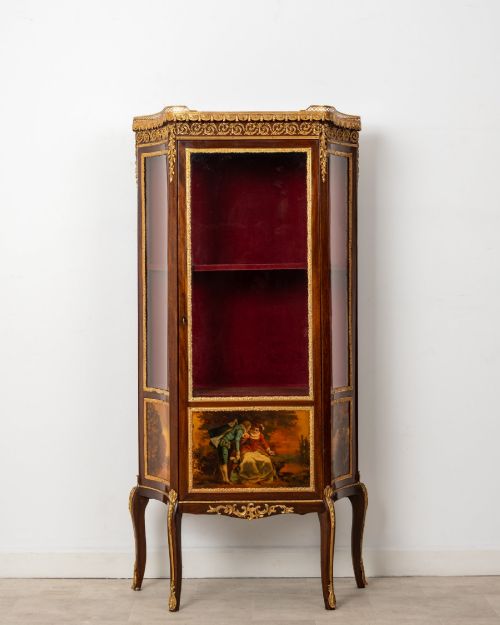
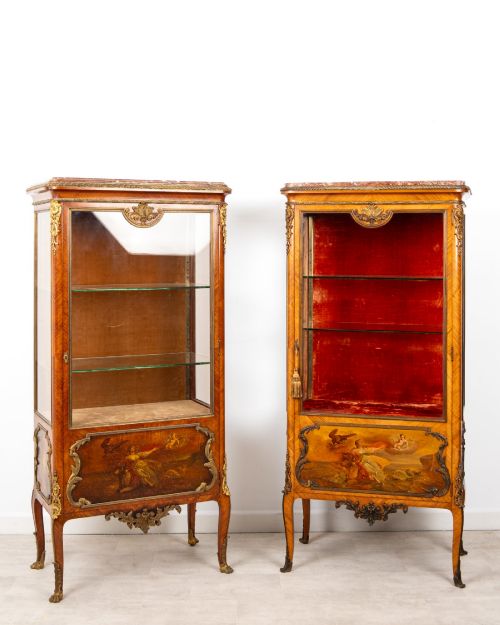
The architectural style shifts from simple Edwardian and Victorian mahogany carcases to ornate French Rococo Revival and Louis XVI style pieces decorated with gilt metal mounts. Makers drew upon Georgian and Chippendale traditions alongside continental influences to shape these glazed enclosures.
Distinctions in quality
The refinement of the ormolu mounts and bronze castings separates standard production cabinets from exceptional pieces. Finely chased metalwork demonstrates sharper detail and greater depth than simpler stamped brass fittings.
Timber selection and the execution of inlay dictate the visual strength of the cabinet. Matched veneers and precise marquetry indicate superior cabinet-making compared to plain surfaces.
The integration of curved glass panels, such as serpentine or bow-ended doors, requires advanced glass-bending techniques that signal higher craftsmanship. Structural integrity in the joints and the smooth operation of glazed doors determine the enduring utility of the piece.
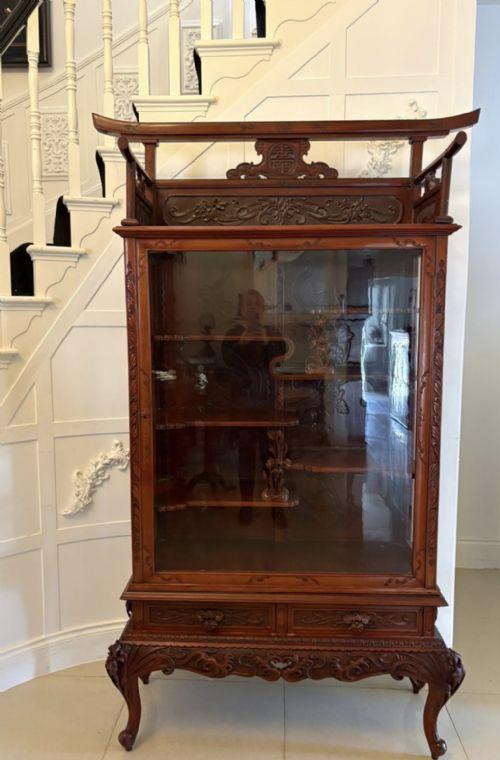
One extraordinary red lacquer hardwood display cabinet originates from Japan, bridging distant craft traditions with European display forms.
François Linke
The Antique Glass Curio Case Glossary
- Vitrine
- A glass-fronted display cabinet designed for the presentation of porcelain, glass, and small objects. These pieces often feature glazed sides to maximise light penetration.
- Bijouterie table
- A glass-topped display table with a shallow compartment beneath the lid for viewing jewellery and trinkets. They stand on slender legs and often include a fabric-lined interior.
- Vernis Martin
- A simulated Japanese lacquer technique developed in eighteenth-century France and replicated in later revival pieces. The finish uses translucent varnishes over painted decorations.
- Ormolu
- Gilt bronze ornamentation applied to the mounts, feet, and cornices of fine furniture. The technique involves coating bronze with a mercury and gold amalgam and firing it.
- Marquetry
- Decorative patterns formed by the insertion of different coloured veneers into a primary wood ground. This technique creates pictorial or geometric designs on cabinet doors and tops.
Antique Glass Curio Case: Frequently Asked Questions
What is a vitrine?
A vitrine is a glazed display cabinet intended to showcase porcelain, glass objects, and curiosities while protecting them from dust.
These pieces typically feature glass panes on the doors and sides to allow light to enter from multiple angles.
How do I use a bijouterie table?
A bijouterie table is designed for viewing small collections such as medals, coins, and jewellery through a glass top without handling them.
The hinged lid opens to reveal a lined compartment where items rest securely on fabric.
What wood was used?
Makers constructed these cabinets using hardwoods such as mahogany, walnut, kingwood, and satinwood.
Inlays of lighter woods and exotic veneers were frequently added to the external surfaces for decoration.
How do I date a cabinet?
Dating relies on stylistic markers, timber choices, and construction methods characteristic of periods like the Edwardian era or the nineteenth century.
Revival styles often copy earlier eighteenth-century designs but employ machine-cut elements and distinct hardware typical of their actual production period.